


“My Mom Jayne”Mariska Hargitay’s deeply personal documentary transforms a Hollywood legend into a story about family, identity and the complicated work of grief
Every family has stories that are told, stories that are forgotten and stories that remain just out of reach. For Mariska Hargitay, the story of her mother, actress Jayne Mansfield, has always belonged to that last category. Hargitay was only three years old when Mansfield died in a 1967 car accident, leaving her with few…

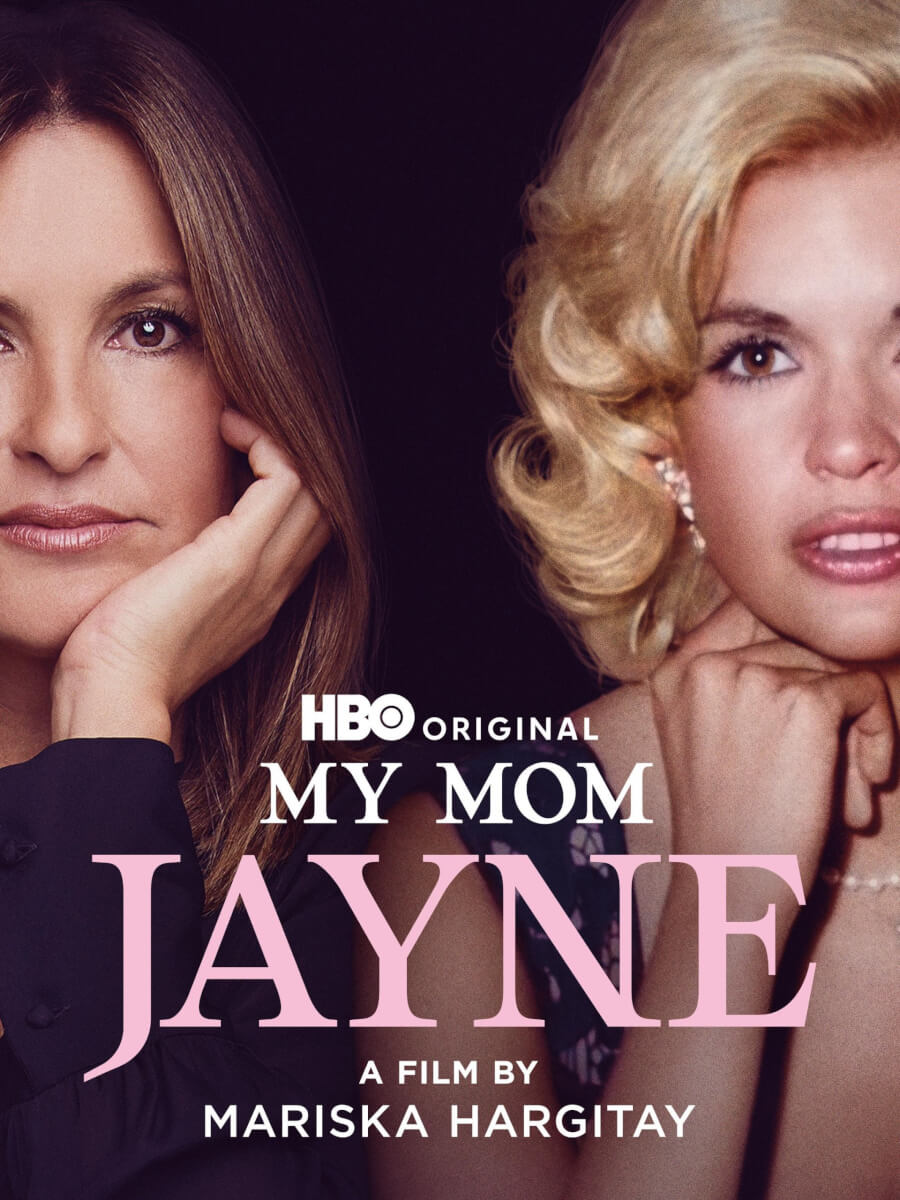
Every family has stories that are told, stories that are forgotten and stories that remain just out of reach. For Mariska Hargitay, the story of her mother, actress Jayne Mansfield, has always belonged to that last category. Hargitay was only three years old when Mansfield died in a 1967 car accident, leaving her with few memories of the woman whose glamorous public image began to feel far more familiar than the mother she knew.
In “My Mom Jayne,” Hargitay turns the camera toward that absence in an attempt to better understand her mother. Rather than creating a typical Hollywood biography, she embarks on an intimate investigation into her own family history, asking a deceptively simple question: Who was Jayne Mansfield when the cameras were turned off?
The Woman Beyond the Hollywood Image
In the eyes of many, Jayne Mansfield is remembered as “the blond bombshell,” an exaggerated persona whose appearance frequently overshadowed her talents and ambitions. In “My Mom Jayne,” Hargitay challenges that simplified image by filling in the spaces between the famous photographs and movie clips.
She draws on archival footage, photographs, home movies and conversations with family members to reconstruct a woman she herself barely had the opportunity to know. There are gaps in the family record and unanswered questions about Mansfield’s relationship with her children. Those gaps become part of the film’s emotional power.
When Grief Becomes a Lifelong Companion
The documentary becomes relatable when it shifts away from Mansfield’s celebrity and toward the universal experience of losing someone before you are old enough to understand what has happened.

In her conversation with Anderson Cooper on “All There Is,” Hargitay described how the loss of her mother and the unanswered questions surrounding her childhood continued to shape her life. She also discussed discovering at 25 that Mickey Hargitay, the man who raised her and whom she regarded as her father, was not her biological father.
Rather than presenting grief as something that can simply be overcome, Hargitay describes it as something that changes and evolves. Her conversation with Cooper underscores one of the documentary’s central ideas: Grief is not confined to the moment of death. It can echo through decades, resurfacing as questions about identity, family and the life that might have been.
Perhaps most moving is Hargitay’s reflection on saying goodbye to Mickey. She describes their final words and the comfort she found in having the opportunity to express their love before his death. Cooper, who has experienced profound parental loss himself, recognizes the significance of that moment. Their conversation creates an unexpected companion piece to the documentary, extending its examination of grief beyond Hargitay’s relationship with Mansfield.
Reclaiming a Mother, Not an Icon
Ultimately, “My Mom Jayne” is not really about solving every mystery surrounding Jayne Mansfield. It is about accepting that some mysteries may never be solved.
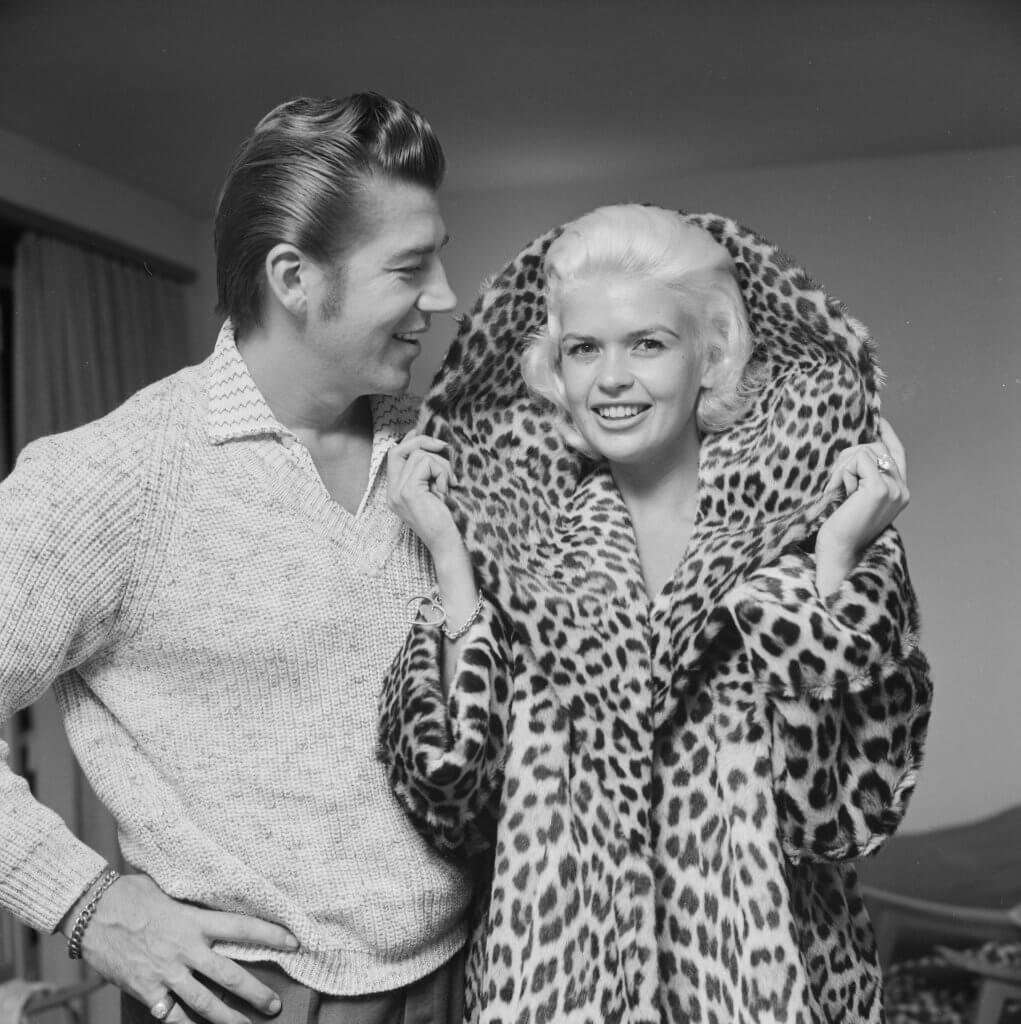
That may be the documentary’s greatest achievement. By searching for the mother she barely remembers, Hargitay gradually discovers that remembrance does not require perfect memories. “My Mom Jayne” quietly suggests that grief and love are not opposites. They are intertwined, carried forward through generations. Sometimes, knowing someone means listening to the people who loved them, confronting uncomfortable truths, and making peace with the spaces that remain empty.
For those navigating the complicated terrain of grief, “My Mom Jayne” may offer a gentle reminder that healing does not mean forgetting, and that unanswered questions can coexist with love. Its exploration of parental loss, memory and complicated family relationships may resonate most with viewers who have had some time to process a loss. For someone in the immediate aftermath of bereavement, however, the film’s intimate examination of death and grief could feel emotionally overwhelming. Ultimately, Hargitay’s journey offers a reassuring message: Healing can come not from finding every answer, but from learning to live with the questions.
May We Suggest:
 Survivors Are Breaking the Taboos Around Disenfranchised Grief
 People Are Playing Games to Help Them Talk About Death
 My Mom Died of Alcoholism, Denial and Despair
-

A beautiful reminder that grief doesn’t always come with answers or closure. Sometimes healing is learning to carry the unanswered questions while holding tightly to the love that remains.
-
So true. We may never have every answer we long for, but love can remain a steady connection even as we learn to live with what cannot be resolved.
-






Leave a Reply