


Processing Loss Through Wilderness and Work in the Outdoor Grief MovementHow grief camps are evolving to emphasize meaningful work, physical activity and time outdoors
Grief camps might not be mainstream in American society — yet — but they aren’t new, either. For years, they’ve offered people a place to connect with others who understand the pain of losing a loved one. But a new generation of grief retreats is taking a more hands-on approach to healing, trading traditional support-group…

Grief camps might not be mainstream in American society — yet — but they aren’t new, either. For years, they’ve offered people a place to connect with others who understand the pain of losing a loved one. But a new generation of grief retreats is taking a more hands-on approach to healing, trading traditional support-group settings for hiking trails and barn stalls. By combining physical activity, time in nature and meaningful work, these programs offer fresh ways to process loss and navigate life after someone dies. While solo ‘grief pilgrimages’ gained mainstream attention following Cheryl Strayed’s bestselling memoir Wild in 2012, a new generation of structured programs is taking that hands-on approach to healing and bringing it into group settings.
The Science Supporting Outdoor Grief Therapy
Scientists have long understood the benefits of regular physical activity for both body and mind. Research has shown that spending time outdoors can offer similar mental and physical health benefits. Given what we know about the healing power of movement and nature, it seems surprising that combining the two to help people navigate grief has taken so long to gain traction.
Recently, a comprehensive review conducted by Queen’s University in Belfast examining 25 studies and over 157,000 participants of all ages experiencing different types of bereavement found that movement helps alleviate psychological distress while enhancing emotional expression and social support. In particular, the review found that the activities most strongly associated with having a positive impact on grief were those that occurred outdoors, involved team-building and enabled mindfulness.
The study hypothesized that there are five primary ways this kind of exercise aids the grieving process:
- Emotional escape and clarity: Offers a mental break from constant rumination and acute grief
- Physical outlet: Provides a release for intense, heavy emotions like anger, frustration and muscle tension
- Routine and identity: Re-establishes daily structure, which grief often shatters, helping individuals reconnect with a sense of self
- Social connection: Group fitness, team sports, or walking clubs provide low-pressure social interaction and community support
- Reliance and control: Setting and achieving small movement goals builds confidence when life feels completely out of balance
Wild Grief
Wild Grief is a non-profit organization that operates peer-support wilderness programs, including multi-day teen backpacking trips, family campouts and day hikes designed to process loss through outdoor exertion.
Ever since Cheryl Strayed physicalized bereavement on the Pacific Crest Trail in her memoir Wild, more organizations have sought to bring that experience into guided group settings. The idea came to Jim Cubbage, the founder of Wild Grief, when he was volunteering with Camp Erin, a well-known grief support camp for kids, teens and families. He told local newspaper The Olympian that he was inspired by watching groups of teens working together and processing their emotions in an outdoor setting (a YMCA camp) and wanted to take it one step further into deeper natural surroundings.
Wild Grief began operating in 2015 and has since expanded to offer a variety of programs that cater to all ages, including Monthly Online Grief Walks for those who can’t attend in person.
Selah Carefarm (With the MISS Foundation)
Selah Carefarm is a specialized trauma and grief retreat in Sedona, Arizona that offers ecotherapy, outdoor remembrance rituals and nature-based counseling.
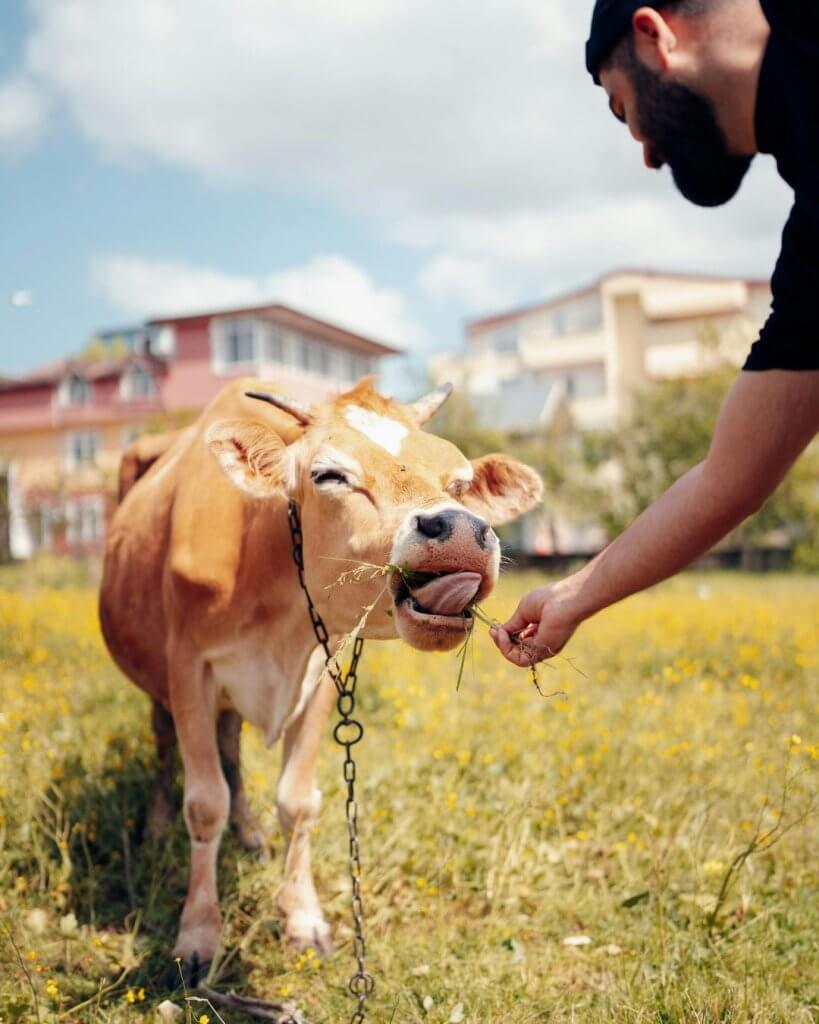
Founded by Dr. Joanne Cacciatore — who also founded the MISS Foundation, which connects grieving families with care and support after losing a child — the carefarm provides a therapeutic environment in which broken-hearted humans and traumatized animals mutually benefit from each other’s presence.
All of the more than 50 animals at Selah were rescued from varying levels of neglect, abuse and torture. Although they are now loved and well-fed, their innate sense of compassion can be a soothing balm for someone in the throes of grief. In her Yahoo! Life article reflecting upon her own time spent at Selah, Beth Greenfield wrote, “Selah’s comforts are simple but immense, gained by caring acts like brushing a pig, feeding a baby sheep its bottle, putting one’s hands into the warm earth to plant flowers, or just sitting and crying under an almond tree.”
Grounded Outdoor
Grounded Outdoor, a branch of Grounded Grief Therapy, offers multi-day wilderness retreats, outdoor walking grief groups and workshops led by clinical grief therapists and wilderness leaders in locations all across the country.
The core theory behind Grounded Outdoor is that “the woods don’t have expectations.” Their retreats, walking sessions and workshops are all based on the idea that nature frees people to express their grief in whatever form it may take, without judgement or pressure to be anywhere but fully present.
May We Suggest:
 Survivors Are Breaking the Taboos Around Disenfranchised Grief
 Beyond the Five Stages: Grief Theories in the Modern Age
 Surfing the Waves of Grief (Interview)



Leave a Reply