
-
Miracle Max’s Expert Advice
Miracle Max from the Princess Bride tells us how to treat to the deceasedMiracle Max: Now, mostly dead is slightly alive. Now, all dead…well, with all dead, there’s usually only one thing that you can do. Inigo: What’s that? Miracle Max: Go through his clothes and look for loose change. More Laughter is Medicine Posts: “Death is not the end. There remains the litigation over the estate.” Harry:…
/
-
“the Tibetan Book of the Dead” edited by John Baldock
Editor W.Y. Evans-Wentz’s famous translation offers a Buddhist perspective of the end-of-life experience, or the Art of Dying“The Art of Dying is quite as important as the Art of Living,” writes editor W.Y. Evans-Wentz in his preface to The Tibetan Book of the Dead. An ancient Buddhist text, The Tibetan Book of the Dead, or the Bardo Thödol, is a guide for the deceased as he or she journeys through the 49 days…
/
-
Wampanoag Burial Traditions
We revisit the end-of-life practices of one of the most famous Native American tribesWith Thanksgiving underway, we look to the funeral traditions of perhaps the most famous of the Native American peoples: the Wampanoag. It is estimated that these Native Americans lived in the New England region for over 10,000 years, with over 60 tribes in their nation. Of course, when batches of colonists began to arrive in…
/
-
Thanksgiving Table Talk: A SevenPonds Challenge
Bring something new to the usual Thanksgiving dinner this year: a little end-of-life conversationSevenPonds’ goal is to render the end-of-life accessible as a topic of conversation in any context – and Thanksgiving is no exception. This year, we hope that you can help us debunk the notion that to talk about death means we inherently enter a negative space. It’s a sentiment shared by the University of Washington’s…
/
-
Pablo Picasso: Death of Harlequin
Picasso’s “Death of Harlequin” captures an enigmatic view of life and death as a performerYou don’t have to be an art lover to know the name Pablo Picasso (1881-1973). But few would think to associate a Harlequin-esque character with the cubist legend. The character of “Harlequin” shows up in a countless number of Picasso’s paintings (especially his Rose Period) and became the ideal personality onto which he could project his…
/
-
What is NODA? (Interview)
The Program Coordinator of No One Dies Alone enlightens and uplifts, sharing her experience with death and dyingNo One Dies Alone is a wonderfully compassionate, volunteer-driven service pioneered through the Sacred Heart Medical Center in Eugene, OR. Carleen McCormack is the former Program Coordinator. This interview has been edited for length and clarity. Carleen: 25 years ago, there was a nurse here at Sacred Heart, Sandra Clarke, who had an experience…
/
-
“The Five People You Meet in Heaven”
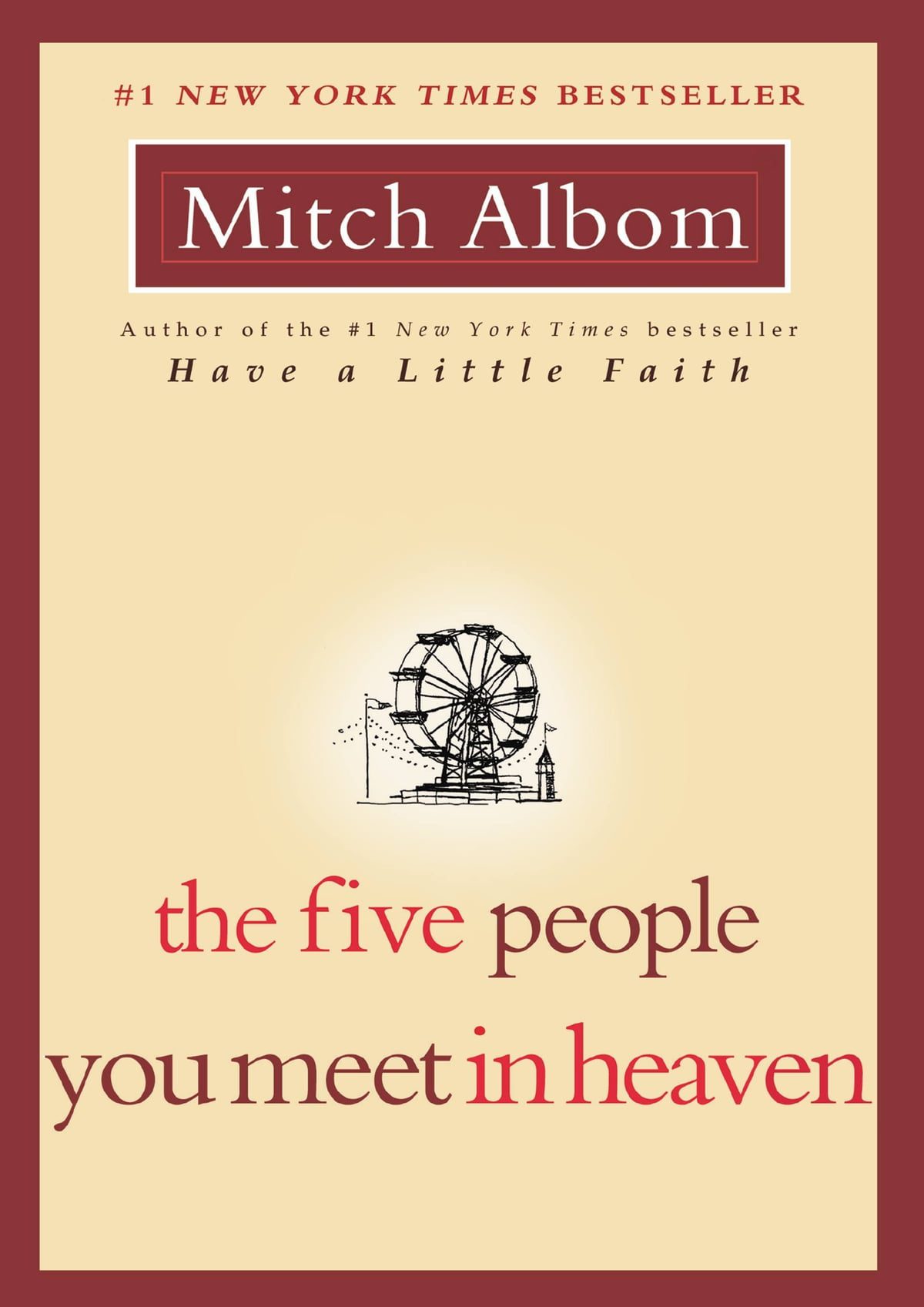
In this book a young man’s journey through heaven teaches readers the importance of a life cherishedMitch Albom’s The Five People You Meet in Heaven reverses its order by starting with his protagonist’s (an elderly man) death on his own birthday. Then, he carefully intertwines the details of his life through each of his encounters with the five people who have been assigned for the protagonist to meet in heaven. Every…
/
-
Traditional Burial Rites for the Maori
New Zealand’s indigenous people ensure that no one is alone during a burialThe Maori in New Zealand honor those who have died with a three-day burial rite, which is becoming less commonly practiced these days, called the Tangihanga or the Tangi. The process is held at a communal and sacred place known as a marae. During the Tangi, the tribe never leaves the side of a member…
/
-
Seriously? The Dawn of the “Funeral Selfie”
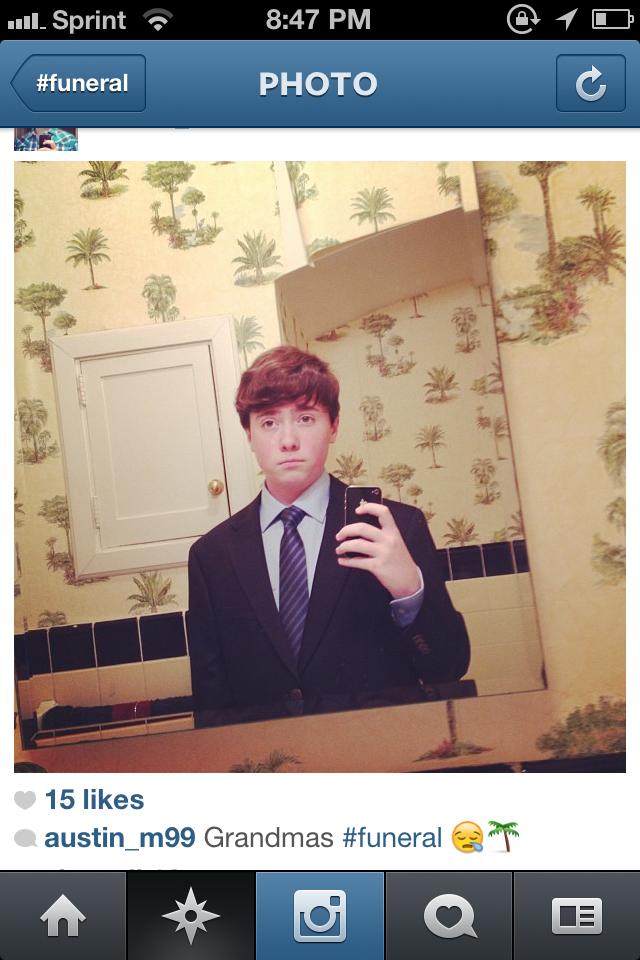
Teenage “Funeral Selfies” have been spamming the web — but what can they tell us about the generation taking them?There has been an overwhelming public reaction to the trending “Funeral Selfie” phenomenon, with criticism ranging from sympathetic to downright vehement. Just in case you’ve been living in hermitage for the past few weeks, the Funeral Selfie is pretty much what you’d imagine: a self-portrait taken (usually) by a teenager with a cell phone during…
/
Want an Easier Way to Plan a Memorial Event? Get our FREE guide
“7 Ways to Create an Amazing Celebration of Life”

