


How Can Families Save Money By Having A Home Funeral? (Interview)An interview with Shawnte Hardin, a funeral guide who helps families navigate the funeral process
Today SevenPonds speaks with Shawnte Hardin, a funeral guide based in Akron, Ohio. Through his company, Celebration of Life Memorial Chapels, he helps families save money throughout the funeral process. From the initial handling of their loved one’s body, to selecting a final resting place, Shawnte advises families about anything related to a home funeral,…

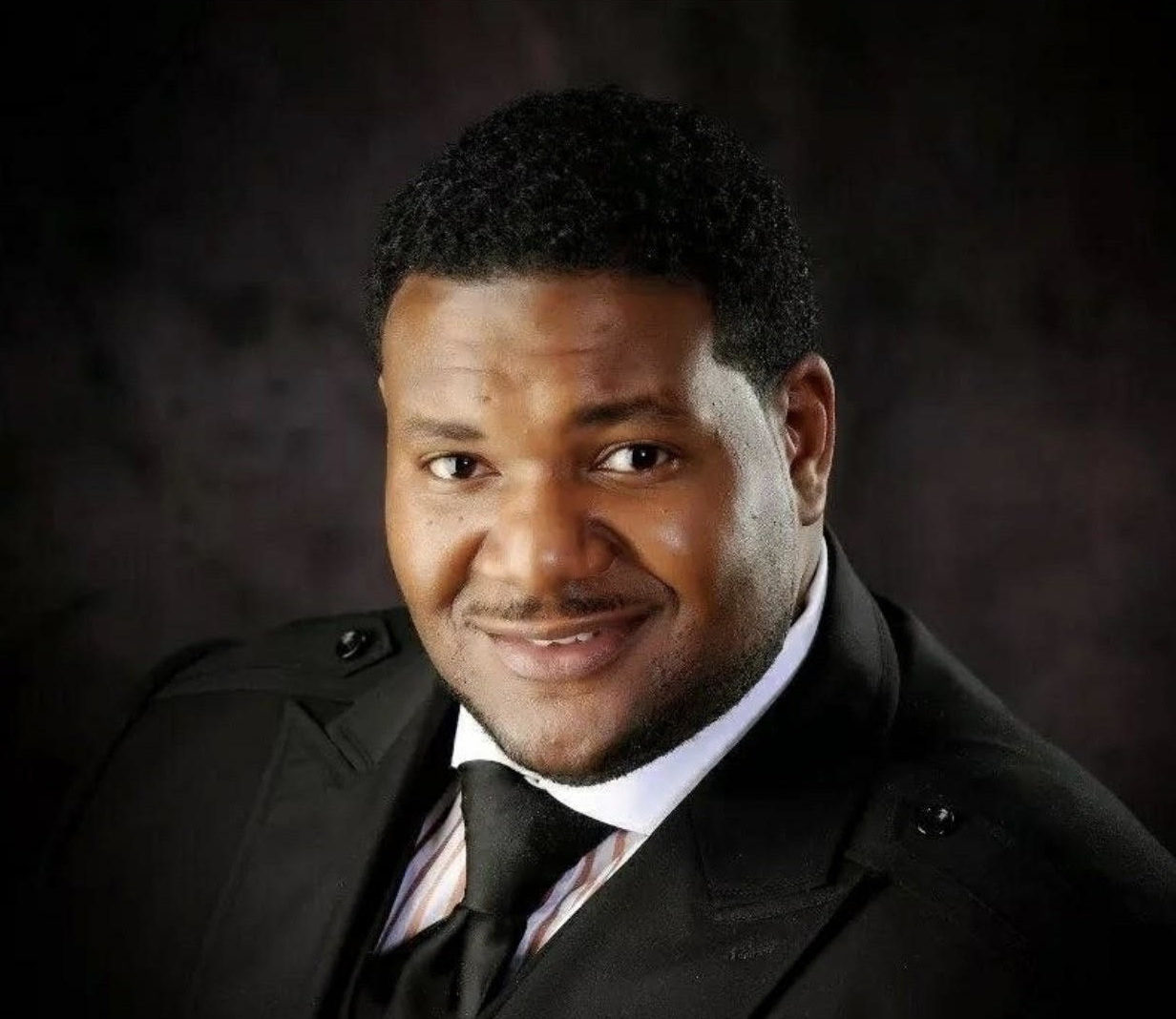
Today SevenPonds speaks with Shawnte Hardin, a funeral guide based in Akron, Ohio. Through his company, Celebration of Life Memorial Chapels, he helps families save money throughout the funeral process. From the initial handling of their loved one’s body, to selecting a final resting place, Shawnte advises families about anything related to a home funeral, e.g., a funeral without the help of a traditional funeral home.
Note: This interview has been edited for length and clarity.
Lucas Morgan: Hello Shawnte! Thank you so much for taking the time to speak with me. What exactly would you call yourself? Essentially, what is your job title?
Shawnte Hardin: Some titles that people have given me are Family Funeral Service Advisor and Family Planner, among others. But I would call myself a Funeral Professional or a Disposition Specialist. I’m not a licensed funeral director. Ultimately, my job is to get somebody’s loved one buried or get the body disposed of in a legal fashion.
Lucas: How did you initially become involved with the funeral industry?
Shawnte: When I was a young boy I was very intrigued by the industry. I was fascinated with hearses and limousines, and the whole concept of death. I was really into the mysterious side of it. I always wanted to know, “What happens in the back room?”
My first real experience with the funeral home industry was when I was 12 years old. A funeral director named J.W. Ross, a popular funeral director in Columbus, Ohio, at the time, had worked my cousin’s funeral. When I saw what he was doing, I decided I wanted to do that and wanted to pursue it.
I then called Mr. Ross about two weeks later and asked if I could work for him. He said, “Yes, you can.” Then he talked with my mother and told her to bring me in so I could learn about the business. And I’ve kind of been at it ever since.
Lucas: How did that initial learning process go? Were you essentially an apprentice?
Shawnte: I came in lock, stock and barrel. The first time I assisted him was directly after a person who had died had been autopsied, and the body was completely exposed. It was the first time I saw the inside of a human body. Seeing that at 12 years old was quite eye-opening, if I may say. But I was never bothered by it.
Following this I started to work with him in the embalming room. He had me help out at funerals, and I would help to dress the bodies, handle the caskets, etc. Then, as I became older and got a driver’s license, I started driving the limos and hearses and doing errands for the funeral home, among other things. From there I went on to work at a different funeral home as a hired hand.
Lucas: Why and when did you decide to start your own company, Celebration of Life Memorial Chapels?
Shawnte: When I was about 27 or 28 years old, I started to see what the funeral industry was doing to families. Suffice to say, what they were doing was not right, as far as pricing goes. For instance, they were charging families $8,000 to $9,000 for things that would maybe only cost the funeral home $1,000 to $2,000. I then started to think of ways we could change things in the industry to make it all cost less for families.
About four years ago I joined the Home Funeral Alliance, and I discovered that there were things that families could do for themselves. I then introduced this idea to people in my community. In doing so, many families became aware that they could save money by doing some things on their own. I decided to start doing this full-time, and we began our journey about three and a half to four years ago.
Lucas: What are some ways a home funeral differs from a “traditional” funeral, e.g. one organized by a funeral home?
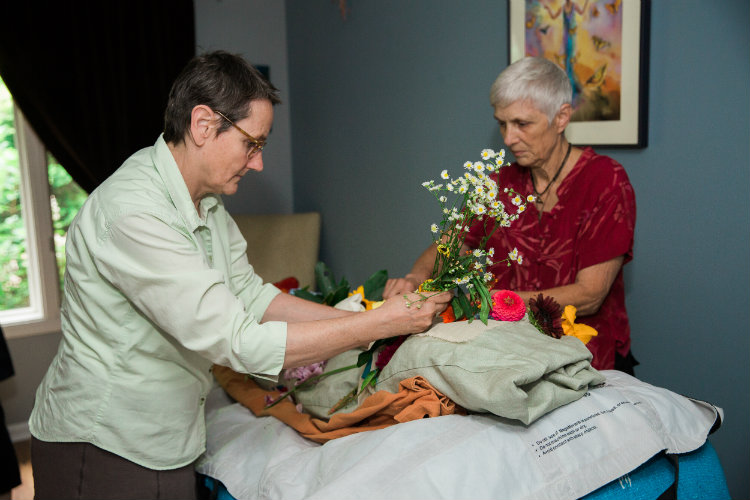
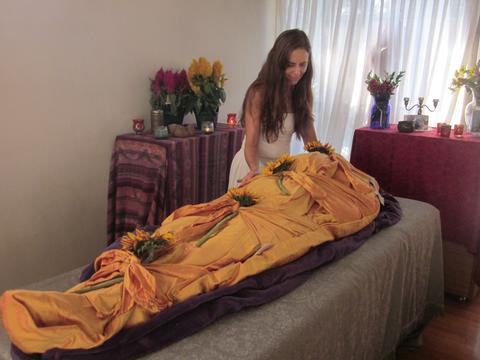
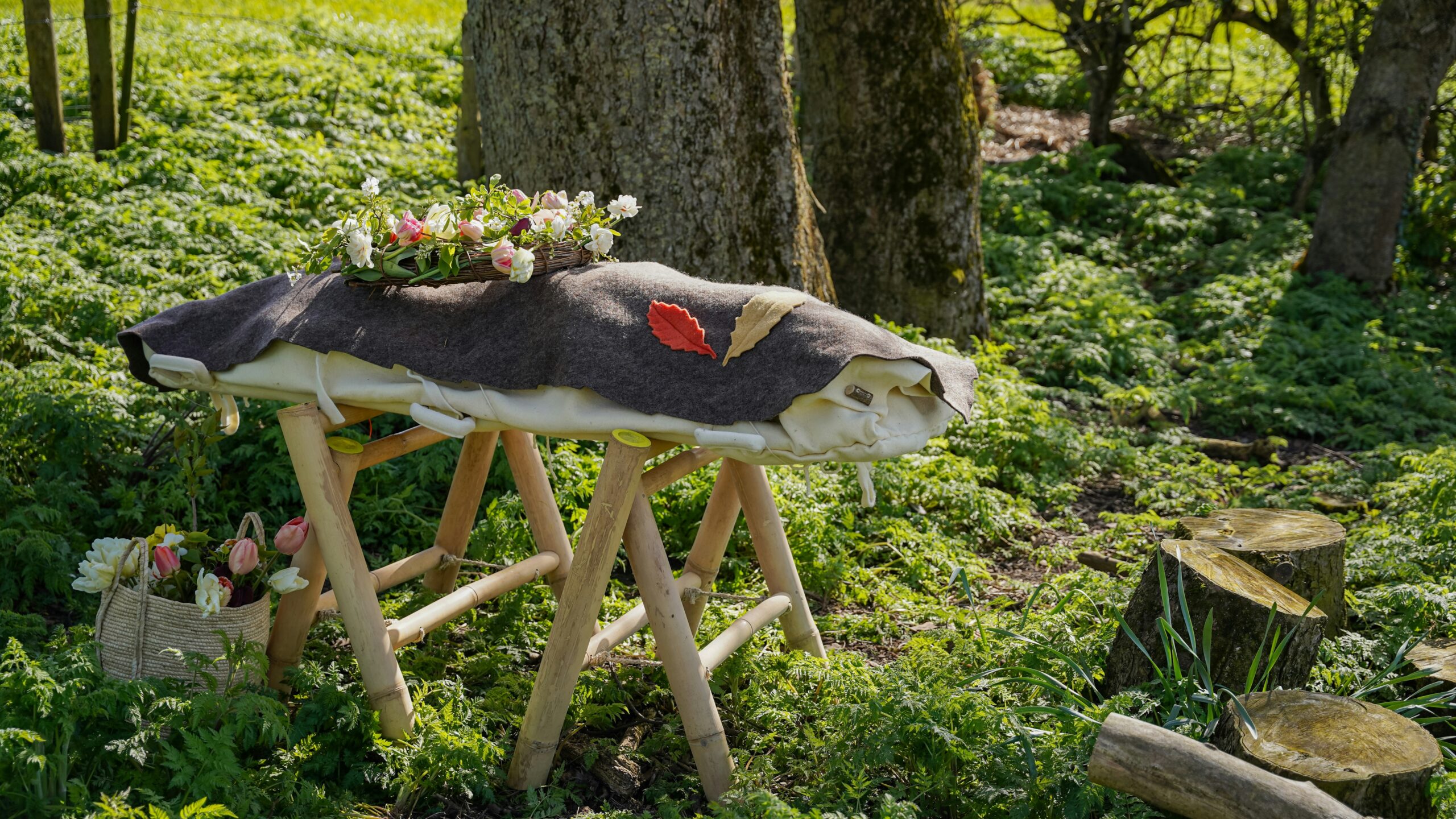
Shawnte: Families have a few different options. One method is to keep your loved one’s body in your home for the entire time [before burial or cremation]. We usually suggest keeping the body in the home for two to three days and to keep the body on ice. Then family members would come to wash the body, dress the body, do all those things themselves, keeping the body in the home the entire time. They can then lay their loved one in a bed, and family members and friends can come to pray, or do whatever it is they want to as far as remembering their loved one. The funeral itself can happen in the home, a church, a park, anywhere the family wants.
A family can also hire a funeral guide, like myself, to help them with whatever it is they need help with. Some people may want to do all the paperwork themselves, but would prefer to have a funeral director or guide embalm their loved one. A family may not want the body in their home. If so, they can arrange to have the funeral or service at their church, but do so without the help of a funeral home. A family can have a direct consultation with their local church. In Ohio and many other states, the family is allowed to transport their loved one’s body themselves, saving much money in the process. And funeral homes generally do not like that.
Lucas: How much money can people save by having a home funeral vs. a funeral organized by a funeral home?
Shawnte: The average funeral organized by a funeral home without a burial costs around $7,000 to $8,000. A home funeral on the other hand can cost anywhere from $500 to about $3,500, depending on the family’s choices. They may want limousines, programs, a preacher, etc. The average price of a home funeral is roughly $2,500, whereas a “traditional” funeral is around $7,000. And I find that usually with a home funeral, you can get the same services as you would if you went through a funeral home.
Lucas: So the price points vary so much because essentially when you go through a funeral home, everything is being done by a third party.
Shawnte: A funeral home is a for-profit business based upon the premise that they will help to bury or cremate a person’s body, and help throughout the entire process. Traditional funeral homes bank on the fact that people do not know the pertinent information themselves.
[Funeral homes] will come to pick up your loved one’s body and store them at the funeral home. This can cost anywhere from $1,200 to $5,000. They will also charge you to do the required paperwork, make the arrangements for the body, etc. Many people think that you have to use a funeral home for these services.
But families can do a lot of this themselves, which is where the home funeral side comes in. You can do the paperwork on your own, specifically you can take it to the doctor and the health department and save a good amount of money by doing so. You can call the casket company yourself and, most of the time, get the casket at a wholesale price, saving lots of money in the process.
A funeral home is basically just a company that you hire to do everything for you. By doing things on their own, families can save a lot of money.
Lucas Morgan: Do you go to peoples’ homes before a home funeral to check out the space, see if they have enough room, etc.?
Shawnte Hardin: Yes I will. A lot of times their loved one will die in a hospital or directly in the home. Families will then call me, and I will meet with them immediately if they’re in the area, if not that same day, then the next morning. I will help and consult with them on how to begin to prepare for their loved one’s cremation or burial service.
Lucas: I know that cremations are on the rise throughout the country. Would you agree with that?
Shawnte: I would absolutely agree with that. Cremations are definitely on the rise, and it’s become kind of a new way of doing things. And I’d say that roughly 75 to 80 percent of cremations are done because people cannot afford the cemeteries and cannot afford the services the funeral homes are offering them.
Lucas: Do people reach out to you specifically for home funerals? Or do they initially come to you for a traditional funeral, and then you let them know about home funerals, what your company does, etc?
Shawnte: Some people do come to me for traditional services. Many times I will get a call from someone who says, “We need a funeral home for mom,” or whomever. And I will have to let them know that we are not a traditional funeral home, but that we are a home funeral agency that can show families how to do funerals on their own, or at least certain aspects on their own, for much cheaper.
Lucas: You’ve mentioned some of this before, but what kinds of services do you offer?
Shawnte: There are many ways we can offer support for families. We will help them with caskets. We only offer them caskets at the price we would pay for them; we don’t make a profit from selling caskets. Sometimes we will broker with funeral homes to get the prices for everything way down. We can let a funeral home know that this is a home funeral situation and that we are going to help this family with a certain part, whether it be embalming, paperwork, etc. People will hear about me in the home funeral sense, but sometimes I will just help families throughout the “traditional” process to help keep their costs down.
We also help with transporting the body. A family can arrange for us to transport the body from the hospital or hospice center back to a family member’s home. Sometimes we’ll transport the body to a church; the family has the absolute right to have their loved one wherever they want to have them. We just suggest making sure the place is sanitary, and no one can have access to the body.
Lucas: Do you ever work with elderly or terminally ill people to help pre-plan their funerals?
Shawnte: I don’t typically pre-plan. I have had people call and ask me, “Can I make my arrangements beforehand?” From there I’ll tell them that we do have funeral directors who work with us, so I will refer them over to a licensed agent who can make those arrangements for them. If [the families] want to use the home funeral aspect to help keep prices low, then I will show them how. But I don’t typically make pre-arrangements with families.
Lucas: So you partner with numerous organizations then?
Shawnte: Yes, we partner with many organizations.
Lucas: How can you customize a home funeral to make it feel more personalized?
Shawnte: I also deal with the service aspect. That’s where “Celebration of Life Memorial Chapels” comes in. Because we are talking about planning the celebration part and making the event come to life for the families. I do it by listening to families, by paying attention to every detail and all the things they want, and we make it happen. Whether they want the funeral in a hall, at their church or in a park. I’m not just worried about getting their loved ones in a casket or cremated.
Lucas: Do you ever attend the funerals you’ve helped to organize?
Shawnte: Yes, as many as I can. Because you want to make sure that things are running smoothly. You want to be able to help the families cope with grief. If something is going on with the body, particularly if it has not been embalmed, you want to be able to show the families how to handle it and get the body back to the best shape possible. So I am on-hand for families all the time and attend services with them.
Lucas: When, after their loved one has died, do families reach out to you? Then how long do you generally work with the family for the funeral itself?
Shawnte: I’ve had families reach out to me before and after their loved one has died. It always comes down to word of mouth. People will have a loved one pass away and they’ll go to a funeral home and realize, “Wow, we can’t afford this.” And somehow, they will find my information from someone and they’ll call me.
Regarding how long I work with families, it depends on how “experienced” the family is. If need be I will work with a family from beginning to end. More experienced families may only need my help for one day. Others, I’ll be with them for the entire process whether it be three days, four, a week, etc. Some families will have family members coming in from out of town. In these instances, we may suggest that the body is embalmed at a funeral home if it will be many days before burial or cremation.
Lucas: What is the legality of home funerals? Obviously it’s legal in Ohio, but what about throughout the country?
Shawnte: Home funerals are totally legal in 40 states. The other 10 states require a funeral director to sign off on paperwork, among other things.
Lucas: Do you work with people from across the country? If so, how do they find out about you?
Shawnte: Since I’m listed on the Home Funeral Alliance website, I have worked with people from Colorado, Florida, Mississippi, New York; all sorts of places. I also have a Facebook page dedicated to home funerals. I’ve just kind of become known. I have people that call me every day from all over the country asking how they can pursue the disposition of their family members at a low cost.
I act essentially as a consultant. I will explain to them how to get the disposition processed. Sometimes I will get the paperwork from a different state and show the family how to fill it out. I can also assist in finalizing the disposition of their loved one. The ability to consult with someone face-to-face via telephone and computer makes the process relatively simple.
Lucas: I’d heard that you were involved in a court case regarding your business, home funerals, etc. What was that all about?
Shawnte: It all began when I started to introduce the idea of home funerals to my community, and people became aware that they could save money by avoiding costly funeral home services. There were changes that needed to be made, and still need to be made, regarding regulations, laws and rules for families so they can better handle the disposition of their loved ones.
One day at work a couple families called me saying they needed help handling funeral services at a much lower rate than they were being offered by a funeral home. Within an hour and a half I received three phone calls from three separate families, all phoning from the same funeral home. It was a total coincidence; the families did not know each other. I told them I could help and, long story short, the funeral director there tried to sue me. He tried to say that I was running a renegade funeral home business. But in no way, shape or form is it illegal. He was unaware of the disposition laws in Ohio himself. It backfired on him, and he lost in court.
Lucas: Do you have any advice or tips for somebody who has recently lost a loved one?
Shawnte: In terms of the funeral service side, I encourage them to shop around before they make a final decision about where they want their loved one to go. I encourage them to think about taking care of their loved one themselves before they make the absolute decision about having to use a funeral home. I suggest using a website or a person in their area to help them through the process. Check out the things you can do for yourself.
Some people have a lot of money and they don’t mind spending a lot of money on funeral home services, and that’s OK. But there are a lot of families who just don’t have the resources and need as much help as they can get. That’s where myself and people like me come in to play.
Lucas: Thank you so much Shawnte for taking the time out to talk with me! I’ve learned a lot regarding the home funeral world; I didn’t really know much before our conversation.
Shawnte: Thank you so much, I appreciate everything! It was great talking with you.



-

I just wondered about the statement “Some people may want to do all the paperwork themselves, but would prefer to have a funeral director or guide embalm their loved one.” Home Funeral Guides don’t do embalming — only trained morticians can do so (and a funeral director may be so trained, but HFGs are not).
-
This blog post from SevenPonds provides a valuable and practical guide on how families can save money through home funerals. The article offers insightful tips and considerations for those seeking a more cost-effective approach to saying goodbye to their loved ones.
By exploring the benefits of home funerals and providing step-by-step guidance, SevenPonds empowers families to make informed decisions during a time that can be financially overwhelming. This blog post serves as an empowering resource, showing that a home funeral can be a heartfelt and meaningful alternative, even while being budget-conscious.
Thank you, SevenPonds, for offering this comprehensive guide and enabling families to create personalized and affordable farewells for their departed loved ones, without compromising on the beauty and significance of the final tribute.
-
Home funerals can give families more choice in how they say goodbye while also easing the financial burden. It’s a meaningful reminder that a deeply personal farewell doesn’t have to be an expensive one.
-
So true. Having more control over the farewell can allow families to create something intimate and meaningful that reflects their loved one, rather than feeling pressured by cost or tradition.
-








Leave a Reply