


How Can Senior Move Managers Assist in Later-Life Transitions? (Interview)
In this interview, SevenPonds speaks with Jill Kearney, founder and CEO of Senior Moves By Design in Allentown, Pennsylvania. Since founding the company in 2009, Jill has assisted more than 800 senior clients to make “joyful transitions.” She enjoys traveling, spending time with her two daughters, her mother and her dogs, and advocating for elephants.…

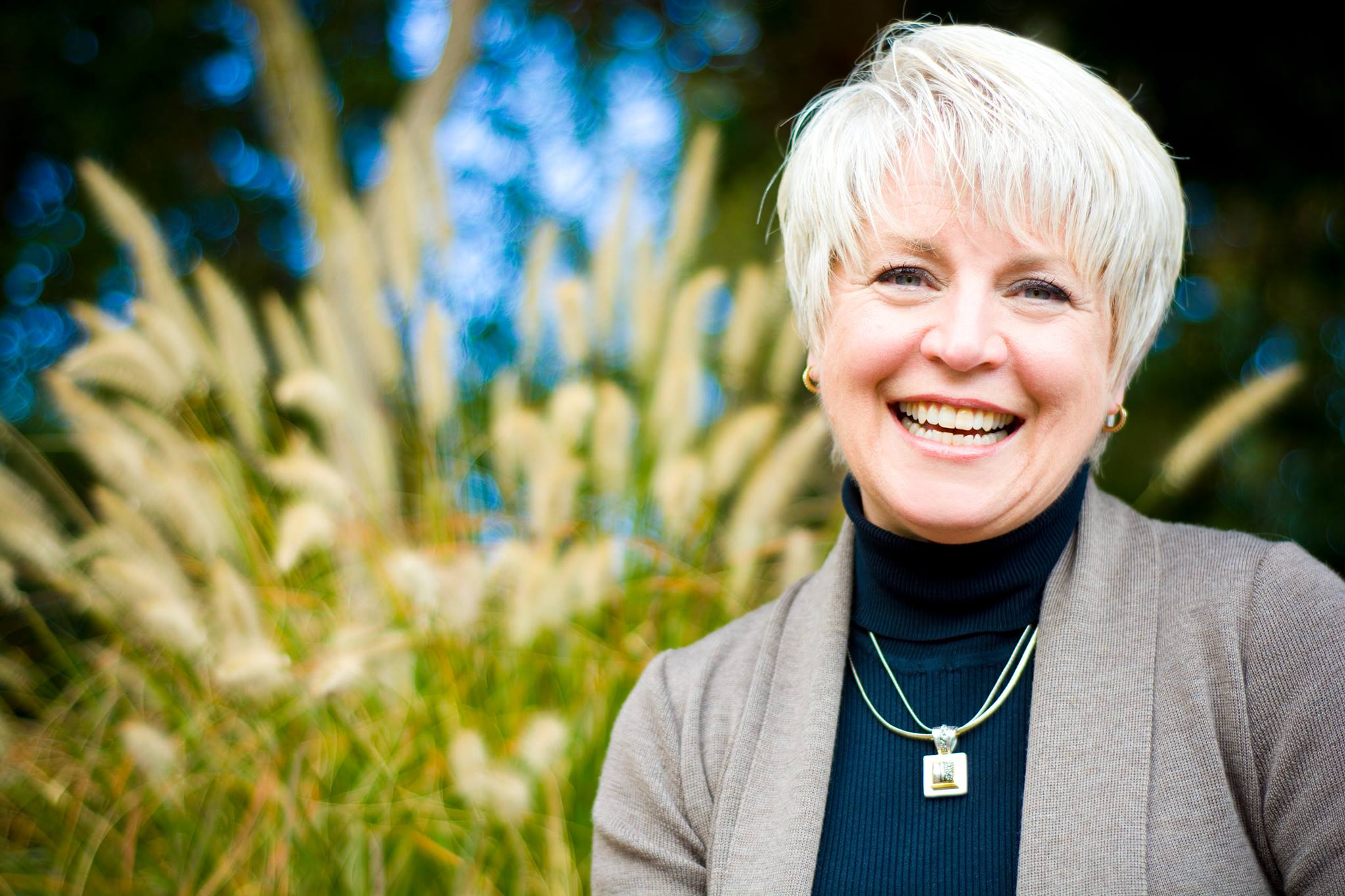
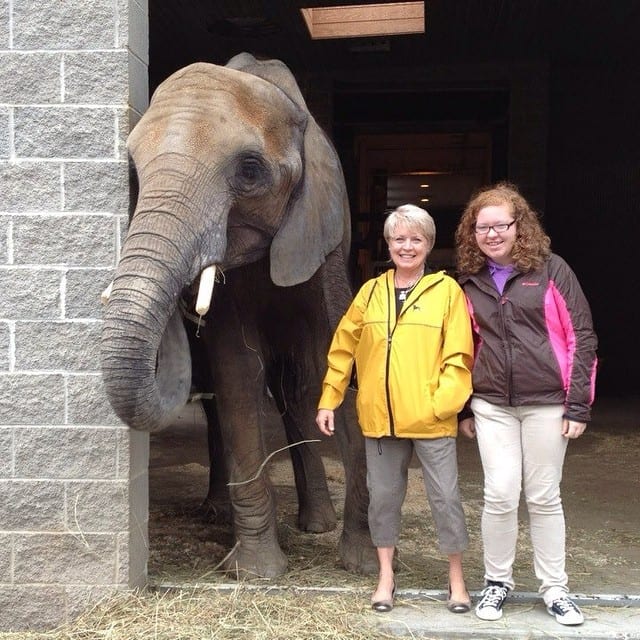
In this interview, SevenPonds speaks with Jill Kearney, founder and CEO of Senior Moves By Design in Allentown, Pennsylvania. Since founding the company in 2009, Jill has assisted more than 800 senior clients to make “joyful transitions.” She enjoys traveling, spending time with her two daughters, her mother and her dogs, and advocating for elephants. Jill, who’s serving her second term on the board of the National Association of Senior Move Managers (NASMM), is also writing her first book.
Editor’s note: This interview has been edited for length and clarity.
Rachel Jones: What inspired you to found Senior Moves By Design?
Jill Kearney: I was staging homes when the real estate market crashed in 2008. I was a single mom with two daughters, and it was a really bad time for a staging business. So I prayed about it, and one day I was speaking at a conference in Phoenix when a woman there encouraged me to work with seniors — she really dogged me. So finally, I had this moment with God where I said, “Listen, if I’m supposed to do this, you need to drive the ship.” I didn’t grow up with grandparents or many older people in my life, and I didn’t know where to start. So I said, “Here’s the deal, if it works I’ll give you the credit, and if it doesn’t work I’m coming after you.” And that day the phone rang, and we had our first client. Then it rang three more days in a row. Now, I have 23 people on my team, and I’m doing a lot of educational talks. So it’s kind of taken on its own life, and this girl who grew up without grandparents is finding that this niche is really special.
Rachel: You aim to provide people with a “joyful transition.” What does that mean?
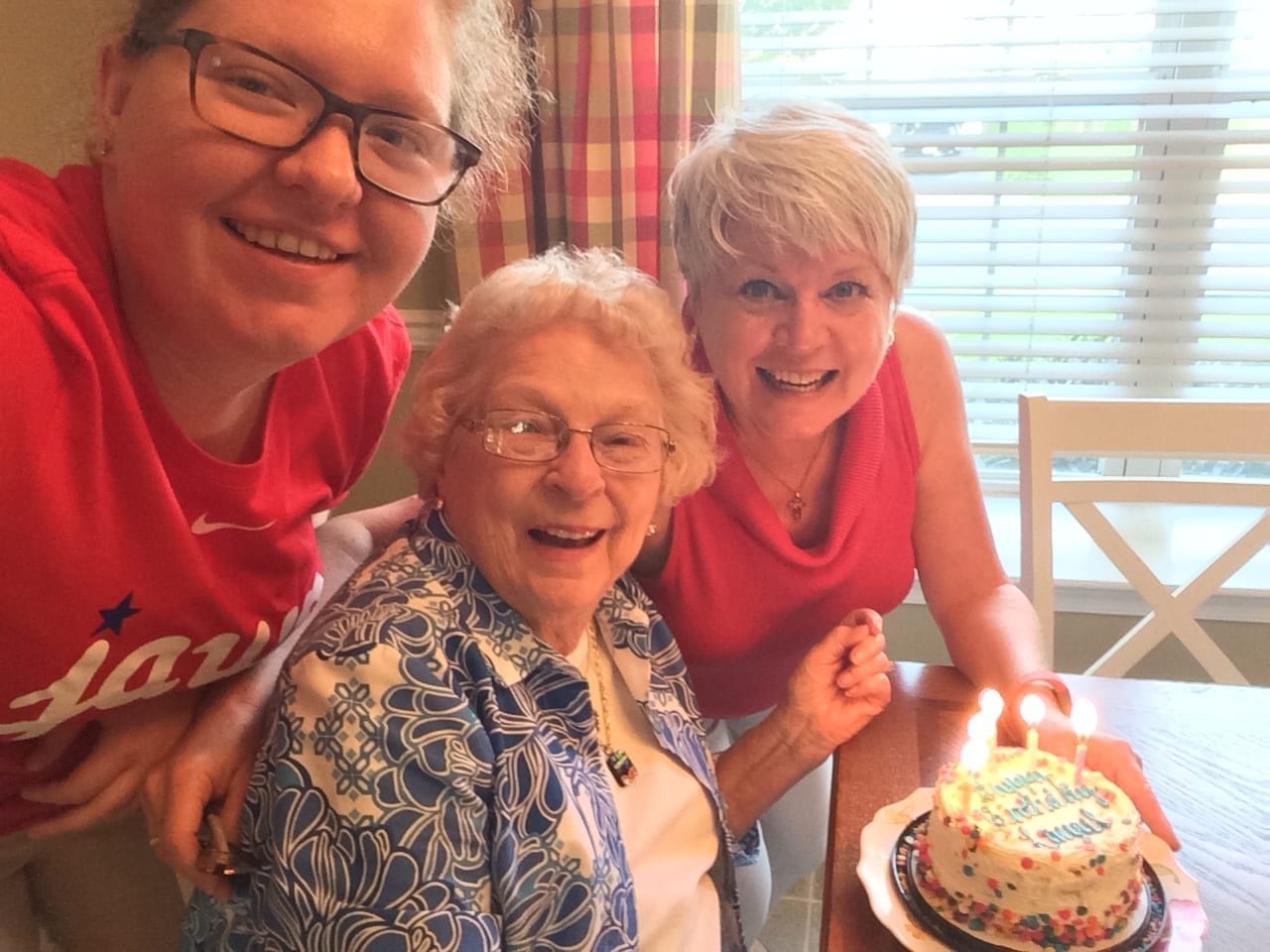
Jill: I’ve moved seven times as an adult – every time, my mom was there to help me. We did it together, and we had fun. She’s nearly 91, and has been widowed about nine years; the last time was when we moved her up from Florida to be closer to me. When I thought about starting this business I thought, “Hey, moving is fun” – only to find that nobody else thinks that way. So I tried to break it down: What made our moves so joyful? Part of it is attitude. The second part is having clear processes that make it run smoothly. ( I used to work in corporate process management.) But what really makes the biggest difference is that we love our clients through the process. We provide the caring and attention to detail that helps the human being get through the process while we’re getting their stuff through the process.
Rachel: What percentage of your clients would you say are downsizing, and what are some of the challenges as well as the positive aspects?
Jill: I would say that 99.5 percent are downsizing. There are lots of studies showing that unloading volumes of stuff from our lives makes it more joyful. People use the words “downsizing” and “decluttering” interchangeably, but to me, there’s a difference. You declutter when you have items that are still useful, but there are more of them than necessary. With downsizing, you have more space than you need or things that aren’t being used. Maybe you have a house with four bedrooms but you only need one. Maybe everyone uses the family room, but you have a formal living room — I like to call it the museum living room. If you take all the places in your current home that you actually use and lop off the other ones, that’s downsizing.
People always ask, “What can I keep?” Their second question is, “What do I do with everything that’s left over?” That tends to be the single biggest issue. It’s not that they love everything that’s in their house, but they don’t want it to go into a dumpster. And so they freeze up, do nothing, and stay in a house that doesn’t work.
Rachel: When you’re working with people to downsize, how do you help them decide what to keep and what to let go?
Jill: I coach people to find their favorites. Nobody, not even people high on a hoarding scale, loves everything that’s in their house. And so I talk to them about identifying those things that provide joy or have an important memory or function. That’s a very fast way of taking a 3,000-square-foot house and figuring out what will fit in a 1,000-square-foot house.
Then we look at space planning. Some folks know exactly where they’re going, so we do large-scale floor plans. That takes 80 percent of the pressure off because they can visualize where things will go. Our company has liquidation managers who can come in and determine what might be appropriate for auction, or what should be donated. That leaves us free to talk about the smaller items and pack them up. We bring in the movers, and then we unpack and set everything up in one day – meaning that beds are made, TVs and computers are working, and artwork is hung on the walls.
Rachel: Are friends and family members ever involved in senior moves? Is there ever a difference between what your client wants and what family members want?
Jill: We do a lot of unofficial marriage and family counseling during senior moves. I always assume that if a family member is being difficult, it’s not because they’re trying to be. We’ll often ask them, “What part would you like to do?” And sometimes they’ll say, “I don’t want any part in this,” and we’ll suggest that they come at the end of the move day. Sometimes kids have said forever that mom’s stuff is junk – “I’m so glad you’re getting rid of this junk.” So we’ll coach them to acknowledge that some things are treasures. We’re highly efficient but very kind, and it calms everybody down. There have been times when they’re stepping on every last nerve that I have, and I’ve had to walk out the front door and take some deep breaths. But in the end, what we’re doing is not brain surgery — nobody’s going to die if we make a mistake. And people come up to us afterward and say, “Wow, we couldn’t have done this without you.” That’s what gets our team coming back – it’s just wonderful when you’ve really touched someone that way.
Rachel Jones: Welcome back, Jill. Last week, you mentioned that some senior moves are prompted by the loss of a spouse. Other people are moving into senior living facilities against their will. How do you help people through transitions they don’t want?
Jill Kearney: Everyone gets a free one-hour consultation in their homes, and that gives us a chance to find out their reason for moving. It also lets them decide if they like us. What we do is massively invasive — we see cupboards and drawers that their kids may never see — so trust is vitally important. Most often the client is moving themselves — even when they’re in their 80s or 90s — and they’ll tell us, “It’s a beautiful place but I don’t really want to go.” That’s when I’ll say, “Let’s just sit down and talk. Tell me what’s going on.” And they’ll say, “Well, I lost my husband six months ago.” Often, they’ve found that alone, they can’t carry the groceries up the stairs. Or they can’t drive the car. The yard is too big. All of a sudden, they’re not only grieving their spouse, but they’re also grieving the loss of a lifestyle. So we’ll ask them what it is they’re looking forward to, and help them to focus on that. Maybe they have friends there. Other times, people have been preparing for years and can’t wait to go.
Rachel: I understand that you also help people to age in place. What kind of things do you do to make that happen?
Jill: It’s the same process, we just don’t use a moving truck. We look at the house and say, what are the things you love that function properly, and what are the spaces that don’t work? Sometimes it’s possible to bring a bedroom down to the first floor, or take a small bathroom and add a shower so people don’t have to use the stairs. You can get stair glides, or widen doorways for a wheelchair. But mostly, it’s stuff that’s in the way. When someone needs care, the hospital’s discharge staff will say, “We can’t fit a hospital bed in here.” And while Medicare and Medicaid will pay for nursing care if you’re really sick, most people are on personal care, which is really expensive. If you can stay at home and just have people come for short periods of time, it’s much more affordable than a care home. Sometimes, you can put furniture in storage so that the person doesn’t feel like they’re lying in the foyer, and then that person feels honored in the process.

Rachel: It seems like part of it is knowing what the choices are because maybe some people in that situation wouldn’t even know that was an option.
Jill: You know, we recently made contact with three different people working in hospital discharge. And when they found out what we do, they were amazed, because no one was saying, “Can’t you just move the furniture?”
I think we’re on the verge of a major crisis because there are all these people aging. Ten thousand Americans are turning 65 every day. That’s 3.6 million a year, and it’s going to go on for another decade. And I think it’s important to spread the word that there are some inexpensive solutions to what could be a massively expensive problem. If someone’s being discharged and needs care, we need to ask: “Why can’t they go home? What would make it OK to go home?” There are going to be millions of people who need this, and it’s something we need to start talking about.
Rachel: When should people start considering how they want to live out their later years?
Jill: Yesterday is not too soon, and today is a good time to start. I have a dear friend who’s 58, and her husband is in nursing care for early-onset dementia. Did she ever, in her wildest dreams, expect that? No. She’s got two kids who are still in high school.
We don’t know what tomorrow holds. And I’ve told people: You can wait until the last minute and start sorting through a whole lifetime of stuff, and while we can help you get through it, it’s going to be faster than you’d probably like. I also encourage people not to damage their legacy with their family by leaving them with a houseful of belongings. The last thing they’re going to remember is the terrible burden you put on them, and the fighting that it sometimes causes among family members, and the stress it causes for spouses. So, you should start today.

Rachel: What would you say to people who are feeling overwhelmed by the prospect of going through their stuff and have trouble asking for help?
Jill: If you’ve got friends or children who are willing to go through things with you, you can save a lot of money and make decisions early. There are some women at my church who made a pact to help each other so that automatically makes it more fun. Sometimes spouses are not the best to work with. There’s usually a collector and a tolerater — the tolerater is ready to pull the dumpster out front and the collector gets annoyed. So doing it with people you like and trust, and who aren’t going to willy-nilly toss things in the garbage, is a good way to start.
Rachel: You do a lot of speaking these days. Is there a particular subject that people are hungry for, and do you feel that this is becoming more of widespread discussion?
Jill: I used to get a dozen people at a talk, and now, it’s more like 45 to 90. I think the two biggest topics are the one on decluttering and downsizing, and the one that discusses, “Where do we go?” We talk about taking a yearlong vacation, getting an RV or visiting relatives across the country. There’s even a whole movement of women cohabitating with other women. So really, we need to get past this idea that people move directly from their family home to their final home. There are lots of creative ways for people to live out their later years.
May We Suggest:
 Why is Death Midwifery Important? (Interview)
 What to Say to a Friend Whose Spouse Has Dementia
 How Can Families Save Money By Having A Home Funeral? (Interview)






Leave a Reply