Don’t Sweat It: Why Does Stress Cause Heart Attacks?
Scientists find link between chronic stress, white blood cells and death by heart attack
Constant stress can sour a person’s life in many respects: their disposition, sense of fulfillment and health all take a turn for the worse. But what’s the explanation of the relationship between stress and the time of our death? There’s no shortage of health problems caused by stress – including heart attacks – and we…
Mary Frances Knapp
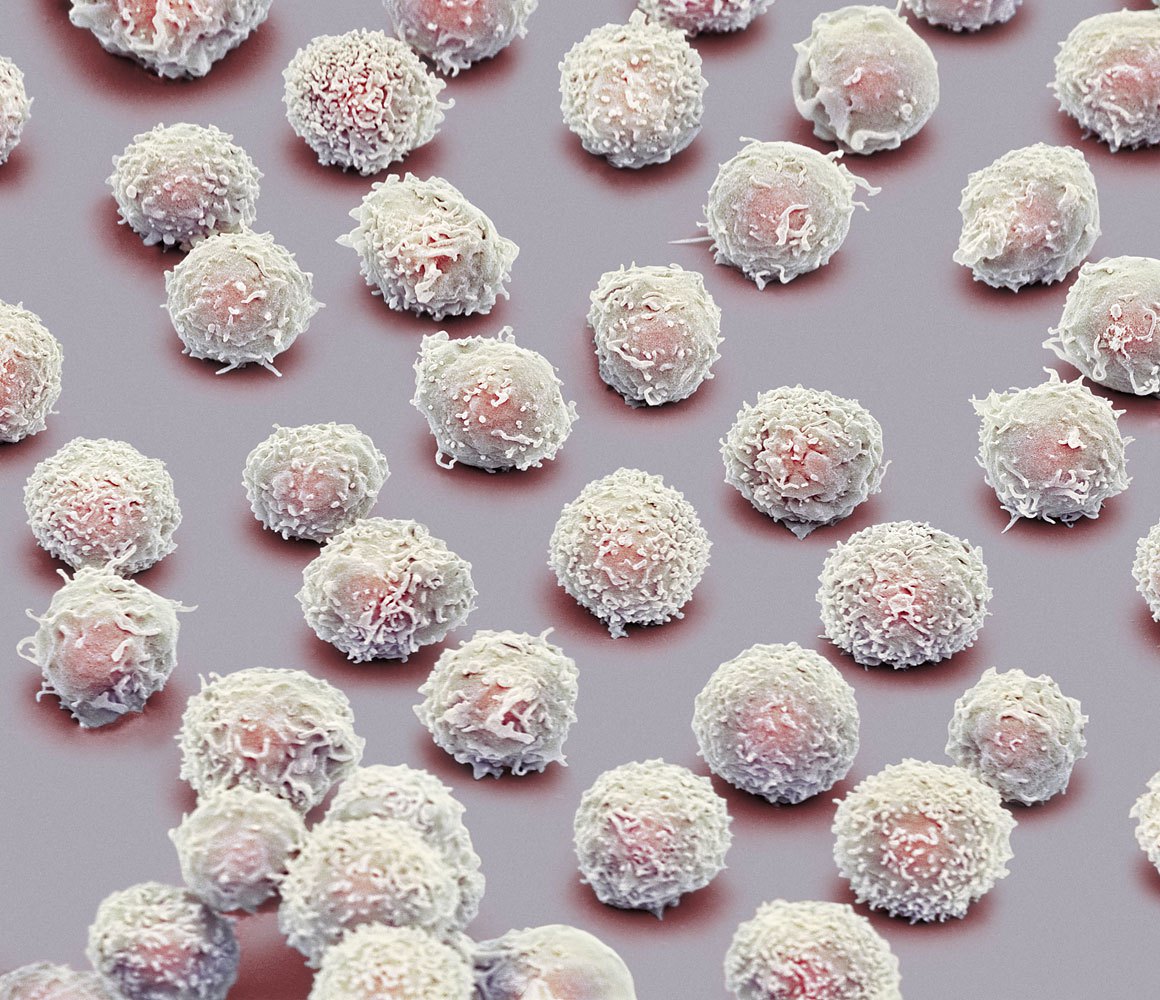
White blood cells. (credit: TIME)
Constant stress can sour a person’s life in many respects: their disposition, sense of fulfillment and health all take a turn for the worse. But what’s the explanation of the relationship between stress and the time of our death? There’s no shortage of health problems caused by stress – including heart attacks – and we know we should be conscious of how we treat ourselves to avoid them. But how can the physical sensation of stress induce as much harm on the heart as, say, a lifetime of Big Macs?
Columbia University’s Dr. Alan Tall. (credit: wucenter.columbia.edu)
“But how can the physical sensation of stress induce as much harm on the heart as, say, a lifetime of Big Macs?”
The Harvard Medical School released the results of a study in which they identified the link between chronic stress and hearts attacks by studying 29 medical residents of the hospital’s intensive care unit. The culprit? White blood cells.
It’s a surprising find. Beginning in middle school biology, we’re taught that white blood cells are basically the chevaliers of the bloodstream. They combat bacteria and prevent otherwise deadly infections.
It’s a surprising find, as we’re taught that white blood cells are basically the chevaliers of the bloodstream, combatting bacteria and preventing deadly infections.”
Credit: Harvard Gazette
But, according to Harvard’s Matthias Nahrendorf, too many of the cells “in the wrong place” can become harmful. Being under immense stress creates an excess of white blood cells that cling to artery walls, restricting blood flow and causing blood clots. “[This] exact mechanism has not been clear in the past,” explains Columbia University’s Dr. Alan Tall, who is excited to understand more about the precise link between stress and heart attacks. “It’s the first step in the creation of a new drug to prevent cardiovascular disease,” says biologist Lynn Hedrick of the La Jolla Institute for Allergy and Immunology in San Diego, California, “This gives us a direct hint [of what is] important [to] regulate. If we can develop a drug that targets the receptor, this may be very clinically relevant.”






 New Research Links Aging Cells and the Process of Regeneration
 Young Blood and Anti-Aging
 Free Online Heart Age Test Determines Cardiovascular Age






Leave a Reply