


New Study Suggests Night Owls Have Higher Risk of Early MortalityPeople who stay awake late at night have 10 percent higher risk of dying sooner than early risers
It appears the classic adage “the early bird gets the worm” may be beneficial for our health, not just for seizing the day. A new study finds that night owls (people who stay up late into the night and have trouble waking up early) have a 10 percent higher chance of dying sooner than their…

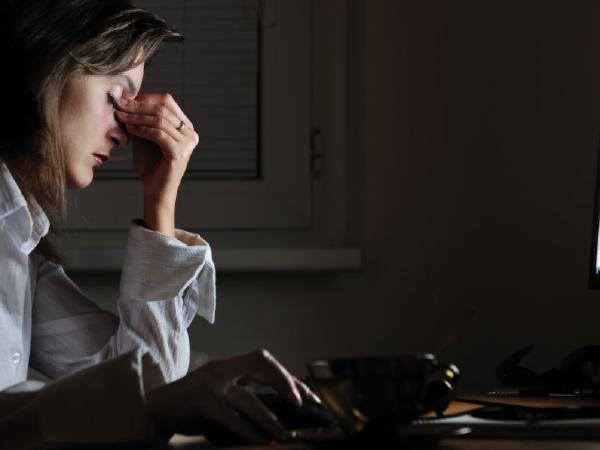
It appears the classic adage “the early bird gets the worm” may be beneficial for our health, not just for seizing the day. A new study finds that night owls (people who stay up late into the night and have trouble waking up early) have a 10 percent higher chance of dying sooner than their “lark” (people who go to bed and wake up early) counterparts.
The joint study from Northwestern University Medicine and the University of Surrey in the U.K. is the first to suggest that proverbial night owls have a higher chance of early mortality than their early-rising counterparts.
According to the report, numerous studies have shown that people who prefer staying up late have higher morbidity levels. They also tend to have higher rates of cardiovascular disease (CVD) and metabolic dysfunction. The study’s authors wanted to test the hypothesis that being an evening person also increases chances of mortality.
The study included over 433,000 people from the UK Biobank Study. Participants ranged in age from 38 to 73 during enrollment, with an average follow-up of six and a half years.
Researchers determined participants’ chronotype — if they are a “morning” or “evening” person — by asking if they consider themselves to be one of the following: definite morning type, moderate morning type, moderate evening type or definite evening type.
The researchers then followed up to track comorbidity, all-cause mortality and mortality due to CVD. They acquired mortality info from the National Health Service (NHS) for England and Wales and the NHS Central Register in Scotland. Death certificate details were obtained from the UK Biobank. Comorbidities were based on participants’ self-reports.
Results
The study suggests that night owls (particularly those who identified as definite evening type) are more likely to suffer from a wide variety of diseases. These include diabetes, psychological, neurological, respiratory and gastrointestinal/abdominal disorders.
“Increased eveningness” was significantly associated with a higher risk of all-cause mortality over the six and a half-year follow-up period. In the study sample, 50,000 people were more likely to die in that period.
The researchers attempted to account for why increased eveningness would lead to higher morbidity and mortality. They list a few possibilities gleaned from previous studies related to differing chronotypes and morbidity.
Night owls tend to have unhealthier diets compared to larks, usually with higher proportions of fat intake. They also have higher prevalence of type 2 diabetes. People with later chronotypes also experience higher levels of depression and mood disorders, as well as greater likelihood to consume both legal and illegal psychoactive substances.

“It could be that people who are up late have an internal biological clock that doesn’t match their external environment,” said co-lead author Kristen Knutson, associate professor of neurology at Northwestern University Feinberg School of Medicine. “It could be psychological stress, eating at the wrong time for their body, not exercising enough, not sleeping enough, being awake at night by yourself, maybe drug or alcohol use. There are a whole variety of unhealthy behaviors related to being up late in the dark by yourself.”
How To Address The Issue
The study mentions how chronotype is influenced by both genetic and environmental factors. If society came to accept this idea, perhaps the well-being of night owls could be addressed.
One way to tackle the issue of morbidity and mortality related to later chronotypes is to adjust work schedules to meet the needs of night owls.
“If we can recognize these chronotypes are, in part, genetically determined and not just a character flaw,” Knutson said, “jobs and work hours could have more flexibility for owls. They shouldn’t be forced to get up for an 8 a.m. shift. Make work shifts match peoples’ chronotypes. Some people may be better suited to night shifts.”
Light therapy could also have a changing influence on night owls. Exposure to light earlier in the day is better for the circadian rhythm than late at night. Regular bedtimes, healthy lifestyle behaviors and doing things earlier in the day could also all be beneficial for night owls.
The study calls for more research on the physiological consequences of eveningness and the seeming increase in mortality.
“Understanding the link between chronotype and mortality could lead to the development of additional behavioural strategies to mitigate risk associated with being an evening type,” they write.
It’s obvious that getting enough sleep is paramount for our health. Now it seems that when we go to sleep, not just for how long, is also vital to our well-being.
May We Suggest:
 New Study Suggests Health Risks After Divorce, Separation Could Contribute to Early Death
 New Study Suggests Excessively High or Low BMI Linked to Higher Risk Of Dying
 Maternal Mortality Rates Rise in the US



Leave a Reply