


Stanford Medicine Scientists Discover One Way to Possibly Predict MortalityPeople with “young brains” outlive “old-brained” peers
One of the latest studies exploring longevity and the science of aging has led to a Stanford-based team of researchers developing a blood-based indicator of the age of our organs. “With this indicator, we can assess the age of an organ today and predict the odds of your getting a disease associated with that organ…

One of the latest studies exploring longevity and the science of aging has led to a Stanford-based team of researchers developing a blood-based indicator of the age of our organs.
“With this indicator, we can assess the age of an organ today and predict the odds of your getting a disease associated with that organ 10 years later,” Tony Wyss-Coray, PhD, professor of neurology and neurological sciences at the Wu Tsai Neurosciences Institute and senior author of the study, told the Stanford Medicine News Center.
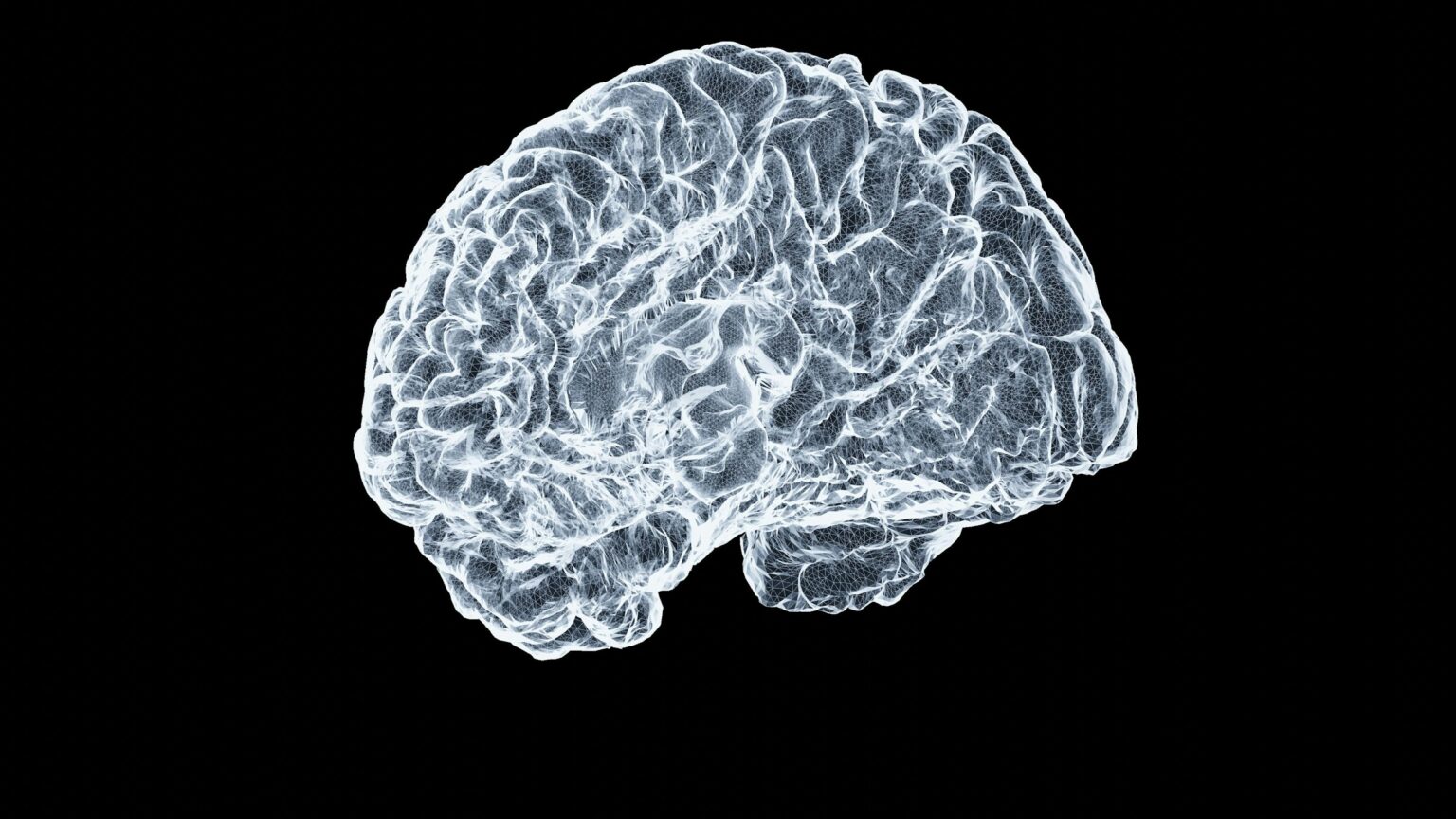
The study, published in Nature Medicine July of 2025, goes on to show that the biological age of one organ, the brain, plays a considerable role in predicting how long you have left to live.
Their Study Methods, and Results
In November of 2003, the United Kingdom developed the UK Biobank, a massive scientific data collection agency that follows the lives of over 600,000 volunteers “to learn who falls ill and why, so scientists around the world can create better ways to diagnose, prevent and treat diseases for everyone, everywhere,” according to their website.
The research team at Stanford, led by Wyss-Coray, zeroed in on 44,498 randomly selected participants from the UK Biobank, and the 17 years of health records provided through that database. They then counted the amounts of nearly 3,000 proteins in each participant’s blood, of which approximately 15% of these proteins can be traced to single-organ origins.
Building upon a previous study, the team introduced machine learning models to determine the average levels of each of those organ-specific proteins in their subjects’ blood, adjusted for age. From this, they were able to generate an algorithm that found how much the protein “signature” for each organ being assessed differed from the overall average for people of that age.
The algorithm was then able to assign a biological age to each of the 11 organs or organ systems assessed for each subject, and it measured how far each organ’s “age” deviated in either direction from the average for people of the same chronological age. (You can read a brief explanation of the difference between biological age and chronological age, here.)
As the Stanford Medicine News Center explains, one-third of the individuals in the study had at least one organ with a significant deviation from the average, which the researchers designated as “extremely aged” or “extremely youthful.”
Once researchers determined the relative ages of each participants’ organs, they used their custom algorithm to predict people’s future health based on those findings. “Wyss-Coray and his colleagues checked for associations between extremely aged organs and any of 15 different disorders including Alzheimer’s and Parkinson’ s diseases, chronic liver or kidney disease, Type 2 diabetes, two different heart conditions and two different lung diseases, rheumatoid arthritis and osteoarthritis, and more, “ the Stanford Medical News article summarized.
Unsurprisingly, the strongest associations were between an individual’s biologically aged organ and the chance that this individual would develop a disease associated with that organ. For example, having an extremely aged heart was found to increase the person’s risk of developing atrial fibrillation or heart failure.
Additionally, the researchers found that organ age estimates were “sensitive” to “modificable lifestyle choices.” In other words, they were able to show that smoking, alcohol, and processed foods led to age acceleration across several organs, and vigorous exercise and healthy diets were associated with more youthful organs.
The Impact of Aging on the Brain and Mortality
The connections between an individual’s brain age and whether or not that person developed any brain-related disorders was particularly strong. The most surprising findings, according to Wyss-Coray, was that brain age was also the best single predictor of overall mortality.
“Having an extremely aged brain increased subjects’ risk of dying by 182% over a roughly 15-year period, while individuals with extremely youthful brains had an overall 40% reduction in their risk of dying over the same duration,” the study reported.
Wyss-Coray and his team hypothesize that this could further support the notion that the brain may be a central regulator of lifespan in humans, similar to findings in previous animal models (performed on worms, flies, and mice.) Furthermore, they were able to show that individuals with aged brains had increased risk for diseases in other organ systems, including Chronic Obstructive Pulmonary Disease (COPD) and heart failure, which aligns with previous studies showing that the brain regulates systemic inflammation.
The Potential Significance of Their Findings
Death will inevitably come to us all, but the advances in biological understanding over the last few decades have given us a foundation for understanding why we age and die. Once we know the reasons and processes behind aging, researchers can start to come up with ways to do something about them. Medical practitioners may eventually, for example, be able to use approximate organ ages to intervene and treat/prevent impending diseases before the onset of outward symptoms, when there’s still time to arrest its progression.
Wyss-Coray hopes that his research will be, ideally, the future of medicine. As he told Stanford Medicine News, “Today, you go to the doctor because something aches, and they take a look to see what’s broken. We’re trying to shift from sick care to health care and intervene before people get organ-specific disease.”
May We Suggest:
 When Death Brings Life: Organ Donation Explained (Interview)
 Young Blood and Anti-Aging
 Should You Consider Organ Donation? (Interview)






Leave a Reply