


Is ‘Green Cremation’ Misleading? The Debate Over Alkaline Hydrolysis (Interview)Former Bereavement Authority of Ontario CEO Carey Smith explains why he believes funeral providers should not market alkaline hydrolysis as “green cremation” or “bio-cremation.”
Carey Smith is the former CEO and registrar of the Bereavement Authority of Ontario (BAO), the provincial regulator that oversees virtually every aspect of how Ontarians are cared for after they die. The BAO is a relatively young institution. It was established on Jan. 16, 2016, as an amalgamation of two older bodies: the Board…

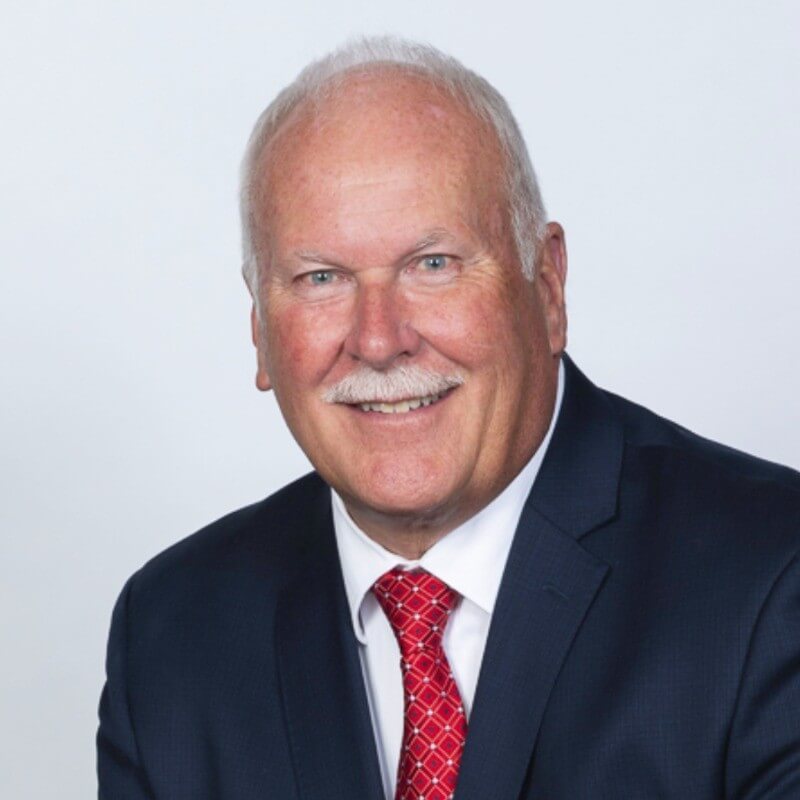
Carey Smith is the former CEO and registrar of the Bereavement Authority of Ontario (BAO), the provincial regulator that oversees virtually every aspect of how Ontarians are cared for after they die.
The BAO is a relatively young institution. It was established on Jan. 16, 2016, as an amalgamation of two older bodies: the Board of Funeral Services and the province’s Cemeteries Regulation Unit. Although it operates on behalf of Ontario’s Ministry of Public and Business Service Delivery, it is not itself a government entity, but rather a non-profit corporation funded by licensee fees rather than tax dollars.
In practice, the BAO licenses and inspects operators, sets educational requirements for funeral directors, investigates complaints, and publishes consumer guidance aimed at helping the public navigate deathcare purchases.
When Ontario funeral homes started offering alkaline hydrolysis as a final disposition option in 2017, Carey Smith found that what funeral homes were marketing about the process differed significantly from what the process actually entailed. Alkaline hydrolysis, also sometimes called “bio-cremation”, “resomation, and “water cremation,” uses water, alkaline chemicals, heat, and pressure to accelerate the body’s natural decomposition, leaving behind bones and the resulting liquid. He has some professional insight on why certain labels like “green” and “eco-friendly” attributed to hydrolysis may not be telling the full story of what actually happens to loved ones’ remains in this process.
This interview has been edited for length and clarity.
What were your responsibilities at your former position at the Bereavement Authority of the Province of Ontario, Canada?
The Bereavement Authority was the regulator of deathcare, funeral homes, cemeteries, and crematoriums. My job as registrar was to control licensing and regulatory processes for these industries.
My understanding is that you have an issue with the funeral industry marketing alkaline hydrolysis as things like “green cremation,” “bio-cremation,” or “aquamation.” Why?
I don’t have an issue with alkaline hydrolysis itself, but how it is often marketed. When the process was first invented, the Bereavement Authority was not yet established. Alkaline hydrolysis was approved without the process itself being thoroughly investigated, and initially, no rules were established for licensing. They looked at it as another form of cremation. We had a lot of questions about it, as existing legislation for flame-based cremation did not apply to alkaline hydrolysis — the processes are very different.
With alkaline hydrolysis, the body is immersed in a chemical solution (potassium hydroxide) and heated to around 150 degrees Celsius (320 °F) to liquefy the tissue. This liquid is discharged into the sewer system until there are only skeletal remains. There were lots of aspects to explore about this process.: Who regulates these pressure chambers? What happens if something goes wrong, such as chamber explosions? I had other questions involving the remains, as well: What happens to the body inside when the machine fails for any reason? What happens to any pathogens from the body that may remain in the water solution — are they destroyed before they enter the public water supply? We took plenty of time and had consultants examine the entire process to ensure these questions were answered.
In the early days of alkaline hydrolysis, the brochures called it things like: “water cremation,”’ “bio cremation,” or “green cremation.” A lot of the advertising would be beautiful shots of rainforests or nature, while text described it as “gentle,” comparing it to a babbling brook or a hot water bath. I objected to this marketing in particular, as the actual process is very different than what is described in marketing.
There were also a lot of unverified or misleading claims being used as marketing materials to educate the public on their final disposition options for themselves and their loved ones. On what specific basis were funeral homes marketing the process as eco-friendly? Vague terms can be confusing.
We also didn’t want alkaline hydrolysis (or any final disposition method) to have marketing materials that criticized other final disposition methods, either. For example, some marketing materials would state that flame-based cremation wasn’t eco-friendly, but alkaline hydrolysis was. Now, you can say anything in marketing as long as it is true and verifiable, but it’s important not to disparage other disposition methods to do so. Some cultures are restricted in what disposition forms they use. In Ontario, there is also a large preference for flame-based cremation. When people are deciding these final disposition methods, they are often under a lot of stress or emotional circumstances. Don’t disparage or say one method is better than the other, especially under false claims or unsubstantiated “eco-friendly” terms.
When you’re advertising alkaline hydrolysis, forget about flame-based cremation and focus on how the process differs from other methods. You can say that the process doesn’t use flame or doesn’t burn fossil fuels, but avoid unsubstantiated claims. Instead of vague claims of environmental friendliness, it is more informative and transparent to provide specific facts about the process itself. Many funeral homes have very minimal carbon emissions already, and presenting alkaline hydrolysis as the superior method can be misleading.
Funeral homes should get business by being honest and transparent! I’d have some funeral homes ask things like, “Why can’t I say this is mostly water?” and I’d always point out things like, “Beer is mostly water as well.” Another popular marketing point was that the chemical used (potassium hydroxide) is also found in cosmetics, but I’d also want them to note the other side of that — it’s also found in dangerous substances like chemical drain cleaner. I just want the process described truthfully and accurately.
Did you receive any customer or client feedback regarding this matter? For instance, did you notice a particular public response to selecting “green” or “bio” cremation and then discovering the reality afterward?
I didn’t get much public feedback about the marketing or process due to how new alkaline hydrolysis was. There were only three to four alkaline hydrolysis operators in Ontario at the time, so regulations were very new. Since then, more regulations and insight into the process have emerged, and it seems they haven’t negatively impacted anything so far. Since the public has access to the internet, people can view the actual scientific process and what it entails. I wanted funeral directors in Ontario to provide transparency about the process, as there is a clause to explain what the process involves to the public. Funeral directors needed to mention that the bones are dried and pulverized after alkaline hydrolysis takes place, and these are the “ashes” that are returned to the public. I don’t believe this information negatively impacted the industry at the time, however.
Here in the United States, our Cremation Association of North America (CANA) includes alkaline hydrolysis in the organization and recognizes it as a form of cremation. Do you have any background on why this is?
I don’t have any idea as to why this would be, other than laws and regulations. How they are created vary significantly between different countries, even between or within Canada and the US.
What do you believe is causing the funeral industry to mislead the public about this?
I do believe they are trying to attribute positive aspects to the process. After all, describing alkaline hydrolysis for what it is has somewhat of an “ick” factor. My whole interest was to make sure both consumers and funeral homes were protected when this new method was introduced. Some funeral directors thanked us for the regulations we helped implement, as some experienced machine failures that led to explosions and could have endangered many, including themselves and their staff. They could have died if they were not aware of the risks and safety precautions when operating the hydrolysis equipment.
Where do you see these misleading terms headed in the future?
Each state and country is separate in terms of the rules and regulations they pass about disposition methods like alkaline hydrolysis. Additional regulations of alkaline hydrolysis may continue to be developed, depending on the location. With more regulatory oversight, there is more transparency that can reduce misleading terms about the process.
What do you believe the public should ask or know when deciding for themselves?
It’s important to ask what is actually involved with each and every process they’re considering, including alkaline hydrolysis or flame-based cremation. You will always want to ask specifically how remains are handled. For example, in flame-based cremation, no one handles the remains directly. With alkaline hydrolysis, however, remains are handled directly. In Ontario, a licensed funeral director is required to do the alkaline hydrolysis process because of this, but flame-based cremations don’t require a licensed funeral director. The processes are very different, and consumers should know the difference between them and not rely solely on marketing materials.
The public should also be aware of the chemicals that are added to the water supply during alkaline hydrolysis, especially if environmental concerns are their priority when choosing this method. I wanted funeral operators in Ontario to be more specific and clarify the process for consumers. The public should know that remains are immersed in chemicals, combined with heat, pressure, and agitation — it isn’t just water.
Can you offer a tip or two for our readers when choosing alkaline hydrolysis?
It’s perfectly valid to choose alkaline hydrolysis; maybe you have an aversion to flame or traditional burial, for example. However, you should be informed about the realities of each process before making a decision.
If “green” or “eco-friendly” options are what you’re after, it’s important to know what all of your options are, and what your goals are in terms of “green” final disposition methods. It’s worthwhile to note that there are some options, such as natural burial (without embalming), that can offer a “clean” final disposition. There are also newer disposition options emerging, like human composting, that are being offered and regulated in more locations these days. These specifically are two options that have no chemical involvement whatsoever.
May We Suggest:
 What Is Alkaline Hydrolysis? (Interview)
 The New Immortality: Shifting Attitudes About Death, Our Bodies and the Environment
 Are Funeral Homes a Dying Breed?
-

This interview raises an important point about transparency in end-of-life choices. Families deserve clear, factual information about what each disposition method actually involves, not simply reassuring labels, so they can make decisions that genuinely reflect their values and priorities.
-
I agree. At such an emotional time, families should be able to trust that the information they receive is clear and complete. Understanding exactly what each option entails allows people to choose with confidence rather than being influenced by appealing terminology.
-






Leave a Reply