

What Is Cremation?
July 9th, 2025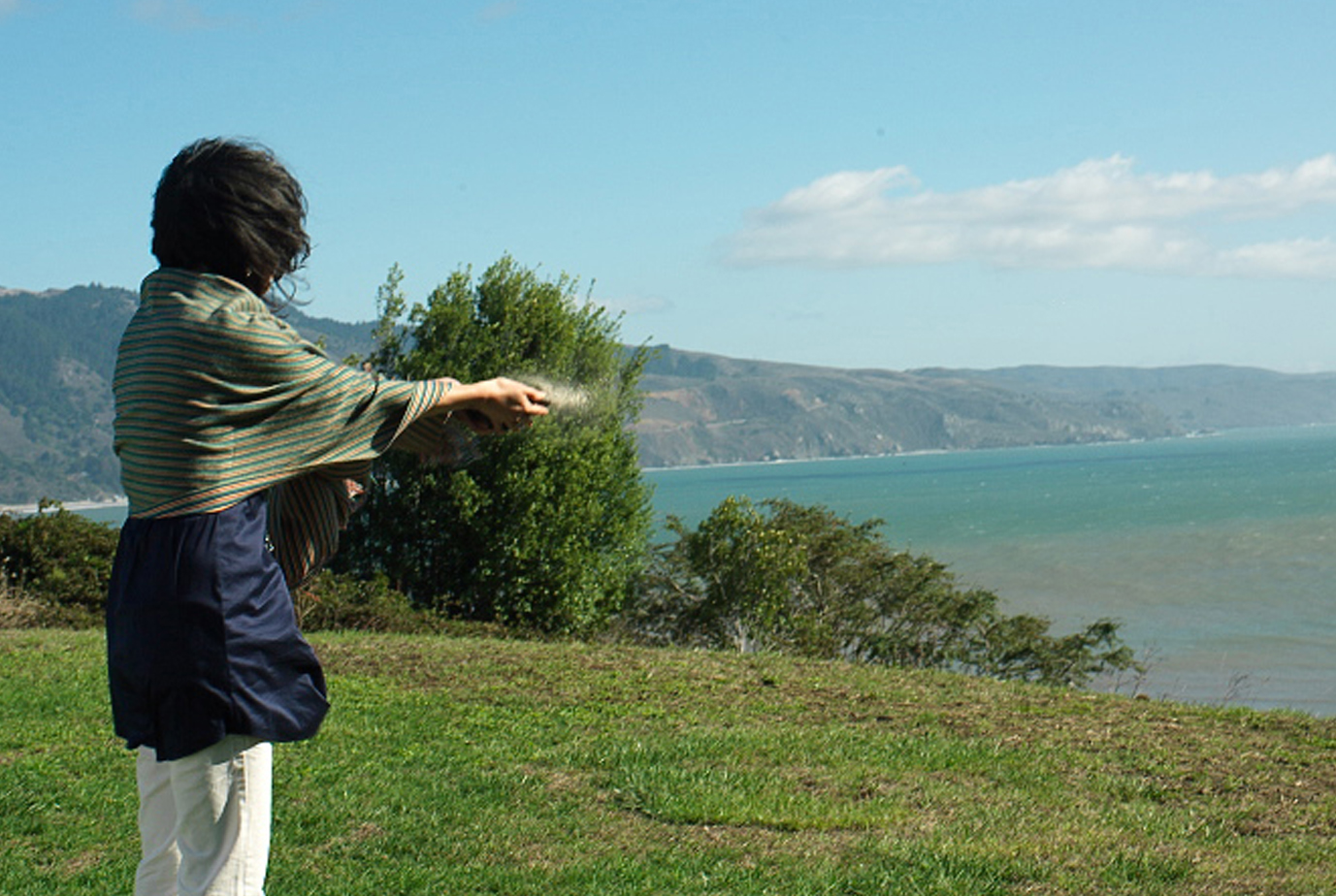
According to Webster, cremation is the process of reducing a human body to “ashes” by burning. In recent years, however, the Cremation Association of North America has introduced a revised definition, which states that cremation is any “mechanical, thermal or other dissolution process that reduces human remains to bone fragments.” This definition includes both flame-based cremation and alkaline hydrolysis, which is also known as biocremation.
With that being said, SevenPonds believes that the term cremation appropriately refers only to the process of disposing of a body by fire. Therefore, the information in this section will refer to flame-based cremation unless expressly stated otherwise. If you would like to know more about the process of alkaline hydrolysis, please visit our topic, “Alternatives to Burial and Cremation,” to learn more.
Jump ahead to these answers:
The Cremation Process
In a typical cremation of human remains, the body of the deceased arrives at the crematory in a rental casket or cremation container, which may consist of cardboard, particleboard, or unfinished wood. A finished wood casket may also be suitable if it is combustible and the materials are non-toxic when burned. If the body is in a rented casket, the crematory staff will transfer it to a combustible container before it is put in the cremation chamber (also known as a retort).
During cremation, the retort is superheated to about 1,400 to 1,800 degrees Fahrenheit and carefully monitored until the body is consumed. From beginning to end, this process will usually take about 2 hours for an adult and as little as 30 minutes for an infant. When the cremation is over, all that remains in the retort is bone fragments and any non-consumed metal objects, such as handles and screws from the coffin, dental fillings and surgical implants. Pacemakers and implantable electronic defibrillators are removed before cremation.
Next, the bone fragments and metal objects are removed from the retort and allowed to cool. After cooling, crematory staff remove any metal fragments using powerful magnets and, in some cases, by hand. Then the bone fragments are pulverized in a cremulator machine, yielding about 3 to 7 pounds of ashes. You can request that the crematory staff omit this step if you wish.
The ashes are then placed in a sturdy plastic bag and transferred to either an urn selected by the family or a temporary container provided by the crematory. Typically, the temporary container is a simple cardboard box.
Benefits of Cremation
Cremation has been gaining popularity throughout North America since the early 20th century, increasing from just over 30% of all deaths to nearly 61.8% in 2024. This is partly due to a shift from elaborate, “traditional” funerals to a more straightforward way of caring for the dead. A more mobile society has also played a role: As more and more people leave their hometowns searching for new opportunities, the importance of local cemeteries and family burial plots has declined.
Cremation is also viewed by many as a more environmentally friendly form of disposition than in-ground burial, which is quite resource-intensive when one factors in land use. Cremation has a smaller, albeit not negligible, environmental impact: Experts estimate that cremations in the U.S. account for about 360,000 metric tons of carbon emissions yearly. But while that seems like a large number, it is only a tiny fraction of the over 5 million tons of carbon dioxide emissions produced annually in the U.S. The impact of mercury emissions from burned dental fillings — once a considerable concern — has been largely eliminated by the use of scrubbers and filters used by modern crematories.
With that being said, most industry experts agree that by far, the single most influential factor in the shift from burial to cremation is cost. According to data from the U.S. Bureau of Labor Statistics, funeral costs in the U.S. increased 227% between 1986 and 2017 while the cost of caskets rose 222%, far outpacing the inflation rate. Today, the average funeral with a viewing and burial costs about $9700, while a cremation with a viewing costs about $6500. Direct cremation, which eliminates the funeral home and the price of a casket and embalming, can be purchased for between $1500 and $3000 in many parts of the U.S. As many Americans are dealing with the effects of stagnant wages and increasing prices of consumer goods, cremation is becoming a more sensible financial choice.
What to Do With Cremation Ashes
Once your loved ones have retrieved your cremation ashes from the crematory, they can handle them in various ways. If you have a preference about what you would like done with them, it’s a good idea to communicate this information to your next of kin or durable power of attorney for healthcare, both verbally and in an advance directive or legal will.
As cremation has evolved into the most popular form of final disposition in North America, many innovative ways of laying cremation ashes to rest BURIED have emerged. Among these include :
- Ash Scattering – Many people choose to have their ashes scattered during a memorial ceremony or celebration of life. Ash scatterings can take place almost anywhere, although the legality of doing so will depend on the location you choose. State and national parks generally have few restrictions but smaller municipalities may be stricter about where ash scattering can occur. The Environmental Protection Agency enforces some rules regarding ash scattering over the ocean. For example, the minimal distance from shore at which scattering at sea can occur is three nautical miles. Additionally, any ash scattering at sea must be reported to the EPA within 30 days. Privately owned locations, such as golf courses (a surprisingly popular choice) and sports stadiums, may or may not allow the scattering of ashes, so always check in advance.
- Storing Cremation Ashes – Although many families scatter their loved one’s ashes, others choose to display them in an ornamental urn in the family home. Urns can be simple or elaborate, and prices vary greatly, so it’s wise to shop around a bit. Generally, you will find lower prices at an online retailer than at a crematory or funeral home.
If you have more than one family member or loved one who would like a portion of the ashes, you can also purchase small keepsake urns that will hold a small amount of ashes (usually about 1-2 ounces) so that everyone can keep their loved one close. Cremation jewelry, such as lockets that hold a tiny amount of cremation ashes, is also a popular choice.
Still another option for storing ashes is to place them in a columbarium – a room or building, usually found in a cemetery, specifically for the interment of cremation ashes. Derived from the Latin word “columba,” which means doves, columbariums contain many individual niches, much like those found in dovecotes. Niches can be indoors or outdoors and are large enough to hold a single urn. Depending on the location, they can range from about $750 to several thousand dollars in price.
- Burying Cremation Ashes – Although burying cremation ashes is a less popular choice among American families than scattering or storing them, it is legal to bury ashes on private property you own. If you choose this route, it’s best to choose a biodegradable urn made of sustainable materials rather than an urn made of metal, which will not degrade for many years. Burying ashes at sea is also an option. In this case, choose a biodegradable urn explicitly made to dissolve in water over a short period of time. Members of the Roman Catholic faith may also bury their loved one’s ashes in a consecrated cemetery as this is the preference of Church leadership.
In summary, cremation is a popular means of final disposition in the U.S. and Canada, largely due to its environmental and economic benefits compared to in-ground burial. Cremation also affords much more flexibility than full-body burial and is viewed by many as a simpler and more personal way of disposing of our dead.
- Add how much cremation ashes a family will receive from the funeral provider.
Sources
“Cremate”. Merriam-Webster. https://www.merriam-webster.com/dictionary/cremate
“Cremation Process”. Cremation Association of North America. https://www.cremationassociation.org/cremationprocess.html
“CO2 Emissions by Country”. Worldometer. https://www.worldometers.info/co2-emissions/co2-emissions-by-country/
“The rising cost of dying, 1986–2017”. Bureau of Labor Statistics. https://www.bls.gov/opub/ted/2017/the-rising-cost-of-dying-1986-2017.htm