

Dementia Diagnosis & Prognosis
Jump ahead to these answers:
- How Do People Die From Dementia?
- Is Dementia Irreversible?
- How Is Dementia Diagnosed?
- What Are Some Early Signs of Dementia?
How Do People Die From Dementia?
July 8th, 2025People with dementia tend to die from dementia-related complications versus the diagnosis itself. Although the World Health Organization lists dementia as the seventh leading cause of death among all diseases, experts estimate that number may be much higher. This is because the cause of death for those with dementia is often attributed to another medical condition or acute illness. Pneumonia, bacterial infection, and organ failure are often noted as the primary cause of death for those who die with dementia.
Infection is the leading cause of death among people with dementia. National Institutes of Health research suggests that amyloid protein and the ApoE4 gene linked to Alzheimer’s disease can damage the blood-brain barrier. This allows for viruses and bacteria to more easily infiltrate the brain tissue. Coupled with inflammation and a weakened immune system, the effects are often life-threatening to those with dementia.
Most of these medical complications are associated with end stages of the disease. An inability to swallow food or liquids can cause either of them to enter the windpipe rather than the esophagus. This can cause infection in the lungs ultimately leading to aspiration pneumonia. End stages of dementia may include other barriers to a hearty immune system including an inability to sit up or move around, increased rate of bed sores, frailty, blood clots, loss of bowel and bladder functions, and increased sleep.
Comorbidities or chronic conditions like heart disease, hypertension, diabetes, or chronic respiratory disease can also cause medical complications or death for those with end stage dementia. NIH also reports that acute organ dysfunction and severe sepsis is a common cause of death among hospitalized patients with dementia although the underlying mechanism is not fully understood.
Sources
“Dementia”. World Health Organization. https://www.who.int/news-room/fact-sheets/detail/dementia
“Systemic inflammation, blood-brain barrier vulnerability and cognitive/non-cognitive symptoms in Alzheimer disease: relevance to pathogenesis and therapy”. National Library of Medicine.https://pmc.ncbi.nlm.nih.gov/articles/PMC4114193/
“Aspiration”. WebMD.https://www.webmd.com/lung/what-is-aspiration
“The impact of dementia on hospital outcomes for elderly patients with sepsis: A population-based study”. PLOS One. https://pmc.ncbi.nlm.nih.gov/articles/PMC6380589/
Is Dementia Irreversible?
July 8th, 2025Most forms of dementia are caused by irreversible changes in the brain, such as the accumulation of amyloid and tau proteins that are found in people with Alzheimer’s disease. The condition typically develops slowly, and most individuals will have periods when their symptoms subside for a time. But, despite a number of treatment options that may slow disease progression somewhat, the general trajectory is one of steady cognitive decline.
With that being said, some forms of dementia are temporary and treatable. For example, thyroid disease can cause symptoms of dementia, but they typically go away once the underlying cause is addressed. Vitamin B12 deficiency can also cause dementia, especially in the elderly. This is most often the result of an underlying disorder known as pernicious anemia, in which the body is unable to absorb vitamin B12 from food. When people with pernicious anemia are given adequate vitamin B12 supplements, either by injection, nasal gel or pills, the symptoms of dementia will usually disappear.
Symptoms of dementia may also be a reaction to certain drugs. This is especially true in the elderly, whose bodies are less able to metabolize medicines, which then build up quickly in the blood. Some medications that may cause dementia even when taken as directed include the following:
- Antidepressants
- Antihistamines
- Benzodiazepines (used to treat anxiety or insomnia)
- Medications to treat Parkinson’s disease
- Steroids
- Narcotics
- Sedatives
- Some cardiovascular drugs
- Cancer therapy, especially chemotherapy (this is commonly called “chemo brain”)
In the case of drug reactions, stopping the medicine will usually allow symptoms to subside. However, the effects of some drugs, particularly cancer chemotherapy, can persist for some time.
Another form of “dementia” that is at least partially reversible is associated with chronic alcohol use. Known as alcohol-related brain damage or, in some cases, Korsokov’s syndrome, this type of dementia can be slowed or reversed if the person stops drinking alcohol.
Sources
“Vitamin B12–Deficiency Anemia”. National Heart, Lung, and Blood Institute.https://www.nhlbi.nih.gov/health/anemia/vitamin-b12-deficiency-anemia
“Korsakoff’s Syndrome”. Johns Hopkins Medicine.https://www.hopkinsmedicine.org/neurology-neurosurgery/specialty-areas/memory-disorders/korsakoffs-syndrome
How Is Dementia Diagnosed?
July 8th, 2025Doctors diagnose dementia and Alzheimer’s disease through a series of steps that include a thorough medical evaluation, tests to assess mental status and mood, imaging of the brain, and laboratory tests. According to Stanford Health Care, the evaluation usually includes the following:
- A thorough medical history, including a review of past illnesses, current symptoms, medication use, diet and alcohol use. The doctor may also ask about any family history of Alzheimer’s disease or dementia. In some cases, the doctor may speak with family members to get some background on behavioral or cognitive changes they may have seen.
- A physical exam
- Depression screening, since the symptoms of depression can often mimic those of dementia
- Memory testing, in which the doctor asks the person simple questions, such as the date or who the president is. The person may also be asked to memorize a short list of words or participate in problem-solving tasks.
- Neurocognitive testing to evaluate mental status more extensively. This may include a series of tests that evaluate judgment, attention, executive function and language skills.
- Imaging studies, which may include the following:
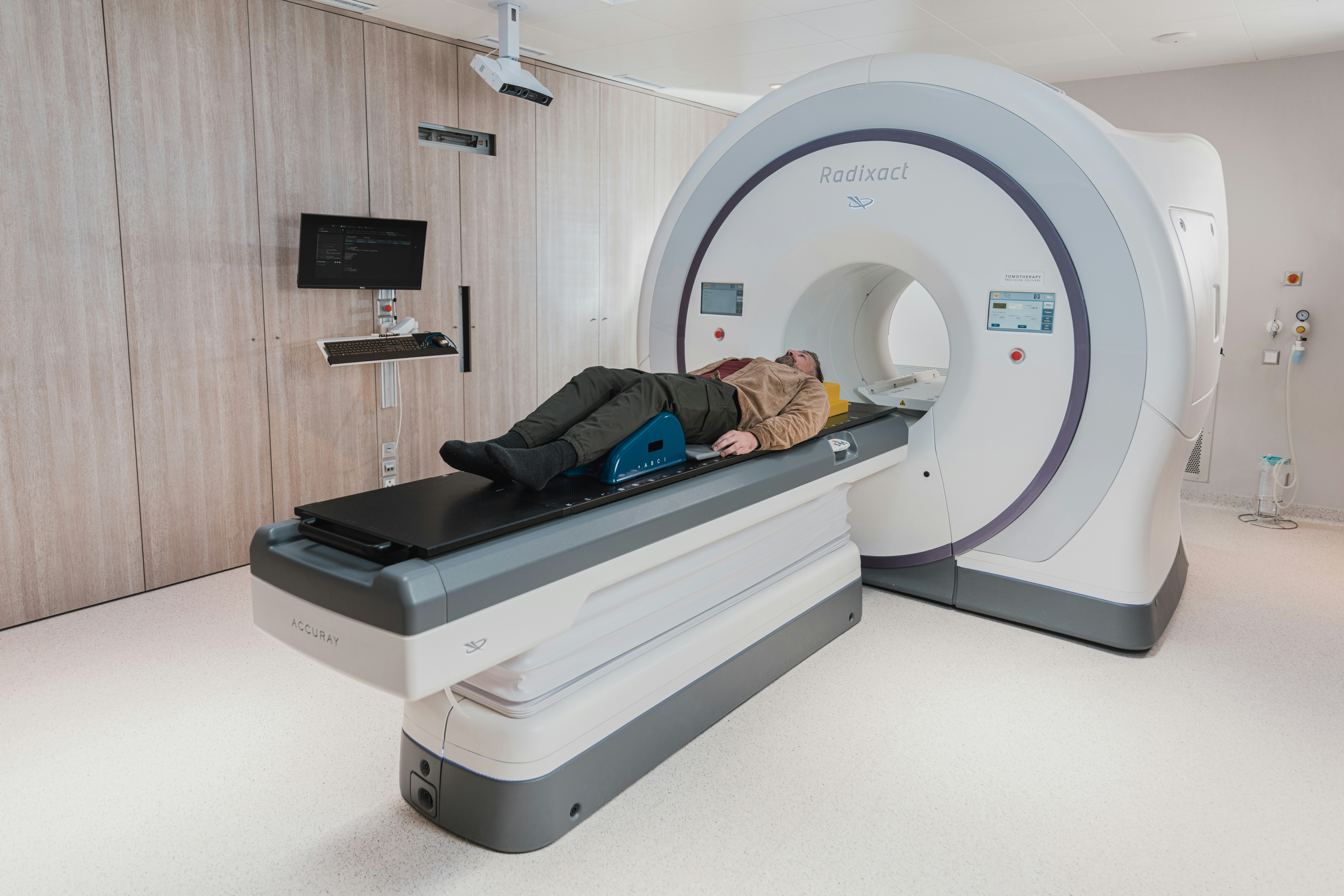
- A computerized tomography (CT) scan and magnetic resonance imaging (MRI). These tests can reveal shrinkage in the brain as well as any underlying conditions that may be causing the person’s symptoms, such as a brain tumor, an aneurysm or a stroke.
- A positron emission tomography (PET) scan and single photon emission computed topography (SPECT) scan. These very sophisticated imaging studies can show how the brain is functioning and reveal discrete structural changes such as the buildup of tau proteins seen in Alzheimer’s disease.
- Blood and urine tests to look for metabolic abnormalities, such as a thyroid hormone or vitamin deficiency, infection or liver or kidney disease. Depending on the patient’s history, the doctor may do blood tests for HIV, toxic substances such as lead and medications that could lead to an altered mental state.
- Lumbar puncture (spinal tap) to obtain cerebrospinal fluid for testing
- An electroencephalogram (EEG) to measure electrical activity in the brain, which can help distinguish between dementia and delirium and the specific abnormalities seen in the rare disorder Creutzfeldt-Jakob disease
Sources
“Dementia Diagnosis”. Stanford Medicine.https://stanfordhealthcare.org/medical-conditions/brain-and-nerves/dementia/diagnosis.html
“Classic Creutzfeldt-Jakob Disease”. U.S. Centers for Disease Control and Prevention. https://www.cdc.gov/creutzfeldt-jakob/about/?CDC_AAref_Val=https://www.cdc.gov/prions/cjd/index.html
What Are Some Early Signs of Dementia?
July 8th, 2025Although the most common early sign of Alzheimer’s disease or dementia is memory loss, several other early signs and symptoms can indicate the presence of this disease. While it is normal to experience changes in the ability to retain and recall information with age progression, when memory loss disrupts daily life, it can be an indicator that Alzheimer’s disease has developed. Disruptive memory loss may include forgetting important dates and appointments or relying heavily on reminders. Other early signs and symptoms of Alzheimer’s disease or dementia can include:
- Difficulty in problem-solving or making plans
- Wandering and becoming lost
- Difficulty completing common tasks
- Losing items or placing them in unusual places
- Repeating questions or statements
- Taking longer to complete simple tasks
- Forgetting recently learned information
- Making poor decisions or struggling with judgment
- Mood or personality changes
- Loss of initiative
- Difficulty managing finances and paying bills
- Lack of awareness regarding current location
Some individuals may experience language and communication difficulties. They may struggle to find the right words to describe objects, express their thoughts, or participate in conversations. They may have difficulty maintaining the conversation and become frustrated if they realize they cannot communicate effectively. This frustration can also impact their overall mood, personality, and behavior. As these changes emerge, an individual with the early signs of Alzheimer’s disease or dementia may withdraw from social situations, become more prone to aggression, or become noticeably depressed.
Another common sign is experiencing difficulty in understanding spatial relationships and images. Someone in the early stage of Alzheimer’s or dementia may struggle to read or maintain their balance. Changes in visual acuity, such as the ability to discern color, distance, or contrast can occur. However, vision changes can also be a part of normal aging. Diminished vision may also be associated with cataracts, so having a formal examination from an optometrist can be helpful.
While many of these signs and symptoms are indicators of Alzheimer’s disease or dementia, it is crucial to understand that their presence is not equal to a diagnosis. As mentioned, some changes may be the signs of normal aging. However, if symptoms disrupt daily life or become concerning, contact a healthcare professional for a comprehensive evaluation and assessment.
Sources
“What Are the Signs of Alzheimer’s Disease?” National Institute on Aging.https://www.nia.nih.gov/health/alzheimers-symptoms-and-diagnosis/what-are-signs-alzheimers-disease
“Alzheimer’s disease”. Mayo Clinic.https://www.mayoclinic.org/diseases-conditions/alzheimers-disease/symptoms-causes/syc-20350447
“10 Early Signs and Symptoms of Alzheimer’s and Dementia”. Alzheimer’s Association.https://www.alz.org/alzheimers-dementia/10_signs