

South American Death Practices
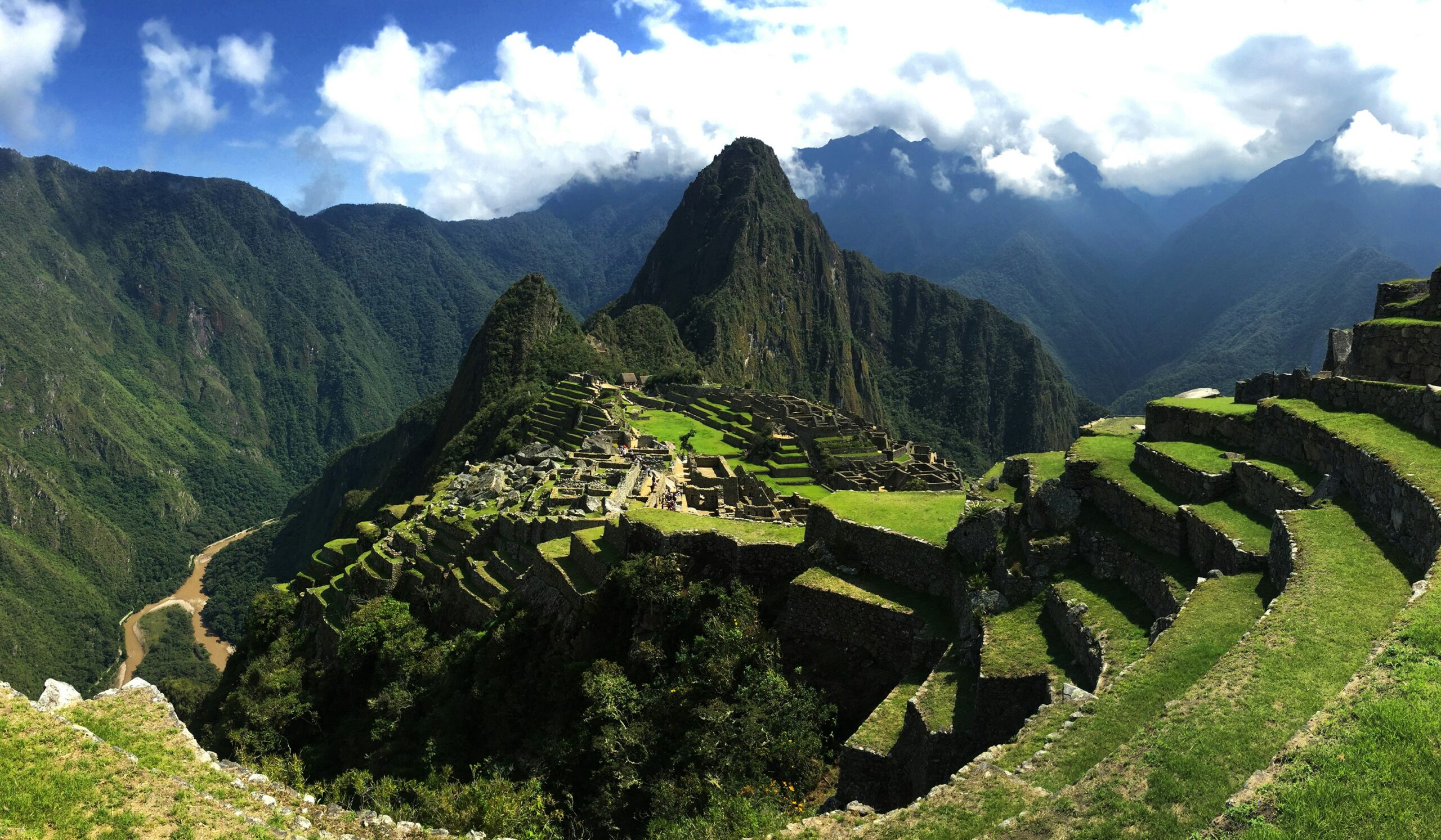
South America is a large continent, just slightly smaller in area than North America and about twice the size of Europe. It comprises 12 sovereign nations, Argentina, Bolivia, Brazil, Chile, Columbia, Ecuador, Guyana, Paraguay, Peru, Suriname, Uruguay and Venezuela as well as two dependent territories, the Falkland Islands and South Georgia, and the South Sandwich Islands; and one internal territory, French Guiana. Home to the largest continental mountain range and the largest and most abundant rainforest on earth, South America is known for its natural beauty, diversity and multicultural roots. Below are just a few of the most interesting facts about the culture and death and mourning practices of the millions of people who reside there.
Jump ahead to these answers:
Brazilian Funeral Traditions and Rituals
December 17th, 2025A giant country by any standards, Brazil occupies half of South America’s land mass and is home to 211 million people. Believed to have been inhabited for nearly 30,000 years, the country has one of the most diverse populations in the world, from the dozens of uncontacted Indigenous tribes of the Amazon Basin to millions of immigrants from all over the globe. Its official language is Portuguese, and the predominant religion is Roman Catholic. But ancient traditions and rituals around death and mourning still abound.
Read more about Brazilians customs and beliefs around death, mourning and remembrance below
- In the Amazon Rainforest of Brazil, the Xingu Indian Tribes Hold Fiercely to Ancient Traditions, Including a Celebration of Life and Death Called Quarap
- In the Warm, Moist Climate of Brazil, Funerals Happen Shortly After Death with Little Time to Prepare
- For the Yanomami Tribe of the Amazon, Consuming the Ashes of Loved Ones is a Way to Honor the Dead and Keep Their Spirits Alive
Death Practices Across Bolivia
December 17th, 2025A relatively small, landlocked country, Bolivia is a nation of extremes. About 30% of its land mass is in the Andean region, with an average elevation of nearly 10,000 feet, with some areas reaching over 21,000 feet. On the other end of the spectrum, the Llanos region in the northeast is mostly flat land and plateaus covered by rainforests containing some of the greatest biodiversity on earth.
Most of the population of Bolivia is mestizo, a mix of Indigenous native and European ancestry. There are also 10 subgroups of Indigenous peoples who make up about 40% of the population. Of these, the Aymara and Quechua tribes are the largest groups. Each of these tribes have their own culture, language and spiritual beliefs, including differing rituals and traditions around death.
Read more about some Bolivian customs and beliefs around death, mourning and remembrance below
Death Practices in Peru
December 17th, 2025The country of Peru is, like much of South America, a land of extremes, with the towering Andes to the west, and Amazonia — an area where dense cloud-covered forests and the jungles of the Amazon Basin meet — to the east.
Like Bolivians, the people of Peru are about 60% mestizo and 20% Quechua, descendants of the region’s indigenous tribes. Once dominated by the Inca empire, the country was colonized by Spain in the early 1500s, and much of its traditional culture disappeared. Today, about 70% Peruvians live in modern urban areas, where most of the country’s wealth resides. Nonetheless, much of the country’s ancient customs and traditions, including those around death and mourning, still survive.
Read more about some Peruvian beliefs around death, mourning and remembrance below
- Deep in the Amazon Jungle, the Matsigenka People of Peru Live in Fear of Were-Jaguars Who Embody the Spirits of the Dead
- High in the Andes, an Ancient Tomb Is Believed to Contain the Remains of a Royal Member of the Wari Tribe of Peru
- The Now-Extinct Chinchorro People of Peru Practiced Mummification Long Before the Egyptians
- Deep in the Peruvian Jungle, Westerners Seek Healing With a Psychedelic Plant Known as Ayahuasca