

Environmental Impact of Death
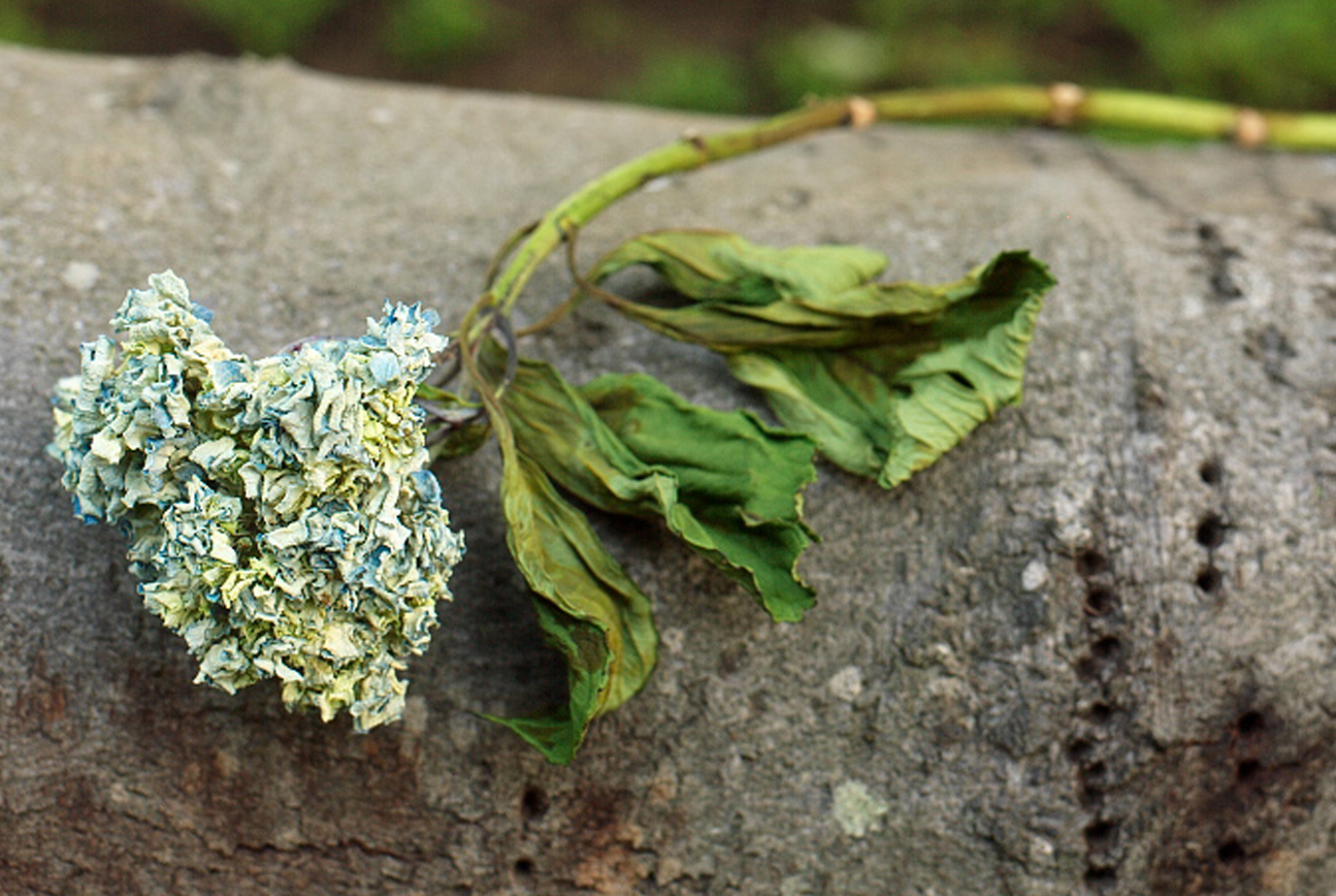
Thinking about the environmental impact of death might not come naturally, but the choices we make can leave a lasting footprint. This section explores how traditional practices like traditional burial and cremation affect the planet, as well as eco-friendly alternatives such as green burial and newer technologies. You’ll also learn about the social and environmental costs of items like flowers and caskets—helping you make thoughtful, sustainable choices when the time comes.
Jump ahead to these answers:
- What Is the Environmental Impact of Death?
- What Are Some Alternatives to Imported Flowers for a Funeral or Memorial Service?
- Where Can I Buy Sustainable Flowers?
- What Is the Environmental Impact of Flowers at a Funeral or Memorial Service?
- Is the Liquid Remaining After Alkaline Hydrolysis Safe for the Environment?
- What is natural organic reduction and how does it affect the environment?
- What Is Being Done to Minimize the Impact of Death on the Environment?
- How Do Green Burials Minimize Risks of Contamination to Groundwater and Soil?
- How Does a Decomposing Body Affect the Environment?
- How Do Crematories Minimize Mercury Emissions?
- Does the U.S. Regulate Cremation Emissions?
- What Is the Impact of Burying Cremated Remains?
- How Much Energy Is Used in a Cremation?
- What Is the Environmental Impact of Cremation?
- How Can I Minimize the Environmental Impact of My Death?
- Can Recycling Metal Implants Offset the Environmental Impact of Death?
- How Do Headstones Impact the Environment?
- What Health Hazards Do Embalmers and Funeral Workers Face?
- Is Embalming Fluid Harmful to the Environment?
- Why Are Hardwood Caskets Bad for the Environment? Aren’t They Biodegradable?
- Is the Steel and Concrete Used in Burials Bad for the Environment?
- After Death: Environmental and Social Impact of Flowers
- After Death: Environmental Impact of Death
- Environmental Impact of Death: Explore Trusted Resources
What Is the Environmental Impact of Death?
July 9th, 2025The environmental impact of death care and funerary practices in the U.S. and globally is a growing concern for environmentalists everywhere. Regardless of how a body is disposed of, the process takes a toll on the environment in some way. Although few scientific studies have examined the issue in depth, what we do know for certain is that the disposal of human remains consumes precious and diminishing resources, including energy, space, and natural and man-made materials such as hardwood, steel, concrete, and more. Additionally, the two most common forms of disposition — burial and cremation — both contaminate the environment to some degree. Add to this the environmental impacts of growing and transporting cut flowers, which are staples of U.S. funerals, and the enormous environmental impact of our modern-day death care practices is clear.
With that being said, it is also clear that the funeral industry in both North America and Europe has taken steps to address these growing concerns by introducing new technologies and new ways of disposing of the dead. Alkaline hydrolysis (sometimes called “green cremation”) has been approved for the disposal of human remains in 28 states across the U.S. and four Canadian provinces and one territory. And while its environmental impact is not negligible, it uses far less energy than cremation and has a much lower carbon footprint, according to the Cremation Association of North America. Unlike burial, it does not require any land use, nor do embalming chemicals remain in the fluid byproduct after the process is complete.
The Environmental Impact of Conventional Burial
Since the early part of the 20th century, burial practices in the United States have become more and more elaborate. Plain soft-wood coffins, which biodegrade easily, have been replaced by caskets made of hardwood and steel, and grave liners and vaults made of concrete or reinforced concrete have become the norm. Embalming, a practice that uses numerous chemicals, including formaldehyde, phenol, methanol, and glycerin, has also become commonplace.
The environmental impact of these modern burial practices is significant. According to the latest information from the Green Burial Council, U.S. cemeteries put the following materials in the ground each year:
- 4.3 million gallons of embalming fluid
- 20 million board feet of hardwoods (mostly tropical)
- 64,500 tons of steel (caskets)
- 1,636,000 tons of reinforced concrete (vaults)
- 17,000 tons of copper and bronze
Additionally, thousands of tons of granite and marble are transported from all corners of the globe to make headstones for cemeteries in Canada and the U.S.
Each of these items comes with an environmental cost. Embalming fluid, lacquer, and heavy metals used in caskets can leach into the soil around gravesites and contaminate groundwater. And while concrete itself doesn’t harm the environment, the environmental cost of making concrete is very high. Further, harvesting the tropical woods used in caskets is contributing to deforestation across the globe and, in turn, climate change. According to one source, the U.S. buries the equivalent of 4 million acres of tropical rainforest in cemeteries each year.
Additionally, cemeteries take up an enormous amount of space — space which, in many urban areas, is needed for housing, office space, roads and parks. In many parts of the world, including some metropolitan areas of the U.S., urban planners are searching for novel options to accommodate the dead. In parts of Australia, for example, burial plots are routinely reused after a number of years, with “fresh” bodies placed on top of the old. And in China, millions of interred bodies have been relocated from urban sites to the remote countryside over the past few decades to make room for further development.
Further, the maintenance required in most large U.S. cemeteries comes at a steep environmental cost. Sweeping lawns and landscaped grounds requires regular mowing and trimming, and the gasoline-powered machinery used to perform these tasks consumes fossil fuels and emits the same kind of pollutants as gasoline-powered cars. Similarly, the fertilizers and pesticides used to keep cemetery grounds beautiful can contaminate the surrounding soil and groundwater and, eventually, plant and animal life.
For all of these reasons, conventional burial as it is practiced in the U.S. is almost certainly the most resource-intensive form of final disposition available today.
The Environmental Impact of Cremation
Cremation has become a very popular form of final disposition in the United States. In the 15 years between 2000 and 2015, the rate of cremation nearly doubled, from 26.2 % to 48.6 %. And according to the National Funeral Directors Association, that number was projected to reach 57.5% in 2021 and nearly 75% by 2030. That’s about 1,800,000 cremations per year in the United States alone.
This may be good news in terms of lessening the footprint of modern burials. However, when one considers the environmental impact of cremation, it may actually be cause for concern. According to a 2011 report from NBC News, cremating a single corpse takes 2 to 3 hours at a temperature of about 1,800 degrees Fahrenheit. That’s enough to release 573 pounds of carbon dioxide into the atmosphere. Given current death and cremation rates in the United States, that could result in more than 752 million pounds of carbon dioxide being released into the atmosphere each year. And if the cremation rate continues to rise as expected, that number could mushroom into over a billion pounds of carbon dioxide emissions annually over the next 15 years.
With that being said, it’s worth noting that this is a minuscule number given the total greenhouse gas emissions generated annually by the United States (15.1 trillion pounds of carbon dioxide equivalents in 2014, according to the EPA). Nonetheless, it points to the fact that carbon emissions from cremations both in the U.S. and globally are cause for some concern.
Additionally, the process of cremation incinerates not only the body of the person who died, but much of what the body contains. Metal implants such as screws and rods used in orthopedic surgeries are not consumed by the process, and that metal is later retrieved. However, the mercury in dental fillings is vaporized by the high temperatures required for cremation and, unless it’s captured in some way, released into the atmosphere. This vaporized mercury can linger in the air for up to one year and travel great distances until it slowly oxidizes and is deposited on the ground below. Insofar as mercury is a highly toxic substance capable of damaging the central nervous system and kidneys, especially in a developing fetus, these mercury emissions are also an environmental concern.
The Environmental Impact of “Green” or Natural Burial
Natural burial, often referred to as “green” burial, is a burial without many of the trappings of a conventional North American burial. Specifically, natural burial grounds do not accept bodies embalmed with toxic chemicals (some “natural embalming products are allowed) and prohibit the use of concrete grave liners or vaults. They also require that bodies be interred in a biodegradable container at a depth of 3.5 feet (in most states) where the population of active “decomposers” such as fungi, bacteria, and — importantly — oxygen is optimal. All of these requirements act to facilitate more rapid decomposition of the body in the top layers of soil, which in turn has a positive impact on the surrounding trees, shrubs, and plants.
With that being said, there are three levels of green burial grounds recognized by the Green Burial Council in the U.S., and each type has its own criteria that impact how environmentally friendly it is.
- A hybrid cemetery is a traditional cemetery with an area set aside for natural burial. This area must accept unembalmed bodies and allow burial without a concrete vault or liner. The cemetery must also allow bodies in this area to be buried in a biodegradable container or shroud. In some cases, hybrid cemeteries allow headstones, and the grounds may be maintained using fertilizers, pesticides, and/or gasoline-powered equipment. These practices are prohibited in a natural burial ground.
- A natural burial ground is a cemetery that adheres to all of the standards associated with a green burial, including a prohibition against concrete vaults and grave liners and embalming with toxic chemicals. Additionally, GBC-certified natural burial grounds are required to perform environmental impact assessments on a regular basis to determine the ecological health of the surrounding environment, including the state of the soil and native plants. They also must maintain a “naturalistic” appearance based on [the] use of plants and materials native to the region, and patterns of landscape derived from and compatible with regional ecosystems.” In other words, there are no carefully manicured lawns or rows of headstones. The cemetery doesn’t use heavy machinery to maintain the grounds and avoids the use of pesticides and chemical fertilizers. In most cases, graves are marked naturally with a native plant or naturally occurring rocks or stones. The precise location of the grave is also identified by GPS coordinates. Lastly, natural burial grounds must limit burial density to no greater than 500 burials per acre of land.
- A conservation burial ground is a natural burial ground that not only meets all the criteria set for hybrid and natural burial grounds but also practices land conservation in a way that “conserves, preserves, enhances or restores the historic native or natural habitat or flora of the region.” Conservation burial grounds are also required to operate in conjunction with a government agency or private nonprofit that has a legally binding obligation to perpetually enforce and monitor the easement. Although rare, these conservation grounds are the best option for consumers who wish to make a positive impact on the environment at the time of their death.
Obviously, green burial uses far fewer natural resources than either conventional burial or cremation, and its carbon footprint is smaller by far. Still, some products touted as “sustainable” by green burial advocates carry a rather significant environmental cost. Wicker coffins, for example, are considered environmentally friendly because they are typically made from bamboo or seagrass, which grow back quickly after harvesting. Natural wicker coffins also biodegrade much more quickly than wood. However, the raw materials used in manufacturing wicker coffins are grown in Asia, Africa, South America and Australia and are then shipped to Indonesia, where the bulk of wicker coffins are made. The finished coffins are then transported on a cargo ship to a port in North America for distribution in the United States. In many cases, the actual carbon footprint of the entire process is much higher than that of a casket made of locally grown wood.
Additionally, natural cemeteries and hybrid cemeteries take up valuable space, which in many urban areas is in short supply. Only conservation burial grounds actively aim to conserve resources by burying bodies in areas where space is not in short supply.
The Environmental Impact of Alkaline Hydrolysis
Alkaline hydrolysis, also known as “resomation” “aquamation” or “green cremation,” is a means of final disposition wherein a body is reduced to bone fragments and a sterile liquid through the use of alkaline chemicals and heat. The process uses a heated solution of water and potassium hydroxide or sodium hydroxide (lye) to accelerate decomposition, leaving behind a liquid known as “effluent” which consists of salts, sugars, proteins and protein chains. Depending on the machinery used and the temperature achieved, alkaline hydrolysis of a human body takes between 3 and 12 hours to complete.
Proponents of alkaline hydrolysis point to its low environmental impact as one of its most attractive traits, and have marketed the technology as “green cremation” to highlight that claim. And the process does, in fact, use less energy than flame-based cremation. According to data from the Cremation Association of North America, alkaline hydrolysis uses about one-tenth of the natural gas and/or electricity as flame-based cremation to achieve the same result. It also produces almost no carbon emissions and virtually no mercury emissions, and the effluent is devoid of contaminants as well.
Another plus to alkaline hydrolysis is the fact that it allows for the preservation and recycling of implanted devices such as pacemakers, defibrillators and other medical “hardware” such as metal plates and screws. These items are rarely salvaged after flame-based cremation (pacemakers are removed beforehand) because the intense heat damages them extensively, rendering them largely unusable. So much metal can be reclaimed in this way that if alkaline hydrolysis were employed widely across the world, the environmental benefit would almost certainly offset its environmental cost.
Yet while alkaline hydrolysis seems to have a lower environmental impact than either burial or cremation, it is not entirely without flaws. According to Philip Olsen, an associate professor in the Department of Science, Technology, and Society at Virginia Tech, the process of making lye is extremely energy-intensive, using about 2,500 kWh of electricity per ton of sodium hydroxide produced. (By way of comparison, the average American household uses about 600-1000 kWh per month.) Further, depending on the technology used, the process may emit several hundred pounds of mercury into the atmosphere each year.
The Environmental Impact of Natural Organic Reduction (Human Composting)
Over the past few years, several states have enacted legislation legalizing the practice of natural organic reduction of human remains. Sometimes referred to as human composting, natural organic reduction is a process in which human remains are placed into a closed, specially designed container with organic materials such as wood chips and straw and allowed to decompose naturally over 4 to 7 weeks. The process uses no chemicals or artificial heat source; decomposition is accomplished by microorganisms that live in the body and the organic materials surrounding it. After decomposition is complete, what remains is about one cubic yard of “soil amendment” or compost. The compost is then “cured” for about a month and then returned to the family or donated as fertilizer.
Invented and first marketed by Katrina Spade, the founder and CEO of Recompose, natural organic reduction has been shown to remove toxins, medications and disease-causing microorganisms from human remains. Because the heat in the chamber is generated by microbes, it produces no harmful emissions and, according to Recompose, uses one-eighth of the energy consumed by burial or cremation. As of this writing, it appears to have the least environmental impact of all of the currently available means of final disposition, according to a research model created by Troy Hottle, who holds a doctorate in Civil, Environmental, and Sustainable Engineering from Arizona State University.
In summary, current death care practices in the United States and much of the world pose a serious environmental concern. Air and soil pollution are inherent in both traditional burial and cremation, and even “natural” burial comes at a significant, albeit lower, environmental cost. Newer technologies, such as natural organic reduction and alkaline hydrolysis, show great promise, but they are available only to a limited number of persons in states that have legalized them at this time. It is our hope that progress towards more sustainable and environmentally friendly options will continue at a rapid pace.
Sources
“Where in Canada is Aquamation or Alkaline Hydrolysis Legal?” Eirene. https://eirene.ca/articles/canada-aquamation-by-province
“Why Conventional Burial Harms the Environment”. Milton Fields. https://miltonfieldsgeorgia.com/conventional-burial-harms-environment/
“Losing the plot: death is permanent, but your grave isn’t”. The Conversation. https://theconversation.com/losing-the-plot-death-is-permanent-but-your-grave-isnt-33459
“Stanford historian shows millions of relocated gravesites in China in new, interactive website”. Stanford Report. https://news.stanford.edu/stories/2019/06/documenting-mass-grave-relocation-china
“Statistics”. National Funeral Directors Association. https://nfda.org/news/statistics
“When You’re Dying For a Lower Carbon Footprint”. NBC. https://www.nbcnews.com/id/wbna41003238#.WZyaH1WGND9
“Climate Change Indicators: U.S. Greenhouse Gas Emissions”. EPA. https://www.epa.gov/climate-indicators/climate-change-indicators-us-greenhouse-gas-emissions
“Q & A: What You Need to Know About Mercury”. Mom’s Clean Air Force. https://www.momscleanairforce.org/mercury-q-and-a/
“Mercury and Pregnancy”. March of Dimes. https://www.marchofdimes.org/find-support/topics/pregnancy/mercury-and-pregnancy
“Our Standards”. Green Burial Council. https://www.greenburialcouncil.org/our_standards.html
“Philip R. Olson”. Virginia Tech. https://liberalarts.vt.edu/departments-and-schools/department-of-science-technology-and-society/faculty/philip-olson.html
“Average Household Electricity Consumption – 2025”. Shrink That Footprint. https://shrinkthatfootprint.com/average-household-electricity-consumption/
“Frequently Asked Questions”. Recompose. https://recompose.life/faqs/#human-composting
What Are Some Alternatives to Imported Flowers for a Funeral or Memorial Service?
July 8th, 2025Alternatives to imported flowers, such as charitable donations, homemade gifts, potted plants, and releasing doves, butterflies, or bubbles, are common for funeral or memorial services. While traditional floral arrangements often express grief, love, or respect, concerns about the environmental impact have many individuals seeking alternatives. These alternatives can also offer a more personal tribute.
Personalized visuals—such as releasing doves, butterflies, or bubbles—can carry deep meaning during a funeral or memorial service. For instance, the release of glowing lanterns into the evening sky can create a cherished memory for those who are grieving. Although balloons are often suggested for such moments, they can be harmful to the environment due to the waste they create. That said, some people still prefer balloon releases and may choose to include them in the service if fully biodegradable options are used.
Alternatives that honor the memory of your loved one can bring comfort. Some people suggest homemade, personalized items that reflect shared memories or the unique interests of the departed. Others may choose to ask attendees to make charitable donations to an organization the deceased supported or felt connected to. Many organizations allow donations to be made in someone’s memory, offering a meaningful way for attendees to contribute to a tribute that reflects the values of a loved one and helps build a lasting legacy.
If flowers remain the preferred choice and alternatives are being considered due to the environmental impact of imported blooms, consider sourcing flowers locally. Choosing local flowers supports nearby businesses and reduces the carbon footprint associated with importing. Some may prefer investing in a potted plant or tree, which, with proper care, can serve as a living tribute and enduring memorial while also benefiting the environment rather than causing additional harm.
Sources
“Alternatives to Flowers for a Funeral”. Une Belle Vie Memorial Urns. https://decorative-urns.com/cremation-blog/custom-cremation-urns/alternatives-to-flowers-for-a-funeral/
“Why Sending Flowers After a Death Is Not the Best Alternative”. Wealth Management. https://www.wealthmanagement.com/client-relations/why-sending-flowers-after-a-death-is-not-the-best-alternative
Where Can I Buy Sustainable Flowers?
July 8th, 2025Short of buying flowers from local growers whose horticultural practices you can verify yourself, the best way to find sustainable flowers is to look for a label you can trust. Columbia’s “Florverde Sustainable Flowers, for example, is an organization that develops rigorous sustainability standards for the floriculture industry that are regularly verified by independent testing groups, including Icontec in Bogotá, Geneva-based SGS, S.A. (Société Générale de Surveillance), and Naturacert, also in Bogotá, These groups monitor compliance by reviewing farm documentation, interviewing workers, conducting lab tests and visiting the farms. Flowers grown at certified farms will carry the Florverde label or a label indicating they are FSF Certified.
Florverde standards address a number of environmental and social concerns. For example, Florverde-certified farms conserve water through the use of drip irrigation and rainwater collection, and use hummus rather than chemicals to fertilize the plants. They also minimize (although don’t totally avoid) the use of chemical pesticides by integrating natural pest control into the environment, and practice “environmentally sensitive” disposal of waste. In all, the organization’s standards encompass 13 separate areas of concern, including responsible management practices, labor rights, worker welfare and education, health and safety protocols, water and land conservation and more.
To find a retailer that sells Floverde flowers, you can search the Florverde website for a list of wholesalers, distributors and retailers in the U.S. and abroad. Here in the U.S., for example, Publix, Whole Foods, Costco, Walmart, 1-800 Flowers, Proflowers, Kroger, HEB all source their cut flowers from Florverde-certified farms. Additionally, you can search the Slow Flowers website to find local flower growers and florists, retail outlets and event planners who buy their flowers from North American farms. Keep in mind, however, that Slow Flowers only collects information about where flowers are grown. The group does not monitor safety practices, working conditions, pesticide use or any benchmark that would indicate the flowers you buy from these sources are “sustainable.”
Sources
Iconotec. https://www.iso.org/member/1644.html
NaturaCert. https://naturacert.org/en/home/
“FSF Standards As An Unexpected Way to Facing COVID-19 in the Flower Sector”. Florverde. https://www.florverde.org/en/fsf-standards-as-an-unexpected-way-to-facing-covid-19-in-the-flower-sector/
“Find Certified Organizations”. Floraverde. https://www.florverde.org/en/where-to-buy/
SlowFlowers. https://www.slowflowers.com/
What Is the Environmental Impact of Flowers at a Funeral or Memorial Service?
July 8th, 2025Flowers are a beautiful addition to a funeral or memorial service. But the cultivation, transport, and disposal of flowers have a substantial impact on the environment, which is important to keep in mind when planning a funeral service or memorial event. The following are just a few of the potential environmental concerns:
Transportation
Nearly 90% of cut flowers purchased in the West are imported, most of them from South America, with Colombian and Ecuadorian imports leading the pack. The remainder come from a variety of countries, most notably the Netherlands, which in turn sources the bulk of its exported flowers from Africa. And while it can be argued that the use of flowers imported from these countries is actually more sustainable than growing them at home, since they can be grown without the use of heated greenhouses and artificial light, the carbon footprint is notable. Hauling an estimated $13 billion worth of cut flowers across the globe in refrigerated cargo holds annually uses a lot of energy. According to the International Council on Clean Transportation, in 2018, Valentine’s Day flowers grown in Colombia and transported to the U.S. alone generated 360,000 tons of CO2 — that’s roughly equivalent to driving 78,000 cars for one year.
Pesticides and Fertilizer
Although the floriculture industry is working to become more sustainable, the use of chemical fertilizers and pesticides is still widespread. Colombian flower growers, for example, use up to 12 different pesticides, while some countries in Africa use up to 120, including pesticides containing chemicals such as DDT and methylbromide, which are banned in the West. But because cut flowers are not an edible product, the amount of chemical residue contained in imported flowers isn’t regulated by the U.S. In fact, the U.S. and most of Europe require that imported flowers are insect-free, which encourages unbridled pesticide use.
The use of fertilizers and pesticides is particularly impactful in flower-growing regions of Africa, where run-off from flower farms is destroying ecosystems and polluting local water supplies. In Kenya, for example, most flowers are grown on the shores of Lake Naivasha, a fragile ecosystem that is home to over 400 species of birds, thousands of hippos, wildebeest, and many different types of fish. Since the floriculture industry began to flourish in the late 1990s, overuse of water has shrunk the lake to half its original size, and fertilizer and pesticide pollution has caused fish stock to collapse. What’s more, the number of workers required to support the industry has brought the population of the nearby city of Naivasha to 240,000 (up from 6,000 twenty years ago). With little infrastructure to support this growth, sewage and human waste are polluting the water supply as well.
Human Cost
While it can’t be measured in dollars and cents or metric tons, the human cost of floriculture is an important consideration for consumers as well. In most countries that mass-produce flowers, workers are subjected to long hours and poor working conditions and are paid far less than a living wage. In Colombia, for example, roughly one in 100 people are employed by the floriculture industry, the vast majority of them women. Most work under contract for about $32 a week, putting in 15-hour days while breathing in chemical residue from pesticides and fertilizers. In Africa, workers are subject to equally poor conditions, but earn even less — in Kenya, for example, an average worker in the floral industry earns about $6.50 a week.
In recent years, however, some Colombian flower producers have taken steps to address these human rights concerns. The environmental advocacy organization “Florverde,” for example, has developed standards that address both environmental issues and working conditions for those employed in the industry. These include subsidies for housing and education; literacy programs; free child care; higher-than-average wages and shorter-than-average work weeks; on-site health care; and a full benefits package that includes medical, disability and retirement insurance.
Sources
Florverde Sustainable Flowers. Florverde. https://www.florverde.org/
“Yes, your mother loves the flowers, but maybe not the cost of flying them in”. International Council on Clean Transportation. https://theicct.org/yes-your-mother-loves-the-flowers-but-maybe-not-the-cost-of-flying-them-in/
Floriculture Sustainability Initiative. https://www.fsi2025.com/
Is the Liquid Remaining After Alkaline Hydrolysis Safe for the Environment?
July 8th, 2025The liquid (or effluent) that remains after alkaline hydrolysis is safe for the environment. During the alkaline hydrolysis process, the body is reduced to porous bone matter and a sterile, inert, non-infectious effluent containing nutrient-rich organic compounds. Prior to safe release into municipal wastewater systems, the pH level and temperature of the effluent are reduced to meet the standards of state and local wastewater authorities.
This information is further supported by the process’s history and its applications beyond the funeral industry. Alkaline hydrolysis was originally patented as a means of producing fertilizer. Manufacturers like Bio-Response Solutions, Inc., which produce systems for both funeral and agricultural uses, confirm that the effluent’s safety and nutritive value allow for its use in such extra-funerary applications, reinforcing its environmental credentials.
Sources
“All About Aquamation: Cremation Alternatives for Humans and Pets”. Better Place Forests. https://www.betterplaceforests.com/blog/aquamation-for-humans-and-pets/
“Fact Check: Alkaline hydrolysis, or liquid cremation, does not mean human remains are ‘fed to the living’”. Reuters. https://www.reuters.com/article/factcheck-dead-fed-living/fact-check-alkaline-hydrolysis-or-liquid-cremation-does-not-mean-human-remains-are-fed-to-the-living-idUSL1N3621X5/
“Alkaline Hydrolysis”. Cremation Association of North America. https://www.cremationassociation.org/alkalinehydrolysis.html
What is natural organic reduction and how does it affect the environment?
July 8th, 2025What Is Being Done to Minimize the Impact of Death on the Environment?
July 8th, 2025How Do Green Burials Minimize Risks of Contamination to Groundwater and Soil?
July 8th, 2025Unlike traditional burial methods that emphasize the use of embalming and non-biodegradable caskets, green burials minimize the risk of contaminated groundwater and soil by avoiding harmful chemicals, using biodegradable materials, and encouraging natural decomposition. Embalming fluids, varnishes, and metal components of caskets all have the potential to leach into groundwater and soil over time. Cement used in burial vaults, while not toxic in itself, relies on resource-intensive mining and manufacturing processes that contribute to carbon emissions. In an effort to preserve nature and protect its habitats and wildlife, these elements are generally eliminated in the preparatory and funerary processes at natural burial grounds.
Soil also acts as a filter for buried bodies or items that are buried with the body. The degree of filtration can vary based on the characteristics of the soil and whether clay or other organic matter is present. For green burial, important variables to achieve ideal soil conditions include salt levels, alkalinity, soil texture, the presence and depth of bedrock, and other elements. The body itself is fully biodegradable and will eventually degrade into the soil, which will typically become sterile over time. Aside from the chemicals and medications already released during decomposition, without embalming fluids present, the body is unlikely to leach other harmful compounds or chemicals into the ground.
Most green burial grounds, including hybrid, natural, and conservation cemeteries, follow strict guidelines to maintain environmentally sound practices that protect the surrounding ecosystem. These are often based on certification standards set by organizations like the Green Burial Council, and they also comply with applicable state and local public‑health or environmental rules. For example, many limit what materials can be brought onto the grounds or how bodies can be buried. Some also have specific requirements regarding only using non‑toxic landscaping products and emphasize efforts to protect water sources such as lakes and rivers. In particular, conservation burial grounds, which are often joint ventures with land‑trust organizations, have the added aim of permanently protecting the land from development, thereby helping to safeguard the environment from contamination. By adhering to these guidelines and practices, green burial grounds are able to minimize the risk of contamination from burial sites and general upkeep of the grounds.
Sources
“Rest in Peace, Not Pollutants: Green Burials Say ‘No Thanks’ to Chemicals in the Grave”. ecoRI News. https://ecori.org/rest-in-peace-not-pollutants-green-burials-say-no-thanks-to-chemicals-in-the-grave/
“Going out Green: Four Ways to Ensure an Eco-Friendly Burial”. Green Burial Council. https://www.greenburialcouncil.org/ensure_eco-friendly_burial.html
“Green (Natural) Burial Frequently Asked Questions”. Peaceful Passage at Home. https://peacefulpassageathome.com/green-natural-burial.html
“Grave Science Soil and Water”. Green Burial Council. https://www.greenburialcouncil.org/grave_science_soil_water.html
“6 Myths About Green Burial”. Morgan Oaks Eternal Preserve. https://www.morganoaksgreenburial.com/2022/09/01/6-myths-about-green-burial/
How Does a Decomposing Body Affect the Environment?
July 8th, 2025The science of decomposition is complex, and scientists don’t have a full understanding of all of the chemical reactions that happen after death. However, after years of study in outdoor laboratories known as “body farms,” they have been able to see some of what happens to the human body and the surrounding area as it decays. Importantly, the depth of burial significantly affects this process. In the shallow, oxygen-rich soil typical of natural or conservation burials (often around 3-4 feet), aerobic bacteria drive a composting-like breakdown. In deeper, anaerobic environments (such as traditional 6-foot burials), decomposition follows a different path dominated by putrefaction.
According to scientific research covered by The Guardian, a decomposing body changes the chemistry of the soil in which it is buried, sometimes for many years. As tissues break down due to insect and microbial activity, fluids leach from the body. These, in turn, release nutrients into the surrounding soil, which are carried through insect activity to a concentrated area — a “cadaver decomposition island” of organically rich soil. Processes like those offered by NOR, which use carefully controlled aerobic decomposition to transform the body into soil, aim to optimize this natural nutrient cycle. According to one study, each kilogram (2.2 pounds) of dry body mass releases 32 grams of nitrogen, 10 grams of phosphorus, 4 grams of potassium, and 1 gram of magnesium into the soil. These nutrients benefit the ecosystem by generating greater biomass, more nematode activity, and more diverse plant life.
At the same time, a decomposing human body releases a number of toxic chemicals, such as freon, benzene and carbon tetrachloride, into the surrounding environment as well. Additionally, medications the person was taking prior to death are often present in decomposing organs and tissues, and may be released into the surrounding soil. It’s important to note, however, that not all drugs remain in body tissues after death. According to Australasian Science, bacteria such as Escherichia coli, which are present in the intestine during life, invade the body after death and metabolize or neutralize certain drugs. Further, most of the toxins and residual medications that remain in the body soon dissipate in the soil through natural attenuation, a four-fold process that includes microbial activity (including the activity of certain fungi) dilution by groundwater, absorption, and evaporation into the air. This natural filtration is a key reason for regulations governing cemetery placement, particularly their minimum required distance from groundwater sources, to prevent contamination.
Sources
“Life after death: the science of human decomposition”. The Guardian. https://www.theguardian.com/science/neurophilosophy/2015/may/05/life-after-death
“Natural Attenuation”. Clean Up Information – United States Environmental Protection Agency. https://clu-in.org/techfocus/default.focus/sec/Natural_Attenuation/cat/Overview/
“Common Types Of Fungi Found In Soil”. Sciencing. https://www.sciencing.com/common-types-fungi-found-soil-6365925/
How Do Crematories Minimize Mercury Emissions?
July 8th, 2025Crematories have been making efforts to reduce emissions through the use of energy-efficient equipment, offering alternative cremation methods, and adhering to the environmental regulations and guidelines set by the states where they are located. It is important to note that the rigor of these regulations varies significantly from state to state, with some enforcing strict emissions and performance standards while others have more general guidelines. Each of these actions helps crematories minimize their carbon footprint and promote a more environmentally friendly and sustainable approach.
Energy-efficient equipment and machines used in the cremation process consume less energy, conserve resources, and help to reduce the release of greenhouse gas emissions. Many crematories also use scrubbing and filtration systems to help neutralize harmful particulate matter released during cremation. Since no one system or machine can completely eliminate or prevent emissions, these components are typically used in combination to address specific concerns, such as mercury or carbon dioxide.
Offering alternative cremation methods is another increasingly popular option to reduce emissions. Methods such as alkaline hydrolysis, electric cremation, and natural organic reduction have been shown to significantly reduce carbon emissions in comparison to traditional cremation. Since the industry and market surrounding cremation alternatives are actively emerging, these methods are not yet accessible in all locations. However, as people continue to become aware of the environmental impact of their final arrangements, the interest in alternatives is likely to grow.
Additionally, all crematories are required to adhere to regulations and guidelines that have been set at the state and federal levels. Regulations typically vary by state. For example, the regulations in Vermont include:
- Prohibition of visible emissions
- Prohibition of odor
- Standards of performance for incinerators
- Collection of emission testing data
- Following specific equipment specifications
In comparison, regulations for crematories in California include providing special notice of the risk of crematory emissions within 1,000 feet of a school, requirements for calculating emissions from equipment, and undergoing a best available control technology (BACT) analysis if crematory equipment emits over 10 pounds of emissions.
Sources
“Death Has A Climate Change Problem”. HuffPost. https://www.huffpost.com/entry/green-death-care-practices-water-cremation-natural-organic-reduction_n_6116c41fe4b0a2603b7db97a
“Alkaline Hydrolysis”. Cremation Association of North America. https://www.cremationassociation.org/alkalinehydrolysis.html
“Resomation”. Resomation: Natural Water Cremation. https://resomation.com/
“The future of cremation: exploring the benefits of electric cremation”. CremaTech. https://www.crematech.nl/electric-cremation/?lang=en
“The Terramation (Human Composting) Process”. Return Home. https://returnhome.com/return-home-process/
“Crematories”. State of Vermont. https://dec.vermont.gov/air-quality/permits/source-categories/crematories
Does the U.S. Regulate Cremation Emissions?
July 8th, 2025The United States doesn’t have federal regulations that are specific to cremation emissions, but states and local jurisdictions have their own regulations and requirements that crematories must follow. It is important to note that crematories are not classified as solid waste incinerators and are therefore not subject to the specific federal regulations that apply to them. Cremation emissions are regulated through air permits by state environmental protection agencies, and the regulations vary by state and sometimes even by county or locality. Regulations often focus on limiting the emissions associated with certain pollutants in the atmosphere or concerns about visible emissions emerging from crematories.
Since some states have regulations that monitor and control the level of emissions permitted from crematories, these facilities have to take additional action to adhere to the restrictions. This can include using filters or scrubbers to help reduce the release of pollutants in the air, consistently maintaining cremation equipment, increased utilization of newer cremation units or technologies that achieve combustion while producing minimal emissions and limiting the number of cremations that can be performed per month (as is the case in LA county). Some crematories are also opting to use alternatives such as alkaline hydrolysis since it emits no greenhouse gases into the atmosphere. It can further reduce the environmental impact of body disposal if the energy used to heat the water is produced using solar, wind, or hydroelectric technologies.
Although there aren’t any federal regulations for cremation emissions, it is still important for individuals and crematories to be aware of the regulations that exist within their state and locality. Cremation has surpassed burial as the most popular selection for final disposition in the US, which makes monitoring and managing emissions even more important. Over time, continued advocacy may eventually result in more substantial regulations for cremation emissions and air quality.
Sources
“Environmental Impact of Cremation”. Cremation Association of North America. https://www.cremationassociation.org/blog/environmental-impact-of-cremation
“The Environmental Impact and Potential Human Health Effects of Cremation”. Green Burial Council. https://www.greenburialcouncil.org/environmental_impact_cremation.html
“Aquamation or Resomation: A ‘Green’ Alternative to the traditional Funeral”. US Funerals Online. https://www.us-funerals.com/aquamation-or-resomation/
What Is the Impact of Burying Cremated Remains?
July 8th, 2025Burying cremated remains has a negative impact on the environment in multiple ways. The high pH level and sodium content of cremated remains are harmful to plants and trees. Cremated remains typically contain sodium levels that are 200 to 2000 times higher than the tolerable threshold for plant life. The higher pH level also prevents any remaining good organic compounds from being released from the remains. When ashes are scattered, it can cause phosphorus run-off in waterways and result in an algae bloom that kills waterlife.
Although cremated remains can be harmful to the environment, there are methods for reducing the detrimental impact associated with their burial. It is possible to neutralize the high pH levels of cremains by using specialized mixtures (known as soil amendments) that have been developed for planting cremation ashes with trees, bushes, or flowers. These special mixtures dilute the sodium and lower the pH content in the cremains so that it can be used without inhibiting plant growth or destroying existing natural flora. However, cremains must be combined with these mixtures for 90 to 120 days before they can safely be used.
Another increasingly popular option is to place the cremated remains at a conservation burial cemetery rather than scattering them or burying them in an alternative location. Conservation burial cemeteries reduce the harmful effects associated with burying cremated remains by proactively taking additional action to protect the surrounding environment. This includes burying the cremated remains at a suitable depth, protecting root channels, and using soil amendments as needed. If the family opts to bury the cremated remains in an urn, then selecting a biodegradable urn will further reduce the negative consequences to the environment when the burial occurs.
Sources
“Burying Cremated Remains”. Conservation Burial Alliance. https://www.conservationburialalliance.org/burying_cremated_remains.html
“Are Human Ashes Toxic to the Environment?” Let Your Love Grow. https://letyourlovegrow.com/blogs/blog/why-burying-ashes-is-harmful-to-the-environment
“Planting With Cremains – Is There A Safe Way To Bury Ashes?”. Gardening Know How. https://www.gardeningknowhow.com/garden-how-to/info/is-there-a-safe-way-to-bury-ashes.htm
“Cremation Burial Options”. Conservation Burial Alliance. https://www.conservationburialalliance.org/what_land_trusts_need-to-know_about-_cremation.html
How Much Energy Is Used in a Cremation?
July 8th, 2025A significant amount of energy is required to complete a human cremation. The exact amount of fuel necessary varies based on the type of cremation chamber and the size of the body. A typical cremation requires an average of 28 gallons of fuel, which is equivalent to a full tank of gas in an SUV. It is important to note that energy consumption is lower when the cremation chamber, or retort, is kept running throughout the day, as this avoids the high energy cost of reheating a cooled unit for each new cremation. Despite this efficiency in continuous operation, the collective energy consumption from multiple cremations can rapidly increase and have a significant impact on the environment.
There are ongoing efforts to reduce the environmental impact of cremation, including its relationship to energy consumption. Many crematoriums are utilizing new technologies and introducing energy-efficient machines into their workflows. There has also been an increased interest in alternatives such as alkaline hydrolysis and natural organic reduction, which use less energy and produce fewer emissions in comparison to traditional cremation.
Another potential alternative is electric cremation, which relies on a relatively low amount of electricity (approximately 300 kilowatt-hours), which is equivalent to the amount of electricity an average U.S. household uses in about ten days. Unlike gas-fired cremation, the process itself does not produce direct emissions from burning fossil fuels. However, it is important to note that any emissions from embalming fluids or the combustion of a rigid container (which is typically required) would still be present. The overall environmental benefit is greatest when the electricity is sourced from renewables like wind or solar power. Ultimately, these advancements focus on minimizing the impact associated with cremation to ensure a more sustainable, eco-friendly option for honoring loved ones.
Sources
“Top 5 Cremation Alternatives And Eco-Friendly Options”. Return Home. https://returnhome.com/top-5-cremation-alternatives-and-eco-friendly-options/
“How Electric Cremation Compares to Other Cremation Services”. Cremation Green. https://www.cremation.green/how-electric-cremation-compares-to-other-cremation-services/
What Is the Environmental Impact of Cremation?
July 8th, 2025How Can I Minimize the Environmental Impact of My Death?
July 8th, 2025You can minimize the environmental impact of your death by choosing sustainable options for after-death care and memorialization. Although death is a natural process, many actions taken to prevent decomposition or memorialize loved ones are known to have a detrimental environmental impact. Deciding to pursue more environmentally sound practices after death can help reduce the negative consequences of most traditional arrangements. These may include:
- choosing green burial, natural organic reduction (human composting), or alkaline hydrolysis,
- opting out of embalming or opting for eco-friendly, biodegradable embalming fluids if preservation is necessary (Enigma Green by Champion, or Freedom Art ND and Freedom Cav by Dodge)
- selecting eco-friendly biodegradable caskets and urns,
- donating your body to science or participating in organ donation (please note that bodies donated to science are sometimes embalmed for anatomical study and are often cremated, although Mayo Clinic and UCLA use alkaline hydrolysis for disposal)
Instead of conventional burial, opting for a green burial with a biodegradable casket or shroud can help reduce carbon emissions attributed to cremation. Most green burials forgo embalming, though some eco-friendly, biodegradable embalming products are now available. This allows the body to naturally decompose after burial and return nutrients to the soil. This option can help preserve natural habitats and provide important organic compounds that will encourage the growth of trees, flowers, and other natural resources. Another method that facilitates the return of nutrients to the soil is natural organic reduction (also known as human composting). Similarly, alkaline hydrolysis, also known as water cremation, is an increasingly popular alternative to flame cremation, as it is often marketed as using less energy and reducing emissions.
Using biodegradable urns, caskets, and grave markers is equally important in minimizing environmental impact while memorializing a loved one. Using biodegradable alternatives means these components will gradually break down as they are exposed to natural elements such as rain or soil. Unlike traditional options, these alternatives will not slow decomposition and won’t clutter the land with materials that have the potential to disrupt a natural habitat.
Another option is to consider donating the body to science. The decision to make a whole-body donation allows the body to be used for a variety of purposes, which can include educating future healthcare professionals, contributing to medical research, or aiding in forensic and safety studies, such as those conducted by crash test facilities or the military. It is important to be aware that practices vary significantly between programs; for instance, bodies are often embalmed with higher concentrations of formaldehyde for preservation. Additionally, the organization or facility that receives the donation will typically ensure the body is respectfully handled and is often cremated and returned to the family after its use. For these reasons, it is crucial to learn about the specific practices of the organization you are considering and, when possible, to specify how you do or do not want your body to be used.
Sources
“How Their Son’s Death Drove His Parents to Find an Alternative to Tradition”. Time. https://time.com/6151559/aquamation-cremation-funeral-alternative/
“Letters to the Editor: Looking for a ‘green’ burial? Donate your body to science”. Los Angeles Times. https://www.latimes.com/opinion/letters-to-the-editor/story/2022-09-26/green-burial-donate-your-body-to-science
“End-of-life options: A comparison guide”. Science Care. https://www.sciencecare.com/resources/end-of-life-options
Can Recycling Metal Implants Offset the Environmental Impact of Death?
July 8th, 2025Recycling metal implants can help offset the negative environmental impact of death, especially since these implants are frequently left behind following common disposition methods such as flame cremation, alkaline hydrolysis, natural organic reduction, or burial. It should be noted that although dental implants contain metal, they are rarely included in the recycling process. Gold may be recycled, but its use in dental fillings is rare. Silver amalgam fillings can deteriorate into mercury vapor during flame cremation; however, this volatilization does not occur during alkaline hydrolysis or natural organic reduction. Any remnants of silver after cremation are small enough to be indistinguishable within the cremated remains. When individuals are buried or otherwise disposed of, implants such as joint replacements usually remain in the body and, if buried, may slowly leach metals into the soil and groundwater over time. Removing and recycling these implants is environmentally beneficial because it extends the availability of natural resources, conserves energy, and reduces the impact of industrial production. It is also notable that while pacemakers must always be removed prior to flame cremation due to the risk of explosion, their removal is not always required for alkaline hydrolysis.
Part of the recycling process involves extracting metals from implants and repurposing them for use in other items. This prevents the release of harmful substances into the environment following cremation or burial and preserves resources that can be used again. Because the metals are being repurposed and reused, the process also reduces the demand for mining and the production of new metals. Repurposed implants can be used in machinery such as aircraft engines and automobiles, electronics, catalytic converters, or even new implants. When not recycled, these metals are either buried, incinerated, or discarded as waste.
Additionally, many crematories and funeral homes donate the funds from recycling to a cause or charity. Since recycling enough implants can easily generate thousands of dollars in profit, these funds can benefit environmental organizations, give back to the community, or support other organizations and nonprofits in promoting social good. Although recycling is not yet widely practiced, it is becoming increasingly popular as funeral homes, crematories, and their clients become more conscious of the importance of sustainable and environmentally sound practices. This practice also raises ethical considerations. For instance, some people view their implants as a part of their bodily identity rather than as disposable foreign matter—a perspective informed by disability and bodily enhancement that adds nuance to decisions about posthumous recycling.
Sources
“The Value of Cremation Recycling”. Cremation Recycling. https://cremationrecycling.com/resources/legal/#
“Green Up Your Cremations by Recycling”. Funeral Director Daily. https://funeraldirectordaily.com/green-up-your-cremations-by-recycling/
“Recycling Implants After Death”. Funeral Consumer Alliance. https://funerals.org/get-help/making-decisions/recycling-implants-after-death/
“How Post-Cremation Metal Recycling Helps Charities”. Garfield Refining. https://www.garfieldrefining.com/resources/blog/how-post-cremation-metal-recycling-helps-charities/
Recompose, “Our Model: FAQ, ‘What happens to bones and teeth during human composting?” https://recompose.life/our-model/
How Do Headstones Impact the Environment?
July 8th, 2025Headstones can have an environmental impact due to the manufacturing process and the materials used. Granite is the most common material for traditional headstones, and its extraction and processing can contribute to soil erosion, deforestation, and the destruction of natural habitats. Transporting stone also results in the consumption of fossil fuels and contributes to carbon emissions. Additionally, headstones made of materials such as granite and marble are non-biodegradable. While they are durable, they do erode very slowly over time and will not break down in a meaningful way. The primary environmental concern is the permanent use of land and resources, rather than overcrowding, as cemetery plots are typically designated in perpetuity.
It is possible to mitigate the environmental impact of headstones in several ways. First, if a traditional headstone is preferred, choosing one made from locally sourced stone can help reduce the carbon footprint from transportation. Another option is to select a headstone made from recycled granite. Alternatively, choosing a biodegradable headstone made of sustainable materials such as paper, bamboo, cardboard, or wood is an eco-friendly choice. It is important to note that these materials will be less durable than stone, especially as they are exposed to natural elements like rain and wind.
Other environmentally friendly options can include creating grave markers using elements already in the natural environment, such as flowers, rocks, or shrubs. Some individuals prefer to plant trees, which can serve as a living grave marker and further support the environment. GPS technology is another potential option to help locate grave sites without a physical monument. Overall, as people become more aware of sustainability, there will be an increased demand for green and eco-friendly alternatives to traditional headstones in the memorial industry.
What Health Hazards Do Embalmers and Funeral Workers Face?
July 8th, 2025Embalmers and funeral workers encounter a range of health hazards stemming from exposure to chemicals and infectious diseases, physical injuries, and psychological distress. These professionals dedicate themselves to supporting bereaved individuals, facilitating the honoring of their loved ones in a manner consistent with their legacy. However, this commitment comes at the expense of their own health and safety.
One of the most prevalent health risks embalmers face is exposure to formaldehyde, a known chemical carcinogen (NTP) used in embalming. Formaldehyde exposure can lead to respiratory irritation and sensitization, skin irritation, dermatitis, eye irritation, and even cancer. Some individuals may develop occupational asthma due to respiratory sensitization from formaldehyde. Some studies suggest funeral directors may be at a heightened risk of developing Amyotrophic Lateral Sclerosis (ALS), a neurological disease that affects nerve cells controlling muscle movement.
Another significant concern involves infectious diseases. The risk of exposure to infectious diseases among embalmers and funeral workers became particularly evident during the COVID-19 pandemic when shortages of personal protective equipment (PPE) severely hindered their ability to protect themselves.
Physical injuries also pose a considerable risk to death care professionals. Tasks like setting up grave sites or carrying caskets can cause musculoskeletal injuries. Given the repetitive nature of these tasks, the risk of sprains or strains over time increases. If not given appropriate medical attention, some injuries may not heal correctly or at all, particularly if the individual continues to perform these activities.
Lastly, the psychological impact on death care workers is not to be overlooked. Regular interaction with grieving individuals and constant exposure to death can lead to depression, compassion fatigue, and other serious psychological issues. The demanding nature of the work often results in burnout. Given the extent and severity of these health hazards, it is essential that deathcare professionals have consistent, reliable access to resources and support for their well-being.
Sources
“Occupational safety for the death care industry”. OSHA. https://osha.oregon.gov/OSHAPubs/4989.pdf
“Funeral directors may face greater risk of ALS (Lou Gehrig’s disease)”. CBS News. https://www.cbsnews.com/news/funeral-directors-risk-als-lou-gehrigs-disease/
“Last Responders — Coroners, Funeral Workers and Others — Say They Faced Risks as COVID Spread”. Frontline. https://www.pbs.org/wgbh/frontline/article/last-responders-coroners-funeral-workers-faced-risks-covid-spread/
National Toxicology Program, Department of Health and Human Services, “Report on Carcinogens, Fifteenth Edition: Formaldehyde”
https://ntp.niehs.nih.gov/sites/default/files/ntp/roc/content/profiles/formaldehyde.pdf
Is Embalming Fluid Harmful to the Environment?
July 8th, 2025Why Are Hardwood Caskets Bad for the Environment? Aren’t They Biodegradable?
July 8th, 2025All wood is biodegradable, although finished wood will take longer to degrade and may leach chemicals into the ground. Many of these chemicals are toxic — for example, the finishing spray used on most wood caskets contains methylene chloride, which OSHA classifies as a potential occupational carcinogen. Other compounds that may leach into the soil from paint and metal casket parts include heavy metals such as lead, cadmium and arsenic, and xylene, all of which have been shown to have detrimental effects on human health.
Additionally, caskets made from tropical hardwoods such as mahogany and Brazilian cherry (jatoba) have a direct impact on the planet’s tropical rainforests. According to Mongabay Rainforest, satellite images indicate that tropical rainforests are being destroyed at a rate of 31,000 square miles per year. That’s an area about the size of South Carolina, containing about 15 billion trees. The causes of deforestation vary, and include increased use of land for agriculture and urban development. However, logging for commercial use is an important factor as well.
The importance of trees to the health of the planet cannot be overstated. First, though they cover only 2 percent of the earth’s surface, they are home to 80% of the planet’s terrestrial species and 50% of all life forms currently found on earth. Thus, deforestation is one of the greatest and most imminent extinction risks many species face.
Second, and equally as important, trees recycle carbon dioxide, one of the major greenhouse gases contributing to global warming and climate change. According to Raintree.com, the billion-plus-acre Amazon rainforest produces more than 20 percent of the world’s oxygen by converting carbon dioxide and water to oxygen through photosynthesis. A single acre of forest absorbs six tons of carbon dioxide and puts out four tons of oxygen. This is enough to meet the annual needs of 18 people, according to the U.S. Department of Agriculture.
Lastly, trees filter dust and pollutants such as carbon monoxide, sulfur dioxide and nitrogen dioxide from the air. These toxins are a major source of global air pollution and a corresponding major source of illness and death throughout the world. Preserving our forests, therefore, is an essential step in preserving all forms of life on earth.
Sources
“Groundwater Pollution and Radiation Contamination in Cemeteries”. Disabled World. https://www.disabled-world.com/health/cemetery.php
“Rainforest Information”. MongaBay. https://worldrainforests.com/deforestation/
“How many trees are cut down every year?” MongaBay. https://news.mongabay.com/2015/09/how-many-trees-are-cut-down-every-year/
“About the Rainforest”. Rain-Tree Publishers. https://www.rain-tree.com/facts.htm#.WZT8YFWGND8
Is the Steel and Concrete Used in Burials Bad for the Environment?
July 8th, 2025When non-biodegradable substances such as steel, concrete and reinforced concrete (concrete with wire mesh or steel bars embedded to increase its tensile strength) are deposited in the ground, they don’t contaminate the ground, per se. However, they make the area unusable for other purposes unless they are manually removed. This has become a significant concern as cemeteries take up more and more space both in the United States and across the globe.
For example, an estimated 76 million Americans will reach the age of 78 (the current expected life expectancy) between 2024 and 2042, according to urban planning professor Chris Coutts. If each of these people were buried in a standard burial plot, the graves alone would take up about 130 square miles — an area about the size of Las Vegas. And that doesn’t account for roads, pathways or trees. All of this cemetery space is lost to other uses — uses that would serve the living far better than the dead.
Nor is the space problem limited to the U.S. In Greater London, eight of the 32 boroughs have no available burial space, and the city predicts that 10 more will run out of space by 2022. And China is already experiencing extreme shortages of cemetery plots.. According to a 2019 report in the funeral industry publication Connecting Directors, the Chinese government has been forced to resort to drastic measures order to address the crisis, such as recommending vertical burial, limiting the size of burial plots to 5-feet square, and forcing citizens to turn over their handmade coffins for payment of about one-third of what they are worth. It is also offering incentives to people who choose alternative forms of disposition, such as burial at sea, tree burial, or sky burial, since the popularity of cremation has resulted in an extreme shortage of columbarium space as well.
Moreover, according to a BBC report, in some European countries, notably Germany, graves are routinely reused after several years. In Spain and Greece, families rent above-ground crypts where bodies are entombed for a number of years. After the bodies have decomposed, they are relocated to a communal burial ground so the crypt can be reused. A similar situation exists in Venice, Italy, where the city’s San Michele Island Cemetery removes and relocates bodies after they have decomposed.
Sources
“America’s Looming Burial Crisis”. Bloomberg. https://www.bloomberg.com/news/articles/2012-10-31/america-s-looming-burial-crisis
“China’s Burial Space Crisis has Presented Major Opportunities for Industry”. Connecting Directors. https://connectingdirectors.com/54207-chinas-burial-crisis
“The world is running out of burial space”. BBC. https://www.bbc.com/news/uk-31837964
After Death: Environmental and Social Impact of Flowers
August 7th, 2025Flowers can add beauty to a celebration, as well as help lift the spirit of a grieving friend or family members. Find out more about flowers and what qualifies as sustainable.
Customized floral displays, wreaths, and bouquets have become an integral element of many after-death services and memory celebrations. Unfortunately, most people are unaware of the significant environmental and social costs of mass-produced flowers. The global floral industry, with many large-scale flower farms and hothouses in South and Central America, routinely transgresses established fair trade and fair earth practices. SevenPonds encourages our readers to seek a more globally, and indeed financially, responsible alternative.
What are the environmental and social impacts of the global floriculture industry? How do you know if a vendor’s flowers are fair trade or fair earth? What are your choices for organic flower producers? This article hopes to answer these and other questions.
Things to Know:
- Most of the cut flowers purchased for North American funerals are grown in South American hothouses with intensive pesticide use, including substances banned in North America, such as DDT.
- The mostly low-wage workers who grow these flowers frequently show symptoms of toxic chemical poisoning.
- The global floriculture industry takes a significant toll on local water supplies and local bird and animal populations.
- There are many fair trade, fair earth, and organic flower sellers.
What are the environmental and social impacts of some of the large-scale funeral flower growers?
1. The quantity and brands of pesticides used by some growers in the global flower industry have a significant environmental impact. Most flowers and foliage produced by the “floriculture industry” are grown in hothouses, and are typically treated with over 30 different pesticides. Because most cut flowers are grown in countries with limited environmental laws or lax enforcement, growers are able to apply a wide range of chemicals classified as highly or extremely hazardous. DDT, a chemical compound highly toxic to many animal and bird populations, and methyl bromide, a Class I ozone-depleting substance, are commonly employed.
2. The global flower industry impacts water resources. A May 2002 article in Environmental Health Perspectives (EHP), a research journal published by the United States National Institute of Environmental Health Sciences, reviewed current research on worker and environmental health in the cut flower industry. This review noted that in Costa Rica, some large-scale flower hothouses discharge their pesticide residues directly into natural waterways, contaminating area groundwater, and directly implicating these growers in nearby bird die-offs. In Columbia, the large quantities of water used for growing flowers have caused a noticeable drop in the water table in the fertile savannah surrounding Bogotá, where one of every two flowers sold in the U.S. is grown.
3. North Americans may be buying funeral flowers with a heavy social cost for floriculture industry workers. Internationally, flower growers sometimes use child labor and frequently fail to pay workers a living wage. In addition, flower industry workers are often insufficiently protected from the effects of extensive exposure to pesticides. As reported in EHP, pesticides such as DDT can cause cancer, birth defects and other reproductive illnesses, and neurological diseases in humans. Over half of the Costa Rican and Ecuadorian flower workers exhibit at least one symptom of pesticide poisoning, and female Colombian flower workers experienced moderate increases in the rate of miscarriages and birth defects.
How can you make more responsible choices in purchasing flowers?
Not all flowers purchased in local stores are necessarily grown under environmentally or socially harmful conditions, and there are steps you can take to make sure that the flowers you purchase do not have an adverse effect on communities or environments overseas.
1. Ask your local florist for flowers, foliage, and potted plants that are certified organic or sustainably grown. The VeriFlora™ Certified Sustainably Grown label and the U.S. Department of Agriculture (USDA) National Organic Certification label are two of the most prominent certification labels found on organic flowers and plants, certifying that the labeled flowers or potted plants were produced in an environmentally and socially responsible manner. The National Organic Program oversees labeling standards for foreign and domestic organic agricultural products.
2. Buy pesticide-free, organic flowers in season from your local farmers. Local Harvest is a good organization for locating local farms and farmers markets that sell organic flowers. Also look for bio-dynamically grown flowers, which are grown without pesticides and chemicals but are not regulated by the USDA, available through the Biodynamic Farming and Gardening Association’s listings.
3. If you cannot find organic and pesticide-free flowers at your local florist or farmers market, you may purchase them from one of several organic florists that offer services nationwide.
For More Information:
Veriflora (administered by Scientific Certification Systems)
510-452-8000
https://www.scscertified.com/docs/VFA_sellsheet.pdf
Fair Trade Certified
510-663-5260
www.fairtradecertified.org
USDA National Organic program
NOP.guidance@usda.gov
(202) 720-3252
https://www.ams.usda.gov/about-ams/programs-offices/national-organic-program
After Death: Environmental Impact of Death
August 7th, 2025The environmental impact of death is a growing concern for funeral consumers, and rightly so. Traditional burial in the U.S. has come to encompass a wide variety of obstructive, unnecessary, invasive, and expensive services and products, such as embalming, tombstones, lacquered caskets, and heavily manicured gravesites. Thankfully, the modern after-death consumer has more choices every day, thanks to new branches of the funeral industry that are rushing to meet the demand. Green or natural burial, home funerals, and organic, fair-trade cut flower vendors, are gaining in popularity. Alternative forms of disposition such as promession, still in concept, and alkaline hydrolysis, which is just beginning to be offered to consumers, have garnered expert supporters throughout the world. Cremation– while far from perfect, due to its accompanying release of vaporized mercury, dioxins and furans, and greenhouse gas– remains a relatively inexpensive and low-impact form of disposition, and there are steps you can take to mitigate that impact further.
What is the environmental impact of traditional burial? How environmentally impactful is cremation? How can you make your burial more environmentally sound? How do you find a green burial provider or a crematorium that will address your environmental concerns? This SevenPonds article will seek to answer any questions you may have about the environmental impact of death.
Things to Know:
- About 800,000 gallons of formaldehyde-based embalming fluid are buried in U.S. cemeteries every year.
- Ten acres of a typical cemetery contain nearly 1,000 tons of casket steel, 20,000 tons of concrete in burial vaults, and enough wood used in coffins to build 40 homes.
- The danger of mercury and particulate emissions from crematoriums is a concern, yet also a subject of controversy. More cost effective high temperature filters and metal abatement systems, which will become available in the next few years, may help to mitigate this problem.
- There are several steps you can take to mitigate the environmental impact of cremation.
- Burial preserves, conservation burial grounds, and eco-cemeteries, which preserve the natural beauty of their land, are also valuable land conservation tools.
- Alternative forms of disposition such as promession and alkaline hydrolysis, are being developed, though promession has yet to be commercially developed, and alkaline hydrolysis is only available to consumers through one cremation service provider in Florida.
- Many large-scale cut flower growers employ unsound environmental and social practices. Organizations such as Veriflora and Calyx Flowers offer ready alternatives.
What is the environmental impact of “traditional” burial?
Unfortunately, the environmental impact of “full-service” burial, including a casket, vault, tombstone, and flower wreaths, is considerable. According to the nonprofit Centre for Natural Burial, 10 acres of cemetery contains nearly 1,000 tons of casket steel, 20,000 tons of concrete for vaults, and enough wood from buried coffins to build more than 40 homes. As a result, most cemeteries now have little space for native plant or animal life. For these reasons, you may consider a green burial, which is often more cost-effective as well, as it allows you to forgo many of the “full-package” extras cited above. For more information, see our article on Choosing Green Burial.
What is the environmental impact of cut flowers?
Globally, many large-scale cut flower growers engage in a wide range of deplorable environmental and social practices. Most of the flowers sold in the U.S. are grown in industrial-scale overseas hothouses and are treated with a wide range of chemicals and pesticides. Many flower workers are not adequately protected from these dangerous chemicals, and the natural environment surrounding the hothouses is often adversely affected, thanks to a lack of environmental regulations in the host country, or lax enforcement of those regulations. To learn more about this issue, read our article on The Environmental and Social Impact of Flowers. There are options for purchasing eco-friendly, organic flowers in most parts of the U.S., either through Veriflora, a national organic flower accreditation organization, or companies like Calyx Flowers, which allows consumers to send and receive flowers throughout the country.
What is the environmental impact of embalming?
Embalming remains a widespread practice, in part thanks to the success of the funeral industry’s efforts to promote it as a health and sanitation issue. Yet contrary to many consumers’ beliefs, embalming is not known to have any environmental or health benefits, and is only rarely required by law, such as in instances of interstate transport of the remains or following death by infectious disease. More often than not, no matter how embalming may be presented by funeral industry personnel, it will be up to you, and you alone, whether or not to purchase this service. State laws differ in this regard. To adequately protect yourself, you will want to contact a chapter of the Funeral Consumers Alliance in your state, and familiarize yourself with the FTC’s Funeral Rule, a specialized law designed to protect the funeral consumer.
Embalming fluids are generally formaldehyde-based. Formaldehyde is a chemical commonly used in many preservative materials and construction materials such as particleboard, and while it is a naturally occurring chemical, which readily biodegrades in the ground and in the air, it is also recognized as a carcinogen by the EPA, and is known to cause adverse health effects over long periods of exposure. Embalmers themselves, who are constantly exposed to formaldehyde in the air they breathe and the liquid that comes into contact with their skin, are especially at risk. Adverse environmental effects of embalming fluids leaching into the ground following a body’s burial have yet to be adequately established, but over 800,000 gallons of embalming fluid are introduced into U.S. soil every year through burial, sometimes disconcertingly close to animal and plant life.
How can I mitigate the environmental impact of my burial?
There are several steps you can take to mitigate the environmental impact of burial, and there are also several organizations that can advise you.
- Consider bypassing embalming. Only in very rare cases, such as following death by certain communicable diseases or prior to a body’s long-distance transport, is embalming required by law.
- Think about your options for green burial. Green burial is becoming more widely available to consumers every day, and there are a few organizations that are actively working to build, expand, and refine on the infrastructure we already have. For more information, consider contacting the Green Burial Council.
- Choose a biodegradable casket or burial shroud. While the burial of lacquered wood and metal caskets are highly environmentally impactful, in fact there are many options for purchasing biodegradable wood, wicker, or cardboard caskets that will more readily break down into compounds that are easily reabsorbed into the natural environment (such as Carbon, H20 and O2). Often times, products made from these generally simple materials are cheaper than the more elaborate, ecologically damaging conventional caskets. You can also purchase a burial shroud, which is a specially made wrap, sometimes fitted with handles and wood panels, in which to bury your loved one. In fact, green burial sites will only accept a body if you choose a biodegradable casket or shroud (note that most kinds of paint, with the controversial exception of Milk paint, is also environmentally unhealthy).
- Offset your burial’s carbon footprint by making a contribution to a carbon fund. If you wish to take the entire ceremony into account, including the manufacturing of the shroud or casket, the transportation of materials, and your family or friend’s attendance, you can calculate the appropriate donation amount using a carbon calculator found on sites such as www.carbonfund.org — carbon offset donations to Carbon Fund, for example, will be channeled to third-party verified projects furthering the cause of environmental sustainability, such as a landfill gas-to-energy project in Massachusetts, or the construction of a wind farm in India. The size and nature of your ceremony will determine the donation amount, but a typical 2-day event, incorporating travel time, meals, and lodging for 25 people, should run about 40 to 60 dollars.
What is the environmental impact of cremation?
At one time, cremation was thought to be a relatively eco-friendly alternative to traditional burial. A growing body of research, however, has found that while cremation may not be as environmentally damaging as full-service burial, standard cremations in most crematorium retorts require the burning of natural gas, and therefore the release of greenhouse gases, as well as the vaporization of other chemicals that may be present in the cremated body, such as mercury used in amalgam dental fillings, and dioxins and furans. To fully incinerate a human body to bone and ash fragments, the retort must be heated to between 1400 and 1800 degrees Fahrenheit and maintained at this level for between 45 and 90 minutes. However, over the years newer, more fuel-efficient crematorium retorts have significantly lowered the amount of carbon dioxide released in this process.
Joe Sehee, Executive Director of the Green Burial Council, cites a case where his organization hired Ecology & Environment Inc., an environmental planning firm, to develop a carbon offset scheme that users of his site could refer to when planning a cremation. According to this firm, the typical carbon offset cost for a cremation was only $4. Be advised though, that older crematorium systems are less fuel-efficient. If you or your family are considering cremation, you may wish to inquire as to the fuel efficiency of the retort.
How much vaporized mercury is released through cremation?
The effect of crematoria emissions of vaporized mercury is a subject of some controversy. According to the EPA, in 2005 all US crematoria combined vaporized a total of 600 pounds of mercury, a relatively slight amount, though it should be noted that mercury is a highly toxic substance, and even small amounts are potentially hazardous. Vaporized mercury disperses into the air primarily in gaseous form as a particulate, and eventually returns to the earth through various forms of precipitation, sometimes as acid rain. After this mercury has deposited on land or water bodies, it can convert to the highly toxic compound known as methylmercury, which are most often exposed to humans through food, such as fish that live in mercury-contaminated waters, or through groundwater. Methylmercury exposure is a particular concern for women of childbearing age, fetuses and young children because studies have linked high levels of methylmercury to damage to the developing nervous system, which can impair children’s ability to think and learn. While studies have shown that environmental mercury release can lead to increased rates of developmental disorders such as autism, as of yet the EPA has not found mercury and particulate emissions by crematoria significant enough to warrant regulation, preferring instead to leave such regulation to the states. A statement released by the Cremation Association of North America, in March of 2009, reported that the “design and operation of typical North American crematories provides significantly better emissions than regulations required, and even exceeds expectations with the older operating systems.”
According to the EPA’s 1997 Mercury Study Report to Congress, crematories are a very small source of mercury as compared to dentist offices, diesel vehicles, wood-burning fireplaces and industrial and commercial boilers, to mention just a few.
Of course, it is beyond dispute that mercury emissions are undesirable. Due to the presence of mercury amalgam dental fillings in many cremated remains, especially those in the “baby-boomer” population likely to most exploit this service in coming years, it seems reasonable to assume that increased cremations in coming years will lead to increased mercury emissions. However, it is also important to note that in the future less people who die will have mercury fillings, because most consumers are now choosing alternative substances that look more “natural” and are believed to be safer. At the same time, there are still many uncertainties surrounding just how environmentally damaging crematoria mercury emissions are.
How can I reduce the environmental impact of my cremation?
While there is no such thing as a totally “green” cremation, there are a few ways to mitigate cremation’s environmental impact.
- Choose a casket made of renewable, non-toxic materials such as wicker or recycled cardboard, or consider a shroud of organic material such as cotton or silk. A casket is never required for cremation, but most crematoriums do require a body to be held in some kind of rigid, leak-proof, consumable container. Cremation providers are required by federal law to make inexpensive cremation caskets available to their consumers, and customers may also furnish their own at no extra charge.
- If you choose to bury your loved one’s cremation ashes, consider purchasing a biodegradable urn. If you choose to bury your loved one’s ashes in a grave plot, you may wish to make use of a biodegradable urn made from cardboard, wicker, or un-lacquered wood. Metal, concrete or clay urns will not biodegrade, however you may wish to purchase one of these for use as a scattering or storing container. If you are concerned about how the urn was manufactured, you may wish to make a carbon offset contribution to mitigate its environmental impact.
- When choosing a cremation provider, request information about the facility’s mercury emissions and use of pollutant filters. As a result of increased pressure by localities and state regulation, some crematoriums in Europe and the U.K. are now using filters that lower the release of pollutants into the air. Over the next few years, cheaper and more effective filters or abatement may be available for installation in crematoria stacks, though, due in part to economic concerns, neither the EPA nor CANA believes that the filtration systems available today should be mandated by law in human or animal cremations. If this is a concern for you, you can request information about your cremation provider’s filtration system.
- Recycle medical parts. Ask your cremation provider if they will remove and recycle any pacemakers prior to cremation, and recycle any of the decedent’s medical implants or prosthetic limbs that remain after the cremation is completed. Many will conduct these services for a charge.
- Offset the cremation’s carbon emissions by making a contribution to a carbon fund. The amount of fossil fuel burned during a cremation is actually relatively slight. But if you wish to take the entire ceremony into account, including the manufacturing of the urn or casket, the transportation of said materials, and the environmental impact of the service and your family or friend’s attendance, you can calculate the appropriate donation amount using a carbon calculator found on sites such as www.carbonfund.org — carbon offset donations to Carbon Fund, for example, will be channeled to third-party verified projects furthering the cause of environmental sustainability, such as a landfill gas-to-energy project in Massachusetts, or the construction of a wind farm in India. The size and nature of your ceremony will determine the donation amount, but a typical 2-day event, incorporating travel time, meals, and lodging for 25 people, should run about 40 to 60 dollars. The carbon offset donation for the crematorium furnace burning alone should be about four dollars.
Are there any alternative forms of disposition?
Unfortunately, our choices of forms of disposition today are mostly limited to burial or cremation. There are a few outliers, such as an “open-air cremation service,” basically an old-style funeral pyre, in Crestone, Colorado, and whole-body burial-at-sea services in California and the East Coast. The burgeoning science of cryonics, that is, the freezing and preserving of a recently deceased person for eventual rejuvenation, has endured for over 30 years, and proponents remain hopeful that their beliefs will someday be validated. There are also two alternative forms of disposition, not yet widely available to funeral consumers, which we at SevenPonds believe could well gain traction in the coming years, namely promession in Sweden, in which a body is reduced to small bio-degradable fragments through treatment by nitroglycerin, and alkaline hydrolysis, currently available at one funeral home in FL and one in Ohio, in which a body is entered into a pressurized chamber and immersed in a solution of super-heated water and 5% an alkaline solution of potassium hydroxide, and thereby reduced to bio-degradable liquid form. In both these treatments, particulates are not emitted, and metals within the body are filtered out rather than vaporized. For more information, see our article on Other Lesser-Used Disposition Options.
What about Natural or Green Burial?
Green or natural burial seeks to mitigate the usual environmental impact of death through bypassing the process of embalming and forgoing such environmentally invasive products as lacquered caskets, cement vaults, or concrete slabs. Though options for green burial are still less widespread than for traditional burial, there are an increasing number of green burial sites and product vendors throughout the country, and advocacy organizations, such as the Green Burial Council, can help you facilitate your choice. SevenPonds highly encourages our readers to consider this option. See our articles on Securing Your Wish for Green Burial and Choosing Green Burial if you are interested in learning more.
For Further Information:
The Green Burial Council
888-966-3330
www.greenburialcouncil.org
Home Funeral Directory
www.homefuneralalliance.org
Veriflora (administered by Scientific Certification Systems)
510-452-8000
www.veriflora.com
Calyx Flowers
800-800-7788
www.calyxflowers.com
Promessa Organic Burial
www.promessa.se/?lang=en
Bio Cremation: A Natural Choice
800-327-2831
www.biocremationinfo.co
Environmental Impact of Death: Explore Trusted Resources
July 8th, 2025SevenPonds recommends the following resources to our clients who wish to learn more about the environmental impact of death.
Organizations and Certifying Bodies
Green Burial Council (GBC)
As the premier environmental certification organization for green burial in North America, the GBC sets rigorous standards for cemeteries, funeral homes, and product manufacturers, providing a trusted way for consumers to identify truly sustainable providers and making their online directory an essential planning tool.
Conservation Burial Alliance (CBA)
The Conservation Burial Alliance is a cooperative body dedicated to growing conservation burial as a tool for permanent land protection. The CBA connects practitioners and helps ensure that burial fees go directly toward the acquisition and management of protected land, making a death a powerful act of environmental philanthropy.
Larkspur Conservation
A leading example of a conservation burial site and a model for the movement, Larkspur combines natural burial with a conservation easement, ensuring the land is permanently protected and restored, while burial fees directly fund its stewardship.
Better Place Forests
Better Place Forests is a nonprofit offering an eco-friendly memorial service by scattering cremated remains in protected, old-growth forests. They offer a meaningful alternative for families, turning memorialization into an act of forest conservation and community connection.
Notable Advocates and Thought Leaders
Joe Sehee
As the founder of the Green Burial Council (GBC) in 2005, Sehee is the architect of the green burial movement in North America, creating the first certification standards to protect consumers and the environment. He continues to advise on creating conservation burial grounds, pushing for a future where deathcare actively restores the land.
Suzanne Kelly, PhD
A key intellectual of the movement, Kelly’s book Greening Death traces the philosophical and historical roots of the green burial movement. Her work powerfully challenges the damaging environmental myths of conventional burial and cremation, providing a deep, culturally critical foundation for anyone wanting to understand the “why” behind the shift to green deathcare.
John Christian Phifer
As the executive director of Larkspur Conservation and president of the Conservation Burial Alliance (CBA), Phifer is a leader in linking burial with permanent land preservation. With 15 years in the funeral industry, he transformed his focus to protect and steward land through conservation burial, ensuring a death can leave a legacy of protected wilderness.
Lee Webster
An internationally recognized writer and educator, Webster is a leading voice for grassroots funeral reform and home funerals. She has held major leadership positions across several organizations, including the Green Burial Council and Conservation Burial Alliance, and tirelessly educates the public on the right to care for their own dead with environmentally responsible practices.
Elizabeth Fournier
The owner of a green funeral home in Boring, Oregon, Elizabeth Fournier is a hands-on practitioner and advocate who has become one of the country’s most well-known voices for green and home-based burial. Her book and public appearances offer a practical, down-to-earth guide for anyone seeking to make their final arrangements as gentle on the planet as possible.
Darren Crouch
Recognized for his influence in climate leadership, Crouch advocates for educating the public about greener funeral options, including using biodegradable urns. His work challenges the sustainability of conventional practices and promotes returning cremated remains to the earth in an ecologically sound way.
Mark Shelvock, M.Ed., RP(Q)
A psychotherapist and lecturer, Shelvock brings a unique psychological perspective to green death practices, co-authoring papers on their importance. He reminds us that “how we die does lead to a substantial impact… on the earth itself,” bridging the gap between personal grief and global environmental awareness.
Books and Publications
Greening Death by Suzanne Kelly, PhD
This is a foundational text that traces the history and philosophy of the green burial movement. It exposes the myths that drive our damaging funeral practices and champions a return to a more ecological relationship with death.
The Green Reaper: A Memoir by Elizabeth Fournier
A practical and personal account from the owner of a green funeral home. Fournier demystifies eco-friendly funerals with humor and heart, showing how they are not only possible but can be a beautiful final gift to the planet.