

Cremation
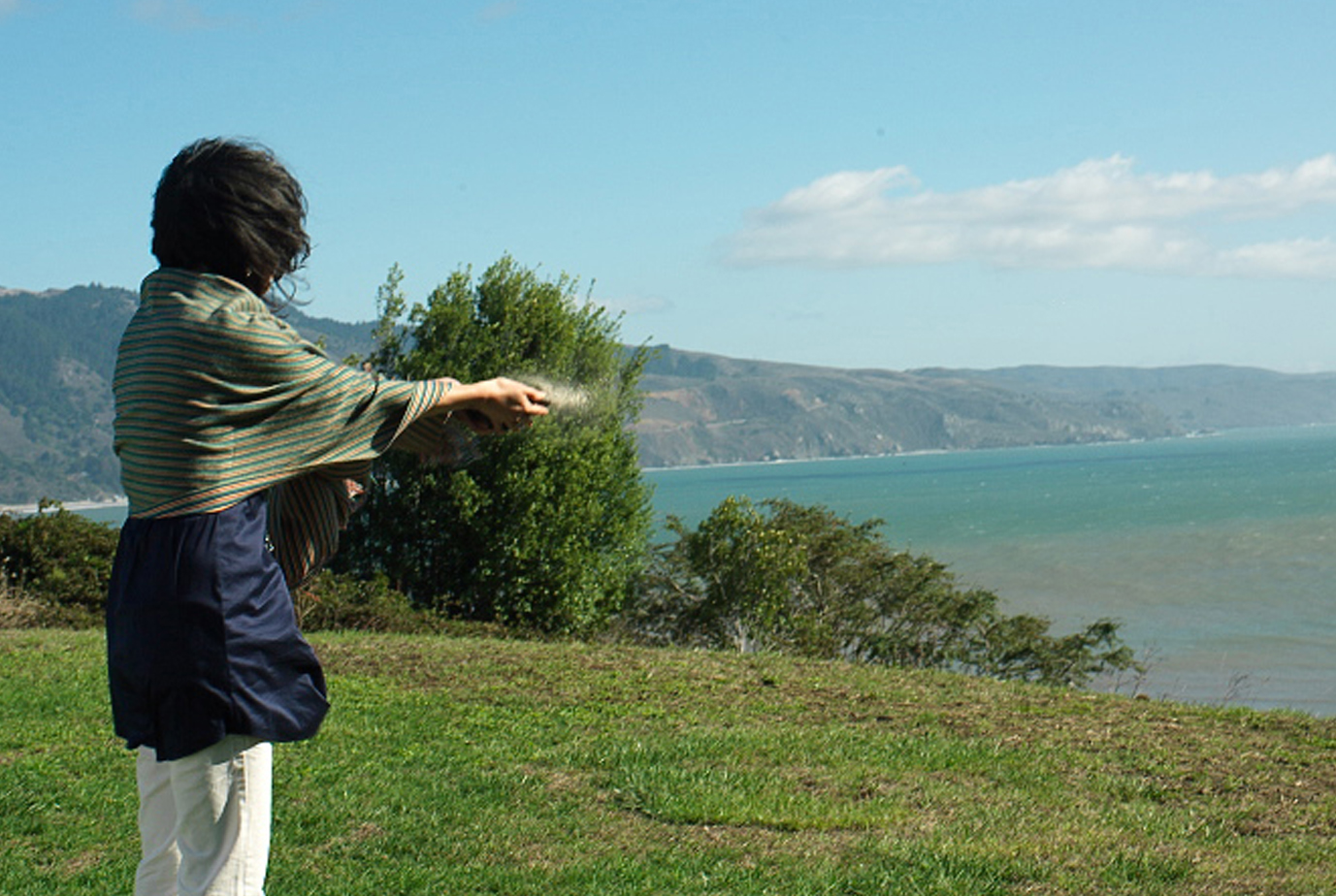
Cremation is becoming an increasingly popular choice for many, but there’s a lot to understand beyond just the basics. This section covers everything from the cremation process and costs to religious perspectives and environmental impact. You’ll also find guidance on securing your wishes, handling ashes, and choosing urns. Whether you’re planning ahead or helping a loved one, these articles offer clear, helpful information every step of the way.
Jump ahead to these answers:
- What Is Cremation?
- What Does the Bible Say About Cremation?
- Why Does the Roman Catholic Church Discourage Cremation?
- Do Any Religions Prohibit Cremation?
- What Religions Require the Faithful to Cremate the Dead?
- Is Embalming Required for Cremation?
- Can You Be Cremated With a Pacemaker?
- How Long Do You Wait Between Death and Cremation?
- What Is a Cremation Authorization Form?
- How Is the Body Prepared for Cremation?
- What Is Electric Cremation?
- What Is a Certificate of Cremation?
- Can I Witness My Loved One’s Cremation?
- What Happens to the Metal Removed From Cremated Remains?
- What Is an Urn Burial?
- Are Emissions From Cremations Regulated?
- What Is the Environmental Impact of Cremation Compared With In-Ground Burial?
- What Is a Keepsake Urn?
- What Is a Biodegradable Urn?
- How Much Does a Cremation Urn Cost?
- Do I Need a Casket for a Cremation?
- Can I Transport My Loved One’s Body to the Crematory Myself?
- How Do I Select a Cremation Urn?
- What Can I Do With Cremation Ashes?
- What Are Cremation Fireworks?
- How Much Does a Burial Plot for Cremation Ashes Cost?
- Is It True That I Can Send Ashes Into Space?
- How Can I Turn My Loved One’s Ashes Into Jewelry?
- Can You Suggest Some Unique Ideas for an Ash-Scattering Ceremony?
- Where Can I Hold an Ash-Scattering Ceremony?
- What Is a Scattering Garden?
- How Long Does It Take to Get Ashes After Cremation?
- How Do I Know That the Ashes I Receive Belong to My Loved One?
- What Should I Expect When I Receive My Loved One’s Cremation Ashes?
- How Do I Transport Cremation Ashes When Traveling by Air?
- How Does the Cost of Cremation Compare With Burial?
- How Much Does Cremation Cost?
- What Is the Best Way to Shop for Cremation Services?
- Can I Work Directly With a Crematory If I Choose Direct Cremation?
- What Is Direct Cremation?
- Cremation: Explore Trusted Resources
- Before Death: Choosing Cremation
What Is Cremation?
July 9th, 2025According to Webster, cremation is the process of reducing a human body to “ashes” by burning. In recent years, however, the Cremation Association of North America has introduced a revised definition, which states that cremation is any “mechanical, thermal or other dissolution process that reduces human remains to bone fragments.” This definition includes both flame-based cremation and alkaline hydrolysis, which is also known as biocremation.
With that being said, SevenPonds believes that the term cremation appropriately refers only to the process of disposing of a body by fire. Therefore, the information in this section will refer to flame-based cremation unless expressly stated otherwise. If you would like to know more about the process of alkaline hydrolysis, please visit our topic, “Alternatives to Burial and Cremation,” to learn more.
Jump ahead to these answers:
The Cremation Process
In a typical cremation of human remains, the body of the deceased arrives at the crematory in a rental casket or cremation container, which may consist of cardboard, particleboard, or unfinished wood. A finished wood casket may also be suitable if it is combustible and the materials are non-toxic when burned. If the body is in a rented casket, the crematory staff will transfer it to a combustible container before it is put in the cremation chamber (also known as a retort).
During cremation, the retort is superheated to about 1,400 to 1,800 degrees Fahrenheit and carefully monitored until the body is consumed. From beginning to end, this process will usually take about 2 hours for an adult and as little as 30 minutes for an infant. When the cremation is over, all that remains in the retort is bone fragments and any non-consumed metal objects, such as handles and screws from the coffin, dental fillings and surgical implants. Pacemakers and implantable electronic defibrillators are removed before cremation.
Next, the bone fragments and metal objects are removed from the retort and allowed to cool. After cooling, crematory staff remove any metal fragments using powerful magnets and, in some cases, by hand. Then the bone fragments are pulverized in a cremulator machine, yielding about 3 to 7 pounds of ashes. You can request that the crematory staff omit this step if you wish.
The ashes are then placed in a sturdy plastic bag and transferred to either an urn selected by the family or a temporary container provided by the crematory. Typically, the temporary container is a simple cardboard box.
Benefits of Cremation
Cremation has been gaining popularity throughout North America since the early 20th century, increasing from just over 30% of all deaths to nearly 61.8% in 2024. This is partly due to a shift from elaborate, “traditional” funerals to a more straightforward way of caring for the dead. A more mobile society has also played a role: As more and more people leave their hometowns searching for new opportunities, the importance of local cemeteries and family burial plots has declined.
Cremation is also viewed by many as a more environmentally friendly form of disposition than in-ground burial, which is quite resource-intensive when one factors in land use. Cremation has a smaller, albeit not negligible, environmental impact: Experts estimate that cremations in the U.S. account for about 360,000 metric tons of carbon emissions yearly. But while that seems like a large number, it is only a tiny fraction of the over 5 million tons of carbon dioxide emissions produced annually in the U.S. The impact of mercury emissions from burned dental fillings — once a considerable concern — has been largely eliminated by the use of scrubbers and filters used by modern crematories.
With that being said, most industry experts agree that by far, the single most influential factor in the shift from burial to cremation is cost. According to data from the U.S. Bureau of Labor Statistics, funeral costs in the U.S. increased 227% between 1986 and 2017 while the cost of caskets rose 222%, far outpacing the inflation rate. Today, the average funeral with a viewing and burial costs about $9700, while a cremation with a viewing costs about $6500. Direct cremation, which eliminates the funeral home and the price of a casket and embalming, can be purchased for between $1500 and $3000 in many parts of the U.S. As many Americans are dealing with the effects of stagnant wages and increasing prices of consumer goods, cremation is becoming a more sensible financial choice.
What to Do With Cremation Ashes
Once your loved ones have retrieved your cremation ashes from the crematory, they can handle them in various ways. If you have a preference about what you would like done with them, it’s a good idea to communicate this information to your next of kin or durable power of attorney for healthcare, both verbally and in an advance directive or legal will.
As cremation has evolved into the most popular form of final disposition in North America, many innovative ways of laying cremation ashes to rest BURIED have emerged. Among these include :
- Ash Scattering – Many people choose to have their ashes scattered during a memorial ceremony or celebration of life. Ash scatterings can take place almost anywhere, although the legality of doing so will depend on the location you choose. State and national parks generally have few restrictions but smaller municipalities may be stricter about where ash scattering can occur. The Environmental Protection Agency enforces some rules regarding ash scattering over the ocean. For example, the minimal distance from shore at which scattering at sea can occur is three nautical miles. Additionally, any ash scattering at sea must be reported to the EPA within 30 days. Privately owned locations, such as golf courses (a surprisingly popular choice) and sports stadiums, may or may not allow the scattering of ashes, so always check in advance.
- Storing Cremation Ashes – Although many families scatter their loved one’s ashes, others choose to display them in an ornamental urn in the family home. Urns can be simple or elaborate, and prices vary greatly, so it’s wise to shop around a bit. Generally, you will find lower prices at an online retailer than at a crematory or funeral home.
If you have more than one family member or loved one who would like a portion of the ashes, you can also purchase small keepsake urns that will hold a small amount of ashes (usually about 1-2 ounces) so that everyone can keep their loved one close. Cremation jewelry, such as lockets that hold a tiny amount of cremation ashes, is also a popular choice.
Still another option for storing ashes is to place them in a columbarium – a room or building, usually found in a cemetery, specifically for the interment of cremation ashes. Derived from the Latin word “columba,” which means doves, columbariums contain many individual niches, much like those found in dovecotes. Niches can be indoors or outdoors and are large enough to hold a single urn. Depending on the location, they can range from about $750 to several thousand dollars in price.
- Burying Cremation Ashes – Although burying cremation ashes is a less popular choice among American families than scattering or storing them, it is legal to bury ashes on private property you own. If you choose this route, it’s best to choose a biodegradable urn made of sustainable materials rather than an urn made of metal, which will not degrade for many years. Burying ashes at sea is also an option. In this case, choose a biodegradable urn explicitly made to dissolve in water over a short period of time. Members of the Roman Catholic faith may also bury their loved one’s ashes in a consecrated cemetery as this is the preference of Church leadership.
In summary, cremation is a popular means of final disposition in the U.S. and Canada, largely due to its environmental and economic benefits compared to in-ground burial. Cremation also affords much more flexibility than full-body burial and is viewed by many as a simpler and more personal way of disposing of our dead.
- Add how much cremation ashes a family will receive from the funeral provider.
Sources
“Cremate”. Merriam-Webster. https://www.merriam-webster.com/dictionary/cremate
“Cremation Process”. Cremation Association of North America. https://www.cremationassociation.org/cremationprocess.html
“CO2 Emissions by Country”. Worldometer. https://www.worldometers.info/co2-emissions/co2-emissions-by-country/
“The rising cost of dying, 1986–2017”. Bureau of Labor Statistics. https://www.bls.gov/opub/ted/2017/the-rising-cost-of-dying-1986-2017.htm
What Does the Bible Say About Cremation?
July 8th, 2025The Bible does not directly address the practice of cremation, nor does it prohibit it. While there are references to the burning of bodies, these instances were not in the context of cremation. Although cremation was practiced during the same timeline that many Biblical events would have occurred, burial was the standard practice of disposition among Jews and early Christians. In this regard, it can be argued that cremation is neither prohibited nor supported and that the decision to be cremated is a matter of personal choice for the reader.
Some have suggested that one potential reference to cremation is found in 1 Samuel 31, in which Saul and his sons’ bodies were burned after death and the bones were buried. There are a wide variety of Biblical interpretations among the existing denominations found within Christianity. Many of these denominations have differing perspectives regarding cremation based on their interpretation of the Bible. Similarly, there are many Christians who have their own independent beliefs regarding whether cremation is appropriate within the context of their faith.
It is important to note that some denominations emphasize the importance of burial while others accept cremation. Ultimately, cremation is a personal decision based on an individual’s religious beliefs or preferences. Those who are considering cremation for themselves or a loved one but are uncertain of its relation to their faith are encouraged to consult with a religious leader within their denomination for further guidance.
Sources
“What Does the Bible Say About Cremation?”. Got Questions. Retrieved from https://www.gotquestions.org/cremation-Bible.html
“Cremation & Christianity: What the Bible Says About Cremation”. Philadelphia Cremation Society. Retrieved from https://www.cremationsocietyofphiladelphia.com/bible-and-cremation/#Cremation_in_the_Old_Testament
Why Does the Roman Catholic Church Discourage Cremation?
July 8th, 2025The Roman Catholic Church discourages cremation due to beliefs surrounding the resurrection of the body and the overall importance of maintaining the sanctity of the body, both in life and death. Since the body is viewed as a sacred vessel of the Holy Spirit, it is likewise believed that it should be treated in a manner that maintains dignity and glorifies God. In this regard, there were concerns regarding potential disrespect of the body in the process of cremation.
The final resurrection of the body to be united with Christ and the beliefs surrounding the resurrection is another matter that influences the general discouragement of cremation among the Roman Catholic Church. Previously, some held the belief that a decision to cremate the body prevented that individual from participating in the resurrection due to rendering the physical body to ash. Eventually, the Church changed its guidance regarding cremation by acknowledging that cremation does not impede the resurrection since it is the spiritual body that is raised by Christ rather than the physical body.
Changes to the Roman Catholic Church’s stance on cremation have been relatively recent, following a prior ban that extended for centuries. The ban on cremation was not lifted until an amendment of the Code of Canon Law in 1963. Additional changes since then have included the decision to allow ashes in funeral masses in 1997 and new guidance regarding appropriate resting places for the cremated remains in 2016. In general, cremation has become more acceptable within the Roman Catholic Church as long as the practice and any actions that follow maintain respect to the sanctity of the body.
Burial is still regarded as the most appropriate method of disposition for followers of the Roman Catholic Church, although cremation is permitted. The reason for cremation must not be in denial of the faith and additional considerations regarding how ashes are handled also exist. Ashes cannot be divided or shared among family members and can only be stored in a sacred place. Funeral rites must still be conducted, whether it is before cremation or afterward, but cremation itself is generally recommended to occur after the funeral mass. Overall, the Church’s guidance on cremation reflects its commitment to maintaining the dignity and sanctity of the body, both in life and in death.
Sources
“Catholic Cremation Beliefs”. Tulip Cremation. https://www.tulipcremation.com/articles/tulip-expert-guides/cremation/catholic-cremation-beliefs.html
“Vatican Clarifies the Rules for Cremation: Bury, Don’t Scatter”. New York Times. https://www.nytimes.com/2016/10/26/world/europe/vatican-bans-scattering-of-human-ashes.html
“Does the Church Forbid Cremation?. EWTN. https://www.ewtn.com/catholicism/library/does-the-church-forbid-cremation-993
Do Any Religions Prohibit Cremation?
July 8th, 2025Several religions, including Orthodox Judaism, Islam, and the Eastern Orthodox Church, strongly discourage or prohibit the practice of cremation. Believers of these faiths often view the body as sacred and require that it should be buried intact based on the sacred texts and laws within the respective religion. Cremation is frequently seen as a form of desecration or destruction in these contexts. For example, Orthodox Judaism mandates that burial should occur as soon as possible after death, which likewise implies that cremation would be an unacceptable practice. The Torah bans cremation, and Orthodox Jews believe that the body is created in the image of God and should be treated with sanctity.
A similar stance regarding cremation is found within Islamic tradition. Muslims must be buried in a grave that is aligned perpendicularly to Mecca and positioned so that the body of the person who died can face Mecca when lying on its right side. There are also specifications to prepare the body for burial in a manner that honors the person who has died. Consequently, cremation is prohibited and is generally viewed as disrespectful.
The Eastern Orthodox Church shares similar concerns regarding the prohibition of cremation. Eastern Orthodox Christians believe that the body is the temple of the Holy Spirit and should be treated with respect as a sacred vessel. Cremation is viewed as disrespectful since it destroys this vessel. Cremation is often controversial among Eastern Orthodox Christians since it is thought to be a denial of the resurrection of the body, and likewise, a pagan practice that was not acceptable to early Christians.
While the Roman Catholic Church has permitted cremation since 1963, it is only permissible under specific criteria. In a 2016 statement, the Vatican clarified that although cremation does not disrupt the possibility of resurrection, it creates other possibilities for the body to be disrespected. The Church forbids the scattering of cremains (also called cremated remains or ashes), their display in homes, or their preservation in memorial jewelry, art, or other items. If the Church discovers that the person who died intended for their ashes to be handled in a manner that is contrary to this guidance, they may be refused a Catholic funeral service. The only approved practice approved by the Catholic Church is to inter ashes in a cemetery or similar sacred location.
While these beliefs are common within their respective religions, attitudes toward cremation often vary among people of faith. These attitudes can be influenced by personal beliefs, considerations, or cultural traditions. Ideally, arrangements for cremation, or lack thereof, should be made in advance by the individual that is planning their own end-of-life decisions. However, this is not always possible if death occurs unexpectedly or if the individual avoids making these plans due to general discomfort surrounding the topic of death. In such cases, the person who is tasked with making decisions on behalf of the person who died should consult with religious authorities or other knowledgeable professionals within the community. Through careful consultation, they can ensure that any arrangements respect the faith and wishes of the person who died.
Sources
“Vatican issues guidelines on cremation, says no to scattering ashes”. CNN. https://www.cnn.com/2016/10/25/europe/cremation-vatican-scattering
“Cremation”. Orthodox Church in America. https://www.oca.org/questions/deathfunerals/cremation
“Cremation Planning Resources”. Neptune Society. https://neptunesociety.com/resources/cremation-planning
“Ask the Rabbi: Why does Jewish law prohibit cremation?” The Jerusalem Post. https://www.jpost.com/magazine/ask-the-rabbi-why-does-jewish-law-prohibit-cremation-576174
What Religions Require the Faithful to Cremate the Dead?
July 8th, 2025Hinduism is generally considered to be the only major world religion that mandates cremation as the last rite or antim sanskar. Within Hindu tradition, it is the final samskara or life stage ritual and reflects the act of purification for the person who has died. It is believed that cremation aids the soul in being liberated from the body, which is known as moksha, so that it may transition into the afterlife. Some people are not allowed to be cremated since they are believed to have already either achieved purification or attained moksha; these include pregnant women, children, enlightened saints, spiritual masters, and yogis.
In Buddhism, cremation is widespread and generally preferred, but it is not a requirement. In Buddhist tradition, cremation can be perceived as a reflection of detachment from the physical world. Likewise, the Buddha was also cremated, and many Buddhists prefer cremation for this reason as well. However, burial is permissible in Buddhism if cremation is not possible. Similarly, cremation is traditionally practiced in Sikhism and Jainism, but it is not required.
Some religions consider the presence of the physical body to be directly tied to resurrection or reincarnation, which makes burial the default manner of disposition. In contrast, since cremation is required in Hinduism, it can disrupt the soul’s separation from the physical world and progression towards reincarnation if the person who died isn’t cremated. Due to this implication, alternate rituals must be performed if cremation is not possible.
Sources
“Antim Sanskar (Final Rites): A Sacred Journey of Farewell and Liberation”. Asian Indian Funeral Service. https://www.asianindianfuneralservice.com/blog/blog/antim-sanskar-final-rites-a-sacred-journey-of-farewell-and-liberation
“Which religions support cremation?” Lady Anne Funerals. https://www.ladyannefunerals.com.au/blog/which-religion-is-most-associated-with-cremation
“4 types of people who are not allowed to be cremated as per Hindu shastras and beliefs”. Times of India. https://timesofindia.indiatimes.com/life-style/soul-search/4-types-of-people-who-are-not-allowed-to-be-cremated-as-per-hindu-shastras/photostory/120329311.cms?picid=120329330
“What do religions have to say about cremation?” Bare. https://bare.com.au/blog/what-do-religions-have-to-say-about-cremation
“Religion and Cremation”. Cremation. https://www.cremation.com/learn-about-cremation/religion/
“Cremation and Religion”. Phaneuf. https://phaneuf.net/blog/cremation-and-religion
“Hindu Cremation Beliefs and Traditions Explained”. Meadow. https://www.meadowmemorials.com/blog/hindu-cremation-guide
Is Embalming Required for Cremation?
July 8th, 2025According to the Federal Trade Commission, no state requires embalming for every death. Some states do mandate embalming if the body is not cremated or buried within a designated period of time. Others have no restrictions at all.
With that being said, funeral directors can require embalming if the body is to be on view in the funeral home. Furthermore, some funeral directors will tell you embalming is required by state law when, in fact, it is not. If your service provider insists that embalming is legally mandated in your state, ask them to show you a copy of the law. If they can’t produce it, you may file a complaint with the FTC. Telling you a statute exists when it does not is both unethical and illegal.
Many people in the United States and Canada believe that embalming is an essential part of after-death care. However, according to the Funeral Consumers Alliance, embalming provides no public health benefit at all. What’s more, the chemicals used in embalming are so toxic that the National Institute for Occupational Safety and Health requires embalmers to wear respirators and full body protection when handling them.
The only true reason to embalm a body is to preserve it for an extended period of time — for example, during interstate or international transport. As of 2016, two states, Alabama and Alaska, require embalming when a body crosses state lines. Five other states — California, Kansas, Minnesota and New Jersey — require embalming when a body is being transported by “common carrier” (air cargo or train).
If you are arranging cremation and wish to forego embalming, make your wishes clear to the service provider before contracting with them. If they cannot or will not accommodate you, search for a provider who will. Alternatively, you may choose direct cremation shortly after the death. Direct cremation typically requires no preparation of the body at all.
For an overview of state laws about embalming and after-death care, refer to the National Home Funeral Alliance’s overview of state law. If you have additional questions or wish to find out more about legalities in your state, contact your state officials and local chapter of the Funeral Consumer Alliance or call the FCA headquarters at 802-865-8300.
Sources
“The FTC Funeral Rule”. Federal Trade Commission – Consumer Alliance. https://consumer.ftc.gov/articles/ftc-funeral-rule
“Embalming Explained”. Funeral Consumers Alliance. https://funerals.org/get-help/making-decisions/embalming-explained/
“Laws by US State”. National Home Funeral Alliance. https://www.homefuneralalliance.org/state-laws.html
Can You Be Cremated With a Pacemaker?
July 8th, 2025Pacemakers and other battery-powered devices must be removed before cremation since they pose a safety risk. The lithium batteries used in pacemakers will likely explode when exposed to high temperatures during cremation, and these explosions can seriously harm the staff or damage the crematory chamber at the facility. If your loved one had a pacemaker before death, the funeral home or crematory has trained staff who are experienced in the proper removal of these implanted devices. Even so, it is crucial to proactively notify them of the presence of any devices before the cremation process begins.
During the discussion regarding removing the pacemaker, you will be asked to decide what should be done with the device after removal. The most common options include recycling pacemaker materials, donating them so they can be reconditioned to help other individuals, or returning the device ot the manufacturer for research purposes. Many individuals find it comforting to know that their loved one’s pacemaker can be repurposed to function as a lifesaving measure for someone else in need of the device.
In summary, the removal of a pacemaker prior to cremation is paramount in the prevention of safety hazards in the funeral home or crematory. This key precaution ensures that the retort is not damaged, staff are not harmed, and cremated remains are preserved as requested.
Sources
“Why a Pacemaker Should Be Removed Prior to Cremation”. Neptune Society. https://neptunesociety.com/resources/cremation-planning/why-pacemaker-should-be-removed-prior-to-cremation
“Can You Be Cremated With a Pacemaker?” Farewill. https://farewill.com/articles/can-you-be-cremated-with-a-pacemaker
“Can recycled pacemakers from the U.S. save lives overseas?” University of Michigan. https://www.michiganmedicine.org/health-lab/can-recycled-pacemakers-us-save-lives-overseas
How Long Do You Wait Between Death and Cremation?
July 8th, 2025The time between the date of death and cremation is typically 24 to 48 hours, depending on state regulations. There may be a longer waiting period in some states since crematories cannot proceed with performing the cremation until they have the death certificate on file and cremation authorization completed. Likewise, doctors and medical examiners have their own time limits to sign and approve the certificate. Cremation may also be delayed if there are concerns surrounding the cause of death, such as if further investigation or an autopsy needs to be conducted. While a 24 to 48-hour waiting period is standard, families can wait to have their loved one cremated if they choose to do so, or if they would like to hold a viewing before cremation takes place
Most states will adhere to a 24-hour waiting period, although there are some states that specifically require a 48-hour waiting period before cremation can commence. Since this can vary from state to state, we recommend checking requirements with your local funeral director. Ultimately, the longer waiting period is intended to ensure that there is enough time for authorizations and paperwork to be completed. If there are any mistakes, errors, or inconsistencies in the paperwork, the additional time ensures that appropriate corrections can be made. Typically, authorizations and paperwork can be completed and collected within 48 hours. However, in some cases, delays may occur. These delays are often a result of doctors taking longer to certify the death or encountering challenges in obtaining the required signatures and authorizations from the person with the right to control disposition.
In general, the wait between the date of death to the time of cremation is usually only a matter of days. Since the length of time can vary by state, reaching out to the funeral director to inquire about when the cremation is authorized to begin is an ideal way to set expectations and further prepare with loved ones. Additionally, ensuring that they have the necessary contact information in case additional signatures or authorizations are needed can help avoid potential delays.
Sources
“Cremation Timeline: How Long Is There Between Death and Cremation?” Titan Casket. https://titancasket.com/blogs/funeral-guides-and-more/cremation-timeline-how-long-is-there-between-death-and-cremation
“How Long Is The Waiting Period Between Death and Cremation in Florida?” Going Home Cremations. https://goinghomecremations.com/how-long-is-the-waiting-period-between-the-death-and-cremation/
What Is a Cremation Authorization Form?
July 8th, 2025A cremation authorization form is a legal document that gives permission for the person who died to be cremated. This form typically needs to be completed and signed by the next of kin or a legal representative of the person who died. It may also be signed by the person themselves if self-authorizing during prearrangement or in their last will and testament. (The laws around this differ from state to state.) The form ensures that the wishes of the deceased are respected and carried out..
In order to get cremation authorization, you’ll need the death certificate signed by a medical professional with the cause of death noted. (This is to ensure that no foul play has occurred and no death investigation is pending, as no DNA remains following cremation). The cremation authorization form also outlines any specific instructions or requests for the cremation, such as whether or not any personal belongings should be cremated with the body. It also typically includes who is to receive the cremated remains after the process is complete.
The purpose of a cremation authorization form is to protect both the funeral home or crematorium and the family of the deceased. By obtaining written authorization, there is a clear record of consent from the appropriate parties. This helps to prevent any potential legal disputes or misunderstandings regarding the cremation process.
Sources
“Why Cremation Authorization and Approvals Are Necessary”. Direct Cremate. https://www.directcremate.com/why-cremation-authorization-and-approvals-are-necessary/
“Who Has to Sign the Cremation Authorization Certificate?” TruPoint Memorials. https://trupointmemorials.com/a/s/answers/cremation/who-has-to-sign-the-cremation-authorization-certificate
How Is the Body Prepared for Cremation?
July 8th, 2025After a body has arrived at the crematorium or funeral home, it is typically prepared for cremation by being bathed and dressed. If a body is going into direct cremation, it will be placed in refrigerated storage in the clothing worn at time of death. Any jewelry the family wishes to keep is removed, along with any mechanical or battery-operated medical devices like pacemakers or certain prosthetic limbs. If the body is being viewed before cremation, it will be embalmed for the service then placed in refrigerated storage following.
When ready for cremating, the body is placed inside a sturdy, combustible container that is suitable for cremation. This is often a simple cardboard box or a wooden casket. From there, it will go into the cremation chamber, also known as a retort.
Sources
“How Is a Body Prepared for Cremation? Cremation Explained”. Cremation Green. https://www.cremation.green/how-is-a-body-prepared-for-cremation-cremation-explained/
“How does cremation work? Exploring the Process from Start to Finish”. Lincoln Heritage Funeral Advantage. https://www.lhlic.com/consumer-resources/how-does-cremation-work/#prepare
What Is Electric Cremation?
October 14th, 2025Electric cremation, sometimes called electric incineration, is an environmentally friendly alternative to traditional cremation methods. It is an increasingly popular option in regions such as England, Germany, and the Netherlands. Although it is gaining interest in the United States, the technology is not yet comparable to what is available abroad at this time. It relies solely on the use of electricity for heat generation instead of gas and doesn’t need open flames to achieve the necessary temperatures for cremation. Compared to traditional cremation, electric cremation doesn’t contribute to air pollution since it doesn’t create emissions or produce greenhouse gases.
The process of electric cremation is similar to traditional cremation in some respects. An electric cremation usually takes around three to four hours, which is comparable to the length of time for a traditional cremation. Additionally, electric cremation still includes the use of a high-powered furnace and a retort. The body of the person who died is placed in the furnace after it has reached an appropriate temperature and then the chamber is closed. During the cremation process, any gases or other substances that are created are filtered through a water treatment process prior to being vented. The water used for the treatment process is also filtered by redirecting it to an effluent treatment plant.
There are a few other aspects of electric cremation that are environmentally sound in comparison to traditional cremation. Electric cremators can be powered using basic electrical connections such as a three-phase electric outlet. As a low-energy option, they typically only use around 300 kWh of electricity (about one-third of the kWh used by an average household in one month). Many electric cremator models have reporting functionality to further optimize energy usage based on pressure, oxygen, and temperature levels. The reporting functionality can be useful in jurisdictions where crematories are required to report to state environmental protection agencies.
Sources
“Greening the Burial of the Dead, in Brooklyn”. The New Yorker. https://www.newyorker.com/news/our-local-correspondents/greening-the-burial-of-the-dead-in-brooklyn
“How Electric Cremation Compares to Other Cremation Services”. https://www.cremation.green/how-electric-cremation-compares-to-other-cremation-services/
What Is a Certificate of Cremation?
July 8th, 2025A certificate of cremation or cremation certificate is an official document that verifies completion of the cremation process for the person who died, and generally goes to next-of-kin (who is receiving the remains). It serves as legal proof that the person has been properly cremated and their remains have been handled according to state regulations. The certificate of cremation contains essential information including:
- Name of the person who died
- Date of the cremation
- Name and address of the crematorium
- A crematorium ID number for the person cremated
- Signature of a representative from the crematorium
It’s important to retain the certificate of cremation along with the death certificate, as it will be required anywhere you need to verify that the disposition occurred as planned. It’s also required for traveling with cremated remains on an airplane, and is helpful for family record-keeping.
Obtaining a copy of a cremation certificate
If you need an additional copy or replacement of a loved one’s cremation certificate, the first step is to contact the funeral home or crematorium where the service took place. They should be able to provide you with an official copy of the certificate upon request. You can also contact your state’s vital records office which will also have a copy on file.
Sources
“What is a Cremation Certificate?” Cremation Green. https://www.cremation.green/what-is-a-cremation-certificate/
Can I Witness My Loved One’s Cremation?
July 8th, 2025Most crematories will allow family members and loved ones to witness the cremation process if it is requested, although some crematories have their own policies or procedures that may prohibit this option. Known as a witnessed cremation, this service allows family members and loved ones to either view the full cremation process or the moment when the body of the person who died is placed into the retort, or cremation chamber. Reaching out directly to the crematory provider to ask whether this option is available is highly encouraged since it can help clarify if there are any requirements or restrictions associated with attendance.
The witnessing portion of the experience can vary based on how the crematory typically handles these requests. Some crematories have a special room that is designated for witnessing the cremation of a loved one. These rooms include comfortable seating for the attendees and usually feature a glass wall, a window, or a large screen for viewing the cremation. Sometimes, the setting for witnessing may be less comfortable and might only include a room that contains the retort. The crematory may also limit the amount of time spent witnessing the cremation. Since a cremation can take two to five hours, some crematories will only allow family members and loved ones to witness the portion of the process involving the retort. However, there are some crematories that still allow attendees to witness the majority of the process if that is their preference.
There are a variety of factors that affect a family’s decision to witness the cremation of a loved one. In some cultures and religions, viewing a cremation is a tradition. Some people may find that viewing a cremation provides them with a greater sense of closure since this is the last moment they will be able to be present with their loved one. Viewing the process can help them to achieve acceptance of the death, especially if they are in disbelief or struggling with skepticism due to their grief. Sometimes, the decision to witness the cremation may also be a matter of trust or a sense of protection since some people feel obligated to ensure that they receive the correct ashes. Finally, witnessing a cremation can provide one more moment to honor a loved one and reflect on their legacy or pay last respects.
Sources
“Can I Get a Witness (Cremation)?” Cremation Association of North America. https://www.cremationassociation.org/blog/can-i-get-a-witness-cremation
“Can Family Members Watch the Cremation?” Urns Northwest. https://urnsnw.com/blogs/default-blog/articles-can-family-members-watch-the-cremation
“Why families choose to witness the cremation of a loved one” Phaneuf. https://phaneuf.net/blog/witness-cremation
What Happens to the Metal Removed From Cremated Remains?
July 8th, 2025Joint replacements, screws, and metal implants that remain after cremation are typically sent to a recycling company. Since these metal components are mixed with the cremated remains after the cremation is complete, they have to be separated from the residue of the ashes and extracted. Extraction may be handled by the crematorium or by the recycling company. After the metals have been recycled, the proceeds are either given back to the crematorium or donated to a charity.
While replacements and implants are commonly considered as the source of metals following a cremation, metal by-products may also remain if the individual was cremated in a casket. Recycling these metals allows them to be repurposed for other uses. For example, a titanium implant used for a hip replacement can be recycled and repurposed into new parts for an aircraft, or gold used for dental implants may be repurposed for use in electronics. The decision to recycle means that metals that are otherwise rendered useless and discarded after cremation can be transformed into something new and beneficial for other people.
Recycling was not always a common practice following cremation, but it has gained popularity due to the growing interest in environmentally friendly alternatives. Previously, any remaining metals from cremation were stored until there was enough to warrant burial at the crematorium. However, this practice has become less prevalent because it is not environmentally sustainable compared to recycling. Moreover, most crematoriums require permission from the next of kin to recycle these metals. As some individuals may feel uneasy about having their loved one’s implants or other metal components recycled, they have the option to decline and have these items returned along with the cremated remains.
Sources
Implant Recycling. https://www.implantrecycling.com/
“Cremation: What Happens to the Metals in Your Body?” Collier Law. https://collier-law.com/blog/cremation-what-happens-to-the-metals-in-your-body/
“How crematoriums are recovering precious metals from inside the dead”. CBC. https://www.cbc.ca/news/science/crematoriums-recovering-precious-metals-dead-bodies-1.4623039
“What Happens to Precious Metals in the Body During Cremation?” TruPoint Memorials. https://trupointmemorials.com/a/s/answers/cremation/what-happens-to-precious-metals-in-the-body-during-cremation
What Is an Urn Burial?
July 8th, 2025An urn burial is a form of interment where cremated remains, or ashes, are buried in the ground or placed in a cremation urn vault. Although urn burials have been practiced throughout history, they are becoming an increasingly popular selection since they are typically less expensive than traditional burials with caskets and provide more options in terms of memorialization. For example, some ashes may be used for keepsakes such as jewelry while the rest remain buried in the designated plot.
Most cemeteries will require the urn to be placed in a cremation urn vault, which is a holder that encloses the urn and prevents the ground from caving in or becoming unstable when the urn eventually breaks down. If the urn is made of marble or stone, it may also be used as a vault. If a biodegradable urn is used, it may be suitable for burial at a conservation or green burial site. Since cemeteries tend to have different rules or requirements, it is best to ask before making significant decisions.
Cemeteries are the most common location for urn burials, so some have designated areas known as urn gardens specifically designed to include small plots and unique landscapes as potential burial sites. Conservation burial grounds or similar natural locations are another popular choice to bury ashes, especially among those seeking an eco-friendly option as a final resting place. It is important to note that although burial may be allowed with a biodegradable urn, some natural burial grounds don’t allow ashes to be scattered. Depending on local and state regulations, individuals might also want to consider that ashes may be buried at home.
Ultimately, urn burials uniquely balance traditional burial practices and personal values. Urn burials provide another opportunity to remember the person who died in a respectful and dignified manner outside of the traditional burial setting. As cremation costs are often less than burial costs, urn burials will likely become a common choice for those seeking cost-effective and sustainable ways to memorialize loved ones.
Sources
“Guide to green burial – A natural approach to funerals.” Lincoln Heritage Funeral Advantage. https://www.lhlic.com/consumer-resources/green-burial/#option
“Urns for burial: What you need to know about burying ashes.” Urns Northwest. https://urnsnw.com/articles/urns-for-burial
“Statistics”. National Funeral Directors Association. https://nfda.org/news/statistics
“How much does a funeral cost?” Lincoln Funeral Heritage Association. https://funeraladvantage.com/consumer-resources/average-funeral-cost/
“How Much Does Cremation Cost?”. Choice Mutual. https://choicemutual.com/blog/cremation-cost/
Are Emissions From Cremations Regulated?
July 8th, 2025State environmental protection agencies regulate crematory emissions by way of air permits. Emission regulations can vary by state, but there are standard emission regulations that crematories are expected to adhere to, similar to other business regulations. These regulations include providing emission data to regulating bodies and understanding that visible smoke or emissions are subject to investigation from the state or municipality. Air permits can also indicate approved operating hours, zoning requirements, and the number of pounds that may be cremated within a specific timeframe.
During the COVID-19 pandemic, some air quality regulators lifted restrictions on the number of cremations that could be performed or increased operating hours for crematories to help them meet the increased demand for cremations. Although lifted regulations made it easier for crematories to address the influx of bodies, they also raised concerns about the consequences of human and environmental exposure to higher emission levels. As the demand for cremations gradually decreased during the pandemic and regulators transitioned back to enforcing their original limitations, air quality concerns also began to decline.
Cremations typically release various pollutants into the air, such as nitrogen oxide, carbon monoxide, mercury, sulfur dioxide, and particulate matter, which can negatively impact the environment and the human body. Crematories are expected to maintain and use the appropriate equipment and technology to control and reduce emissions as much as possible. The requirement to provide emission data ensures that crematories will maintain regular monitoring and reporting to achieve compliance with the regulating state body. Ultimately, although cremation emissions are regulated, it is crucial for crematories to consistently implement environmentally friendly practices and new technologies to reduce the overall impact on air quality.
Sources
“Environmental Impact of Cremation”. Cremation Association of North America. https://www.cremationassociation.org/blog/environmental-impact-of-cremation#:~:text=Now%2C%20in%20addition%20to%20zoning,city%2C%20etc.%2C%20levels.
“Los Angeles lifts air-quality limits for cremations as Covid doubles death rate”. The Guardian. https://www.theguardian.com/us-news/2021/jan/18/los-angeles-covid-coronavirus-deaths-cremation-pandemic
“Neighbors hope for relief from crematorium smoke as COVID-19 deaths decrease”. Cronkite News. https://cronkitenews.azpbs.org/2021/03/25/neighbors-hope-for-relief-from-crematorium-smoke-as-covid-19-deaths-decrease/
“Round-the-Clock Cremations Stoke Mercury Fears for Neighborhoods”. Bloomberg Law. https://news.bloomberglaw.com/environment-and-energy/round-the-clock-cremations-stoke-mercury-fears-for-neighborhoods
What Is the Environmental Impact of Cremation Compared With In-Ground Burial?
July 8th, 2025Understanding the differences in the environmental impact of flame cremation and in-ground burial is important when considering final arrangements. It is worth noting that these two processes are not always mutually exclusive, as cremation often follows embalming and viewing, and cremated remains are frequently buried.
Since cremation typically involves combustion and incineration, it releases carbon dioxide and other harmful greenhouse gases into the atmosphere, which can be damaging to the environment and people who are exposed to the pollution. It has been estimated that the fuel usage for one cremation is equivalent to 20 gallons of gas, or providing power for a 2000 square foot home for a week. Numerous variables influence the danger of emissions. These include:
- the type of cremation container used
- the age of the cremation equipment and how it is maintained
- the number of cremations conducted per day
- the presence or absence of implants in the body during cremation
In-ground burial also has a negative impact on the environment. Since most bodies are embalmed with traditional burial practices, the chemicals in the embalming solution may leach into the soil and groundwater. One estimate suggests that the ground is exposed to around 800,000 gallons of formaldehyde per year due to traditional burial practices, and this excludes other toxic substances such as phenol. Additionally, most caskets are made of non-biodegradable materials. This can contribute to issues such as depletion of natural resources, deforestation, and overcrowding the land with materials that may not degrade for decades or longer. As an example of the depletion of natural resources, US cemeteries bury over 30 million board feet of hardwood annually.
Since cremation and in-ground burial both have detrimental effects on the environment, looking to alternatives and making adjustments to common practices can help offset the impact. This may mean opting for more sustainable alternatives like water cremation (alkaline hydrolysis) or electric cremation, skipping embalming, using biodegradable funeral caskets and urns, or selecting natural and conservation burial grounds. Ultimately, examining personal preferences and values in relation to environmental concerns is essential when planning for final arrangements.
Sources
“Environmental Impact of Cremation”. Cremation Association of North America. https://www.cremationassociation.org/blog/environmental-impact-of-cremation
“Why Conventional Burial Harms the Environment”. Milton Fields. https://miltonfieldsgeorgia.com/conventional-burial-harms-environment/
“Green Burial & Other Environmentally Friendly Choices”. Funeral Consumers Alliance. https://funerals.org/get-help/green-options/
What Is a Keepsake Urn?
July 8th, 2025A keepsake urn is a specialized urn designed to hold a small amount of a loved one’s cremated remains, commonly referred to as cremains or ashes. Keepsake urns are often preferred over traditional urns if the ashes will be distributed among multiple individuals, such as family members or close friends. The smaller size of keepsake urns makes it easy to provide several tokens of remembrance to those who are grieving the loss of a loved one. They are also a convenient option for those who intend to travel with their loved one’s ashes.
People are often interested in keepsake urns since they serve as a tangible memorial for their loved ones. While many will choose to keep clothing or other items associated with the person who died, sometimes having an urn provides an additional way to maintain a sense of closeness. Although they are not quite the same as display urns, some people maintain keepsake urns in the privacy of their home. Others opt for burial or storage in a columbarium, which is a designated space for the interment of cremains. Columbariums often share space with or are located near mausoleums; they may be a room, a wall, or even an entire building.
Keepsake urns are available in a wide array of colors, styles, and designs to make it easier for grieving individuals to memorialize their loved ones in a meaningful and personal manner. Many keepsake urns are designed to look like traditional urns, but others may look like a pendant or a keychain. These types of keepsake urns differ from other memorial items, such as Parting Stones or cremation jewelry which utilize cremains but aren’t classified as urns.
Among the various types of urns available, each offers its own unique benefits and significance in the memorialization process. The choice between a traditional urn and a keepsake urn is a matter of personal preference. Neither option is superior to the other, and both options can provide a sense of comfort and meaning as they serve as a tangible reminder of a loved one.
Sources
“What you need to know about keepsake urns”. Memories. Retrieved from https://memories.net/blog/all-you-need-to-know-about-keepsake-urns
“Parting Stone.” Retrieved from https://partingstone.com/
“Mourning Jewelry Leaves the Victorian Era Behind”. New York Times. Retrieved from https://www.nytimes.com/2023/05/26/fashion/jewelry-mourning.html
What Is a Biodegradable Urn?
July 8th, 2025A biodegradable urn is an environmentally friendly alternative to a traditional cremation urn that is designed to break down, or biodegrade, as time progresses. Since these urns are made from natural materials, they leave a minimal carbon footprint, if any, during the biodegrading process. Similar to traditional urns, biodegradable urns are available in a variety of sizes and styles, making them a suitable alternative for the display or remembrance of a loved one.
Biodegradable urns are made of many different natural materials. Common options include paper, cardboard, sand, salt, wood fibers, bamboo, and various plant materials. Some urns are even made from coconut shells or wool fiber. The type of material used for the urn can determine under what conditions and the length of time it will take to biodegrade. Some materials will biodegrade more quickly than others, depending on how they are stored and used. For example, urns that are made of plant materials will typically remain durable above ground but will begin to biodegrade if they are exposed to water or buried. Paper urns are more fragile and typically need to be laminated to slow the biodegrading process.
As mentioned, the length of time associated with biodegrading can vary based on the material used for the urn. Salt and sand urns can last for years when they’re above ground, but will dissolve in the ground in a matter of hours due to their material. When paper urns are buried, they biodegrade within 2 to 6 weeks. Wood urns are typically the most durable and can take many years to degrade in the soil. Urns that are designed for water burial are often made of plant materials and can start to biodegrade very quickly once they come in contact with the water.
Although biodegradable urns are designed to break down over time when exposed to specific conditions, they typically have comparable durability to traditional urns if they are not exposed to natural elements such as water or soil. This means that they can be displayed on a mantle or similar area of your household without biodegradation. Additionally, biodegradable urns can be used for green cremations or water burials, whereas traditional urns typically cannot. They are a meaningful option for honoring the memory of a loved one while remaining environmentally conscious and mindful of the natural cycle of life and death.
Sources
“2025 Comprehensive Guide to Biodegradable Urns”. The Living Urn. https://www.thelivingurn.com/blogs/news/biodegradable-urns-a-comprehensive-guide
“What is a biodegradable urn for ashes?” One World Memorials. https://www.oneworldmemorials.com/blogs/news/18694667-what-is-a-biodegradable-urn-for-ashes
“Biodegradable Urns: What you Need to Know”. In the Light Urns. https://inthelighturns.com/blog/biodegradable-urns-what-you-need-to-know
How Much Does a Cremation Urn Cost?
July 8th, 2025Do I Need a Casket for a Cremation?
August 6th, 2025The use of a casket is not typically required for cremation, but the body of the person who died must be inside a sturdy container that is completely combustible. While there are many regulations pertaining to cremation, there aren’t any specific laws that require caskets. Although crematories may have their own guidelines regarding whether a casket is used, most will accept alternative containers instead of caskets as long as they fit the necessary criteria and don’t include any metal parts.
Caskets are less commonly used in cremations if the family is opting for a direct cremation instead of including a service with a viewing. Under these circumstances, the family can select a cardboard container that’s specifically designed for the transport and cremation of the body. Some crematoriums are also willing to conduct cremations with a cloth shroud instead of a cardboard container. If the preference is to have a funeral or another service that includes a viewing prior to having a cremation, a combustible casket needs to be selected to ensure that it is compatible with the cremation process. These caskets don’t have a metal finish or body and are typically made of wood, bamboo, wicker, or other materials. Many funeral homes will also provide a rental casket that can be used for the viewing and replaced with a cardboard container afterwards.
It is important to note that although caskets are not expressly required for cremations, containers are mandatory. In most crematories, bodies need to be contained for the purpose of maintaining occupational health and safety requirements. The use of a container also protects the body of the person who died during the transportation process and protects the facility staff while they are handling the body. Additionally, crematory operators have different licensing requirements compared to funeral and transportation staff, so they are often unable to directly handle the body due to the limitations of their license. Ultimately, the use of a container helps facilitate the cremation process according to these requirements while also ensuring that the family of the person who died has the flexibility of choosing an option aside from the traditional casket.
Sources
“Common Cremation Misconceptions: You Need a Casket for Cremation”. Direct Cremate. https://www.directcremate.com/common-cremation-misconceptions-you-need-a-casket-for-cremation/
“When Do You Need a Coffin For Cremation?” Titan Casket. https://titancasket.com/blogs/funeral-guides-and-more/when-do-you-need-a-coffin-for-cremation
“Do You Need A Casket For Cremation Services?” Linquist. https://www.lindquistmortuary.com/do-you-need-a-casket-for-cremation-services
“Why is a Casket Required for Cremation?” Basic Funerals. https://www.basicfunerals.ca/cremation/why-is-a-casket-required-for-cremation
Can I Transport My Loved One’s Body to the Crematory Myself?
August 6th, 2025Yes, you can transport your loved one’s body to the crematory yourself in many jurisdictions, but some considerations must be taken regarding legal and logistical factors. Regulations vary by state; some states require that only licensed professionals can handle your loved one after death. However, some states allow the family to handle the transport if they have the death certificate, a burial transit permit, a compliant container, and a method for refrigeration or preservation. Additionally, you will need to have a vehicle that is suitable for securely transporting your loved one.
While it is possible to transport your loved one to the crematory on your own, it is crucial to ensure you are adequately prepared and aware of all of the rules that must be adhered to within your state or across state lines. Funeral directors are also helpful in guiding cooling logistics, streamlining some of the more complex paperwork, and coordinating with the crematory. Additionally, most crematories need advance notice prior to the transport of your loved one to their facilities. Taking these factors into consideration, it is highly recommended to consult with the funeral home and funeral directors or other professional services to ensure regulatory compliance if you choose to transport your loved one’s body to the crematory.
Sources
“Transporting a Deceased Loved One”. Bissler and Sons. https://www.bisslerandsons.com/blog-posts/9660/transporting-a-deceased-loved-one
“Transporting a Body Over State Lines: Navigating After Death”. Earth. https://earthfuneral.com/resources/transporting-a-body-state-lines
“Cremation Laws and How They Affect Arranging a Cremation”. US Funerals Online. https://www.us-funerals.com/understanding-cremation-laws-and-how-they-affect-arranging-a-cremation/
How Do I Select a Cremation Urn?
July 8th, 2025First, know that buying a cremation urn isn’t strictly necessary. If you’re going to scatter all of your loved one’s ashes, you can do so from the temporary container provided by the funeral home. However, most people choose to keep at least a portion of their loved ones’ cremation ashes, either in the family home or in a niche in a columbarium. In that case, you will need to select a cremation urn or urns. You will also need an urn if you plan to bury the ashes in a cemetery.
This is a very personal decision, so take your time to make up your mind.
As you think about cremation urns, the first consideration is how large of an urn you will need. Most commercially available urns are a standard 200 cubic inches, which is large enough to accommodate the ashes of most adults. However, if more than one family member would like to keep some portion of the ashes, you can purchase several “sharing” size urns, which range from 50 cubic inches to 100 cubic inches in size. (This is also the size urn you will need for a child). You may also want to consider purchasing several “keepsake” urns, which are sized to hold just a small amount of the ashes. These are often a good choice when the ashes will be scattered but loved ones want to hold on to a small amount as a memento. You can also purchase keepsake urn jewelry that holds a tiny amount of cremation ash to give to friends and family following a scattering ceremony.
Once you have decided on the size and number of urns you need, you will want to think about the kind of urn you want and how much it will cost. Cremation urns vary greatly in price — they can be as inexpensive as $30 or as costly as $2,000 or even more. Much of the cost depends on the material you choose, how customized the urn is, and whether you buy it off the shelf or have it custom-made. As you make this decision, consider where you will store the urn. If you plan to display it in your home, you may wish to purchase a decorative urn that costs a little bit more than an urn you would place in a niche in a columbarium or bury in a cemetery. A number of retailers also offer a line of “ecologically friendly” urns made of biodegradable materials that will break down easily in water or soil. If you’re planning to bury the ashes or scatter them over water, these are excellent choices.
You can also make your own urn. Check out this tutorial from Urns Online for ideas.
What Can I Do With Cremation Ashes?
July 8th, 2025What Are Cremation Fireworks?
July 8th, 2025Cremation fireworks, also known as scattering or memorial fireworks, are professionally crafted, commercial-level fireworks that integrate approximately three tablespoons of cremated remains into the composition of a firework to create a safe, stable and spectacular display. They make a unique tribute to the life of your loved one — often an array of traditional fireworks will be set off with the shells of cremation fireworks serving as the finale.
Purchasing cremation fireworks
Because of various state laws surrounding ash-scattering locations as well as those about buying or setting off fireworks, it’s quite rare for companies in the US to offer memorial fireworks. Missouri-based Greenlawn Funeral Home may be the only location in the country to create this kind of fireworks display, and it must occur on their property (they are unable to ship cremation fireworks). The price for a firework and musical display ranges from $3,895 for a 2-3 minute tribute, to $12,995 for a 15-minute tribute. It is important to note that the types of fireworks available for in-store purchase are not strong enough to support the weight of cremains, and it is not safe to try to make your own.
Sources
“Honor Them with Flair: Cremation Fireworks”. Tulip Cremation. https://www.tulipcremation.com/articles/tulip-expert-guides/memorial-services/honor-them-with-flair-cremation-fireworks.html
“Yep, You Can Really Make a Fireworks Display From Cremated Remains”. Slate. https://slate.com/culture/2019/05/memorial-fireworks-human-ashes-cremation-poms-movie.html
“Fireworks Display”. Green Lawn Funeral Home. https://greenlawnfuneralhome.com/services/fireworks-display/
How Much Does a Burial Plot for Cremation Ashes Cost?
July 8th, 2025The cost of a burial plot for ashes typically varies based on location and whether the cremated remains will be buried in a public or private cemetery. On average, the cost of a burial plot for ashes in a public cemetery is at least $350, whereas it would be at least $1000 at a private cemetery. If the ashes may be buried in an existing plot, there is an additional fee for opening and closing the grave. In a public cemetery, this would cost around $1000 but can cost up to $3000 in a private cemetery.
Another consideration that can influence the cost of a burial plot for ashes is whether an urn vault or burial container is used. Urn vaults are generally recommended to protect the urn and the cremated remains from exposure to environmental elements and the overall soil pressure. Many cemeteries require that consumers purchase these items, which can cost up to several hundred dollars, along with the burial plot.
Finally, much like burial plots for caskets, burial plots for cremated remains are available in a variety of sizes. Some plots can accommodate multiple urns depending on the agreement that you have made with the cemetery. If you already own a family plot or a companion plot and you are interested in incorporating a burial plot for the cremated remains of a loved one or yourself, it is worth reaching out to the cemetery to determine whether they can accommodate this request with one of the existing plots.
Sources
“How Much is a Burial Plot for Ashes?” Ever Loved. https://everloved.com/articles/funeral-planning/how-much-burial-plot-ashes/
“How Much Does it Cost to Bury Cremated Remains in a Cemetery?” Trigard. https://www.trigard.com/blog/how-much-does-it-cost-to-bury-cremated-remains-in-a-cemetery/
Is It True That I Can Send Ashes Into Space?
July 8th, 2025Yes, it is possible to send your ashes into space, although the practice isn’t commonplace at this time. As of this writing, two companies, Celestis Memorial Spaceflights and Elysium Space will each transport a “symbolic” amount of a person’s cremated ashes (typically less than an ounce) into space. Celestis offers several different “experiences,” including a low-orbit, zero-gravity space journey followed by a return to Earth; a Moon landing; and a journey into deep space. Elysium doesn’t offer a trip to deep space (yet) but will send cremains into orbit or to the Moon.
With that being said, transporting cremation ashes into space isn’t currently something that’s done every day. Because of the technological and monetary challenges of launching a spacecraft, scheduled flights are few and far between. As of November 2021, Celestis has three flights scheduled for 2022, one that features a brief trip into the earth’s atmosphere followed by return to the launch site; one in which the ashes will be placed on the moon, and one (tentatively scheduled for June 2222) into deep space. Prices range from $2,495 for a quick trip to see the stars to $12,500 for a trip out of the earth/moon orbit into deep space.
Elysium has even fewer offerings available at this time. Its website says a moon landing is scheduled for 2021, but the date has yet to be announced. (The quoted cost of the lunar landing flight is $9,950). The company also offers a trip into the Earth’s orbit where a space capsule will circle the Earth with your or a loved one’s ashes for about 2 years before turning into a “shooting star.” It does not appear that this flight is scheduled at this time.
With all that being said, space travel is entering an exciting new era, with private companies like Elon Musk’s SpaceX and Jeff Bezos’ Blue Origin making trips into space a possibility for anyone who can afford the price. So don’t be surprised if more and more people are able to launch their ashes into space in the coming years.
Sources
Celestis Memorial Spaceflights. https://www.celestis.com/
Elysium Space. https://elysiumspace.com/
Blue Origin. https://www.blueorigin.com/
SpaceX. https://www.spacex.com/
How Can I Turn My Loved One’s Ashes Into Jewelry?
July 8th, 2025Numerous companies specialize in creating memorial jewelry from the cremated remains of loved ones. Most companies offer different options and customizable elements to ensure that individuals can create a meaningful piece of jewelry that will accurately honor the memory of their loved ones. Due to the increase in demand for these keepsakes, it is highly recommended to spend some time researching reputable companies before making a purchase.
You will need to send the ashes of your loved one to the provider that you select, so it is crucial to choose a company with an established reputation for high-quality craftsmanship and customer service. Searching for an appropriate memorial jewelry company or provider often means spending a considerable amount of time reviewing past reviews, seeking recommendations, and viewing photos of finished products that other clients received. While this can be a time-consuming process, it increases the likelihood of achieving a beautiful and long-lasting keepsake.
After selecting a provider, the next step is to spend time exploring the types of jewelry available and any associated customizations. This can also ensure that you receive an accurate estimate of the potential cost for the finalized piece of jewelry, which is helpful for those who need to stay within a specific budget. It’s important to spend time carefully customizing the jewelry to ensure it accurately reflects the memory of the person who died. There are many types of cremation jewelry, including cremation beads, cremation diamonds, and urn jewelry.
When the jewelry design has been selected and paid for, you will need to send the ashes to the company. Most companies will request a small amount of ashes and will provide specific instructions indicating how the ashes should be sent. Although it can be emotional to gather the ashes to send to the provider, it can be helpful to remember that these companies specialize in handling ashes with care and respect.
Finally, once the company receives the ashes, they will work on incorporating them into the selected jewelry design according to their process. This process can vary depending on the jewelry that has been selected and the provider’s method for incorporating the ashes into the design. For example, some common options include infusing ashes into gemstones or sealing them in resin. Communication is encouraged throughout the process to ensure that the jewelry is made according to each client’s expectations. Ultimately, transforming a loved one’s ashes into memorial jewelry is a meaningful and creative way to create a tribute that will be cherished for years to come.
Sources
“How to Make Cremation Jewelry From the Ashes of a Loved One”. Eterneva. https://www.eterneva.com/resources/turn-ashes-into-jewelry
“Turning Ashes into Jewelry”. Better Place Forests. https://www.betterplaceforests.com/blog/turning-ashes-into-jewelry/
Can You Suggest Some Unique Ideas for an Ash-Scattering Ceremony?
July 8th, 2025One wonderful aspect of ash scattering ceremonies is that they can take place almost anywhere and can be designed in almost any way you wish. You can scatter ashes over water from a boat or an airplane. You can scatter ashes from a remote mountain top or in your or your loved one’s favorite park. You can scatter ashes in many different places, giving each person in your loved one’s circle a small amount of ash to scatter wherever they wish. You can invite a large group of family and friends and ask each one to participate in some way. Or you can make the ceremony more intimate, with just one or two loved ones present to say their last goodbyes.
With that being said, below we have listed a few suggestions that can make your ash-scattering ceremony unique. For more ideas, visit the Practical Tips Column in our online magazine, or visit our section on Memorial Service Ideas under the heading Learn About End of Life
- Mix the ashes with a bit of garden soil and perennial wildflower seeds. When the seeds grow, you will have a lovely wildflower garden to remember your loved one by.
- Scatter the ashes along with flower petals on a lake or pond.
- Handcraft small paper boats of biodegradable paper. Add some of your loved one’s ashes to each one and release them in a river or stream and watch them float away.
- Hire a professional fireworks company to place some of the ashes in fireworks, and then send them off in a spectacular display over the ocean or a lake. Check with the fire marshall in the area first, since this may not be legal in locations where the fire danger is high.
- Release the ashes alongside biodegradable sky lanterns. This is a particularly lovely experience when you hold the service at night.
- Include a butterfly release in your ash-scattering ceremony. The Butterfly Release Company will supply you with up to 60 butterflies of your choosing to release at your memorial. (Note: This option requires temperatures of at least 70 degrees Fahrenheit.)
- Release doves during the ceremony to symbolize the spirit taking flight.
Of course, these are just a few suggestions that we at SevenPonds are especially fond of. If you use your imagination, you can probably come up with many more!
Sources
Butterfly Release Company. https://butterflyreleasecompany.com/
Where Can I Hold an Ash-Scattering Ceremony?
July 8th, 2025As cremation has become a more popular option for final disposition, many people are choosing to scatter the ashes of their loved ones in a ceremony held sometime after the person’s death. How, when, and where you choose to do this is a personal decision that can be made before or after the person dies. If a loved one is terminally ill and has made the choice to be cremated, it’s a good idea to discuss what they would like done with their ashes when they’re gone. Many people have a preference, but are hesitant to bring it up.
There are few legal restrictions regarding where you can scatter a loved one’s ashes, but it’s important to know what those few are. For example, scattering ashes at sea is allowed, but the Environmental Protection Agency has established a few ground rules. For instance:
- Ashes may be scattered from a boat or an airplane
- Ashes can only be placed in the ocean at least 3 nautical miles from land
- If you are disposing of the ashes in an urn, only biodegradable urns are allowed.
- No permit is required, but you must notify the EPA that you scattered the ashes within 30 days.
Additionally, most national parks allow ash scattering, says David Skidmore of the Chicago Tribune. However, you need permission first, since each park has its own rules. (For example, Yosemite National Park limits ash scattering to areas not visible to the public.) To request permission, mail your request to the office that manages the park. You can get this information from the National Park Service or the Bureau of Land Management. They can also supply you with applicable rules. (For state park information, contact the park service for that state.)
If you’d like to scatter your loved one’s ashes on private property (for example, on a golf course, or a ball field) you should probably contact the owner or property manager to get permission before you proceed. (Warning: it probably won’t be granted). Depending on the resources available in your area, there are some services that will scatter ashes on your behalf at an appropriate location
Ashes can also be scattered in a scattering garden. These are scenic locations, typically attached to a cemetery, where families can gather and hold an ash-scattering ceremony in a designated spot. The location of the ashes is recorded (this is required by law) and can usually be marked with a small plaque, a stone or even a garden bench. For those seeking a more natural resting place, Better Place Forests has a network of conservation forests across the country where you can scatter your loved one’s ashes beneath a tree that you select.
Sources
“Burial at Sea”. United States Environmental Protection Agency. https://www.epa.gov/marine-protection-permitting/burial-sea
National Park Service. https://www.nps.gov/index.htm
Bureau of Land Management. https://www.blm.gov/
Better Place Forests. https://www.betterplaceforests.com/
What Is a Scattering Garden?
July 8th, 2025A scattering garden, or scatter garden, is a designated area for the scattering of ashes after cremation that is visually appealing and nicely landscaped or designed. It may be part of a traditional cemetery or a standalone location. As cremation continues growing in popularity, a scattering garden presents an alternative to traditional burials and offers a more environmentally friendly choice (sans burial vessels or embalming fluids) for those who wish to have their final resting place in nature.
Scattering gardens provide a location for people to visit their loved one who died — many feature markers or plaques to memorialize those whose cremated remains have been scattered there. The garden is generally a beautiful, peaceful setting, planted with flowers and trees, and often features seating areas that allow for quiet reflection and remembrance. If a loved one wanted their ashes scattered by various people or in different locations, small portions of their cremated remains can be placed into different scattering gardens to allow for multiple areas of remembrance.
Sources
“Where Can You Scatter Ashes?” Memorial Planning. https://www.memorialplanning.com/resources/cremation/where-can-you-scatter-ashes/
How Long Does It Take to Get Ashes After Cremation?
July 8th, 2025Most individuals receive the ashes of their loved ones within two weeks. The general process can take up to 15 business days, most of which is influenced by state regulations and the activities that need to occur according to those regulations. For example, this process can include:
- The doctor signing and returning the death certificate
- The medical examiner providing approval for cremation
- Getting authorization, documents, and signatures from the family, such as a Durable Power of Attorney
- Returning necessary paperwork to the crematorium
- Completing the cremation
Some steps of the process and the length of time expected to complete them can vary by state. Gathering signatures from the individual listed on the durable power of attorney isn’t required in Florida, but is required in California and can take time if the funeral home has to locate the next of kin in the absence of the intended documentation. In a typical cremation process in Florida, it can take up to three days for a doctor to sign and return the death certificate, followed by two days for the medical examiner to approve the cremation. The cremation can then be completed within three days after all of the necessary paperwork is received. It usually takes a few hours to cremate the body, but the crematorium also has its own turnaround time which can last up to a week.
Funeral homes and crematoriums can sometimes develop a backlog of cremations if the facility is understaffed or if there is an unpredictable increase in the death rate, such as due to a mass casualty event or a disaster. There is usually a delay in receiving ashes after cremation in those scenarios due to the overall volume of clients that need to be served. In most instances, ashes are typically returned in a timely manner and a general estimate of when the ashes will be ready for pickup can be provided by the funeral director or crematorium staff.
Sources
“How long does it take to get ashes after cremation?” Urns.com. https://www.urns.com/blogs/blog/how-long-does-it-take-to-get-ashes-after-cremation
“FAQs about What to Do with Ashes after a Cremation”. Evergreen Cemetery. https://evergreenjax.com/faqs-ashes-after-cremation/
How Do I Know That the Ashes I Receive Belong to My Loved One?
July 8th, 2025Before cremation, crematory workers place a stainless steel disk with a unique identifying number with the body of the person who died. The disk is around the size of a quarter and will not melt due to the temperature of the retort. It is also kept with the cremated remains throughout the process and included with their ashes when it is complete.
Crematories also have a variety of protocols in place to ensure that they do not misidentify anyone in their care. Since all bodies are identified and provided with a tag before the funeral home, or crematorium receives them, these facilities carefully double-check these identifiers before accepting the body for cremation.
Identification processes can vary among crematoriums, but a few standard practices exist. These include visual identification, such as a photograph provided by the family or the staff at the place of death. Most facilities also attach a bracelet or tag with identifying information to the body of the person who died when that person arrives at the funeral home or crematory. The tags contain information such as legal name, date of birth, date of death, or even a social security number. The facility maintains documentation throughout the process to ensure that the person’s identity is confirmed before cremation.
While knowledge of these processes may be reassuring for you, it’s natural to feel uncertain about whether you are truly receiving the ashes of your loved one. If you’re struggling with these concerns and want to ensure that your loved one is not misidentified, a general recommendation is to contact the crematory in advance and ask if it’s possible for you to witness the cremation. This option allows you to see your loved one’s body as it enters the retort. Depending on the crematory’s policy, you may be able to watch a portion of the cremation or the entire process. However, keep in mind that cremation can take several hours.
Sources
“How Can I Be Sure The Ashes I Received Are Really My Loved One?” Everplans. https://www.everplans.com/articles/how-can-i-be-sure-the-ashes-i-received-are-really-my-loved-one
“How Do I Know I’m Getting Back the Right Cremated Remains?” National Cremation. https://www.nationalcremation.com/ask-a-funeral-director/how-do-i-know-im-getting-back-the-right-cremated-remains
What Should I Expect When I Receive My Loved One’s Cremation Ashes?
July 8th, 2025Receiving the ashes of a loved one can be emotionally difficult. Knowing what to expect, from what kind of container they will be in to how much ash to expect, can help alleviate your anxiety and, perhaps, make the process easier for you. Here we review a few facts about cremation ashes you should know in advance.
- The amount of ash: The amount of ash you will receive varies a fair amount depending on the size of the individual and the density of their bones. (Remember, cremation ash is actually pulverized bone.) Taller people and men (who have larger skeletons than women) typically produce a larger volume of ash. According to sources in the funeral industry, a rule of thumb is that one pound of bodyweight yields about one cubic inch of cremated remains. So a 150 pound person would produce about 150 cubic inches of ash — or about 10.5 cups. The weight of the ashes also varies,, but is usually between 3 and 7 pounds.
- The color and consistency of the ash: Unlike campfire ashes or cigarette ash, human ashes are coarse and gritty — about the consistency of sand — and may contain small fragments of bone. (You can ask your service provider to pulverise the ashes into a finer consistency if you think this will be disturbing to you.) Their color may be white, light grey or dark grey.
- How the ashes will be presented to you: Unless you already purchased an urn and asked the provider to transfer the ashes for you, you will typically receive your loved one’s ashes in a temporary container, usually a cardboard box with the seams taped shut and labeled with your loved one’s name. Inside the box will be a “sealable container” (generally a zip-lock bag) containing the ashes themselves.
- Important note: The cremation service provider or funeral director may offer to sell you an urn so that you can receive your loved one’s ashes in an attractive container. Keep in mind, however, that the Funeral Rule gives you the right to purchase an urn from whomever you choose and request that the crematorium transfer the ashes into the urn for you. The provider is required to offer this service free of charge.
Sources
“What Size Urn Should I Get?” Legend Urn. https://www.legendurn.com/how-much-ash-left-after-cremation-what-size-urn-do-i-need
How Do I Transport Cremation Ashes When Traveling by Air?
July 8th, 2025You can fly with ashes on a plane, generally within carry-on luggage. However, there are specific rules and guidelines that must be followed. These can vary between airlines so it’s important to find out the specific regulations of the airline you’re traveling with.
It’s best to travel with cremated remains in carry-on baggage rather than checked luggage because this allows you to keep the ashes close to you and ensure they’re handled with care. They will need to be scanned through an X-ray machine for security screening, which will inform the type of container you use. The TSA recommends using a lightweight material like plastic or wood that the X-ray can penetrate — if the contents aren’t visible, it will not be allowed. TSA officers will not open a vessel containing cremated remains, even by passenger request.
The container must be strong and secure, such as a sealed box or urn, or a sturdy plastic bag. When flying with cremated remains, it’s advisable to bring along the certificate of cremation and even a copy of the death certificate.
Additional considerations for flying with cremated remains
It is crucial to check with the airline you will be flying with for any additional requirements or restrictions. Some airlines may have specific guidelines on the size and weight of the container, while others may not allow cremated remains on certain flights or in checked baggage. If you’re traveling internationally, you should check with the local consulate or customs office of your destination country as well as the airline you’re flying with for any specific regulations.
Sources
“Travel Tips”. Transportation Security Administration. https://www.tsa.gov/travel/travel-tips
“Cremated Remains”. Transportation Security Administration. https://www.tsa.gov/travel/security-screening/whatcanibring/items/cremated-remains
“What Do I Need for Flying with Cremated Remains?” National Cremation. https://www.nationalcremation.com/ask-a-funeral-director/what-do-i-need-for-flying-with-cremated-remains
How Does the Cost of Cremation Compare With Burial?
July 8th, 2025Cremation is typically cheaper and more affordable when compared to burial. Although the cost of cremation and burial can vary by state and service, cremation is often favored over burial as a cost-effective option for those with financial limitations. Depending on the services that are included with the cremation or burial, the cost of both options may also be similar. Since many of the offered items or services are optional with cremation, removing any non-essentials will make the cost of the cremation significantly cheaper when compared to the burial.
As an example, the National Funeral Directors Association (NFDA) determined that the national median cost of a funeral with viewing and burial was $9,420 in 2021. In comparison, the national median cost of a funeral with viewing and cremation was $6,970. If the family of the person who died decided that they didn’t want to use the recommended cremation casket and found a more affordable alternative, they spent $1,310 less, which reduced the cost of cremation to $5,660. It is also worth noting that the NFDA’s calculation for the median cost of a funeral with viewing and cremation includes the cost of embalming, use of facilities for viewing, and other items. Each of these services can cost hundreds of dollars and many families choose to skip options such as embalming or viewings when they opt to cremate their loved one, which further emphasizes the affordability of cremation.
Another reason why burials tend to be more expensive when compared to cremations is that many of the items and services are viewed as being essential to the funeral or viewing. Burial vaults, grave liners, use of the funeral home for viewings, the casket, the preparation of the body, and transporting the body can often cost hundreds of thousands of dollars. There are usually some services with negotiable costs, but these can vary among facilities, and some funeral homes may not offer cheaper alternatives. Individuals who are interested in burials are generally encouraged to seek caskets from third-party vendors and contact several funeral homes to request an itemized list of their fees. Options such as pre-planning can also help reduce the cost of funerals and burials over an extended period of time by allowing people to avoid inflation by paying for their services in advance.
Sources
“2021 NFDA General Price List Study Shows Funeral Costs Not Rising as Fast as Rate of Inflation”. National Funeral Directors Association. https://nfda.org/news/media-center/nfda-news-releases/id/6182/2021-nfda-general-price-list-study-shows-funeral-costs-not-rising-as-fast-as-rate-of-inflation
“15 Simple Ways to Have a Cheap Funeral”. Cremation Institute. https://cremationinstitute.com/cheap-funeral/
How Much Does Cremation Cost?
July 8th, 2025On average, a cremation, including a memorial service and viewing, costs around $6,970. If direct cremation is selected instead of opting to include a memorial service, the average cost can decrease to approximately $2,183. The total cost of cremation varies by state. It can range as high as $7,560 for a cremation with a service and viewing in Nebraska and $3,183 for direct cremation in North Dakota.
When considering the costs of cremation, it is crucial to consider the other products and services often offered with it. For example, services provided by the funeral home, such as arrangements and coordination of permits, can range from $1,700 to $5,000. Embalming is typically optional but may be selected if a viewing is planned and can range from $150 to $1,000. If the family rents a casket for the viewing, it can cost $500 to $1,500. If the family chooses to purchase a cremation casket instead, it can cost $700 to $1,500 in comparison.
Finally, flower arrangements can range from $70 to $350, and urns range from $50 to $2,000.
Choosing not to opt into all of the services or products offered is one way to reduce the costs associated with cremation. Another option worth consideration is to use third-party vendors for options such as cremation caskets and urns, which can be significantly cheaper than the prices commonly offered by the funeral home or crematory. Aiming for more green options and skipping embalming can also reduce overall expenses. However, this varies by state law and business practices among funeral homes; hence, it is encouraged to select a provider that offers refrigeration and a viewing within a few days of death if opting not to embalm.
Sources
“How Much Does Cremation Cost?” Choice Mutual. https://choicemutual.com/blog/cremation-cost/
“Cost of Cremation – The Average Cost of Cremation & Burials in the United States”. The Living Urn. https://www.thelivingurn.com/blogs/news/how-much-does-it-cost-to-cremate
What Is the Best Way to Shop for Cremation Services?
July 8th, 2025Whether you are looking to arrange cremation for yourself or planning cremation for a loved one who has died, comparison shopping is always a good idea. Start by choosing the kind of service provider that will best suit your needs. A funeral home will typically be the most expensive option, but if you want more than a simple cremation (for instance, a viewing, visitation or service) working with a funeral home might be your best bet. On the other hand, if you want only direct cremation, a cremation retailer can typically provide cremation, transportation of the body and a simple burial container at a lower cost. You may also be able to work directly with a crematorium, although finding a crematorium that works with the public can be hard. If you live in the San Francisco Bay Area, check out our Local Venues and Services section to find service providers near you.
Once you’ve decided on the kind of cremation service provider you want to hire, do some shopping online. Most funeral homes and cremation retailers maintain a website, and many post their prices online. (This will usually be labeled as the General Price List or GPL). Keep in mind, however, that online price quotes can be deceptive, in that they don’t always include everything you will need or want. After narrowing down your choices, it’s a good idea to call each provider and get a breakdown of exactly what the online price includes and what other costs may be involved. (Note: Refer to our Comprehensive Step-by-Step Planning Guide: Choosing Funeral Arrangements and Disposition for more information, and download our Choosing Funeral Arrangements and Disposition Checklist and Pricing for Disposition Services Checklist to help keep track of the process and estimated costs.) You may also wish to contact your local chapter of the Funeral Consumer Alliance, which in some locations can provide you with a price survey of cremation providers in your area.
As you shop, keep in mind that the FTC Funeral Rule protects your consumer rights in a number of ways. For example, it mandates that all cremation service providers:
- Must provide a General Price List if you visit the facility in person, and quote prices over the phone when you call
- Cannot force you to purchase a package of bundled services. Each item must be priced, and available, individually.
- Force you to buy a casket or “alternative container” from them. You have the right to provide any suitable container, such as a plain wooden coffin or cardboard box that you purchased yourself rather than buying it from the funeral home.
Remember, too, that you can arrange cremation and hold a memorial service at another time at any location you wish. In fact, scheduling a memorial service at some point after the cremation itself can alleviate some of the stress involved in making arrangements. It may also significantly decrease your costs.
Sources
Funeral Consumers Alliance. https://funerals.org/
“The FTC Funeral Rule”. Federal Trade Commission – Consumer Advice. https://consumer.ftc.gov/articles/ftc-funeral-rule
Can I Work Directly With a Crematory If I Choose Direct Cremation?
July 8th, 2025Yes, it is possible to make arrangements directly with the crematory if you choose direct cremation. Direct cremation bypasses traditional services such as visitations and viewings, which makes it possible to immediately enter into cremation arrangements with the crematory instead. While it is possible to work with a funeral home to arrange a direct cremation, crematories often offer the same services for a significantly lower price in comparison.
Although the crematory is responsible for handling one very specific service, it is still important to choose a reputable and trustworthy provider. Conducting thorough research, checking ratings online with the Better Business Bureau, and verifying licenses or credentials are all important components of ensuring that a crematory will follow proper cremation procedures. If the direct cremation is being arranged ahead of time, it can be helpful to find a crematory that offers preplanning services to reduce unexpected costs. While most research can be done online or even over the phone, taking the time to visit potential crematories in person can also provide insight into the overall credibility of the facility.
Working with the crematory to plan a direct cremation is an ideal way to simplify the arrangement process and is frequently more affordable. While there may be fewer plans that need to be made when taking this approach, it is still crucial to make an informed decision when selecting a provider to ensure that your loved one’s cremation is handled with professionalism, respect, and care.
Sources
“5 Things You Need To Know About Direct Cremation”. Everplans. https://www.everplans.com/articles/5-things-you-need-to-know-about-direct-cremation
“Cremation Planning Resources”. Neptune Society. https://neptunesociety.com/resources/cremation-planning#does-the-cremation-provider-offer-preplanning
What Is Direct Cremation?
July 8th, 2025Direct cremation is cremation that occurs without any formal viewing of the remains or any visitation or ceremony with the body present. In some cases, the person’s body may be taken directly to the crematory if it is attached to a funeral home with storage. Most states require a waiting period between death and cremation ranging from 24 to 48 hours for the purposes of paperwork such as the death certificate and cremation authorization, so the body may be stored at a funeral home in the interim. Direct cremation usually does not include embalming.
According to the Federal Trade Commission, the cost of direct cremation is typically less than that of cremation with a funeral. However, if you work with a funeral home, you will be charged a basic services fee and a fee for transportation and care of the body and, where appropriate, storage fees.
With that being said, you may be able to arrange direct cremation without involving a funeral home. However, you may need to hire a funeral director, either to file the death certificate or oversee the process of cremation and/or burial, if their involvement is mandated in your state. (As of this writing, states that require a funeral director’s involvement include Alabama, Connecticut, Illinois, Indiana, Louisiana, Michigan, Nebraska, New Jersey, and New York.) To help you navigate the specific legal requirements in your area, check out Nolo’s Guide to Burial and Cremation Laws or contact your local chapter of the Funeral Consumer Alliance for advice.
To the extent allowed by state law, you can make arrangements with the crematorium directly and transport your loved one’s body yourself. (This is usually done using a van or SUV.) However, not all crematories work directly with the public, so it may take some time to find one that will. You will also need to make sure that the appropriate documents are complete. Most importantly, you will need to file a death certificate, which can be difficult in some states due to restrictive state laws. You will also need to file a disposition permit and additional permits if you are crossing county lines. See our Comprehensive Step-by-Step Planning Guide: Choosing Funeral Arrangements and Disposition, for more information about documents you may need.
Since arranging transportation and completing documentation can be quite stressful and difficult, many families enlist the help of a home funeral guide to assist them at this time. These specially trained consultants can ease the process in many ways. For example, they can help you find providers and guide you in how to care for your loved one’s body after death. They are also knowledgeable about the law and can facilitate communication with a funeral director if that’s required.
To find a home funeral guide in your area, visit our local venues and services section or consult the Home Funeral Alliance directory of providers, which lists home funeral guides across the United States. Alternatively, you may contact the Consumer Funeral Alliance with any questions you have.
Sources
“NHFA Directory”. National Home Funeral Alliance. https://www.homefuneralalliance.org
Funeral Consumers Alliance. https://funerals.org/
“Burial and Cremation Laws”. NOLO. https://www.nolo.com/legal-encyclopedia/burial-cremation-laws
“Types of Funerals”. Federal Trade Commission. https://consumer.ftc.gov/articles/types-funerals#cremation
Cremation: Explore Trusted Resources
July 8th, 2025SevenPonds recommends the following resources to our clients who wish to learn more about cremation.
Cremation Association of North America
Founded in 1913, the Cremation Association of North America (CANA) is an international trade organization with over 3,300 members. Participating providers include funeral homes, cemeteries, crematories, industry suppliers, consultants, and students.
Although CANA is primarily an industry association, it does provide information to the public about choosing and arranging cremation. It also offers an online member directory where you can search for a cremation provider near you. They will answer questions if you call CANA directly.
Funeral Consumers Alliance
The Funeral Consumer Alliance is a nonprofit organization that educates and informs the public about issues related to the funeral industry. Its mission is to ensure that consumers are treated honestly and fairly when purchasing funeral arrangements, a goal it accomplished by monitoring the industry, reporting on industry practices and working with policymakers to enact meaningful reforms. The FCA also offers a number of written and online resources to help consumers make informed decisions about how and where to care for their dead. They commonly answer questions over the phone and can often refer you to one of their local chapters depending on your location.
Federal Trade Commission
The Federal Trade Commission is a federal government agency tasked with protecting consumers from dishonest, anticompetitive or unethical business practices, including scams and fraud. It is also responsible for the Funeral Rule, a set of standards that outlines how funeral providers, cremation providers and cemeteries that have an on-site funeral home. The agency is empowered to investigate complaints, fine providers for violations, and file lawsuits if it finds evidence of wrongdoing.
To report suspected fraud to the FTC, fill out a report online. The FTC cannot resolve your individual complaint, but they will share it with law enforcement and investigate the business practices of the provider involved.
National Funeral Directors Association
The NFDA is the largest global industry organization for funeral professionals.Yet their website does offer information when you specifically search for cremation. Much of the information is only accessible by their members but there are some links provided to the public.
Neptune Society
The Neptune Society is the largest provider of direct cremation services in the United States, having served families since 1973. Unlike trade associations or government agencies, Neptune Society is a direct service provider, which makes it a useful resource for families seeking to understand the specific costs and logistics of simple cremation without a traditional funeral service. The organization is well-known for its prepaid cremation plans, which allow individuals to lock in today’s prices for future services—an important consideration given the rising cost of funeral care. Neptune Society’s website and phone consultations offer transparent, upfront pricing for direct cremation, and the organization provides detailed information about the legal paperwork required for cremation, state-by-state regulations, and options for handling cremated remains, including scattering at sea and placement in a columbarium.
Before Death: Choosing Cremation
August 7th, 2025Following a death, one of the many questions you or your loved ones will have to address will be what to do with the body. Compared to the potentially steep costs of cemetery burial, you might find cremation to be a highly economical alternative. People choose cremation for a variety of reasons.
What is cremation? How common is it, and what is the cremation process? What are cremation ashes? What is the environmental impact of cremation? How much does cremation cost? This section of SevenPonds will attempt to answer these, and other questions, about this highly viable service.
Things to Know:
- Today, about 40% of Americans choose cremation. In 15 years, an estimated 60% are expected to do so.
- Cremation ashes are returned to the family of the deceased.
- While cremation does have an environmental impact, there are ways to minimize it.
- The cost of a cremation is significantly lower than the cost of a traditional funeral.
- Most states allow home-based care of the deceased, or a home funeralprior to cremation; should you be inclined towards this option you will want to research your state’s laws. Get in touch with a home funeral consultant near you, through the Home Funeral Directory, or purchaseyour state’s specific chapter in Joshua Slocum’s book Final Rights: Reclaiming the American Way of Death.
What is cremation?
In basic terms, cremation is the total reduction of a body to bone fragment ashes through intense incineration, usually conducted in crematorium furnaces called retorts.
How common is cremation?
Widespread use of cremation didn’t really take off in America until the 1970’s. Compared to many other countries the American cremation rate, though rising, is relatively behind. Currently, about 40% of Americans choose cremation, and it is estimated that in the next 15 years, as many as 60% of Americans will. Cremation is more common in Canada and Australia than in the U.S. In the United Kingdom, cremation is favored over burial 70% of the time, and in Sweden, 69%. In Japan, where land is scarce and the practice long-ingrained in custom, almost 99% of their deceased’s remains are cremated. Today, Marin County, CA, has the highest cremation rate in the U.S., at 92%. Many other locations in the US also follow suit.
What is the cremation process?
Cremation is a relatively simple process. In many cases, the family of the deceased can obtain the death certificate and necessary permits to transport the body directly to a crematorium — in 43 states, it is legal to care for your own dead and even conduct your own service by having a home funeral (For more information, contact a home funeral consultant near you, or read our articles on Preplanning a Home Funeral or Planning a Home Funeral). Some cremation providers, however, will only work through a funeral home, rather than directly with clients. Alternatively, a memorial service or life celebration may be held long after the body is cremated. For more information, see Preplanning a Funeral or Memorial Service or Planning a Funeral or Memorial Service.
The body is placed in a container or shroud before being transported to the crematorium. You do not need to buy a coffin, but some states require some kind of alternative container, often little more than a simple cardboard box — your service provider will inform you of your choices.
Once the body is at the crematorium, the cremation provider removes items from the body that the family does not want be cremated, such as jewelry, and medical devices, such as pacemakers, that cause safety hazards during the cremation. The crematorium operator should tag the body to properly identify the cremated remains and ensure the family receives the correct cremated ashes.
The body is then placed in the crematorium furnace, or “retort,” and is incinerated at temperatures of 1400°F to 2000°F over the course of about two to three hours, until the body has been totally reduced to a fine powder of bone fragments.
What is witnessing?
Some crematoriums allow for witnessing, where immediate family members witness the body enter into the retort. Most family members choose to depart once the body has fully entered the retort, but some prefer to wait for the cremation to be completed and then witness the removal, sifting, and pulverizing of the cremation ashes prior to inurnment. The filled cremation vessel or urn can then be handed to them on the spot. Some family members find reassurance and peace of mind in this. Some crematoriums offer modern, state-of-the art witnessing surroundings, comfortable, clean and well-kept, with furniture to sit and watch. But retort witnessing areas can also be gritty, industrial and unfriendly, and you should be sure to ask what to expect. Some consumers report witnessing to be an underwhelming experience. It is highly dependent on the funeral provider and is usually associated with added cost.
What are cremation ashes?
After the cremation, about five pounds of bone fragments remain. Once these fragments are cooled, the crematorium operator removes all metal debris, such as surgical pins and titanium limbs/joints. He or she then pulverizes the remaining bone fragments into a fine powder. In volume, picture something like a five-pound bag of sugar, usually white or light gray in color, although this can be dependent on the clothes they may be wearing when they enter the retort. The ashes are then inurned, either in a cardboard or plastic container (which may be listed as “temporary containers,” though their permanency of use, of course, is up to you) or a cremation vessel or cremation urn, purchased from the crematorium or a separate provider. The ashes are then returned to the family to be kept, scattered, or buried. The consistency of cremation ashes is variable, depending on the equipment of the crematory. While oftentimes the ashes are a fine and uniform powder, it is not unusual to come across chunks of bone or teeth, flecks of mercury or other metals that were not removed from the body. Keep this in mind if you are considering scattering.
What about cremation vessels or cremation urns?
All crematoriums are required to provide a container for ashes, but they are generally meant to be temporary, and can be unattractive plastic or even cardboard containers. You may want to inquire beforehand what sort of container they provide. Cremation urns vary greatly in price — they can be as cheap as $50 or as expensive as $2,000 or more. You do not have to purchase your cremation urn from the cremation service provider, so be sure to comparison shop before making your decision.
What is the environmental impact of cremation?
Cremation does have an environmental impact, but it is less environmentally invasive than traditional burial. It can be made even more so by taking certain steps, such as by requesting the removal of any silver-mercury amalgam fillings from the deceased’s teeth prior to entering the retort. You may wish to verify beforehand that the funeral provider will conduct this service.
Be aware, there is a growing body of research suggesting that standard crematoriums emit harmful gases, such as nitrogen, carbon monoxide, mercury, and persistent organic pollutants.
How much does cremation cost?
Most estimates put the average cost of cremation between $1,700 and $1,800. However, direct cremation, in which the body goes directly to the crematorium without a viewing or service, can cost as little as $800. As a comparison, the National Funeral Directors Association estimated in 2009 the average cost of a funeral burial with embalming, casket, and vault(required by most cemeteries) at $7,755 before including the costs of a cemetery plot, cemetery marker, and miscellaneous items, such as flowers and obituaries. Obviously, cremation can considerably lessen the financial burden of a death. At the same time, it is easy to overpay or purchase unnecessary products or services in so-called funeral packages. To find the best prices nearest you, we recommend you get in touch with your localchapter of the Funeral Consumer’s Alliance, a non-profit funeral consumer advocacy organization with affiliates throughout the country.
What are the special considerations of cremation?
Because cremation costs and services vary greatly among providers, choose your cremation provider with care. It is important to educate yourself fully on after-death legalities, as well as your rights as a funeral consumer, as stipulated in the FTC’s Funeral Rule. We at SevenPonds highly encourage you to preplan well before an expected death; we also encourage you to consider green burial as a wholesome alternative. For more information, see Choosing Green Burial.
If you choose to keep the body for a home funeral prior to cremation, an option that brings solace to many, you may be met with some resistance from local municipalities. Be sure to research state, local, and federal laws thoroughly, as these vary considerably by location; in most, but not all cases, you should be able to obtain and complete a death certificate, other required after-death documents, and the burial transit permits. However, you must be sure to complete all these documents accurately and completely. For more information, get in touch with a home funeral consultant, or read our articles on Preplanning a Home Funeral or Planning a Home Funeral, or consider purchasing the applicable chapter addressing your state’s laws in Joshua Slocum’s book Final Rights: Reclaiming the American Way of Death.
For more information:
Cremation Society of North America
www.cremationassociation.org
Funeral Consumers Alliance
www.funerals.org