

Ethical Will or Heart Will
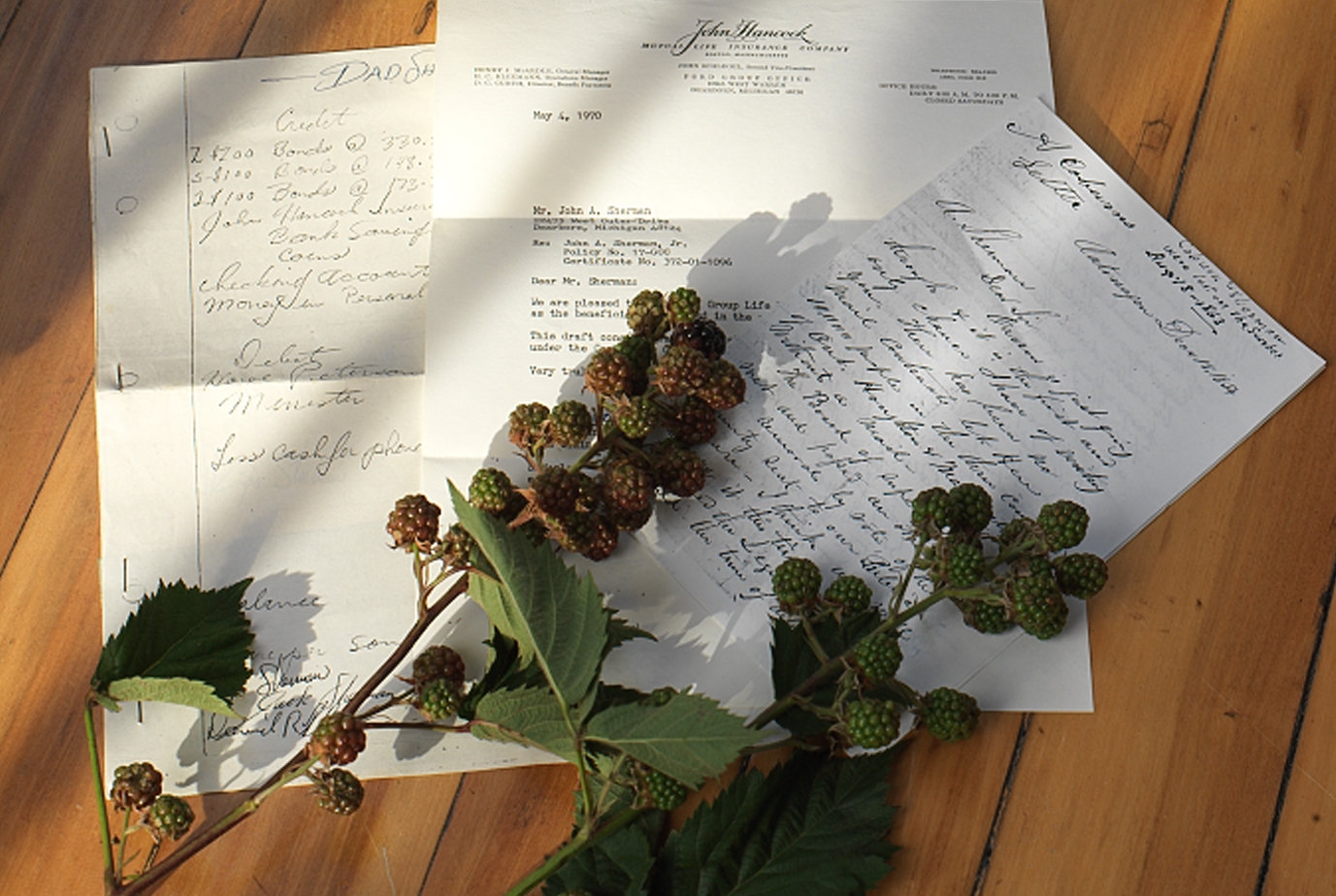
An Ethical Will, also known as a Heart Will, isn’t about passing down money or property; it’s about sharing your values, life lessons, hopes, and love with the people who matter most. SevenPonds helps you explore the meaning and history of Ethical Wills, the various formats you can use, and how to begin creating your own. Inspiring ideas are shared through interviews and real-life stories. These articles offer heartfelt guidance to help you leave a lasting, meaningful legacy that goes beyond material possessions.
Jump ahead to these answers:
- What Is an Ethical Will or Heart Will?
- How Does an Ethical Will Relate to an Estate Plan?
- Are Professionals Available Who Can Help Me Create an Ethical Will?
- Is Technology Available to Help Me Create an Ethical Will?
- What Is a Life Review and How Can It Help Me Create an Ethical Will?
- What Is a Legacy Letter?
- How Can I Create a Heart Will for a Young Child?
- What Should I Include in My Ethical Will?
- What Are Some Different Formats for an Ethical or Heart Will?
- What Is the Jewish Tradition of Ethical Wills?
- Before Death: Leaving an Ethical Will or Heart Will
- Ethical Will: Explore Trusted Resources
What Is an Ethical Will or Heart Will?
July 9th, 2025An ethical will, also called a heart will, legacy letter, love will or spiritual will, is a non-binding oral or written message that conveys your values, thoughts, memories, hopes and ideals to the people you love. A centuries-old tradition that dates back to Biblical times, ethical wills were initially oral wills and were primarily a means for dying fathers to convey their final wishes to their sons. In Genesis, for example, the patriarch Jacob gathers his 12 sons around him on his deathbed and gives them his blessings, offers moral and philosophical guidance, and tells them where he wishes to be buried. According to Rabbi Charles Rudansky, the pastoral director for MJHS Health System in New York City, this Biblical passage serves as a model for the modern ethical will and provides “the starting points in terms of what Jewish tradition feels should be discussed at the end of life.”
Other examples of oral ethical wills from ancient times include Deuteronomy 32:46–47, in which Moses instructs the Israelites to “Take to heart all the words I have solemnly declared to you this day, so that you may command your children to obey carefully all the words of this law,” And while the concept of ethical wills is deeply rooted in Jewish tradition in his book Ethical Wills: Putting Your Values on Paper, author Barry Baines cites John 15-17, which recounts Jesus’ final advice to his disciples, ( “…my command is this: Love each other as I have loved you.”) as an example of an oral ethical will. Other historians point to Matthew 5, in which Jesus speaks to his disciples from the mountaintop, first blessing them, and then instructing them on ways to live a moral life.
Jump ahead to these answers:
Written Ethical Wills
Ethical wills began to evolve to written form during the Middle Ages, when they were often created as addendums to a conventional legal will. Sometimes called “Teachings of the Fathers,” these addendums were often lengthy testaments to the will-maker’s philosophical, moral and religious beliefs. According to some historians, they were looked upon in some families as a way for the patriarch to fulfill his moral obligation to pass on his knowledge, wisdom and — most importantly — his values and ethics to his sons before he died, hence the term,”ethical will.” Some were quite poetic and detailed, like the 50-plus page ethical will written by Judah ben Saul ibn Tibbon, and the 132-item list of religious tenets created during the 14th century by Asher, the son of Yechiel, who named his ethical will “Ways of Life.” Asher’s numerous admonitions include this wise advice: “Be not over-hasty to respond to offensive remarks; raise not thy hand against another, even if he curses thy father or thy mother in thy presence.”
The tradition of the ethical will continued in this vein throughout most of the 15th through 17th centuries. But by the mid-18th century, they had become more personal and less philosophical in nature. These more modern ethical wills included practical information such as burial instructions and debts to be paid, as well as advice about carrying on religious traditions, blessings, and expressions of love. The tradition also began to spread beyond the Jewish community and be adopted by people of all faiths and walks of life.
The Modern Ethical Will or Heart Will
Today, the concept of an ethical will has evolved a great deal, from a straightforward set of moral and practical instructions to a means of exploring and sharing one’s deepest thoughts, feelings, beliefs, values, or life lessons with family, friends, children or the community at large. In today’s modern culture, it is also referred to as a heart will. Though many are created by people toward the end of their lives as they are actively contemplating the legacy they wish to leave, they can be written at any time. Ethical wills can be timeless and beautiful vehicles for sharing expressions of love and gratitude and can also serve as a therapeutic platform for people who have faced challenging circumstances and want to share how they found meaning and purpose in their lives. As a non-binding component of an estate plan, they can also be valuable instruments for sharing the stories and values behind the financial assets being passed down.
One example: The Letters from Dad project, founded in Dallas in the early 2000s by Greg Vaughn. A two-time Emmy-winning producer, Vaughn is the father of seven children, and after his own father died, he found himself wanting to find a meaningful way to share his love, praise, values, and ideals with his children after he was gone. He began writing letters and found the practice so impactful that he began sharing the idea with his friends. Eventually, he formed a small group of 14 men who wrote a set of four letters each — one to their wife, one to their children, one to their parents, and one to their communities. The project caught on, and is now so popular that it has expanded nationwide, and instructions for writing the letters have been published in Vaughn’s book, Letters from Dad.
Ethical Will Formats
Ethical wills and heart wills may be formatted in a myriad of creative ways. Though most commonly a written document, some people choose to create video or audio recordings of themselves talking about their life, their experiences and the things they have learned along the way. Others leave a laundry list of practical tips and advice for their children, while still others may use an ethical will as a non-binding adjunct to their legal will, bequeathing sentimental items with little monetary value to their loved ones informally or to explain to some of the elements of their estate plan.
Ethical wills do not need to be written or even spoken; art or collage can be a powerful medium for sharing memories, values and feelings as well by mixing visuals with words. Similarly, a poem or piece of original music or even a compilation of favorite songs can offer loved ones a snapshot of a person’s thoughts and feelings in ways they might never be able to express with just written words.
In summary, a heart will or ethical will can be created in almost any format. What’s more, you need not limit yourself to creating just one. You may wish to create one for your children or grandchildren, one for your spouse, and one for your friends and extended family, each one tailored to that specific audience. You may also want to consider creating a new heart will every few years, or adding to your original version as your experiences, feelings, and even your world view will undoubtedly change with time.
Who should create an ethical will?
Although they are often thought of as letters to loved ones before dying, anyone can create an ethical will at any point in their lives. A mother might write a letter to her child and update it every year on the child’s birthday. She could then give it to the child when they reach a certain milestone, such as a 21st birthday or the birth of their own child. Someone else might choose to write a letter expressing love and gratitude to their life partner and update it every year on their anniversary. This type of ethical will can also be written as a series of legacy letters that you write at especially important or challenging times in your life.
While some people create their ethical will with the idea that it will be read after their death, others find the idea of giving their ethical will during their life an appealing way of deepening their relationships and promoting clarity and understanding. Sharing an ethical will during life, with the understanding that more might be added to later on, creates the opportunity to turn a monologue into a dialogue that can reward all parties in often beautiful and unexpected ways.
Though a non-binding ethical will is not an essential part of a standard estate plan, it can be a beautiful vehicle for passing on your intangible wealth alongside your tangible wealth. Anyone who wishes to leave a lasting legacy for future generations should consider creating an ethical will as a very helpful and meaningful gift for your loved ones that is deeply satisfying to create and will stand as a timeless testament to your values, reflections, and feelings.
Sources
“The Wealth of Your Life: A Step-by-Step Guide for Creating Your Ethical Will” by Susan Turnbull. https://www.personallegacyadvisors.com/guidebook
“Jewish Ethical Wills” by Jamie Rubin. https://www.myjewishlearning.com/article/jewish-ethical-wills-tzavaot/
“Ethical Wills: Putting Your Values on Paper,” 2nd Edition Paperback by Barry K. Baines
“Letters From Dad: How to Leave a Legacy of Faith, Hope, and Love for Your Family” by Greg Vaughn
How Does an Ethical Will Relate to an Estate Plan?
July 8th, 2025Ethical wills are complementary to legal estate plan components such as wills, trusts, and advance directives. While these documents indicate the distribution of assets, guardianship of dependents, and preferences to be honored at the end of life, the ethical will helps to impart the emotional, psychological, and spiritual legacy of the person who died. It conveys personal values, hopes, lessons learned, and even the reasoning behind some decisions. It is becoming increasingly common for legal professionals to recommend storing ethical will letters, audio, and video recordings with the traditional legal documents necessary for an estate plan.
While an estate plan can indicate who should receive assets, an ethical will may provide more context as to why some decisions were made, and this can reduce the overall confusion among surviving beneficiaries. Ethical wills may include important information about family histories, cultural or spiritual beliefs, or personal advice, which can impart values-based guidance that isn’t typically attainable through the legal paperwork attributed to the traditional estate plan. Additionally, the personal stories and expressions of gratitude or acknowledgement of regrets sometimes included in ethical wills can provide a sense of comfort and closure that generally isn’t achieved through the distribution of material assets.
The information contained in an ethical will shouldn’t contradict other components of the estate plan, and certain aspects of what is communicated in the ethical will should be mirrored in other documents. For example, if an ethical will reflects that a certain family member should receive a specific item and explains the reasoning for it, this wish can only be honored if the legal will also indicates that the person should receive the item. Ethical wills are not legally binding, which means that any designation of who should receive which assets must be indicated directly in the legal will. Ultimately, the presence of an ethical will in an estate plan helps to transform it from a plan of transactional directives to valuable guidance resulting from a clearly defined and established legacy.
Sources
“Ethical Wills: Passing on Your Beliefs, Values, and Life Experiences”. Relational Estate and Elder Law. https://relational.law/practice-areas/ethical-wills/
“Navigating Ethical Issues in Estate Planning”. Trust & Will. https://trustandwill.com/learn/ethics-and-estate-planning
“Ethical Considerations for Estate Planning”. Thapar Law. https://www.thaparlaw.com/practice-areas/estate-planning/ethical-considerations-for-estate-planning/
Are Professionals Available Who Can Help Me Create an Ethical Will?
July 8th, 2025Yes, some professionals specialize in helping people create ethical wills. These professionals are sometimes known as legacy writers, personal historians, or ethical will facilitators. Other professionals who may assist with ethical will creation include financial planners, faith community members, and some death doulas. Regardless of their specific role, these experts are knowledgeable about helping individuals create thoughtful documents that communicate important reflections and insights to loved ones before the end of life.
What is included in an ethical will may vary depending on the professional you collaborate with for the creation process and the overall focus of the document. For example, financial planners can assist with ethical wills and may encourage further reflection on important insights or takeaways you have had regarding your values and wishes related to an estate plan or how to plan for the future. A faith community member may approach the ethical will creation process from a perspective that more directly emphasizes spirituality and personal beliefs. In contrast, some death doulas may focus on prominent experiences integral to understanding your perspectives regarding life and death. It is important to note that the typical cost of working with a professional to develop your ethical will can vary depending on the services they offer and the extent of their expertise.
Additionally, many individuals choose to involve their family or loved ones in the process of creating an ethical will. There are also professional writers, storytellers, specialists, and even services that can guide you in creating an ethical will that accurately captures your wisdom, insights, and your larger legacy. These professionals can assist with identifying areas of focus, crucial questions about milestones, or even overcoming writer’s block. Ultimately, working with a professional to write your ethical will is an excellent option when seeking to create a memorable gift or keepsake that will be cherished across generations.
Sources
“An ethical will or legacy letter: Another way to be remembered.” Minnesota Good Age. https://www.mngoodage.com/health/real-aging/2023/10/an-ethical-will-or-legacy-letter-another-way-to-be-remembered/
“Beyond possessions and assets: Creating an ethical will.” Neptune Society. https://preplan.neptunesociety.com/resources/beyond-possessions-and-assets-creating-an-ethical-will
“Leaving a lasting legacy: A scoping review of ethical wills.” National Library of Medicine. https://www.ncbi.nlm.nih.gov/pmc/articles/PMC9636071/
Personal Historians Network Northeast. https://www.phnn.org/
Personal Historians Northwest. https://personalhistoriansnw.com/join-us/
Is Technology Available to Help Me Create an Ethical Will?
July 8th, 2025Yes, technological advances have helped simplify the process of creating an ethical will. There are digital platforms, tools, and resources to facilitate the writing process further. Incorporating technology introduces various options that allow individuals to customize their ethical wills according to their preferences and needs. It can also make the creation of an ethical will more accessible to individuals who are unable to physically write on their own.
Those interested in using a digital platform or similar technology to create an ethical will are encouraged to spend some time researching potential options, reading online reviews, and viewing tutorials if available. These components are necessary for making an informed decision and will increase the likelihood of selecting an option with the features and functionality that match their personal preferences. Perhaps the most easily accessible technology now available for ethical will creation involves the use of artificial intelligence tools, but like many other options, these technologies must be used with caution.
For individuals who struggle knowing what information to include in an ethical will, Everplans has digital ethical will worksheets that include questions and other thought-provoking prompts. These resources can help with the brainstorming and reflection process regarding personal experiences, professional background, beliefs, and other important insights. There are also apps and similar tools available on smartphones and tablets to help direct the creation process.
One of the most helpful ways to use technology in the brainstorming process is to record yourself talking to yourself or to a loved one about what you think you want to include in your ethical will. Upload your recording to an online transcription service to see your thoughts and words on paper. This transcript will give you some foundational language that can be very helpful in composing your letter.
When technology is used, video clips and sounds can be incorporated into a digital ethical will that features a variety of media. For individuals who are physically unable to write, some law firms assist in creating video ethical wills. Professional videographers film the person in need of an ethical will and then professionally edit the media into a shorter video that can be shared with family. Since recording video is far more easily accessible with the use of smartphones, close friends or family members can proactively help their loved one record a video ethical will as an alternative to investing in a professional service.
Sources
“Download and fill out your ethical will.” EverPlans. https://www.everplans.com/articles/download-and-fill-out-your-ethical-will
“How to use tech to create an ethical will.” Wired. https://www.wired.com/story/how-to-create-ethical-will/
“The ethical will, an ancient concept, is revamped for the tech age.” The New York Times. https://www.nytimes.com/2014/11/01/your-money/the-ethical-will-an-ancient-concept-is-revamped-for-the-tech-age.html
HereAfter AI app for ethical wills: https://www.hereafter.ai/
What Is a Life Review and How Can It Help Me Create an Ethical Will?
July 8th, 2025Based loosely on the advice found in Dr. Ira Byock’s 2004 classic book, “The Four Things That Matter Most,” a life review is a series of tasks that encourage an individual to inquire about who and what is most important in their life. According to Stanford Medicine, which created the “Who Matters Most” template to guide their clients in completing the tasks, it is one of the most meaningful things a person can do, and one that has helped thousands of patients in various stages of serious illness achieve “a measure of peace that comes from deep reflection about key life experiences, and the important relationships they have cultivated.” The process is valuable for people in all stages of life, but it has also been used as a therapeutic tool to help the elderly and those who are seriously ill find value and meaning in their lives. When completed, it can serve as the basis of an ethical or heart will.
The life review process consists of seven tasks that can be completed in written form, orally, or on video or audio tape. They are:
- Acknowledge those who matter most to you. Explore their achievements and what they meant to you, and tell the person how proud you are of them and their accomplishments.
- Remember important moments from your life. Think about the times you were happiest or the events that left a lasting impression on you. These can be milestone events like the birth of your first child or treasured memories of time spent with those you love.
- Apologize to those you have hurt. Many people carry a tremendous amount of guilt and regret because of hurtful things they have done in the past. A life review is the time to finally ask forgiveness of those you love and to forgive yourself for those mistakes.
- Offer forgiveness to those who have hurt you. Just as you may carry regret for the hurtful things you have done to those you love, so, too, do the people who have hurt you. During your life review, tell those people — whoever they are — that the past is forgotten and you forgive them for causing you pain. This simple act will offer them comfort and help you let go of any resentments from the past.
- Say thank you. Express your gratitude to your loved ones for all they have done for you throughout your life. If you can, mention specific instances when their love and care helped you through a difficult time or gave you hope and solace when you felt alone and overwhelmed.
- Express your love for the important people in your life. Although your friends and family know you love them, hearing the words or seeing them written on a page offers another level of comfort and support.
- Say goodbye. Even if you’re not close to dying when you do your life review, it’s important to say goodbye to those you love. Tell them how much you will miss them, and ask them to remember how much they are loved. This can be very uncomfortable for some individuals, so feel free to skip this step until you’re ready.
The beauty of the process of doing a life review is that it provides a natural structure for writing an ethical will that is focused on the emotional well-being of both the writer and the recipients, expressing love, gratitude and forgiveness. For many people, these kind of messages are what they most want to share with their loved ones in the enduring format of an ethical will.
When you have completed your life review, it can be very rewarding to share it with those you love in whatever format you’ve chosen. If you feel uncomfortable doing so, give it to a trusted friend to share with them either before or following your death.
Sources
“Book Overview: The Four Things That Matter Most”. Ira Byock. https://irabyock.org/books/the-four-things-that-matter-most/
“Stanford Medicine Letter Project”. Stanford Medicine. https://med.stanford.edu/letter/friendsandfamily.html
What Is a Legacy Letter?
July 8th, 2025A legacy letter is a document that reflects your personal values, experiences, and what you have learned from life lessons. Although the term is sometimes used interchangeably with an ‘ethical will’, these documents are generally differentiated by the intended recipient. A legacy letter can be intended for anyone, whereas an ethical will is typically only intended for children and family members. Similar to an ethical will, a legacy letter is not a legal document.
Writing a legacy letter is an opportunity for self-reflection. You may find it helpful to identify key principles that have guided your decisions throughout your life and elaborate on how your experiences have shaped your worldview in relation to those principles. Some individuals choose to focus on a few specific values that have been consistent throughout their lives, while others prefer to address a variety of values based on the experiences and challenges that they faced during their lifetime. The overall aim is to create a letter that will serve as a bridge between your generation and the next or communicate valuable insights you hope will become a source of reflection and inspiration.
Another common approach to legacy letters is to include advice or recommendations specific to certain challenges or milestones that others might experience in their life journey. Some people include cultural traditions or important rituals they want to be maintained by others after their death. In this context, a legacy letter can be a tool that aids in the preservation and communication of practices that might only exist between generations or within certain cultures.
The content of a legacy letter can vary and should reflect your unique intentions, experiences, and insights. It is a memorable way to leave a lasting impression or provide others with a keepsake they can refer to after you have died. It can also help ensure that your most valuable perspectives, beliefs, or practices remain influential and that important information isn’t lost in your absence. Ultimately, legacy letters are a tool to pass cherished wisdom to those who have mattered to you throughout your life.
Sources
“A guide to writing a legacy letter.” Trust & Will. https://trustandwill.com/learn/legacy-letter-writing-guide
“What is an ethical will? Definitions and examples of legacy letters.” Better Place Forests. https://www.betterplaceforests.com/blog/what-is-an-ethical-will-definitions-and-examples-of-legacy-letters/
How Can I Create a Heart Will for a Young Child?
July 8th, 2025If you’re the parent of young children and living with a life-limiting illness, an ethical will is a beautiful way to ensure your lasting presence in their lives. Create your will now, and then arrange for your spouse or partner, a family member, or friend to present it to your children at special times in their lives. You may also wish to create a separate heart will for each child.
Remember that you can create your ethical will in any format you choose. If you want to write your children letters, you may wish to create a series of simple, handwritten notes that they can read after your death. Entrust the notes to someone close to you, and make sure they know when you would like your children to receive them. For example, should they read them all at once or individually on important dates, like holidays and birthdays? If your children are old enough to understand, perhaps you would like to have a family member read one of the letters at your memorial service or celebration of life. You might also want to store all the letters in a single box that you’ve decorated yourself and leave instructions for your children to open it at some point after your death.
An audio or videotape is another wonderful way to share yourself with your children after you’re gone. Here, too, you may wish to create a series of recordings that can be shared with your children at important moments in their lives. If you choose an audio file, you may wish to include some hand-drawn illustrations or photos of yourself with your family doing something you all enjoyed. Ask a friend or loved one to store the files for you and share them with your children at the times you choose –for example, a 21st birthday, a college graduation or when their first child is born. Hearing your voice or seeing your face again will be a gift they will treasure for many years to come.
What Should I Include in My Ethical Will?
July 8th, 2025An ethical will is a very personal message to your loved ones. You are creating an enduring gift of yourself for them, so it can include anything about you or your life that you would like them to know and hear directly from you. With that being said, it can be helpful to think about the following areas so that your ethical will conveys the true essence of who you are and how you would like to be remembered when you’re gone.
Keep in mind that these are only suggestions: you don’t have to include everything listed here, and there may be things you want to add. Also, keep in mind that because ethical wills are letters, they tend not to be too long. Keep yourself from getting overwhelmed by deciding what seems most essential to share – the things you’d never want to go unsaid. You will be rewarded with instant peace of mind, and when time and inspiration allow, you can modify or add more if you wish.
Your Personal History
- When were you born?
- Where were you born?
- Where have you lived during your lifetime?
- Who were your parents and grandparents?
- Are your parents still alive? If not, when did they die?
- Do you have siblings or extended family?
- What is your race/ethnicity/cultural background and how has that informed your life?
- Have you been married?
- Do you have children/grandchildren?
- Who are your closest friends?
- Who are the people who have been most influential in your life (parents, teachers, clergy, friends?)
Academic and Professional History
- What was your education like?
- Did you enjoy school/learning?
- What were your favorite subjects in school?
- Did you earn a degree?
- If you worked outside the home, what did you do?
- Was your career an important part of your identity?
- What were your greatest academic or professional achievements?
Most Important Lessons
- What are the most important lessons you’ve learned in the course of your life that you think could be helpful for your audience to understand?
- How did you learn them?
Important Memories
- What moments in your life do you remember most vividly?
- What was the best experience of your life?
- What was the worst experience of your life?
- Do you have regrets?
- What do you most regret?
- What are you most proud of?
- What are you most grateful for?
Favorite Activities Today and Yesterday
- What was your favorite thing to do as a kid?
- Who was your best friend growing up and why?
- What are your favorite things to do today?
- Who do you most enjoy doing them with?
- What activities do you avoid?
Values and Beliefs
- What are your most important values and why?
- Do you practice a religion?
- If so, how important to you is your faith?
- If not, do you have any spiritual beliefs that guide you in life?
- What are your political views?
- What values and beliefs have most significantly shaped who you are?
- What is the most important thing others should know about you?
Hopes and Aspirations
- What do you hope to achieve in your life going forward?
- What are your goals?
- Do you have a “bucket list”? If so, what are the top few items on the list?
- What do you wish for in the lives of those you are writing?
- What do you want your audience to always remember?
Tips and Advice
- What is the one thing you know now that you wish you had known before?
- What words of wisdom would you share with your younger self?
- What is the No. 1 piece of advice you would pass on to future generations?
Practical Matters
- What type of funeral or memorial service would you prefer?
- Where would you like the memorial service to be held?
- What songs or music would you like played at your service?
- Where would you like to be buried?
- If you prefer cremation, how would you like your ashes handled? (e.g., scattered in a specific location? buried? distributed among your loved ones?
Words of Love and Gratitude
- What words of love and care do you want to share and with whom?
- How have your loved ones enriched your life?
- What do you appreciate about them?
Remember, too, that an ethical will is a wonderful opportunity to ask for and grant forgiveness, to express gratitude, and to tell the people you value that you love them and why. Beyond all else, these may be the things that they cherish long after you are gone.
What Are Some Different Formats for an Ethical or Heart Will?
July 8th, 2025Ethical wills are not always in a written format. Traditionally, they were handwritten, but today you can create one in any number of creative ways. They need not follow a standardized set of instructions or “rules.” There is no set formula for how to create an ethical will. It will be your own unique creation. Any format that allows you to express yourself freely and from the heart will work. Some of our favorite examples include:
Video recording
A video is a wonderful way to create a personal legacy for those you care about and to pass on the information, reflections and feelings you most want to communicate to your o your family and friends. We recommend that you spend time in advance making notes about what you want to say, and rather than creating a script, use those notes as a reference because you want to be speaking to the camera naturally. Though you can film yourself in “selfie mode” on your camera,” the quality will probably be best if you ask someone else to do the filming, either a friend, or family member, or a professional videographer. Feel free to make as many revisions or additions as you need to make so you’re sure you’ve said everything you wanted to say. Once it is done, store the recording in a safe digital space and share it from there, or use a flash drive or CD. We also recommend creating a printed transcript of the recording in case the digital storage technology gets outdated or compromised in the future.
Audio recording
If you’re not comfortable on camera (many people aren’t) an audio recording is another great way to leave a personal, heartfelt message to those you love. As with a video, you should write down your thoughts before you begin so you can keep the message on point. Once you’re done, you can attach the recording to an email and send it to your friends and family, or create a CD or a flash drive and mail a physical copy to everyone on your list. With any digital creation, it is a good idea to create a printed transcript because digital storage technology changes over time, and you wouldn’t want all that you shared to be lost.
Letter or letters
Letters are timeless, and creating a personal legacy letter that is either handwritten or typed can be very therapeutic and a deeply meaningful gift to those you love. You can use personalized stationery, note cards, your computer, or just a lined yellow legal pad — the choice is yours. The important thing is to get your thoughts and feelings on paper and to speak from the heart. You may need to create many drafts before you have the letter exactly as you want it. You may also want to write more than one: Many parents write one to each of their children and one to their spouse. You could also write to your siblings, members of your extended family or close friends. If your parents are still alive, they would also love to get a letter expressing all they mean to you.
A work of art
If you enjoy painting, sculpting or drawing, you may want to create a piece of art to give to your loved ones as a legacy gift. This can be accompanied by a letter describing your inspiration — what you were feeling and thinking as you created the piece and what you hope to convey. A collage is also a wonderful choice. Try combining photos from important events in your life with images taken from magazines, stickers, or handwritten notes.
A scrapbook
Creating a scrapbook is very therapeutic, and the finished product will make a wonderful legacy for those you love. You can make the scrapbook by hand using old photos, scraps of fabric from your favorite clothing, and other memorabilia that’s important to you. Or, if you prefer, create a digital scrapbook using online editing software such as this scrapbook maker from Canva.
A diary or memoir
Creating an ethical will need not be a one-time effort. You may wish to keep a diary specifically to share with your loved ones at some later time. You can keep it in handwritten form, or create it on a computer and then turn it into a beautiful ebook using online software, such as the e-book creator from Lulu. If you are living with a life-limiting illness, this is a great way to chronicle your journey and share your triumphs and disappointments with those who have helped you along the way.
Whatever format you choose, take some time to think about the kinds of things you would like to include in your ethical will. Some people find it helpful to create a template or outline, or to write down the questions that their document is meant to address. You can always add or remove content later, but starting out with some clear goals will keep you on track to be able to truly convey all you want to say.
Sources
What Is the Jewish Tradition of Ethical Wills?
July 8th, 2025Ethical wills are an integral part of ancient Jewish history, dating back to Medieval times. In their initial form, they fell under the broad umbrella of Hebrew ethical literature, a large body of literary work which sought to apply the theological, psychological, and anthropological principles of several Jewish philosophies (notably Kabbalah and Ashkenazi Hasidism) to the lives of ordinary Jews. However, they differ from the larger body of ethical literature in that the former gives a great deal of attention to the theoretical concepts underpinning behavioral instructions, whereas ethical wills impart mostly practical advice.
Many of the first ethical wills were written as poems, often in the form of a father speaking on his deathbed to his sons. Others are described in the literature as letters written by a father who is far away from his family (probably on the battlefield) in anticipation of his imminent death. In many of these letters, each paragraph begins with the words “my son,” followed by instructions for living an ethically and morally correct life. One of the most famous of these ancient wills was written by the Jewish scholar Judah ibn Tibbon to his son, Samuel, before his death somewhere around 1180 A.D. Titled “A Father’s Admonition”, it is over 50 pages long and covers a wide range of topics, from the importance of scholarship to the proper care of the poor and the sick. One famous passage reads “Avoid bad society, make thy books thy companions, let thy book-cases and shelves be thy gardens and pleasure-grounds. Pluck the fruit that grows therein, gather the roses, the spices, and the myrrh. If thy soul be satiate and weary, change from garden to garden, from furrow to furrow, from sight to sight. Then will thy desire renew itself, and thy soul be satisfied with delight.”
After the 13th century, ethical wills began to gain popularity among many Eastern European Jews, and the custom was adopted by several prominent Jewish families. Among the most prominent was the Horowitz family, who lived mostly in Prague in the 16th and 17th centuries. The elder Horowitz, Abraham, wrote one of the most famous ethical wills, a text which later became known as “Yesh Noḥalin.” His son Jacob added his own insights to the book, and later, Jacob’s son Shabbetai Sheftel Horowitz did as well.
During the Holocaust, ethical wills became a tool used by Jews facing execution at the hands of the Nazis to write final messages to their families and communities. One of the most famous of these was written by Zippora Birman, a member of the Jewish Underground who died in Poland in 1943. The message called for “Vengeance, vengeance— with no mercy, with no sentimentality,” a sentiment echoed by many of the ethical wills that now reside at Yad Vashem, the Holocaust Museum and Memorial in Israel.
Today, the tradition of ethical wills is carried on by many Jewish families. Known in modern-day Hebrew as “tz’va’ot,” they have been embraced by both the Orthodox and Reform Jewish communities as a way to pass on personal values and beliefs, the traditional teachings of Judaism, and the importance of maintaining a Jewish identity in an increasingly secular world.
Sources
“Ethical Literature”. Jewish Virtual Library. https://www.jewishvirtuallibrary.org/ethical-literature
“What is Kabbalah?” Reform Judaism. https://reformjudaism.org/beliefs-practices/spirituality/what-kabbalah
“Medieval Sourcebook: Jewish Ethical Wills, 12th & 14th Centuries”. Fordham University. https://sourcebooks.fordham.edu/source/jewish-wills.asp
“Memoirs of Zipora Birman regarding her experiences in Vilna”. EHRI. https://portal.ehri-project.eu/units/il-002798-4019542-3714570?dlid=eng-m_11_eng
“Yad Vashem Video”. My Jewish Learning. https://www.myjewishlearning.com/article/yad-vashem-video/
Before Death: Leaving an Ethical Will or Heart Will
August 7th, 2025
Wills, trusts, and legacies are important legal directives that address the important task of providing financially and materially for loved ones. However, they can feel impersonal, as they don’t really address emotional needs or speak from the heart. For those interested in crafting a more personal goodbye: consider an ethical will. Also called a heart will, an ethical will can be a private, recorded set of your final words, something more personal to leave your friends and family.
What is an ethical or heart will? How do you draft a heart will? Will the right people, and the right people only, have access to your heart will? This section of SevenPonds will help to answer your questions about this important element of end of life planning.
Things to Know:
- Traditional wills leave valuables; a heart will leaves values and or love.
- While commonly used by the terminally ill, healthy people can create and annually update a heart will.
- If your heart will is recorded on DVD or another media format, it’s a good idea to create a written backup.
- Heart wills are NOT legal documents. You can release them at any time, not necessarily only after death.
What is an ethical will or heart will?
While a traditional, legally binding will bequeaths material goods, a heart will deal predominantly with the nonmaterial. “Heart will” is the most common term used today, but these wills are also known as ethical wills, love wills, spiritual wills, legacy letters, life letters, and ending notes. Heart wills can be drafted in almost any format, such as a written letter, an audio record, or a video. With a heart will, you can share old memories, personal stories, words of wisdom, hopes, dreams, and feelings. Heart wills can bestow material goods as well, such as a favorite piece of jewelry to be gifted to a grandchild on a particular birthday.
Remember that a heart will is not legally binding like a traditional will is. Make sure items in your heart will do not contradict your legal will. Think of a heart will as leaving your thoughts, words, and love behind for family and friends, in a way that a legal will cannot.
Who should leave a heart will?
Anyone can leave a heart will at any time. While they are most commonly used by terminally ill patients who know their death is imminent, healthy people can draft heart wills as well. Heart wills can be updated annually and can be released whenever seen fit, not necessarily only following death.
What should I include in my heart will?
Again, there are no rules. Here are some examples of just a few things you might want to communicate:
- Values, beliefs, life lessons, and hopes.
- Expressions of appreciation for those who have helped you or made you happy in a significant way.
- “Guiding hand” advice from a parent to his or her children; your hopes for your children’s future.
- Regrets, apologies, or requests for forgiveness.
- Spiritual beliefs, such as philosophies on life or thoughts on what happens to us after death.
- Your life story, to help your loved ones understand your experiences.
- Your family history, to help your relatives understand their heritage.
- Reiterations of your advance health care directives, including your wishes for treatment when dying and your wishes for disposition after death.
- Your hopes and wishes for your loved ones after your death.
How do I create a heart will?
Heart wills are highly personal, even spiritual, documents, and you can create them in whatever format you feel most comfortable expressing yourself. That being said, we have some suggestions you may consider before getting started.
Whether you intend to write or record your heart will, it’s a good idea to start with an outline of what you want to say. Here’s a suggested process:
- Determine the audience(s) for your heart will, such as your spouse/partner, adult children, young children, or friends.
- Decide if one heart will is enough or if you want to create separate heart wills for specific people or groups of people.
- Think about what you want to share by first jotting down an informal list. Make an outline, if it helps you.
- If you are making a recording, try to speak, rather than recite. You probably don’t want to sound or look like you are reading from a script. For this format, outlines might be more useful than full text. You can make a video recording of your heart will on your own, with the help of a friend or relative, at home, or at a production studio. You can use your own or rented equipment. Think about making copies and leaving a written-out transcript to back up your heart will.
- If you plan to leave your heart will in the form of a letter, you will need to turn your outline into your story. Allow yourself time; make as many drafts as you need until you feel satisfied.
- If you create your heart will long before your death, remember to periodically update it to keep it relevant.
Ethical Will: Explore Trusted Resources
July 8th, 2025Frisch Brandt | Lasting Letters
Frisch Brandt is the President and Partner of the Fraenkel Gallery in San Francisco, where she has worked for over 35 years. Since 2014, she has also been volunteering as a “letter midwife,” helping people at the end of life write what she calls “lasting letters” to their loved ones. Originally offered exclusively to patients who were terminally ill or in hospice, the service is now available to anyone who wants to write a letter to a loved one before it’s too late. Visit Frish’s website, Lasting Letters, to learn more, or contact her at mylastingletters@gmail.com
Personal Legacy Advisors
Founded by Susan Turnbull, the author of The Wealth of Your Life: A Step-by-Step Guide for Creating Your Ethical Will, Personal Legacy Advisors offers a guidebook, webinars, and workshops on creating an ethical will or heart will. It also offers for sale a set of 12 elegant Life Legacy Cards that invite the user to explore their personal story, values, and visions for their legacy. The cards are currently $22.95 per box. Susan also offers coaching services for those who are committed to writing an ethical will but need help organizing their thoughts and want an accountability partner to ensure it gets done.
Living Wisely
Founded by author and entrepreneur Traci Blus Ward and palliative care and hospice physician Barry Baines, M.D. Living Wisely offers a subscription-based online portal that helps users create ethical wills, legacy letters, life reflection stories and more. An annual subscription fee of $25 gives you unlimited access to the resources, which allow you to create your own personalized stories at your own pace.
The Jewish Ethical Wills Project
An initiative of the Jewish Theological Seminary (JTS) Center for Pastoral Education and the Marlene Meyerson JCC Manhattan, the Jewish Ethical Wills Project provides resources for community leaders who wish to offer guidance on creating ethical wills to members of their community. Open to educators, rabbis, social workers, chaplains, and others in a leadership role, the course focuses on helping others to articulate values and look at issues of legacy. Participants receive course materials that include lesson plans, videos, handouts, and more.
To learn more about the Jewish Ethical Wills Project, email JTS at ethicalwills@jccmanhattan.org.
Stanford Letter Project
Offered by Stanford Medicine in Palo Alto, California, the Stanford Letter Project is an online resource that provides templates for writing letters to your doctors and loved ones about your values and goals. The project offers three templates: What Matters Most; Who Matters Most (A Life Review), and a Bucket List toolkit. The website also helps users create an advance directive for healthcare that communicates their healthcare goals and designates up to three people who can make decisions about their care if they are incapacitated and unable to do so themselves. The templates are available at no cost.
Rabbi Steve Leder
Rabbi Leder wrote For You When I’m Gone, a book on creating an ethical will that is organized around 12 themes. He also created a companion workbook.
Personal Historians Networks
Regional networks of professional personal historians are good places to find services and assistance in creating personal, family and business histories in either print or digital formats. Some of those professionals have expertise in ethical wills, too.
Personal Historians Network Northeast: https://www.phnn.org/
Personal Historians Northwest:https://personalhistoriansnw.com/join-us/