

Coping with Grief & Loss
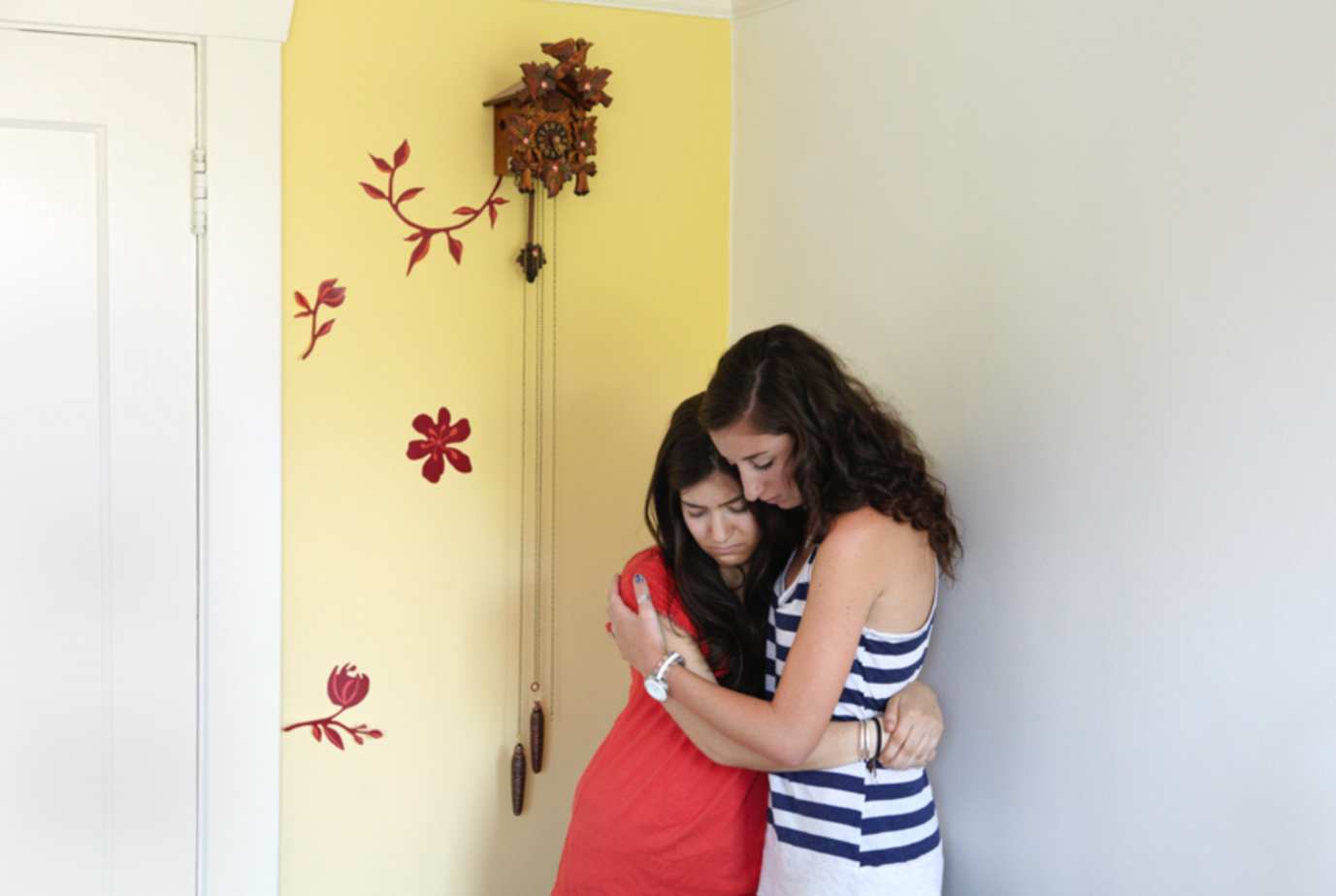
Grief is a natural, deeply personal response to loss—and it can feel overwhelming. This section offers encouraging, down-to-earth guidance to help you understand what grief is, how it shows up in different ways, and what might help as you navigate it. Whether you’re seeking coping strategies, clarity on the grieving process, or simply reassurance that you’re not alone, these articles are here to walk with you through this difficult time.
Jump ahead to these answers:
- What Is Grief?
- What Is Disenfranchised Grief?
- Can Grief Cause Post-Traumatic Stress Disorder (PTSD)?
- How Does Grief Affect Our Relationships With Others?
- What Is Distorted Grief?
- What Is Masked Grief?
- What Is the Treatment for Prolonged Grief Disorder?
- What Is Absent Grief?
- What Is Abbreviated Grief?
- What Is a Grief Burst?
- What Is Inhibited Grief?
- What is the difference between grief, mourning and bereavement?
- What Are Some Modern Grief Theories?
- What Is a Grief Trigger?
- Do Kids Go Through Stages of Grief?
- How Will Grief Affect My Family?
- What Is Continuing Bonds Theory?
- What Are Common Triggers for Grief?
- Is It True That I Have to ‘Work’ Through My Grief?
- How Can I Talk to My Child About Death?
- How Do Children and Adolescents Understand and Process Grief?
- Can Grief Cause Physical Pain?
- Is It Normal to Feel Relief or Peace After a Loved One Dies?
- What Is Broken Heart Syndrome?
- Is Grief the Same as Depression?
- What Are the Signs and Symptoms of Post-Traumatic Stress Disorder, or PTSD?
- Does Grief Ever ‘End’?
- What Are Ways to Cope With the Death of a Pet?
- What Is Bereavement Leave/Compassionate Leave, and What Is the Proper Way to Request It?
- What Are Some Strategies for Managing Grief During Holidays or Special Occasions?
- How Do I Support Someone Who’s Grieving?
- What Is Grief Therapy?
- When Should I Seek Professional Help for My Grief?
- Should I Join a Grief Support Group?
- How Can Loved Ones Deal With Anticipatory Grief and Prepare for Their Loved One’s Death?
- How Can I Cope With My Grief?
- What Are Some Resources for Families Who Have Lost a Child?
- What Is Collective Grief?
- What Is Cumulative Grief / Bereavement Overload?
- What Is Climate Grief?
- What Is Preparatory Grief?
- What Is Complicated Grief or Prolonged Grief Disorder?
- What Is Anticipatory Grief?
- What Is Exaggerated Grief?
- After Death: The Stages of Grief
- Grief & Loss: Explore Trusted Resources
What Is Grief?
July 8th, 2025According to the American Psychological Association, grief is the anguish a person experiences in response to a significant loss, usually, but not always, the death of a beloved person. Grief is not simply an emotional response; it includes physical and physiologic manifestations, such as sleeplessness, poor appetite, physical discomfort and an increase in stress hormones that can lead to serious and even life-threatening illnesses.
Grief is a universal human experience: Across cultures and nationalities, all people grieve when they lose something they value, whether the loss is in the form of the death of a loved one or something less tangible, such as the end of an important relationship or the loss of a sense of safety after a traumatic event. And while the most intense emotional reaction in grief is usually sadness, other emotions, such as anger, guilt and anxiety often appear at the same time.
Jump ahead to these answers:
- Sources of Grief
- Symptoms of Grief
- Physical
- Mental
- Emotional
- The Physiology of Grief
- Grieving Styles
- The Grief Journey
- The Tasks of Grieving
- Coping With Grief
Sources of Grief
Many life events and situations can trigger a grief response. Although we tend to think of the death of a significant person in our life as the main source of grief, other situations that can trigger intense grief include:
- The death of a pet
- Divorce or the end of an intimate relationship
- Losing a job
- Serious illness and loss of health
- Miscarriage or stillbirth
- Loss of an important friendship
- Retirement
- Loss of a cherished dream
- Serious illness in a loved one
Even losses that society may view as “minor” or unimportant can lead to significant grief. Known as disenfranchised or unacknowledged grief, this kind of grief may occur following the loss of a person who is not actively in your life, such as a former spouse or an old friend you haven’t seen in a long time.
Symptoms of Grief
Every person grieves differently — there is no “ right” way to grieve any more than there is a “right” way to love. Nevertheless, people tend to experience similar physical, mental and emotional manifestations when they are grieving, although these may differ greatly in intensity from one individual to the next. The most common of these include:
Physical
- Headaches and body aches
- Nausea, lack of appetite
- Fatigue or exhaustion
- Dizziness
- Shortness of breath
- Hypersensitivity to sensory stimuli such as noise, heat and touch
- Heart palpitations
Mental
- Forgetfulness
- Sleep difficulties (too much or too little)
- Inability to concentrate
- Confusion
- Decreased decision-making or problem-solving abilities
- Thoughts of self-harm and/or suicide
- Loss of interest in things that were once pleasurable
Emotional
- Intense sadness
- Anger
- Guilt
- Shame
- Helplessness
- Anxiety
- Mood swings
- Loneliness and yearning
These symptoms are usually most troublesome immediately after a loss and dissipate to some degree with time. But even as the overall anguish lessens, most people will experience intense bursts of grief-related emotions for a long time after a loss. In some instances, such as following a violent death or the death of a child, they may persist for as long as the grieving person is alive.
The Physiology of Grief
Grief takes an enormous toll on the body as well as the mind. Health professionals have known for a long time that grievers are at a higher risk of death than others with similar health profiles who are not bereaved. In one study from 1963, newly bereaved widowers had a 40% increased risk of death in the 6 months following the death of their spouses than men with similar health characteristics who were not bereaved. And in a more recent study, bereaved individuals had a higher risk of dying from any cause, including heart disease, cancer, stroke, accidents or violence, than people of similar age and health status who were not bereaved. But until recently, little research has been done to determine what physiologic changes underlie these increased risks.
Recently, however, researchers have uncovered multiple physiological factors that impact the risk of dying following a significant loss. Many of these appear to be self-limiting: that is, they wane with time and cause few long-term effects. Others seem to have a more lasting impact, particularly among the elderly. Some of the most notable of these include:
- Increased cortisol levels: Cortisol is a hormone produced and secreted by the adrenal glands. Although it has many important functions in the body, one of its main jobs is to regulate the body’s stress response. When a person experiences a stressor such as the death of a loved one, the adrenal glands release cortisol, which — in the short term — enhances the immune response, suppresses inflammation and releases a short burst of glucose to fuel the “fight or flight” response. But when cortisol levels are elevated for a prolonged period of time, the opposite can occur: that is, increased inflammation, suppression of the immune system and persistently high blood sugar. These changes can have a damaging effect on a person’s overall health.
- Cardiovascular changes: Studies of people who have experienced a significant loss consistently show that heart rate increases for an extended time period after the loss. This may be of little consequence in a healthy young individual, but in an older person with pre-existing heart disease, the results can be devastating. Similarly, blood pressure has been shown to increase for up to 2 years following a significant loss, which can lead to changes in cardiac function and an elevated risk of heart failure and stroke.
- Immune system changes: Immune suppression is a well-documented feature of early bereavement, and may persist longer for people suffering from prolonged or complicated grief. Not only does this put the individual at greater risk for infections such as seasonal colds and flu, but if persistent, it increases the risk of cancer, especially in the elderly.
- Sleep disturbances: Disruption in normal sleep patterns is a very common occurrence in the early phase of grieving. And while short-term sleep disturbances are tolerated fairly well by most people, they may lead to chronic sleep disturbances in the bereaved. This can have serious health consequences, including a higher risk of hypertension, cardiovascular disease, metabolic syndrome, and dementia. Even short-term sleep disruption can lead to increased irritability, anxiety, depression and diminished overall quality of life.
Additionally, recent research into the neuroscience of grieving indicates that grief and mourning actually involve changes in the brain. As Mary Frances O’Connor, an associate professor of clinical psychology and psychiatry at the University of Arizona, explains in an interview with SevenPonds,the brain “is a prediction machine” that encodes our closest relationships into its neural pathways, especially those in the areas associated with reward: What this means is that our brains predict our beloved’s presence in our lives. We expect to encounter them in certain situations as we go through our day.. We expect to talk to them about daily events. We expect to see them walk through the front door after work. And when those expectations are no longer met and the person is gone, the brain can’t adjust all at once…it needs time to rewire itself in order to acknowledge and accept the loss. In the interim, the griever may have trouble believing that the loss is real because their brain hasn’t absorbed the reality that the beloved object is gone. As O’Connor frames it: “The brain doesn’t understand “gone”; it understands “far away and must go get.”
Further, the amount of time it takes for the brain to adjust to a beloved’s absence varies based on many circumstances including the closeness of the relationship and the life-stage of the grieving individual. This variation contributes to the unpredictable and non-linear nature of grief.
Grieving Styles
Until fairly recently, most psychotherapists (and by extension the lay people who worked with them} believed that grieving followed a somewhat predictable trajectory. Grief therapy was largely informed by Freud’s psychoanalytic theory of grief, which he set forth in his book “Mourning and Melancholia,” published in 1917. Freud believed that the central task of grieving was to “detach” from the person who died through a process he called “grief work,” which involved intensely thinking about, talking about and engaging emotionally with thoughts of the person who died. He called this work “hypercathexis” and theorized that it was the only way in which a grieving individual could find “closure” and move on with their lives.
Freud’s theory also informed the work of Elizabeth Kubler-Ross, who helped usher in the era of “death acceptance” and championed the hospice movement in the 1970s. It was also the theoretical basis of her seminal book “On Death and Dying,” which famously outlined the five stages of grief. And while Kubler-Ross’ book was meant to describe the anticipatory grieving of people who were dying, the psychological community seized on these stages as a means of conceptualizing the grieving process for those who lost loved ones as well. For years, the five stages model, including the notion that grieving persons needed to “work through” each stage before reaching acceptance, was the basis of most psychological interventions aimed at helping the bereaved.
Today, however, the “one size fits all” model of grieving that Freud and Kubler-Ross embraced. has been replaced by the understanding that people may grieve in very different ways. Thanks in large part to the work of Kennneth Doka and Terry Martin, who authored “Grieving Beyond Gender: Understanding the Ways Men and Women Mourn”, the psychological community now recognizes that healthy grieving can be expressed in vastly different ways. Specifically, Doka and Martin outlined two distinct grieving styles: intuitive and instrumental, while also emphasizing that most people fell somewhere on a continuum between the two.
- Intuitive grievers are people who tend to express their grief in what many of us look at as “typical” for someone experiencing a loss. They experience very strong emotions and express them quite openly. They process their feelings externally and tend to gain comfort from talking about their loss. Doka and Martin found that this grieving style was more common among women than men.
- Instrumental grievers are more intellectually and behaviorally oriented in their grief. They tend not to express their feelings as openly as intuitive grievers, and may process the loss by thinking about what happened and problem-solving ways to adapt to the loss. Often, but not always male, instrumental grievers may choose action rather than words to process their grief: for example, by building a monument or planting a garden versus joining a support group.
Additionally, recent research has identified another type of griever, the “resilient griever.” A term that applies to nearly one-half of individuals who experience a loss, resilient grievers tend to show few of the typical manifestations of grief. They feel pain and sadness, of course, but they tend to cope with those emotions well and continue to function quite effectively after the loss. According to Kenneth Doka, these resilient grievers tend to have a number of things in common:
- They have had relatively few losses in their lives
- They were psychologically healthy before the loss
- They have a strong support system
- The death they are mourning was not sudden or traumatic
- They had the opportunity to say goodbye
- They do not feel that the death was preventable
- They believe that something good can come from the loss
- The consciously try to recall positive memories of the person who died
Doka emphasizes, however, that no grieving style is “better” than another, and that every individual must find their own path through grief. Whether you cry or don’t cry; sleep too much or too little; feel exhausted or energized; go back to work immediately or take a month off to heal, what you’re experiencing is normal for you.
The Grief Journey
In 2016, Kenneth Doka authored a book titled “Grief Is a Journey.” Written with the express intent of reassuring those mourning a loss that grief follows no timetable and no fixed trajectory, the book painstakingly outlines the many ways grief affects the body and the mind while simultaneously dispelling some of the most widely accepted but erroneous beliefs about grief.
We have already explored some of the truths contained in Doka’s book, but as we discuss the journey of grief, it’s worthwhile to mention the most important points again. These include the following:
- Every person’s grief is unique. Further, people grieve every loss in a unique way. What this means is that it’s impossible to predict how you will react to today’s loss based on how you reacted to yesterday’s. The nature of your relationship to the valued person or object, your current life circumstances, and even your age can affect how you respond to a death or other significant loss.
- Grief is not at all about “letting go.” Human beings are not wired to “let go” of the people they value and love, and may actually fear that releasing the pain of grief will allow them to forget the relationship and memories they once shared. In fact, explains Doka, the opposite is true. As the sadness and difficult emotions of grief begin to lessen, happy memories and a new sense of connection emerge. One of the tasks of grieving is to find ways to honor that connection as you move forward with your life.
- Every loss is actually many losses, and those losses need to be named and grieved as well. When a loved one dies, for example, their death is accompanied by the loss of a relationship, the loss of future hopes and dreams, the loss of roles and responsibilities (e.g. as a wife, caregiver, lover etc.) and, in many cases, the loss of social ties. Understanding that those losses impact your life and learning to acknowledge and deal with them is an important part of mourning a loss.
- “Closure” is a myth. Much like the myth that “letting go” of a beloved person or relationship is possible or desirable, the idea that it is possible to “close the book” on grief is deeply flawed. While it is true that certain rituals can bring a measure of comfort: for example, a funeral or memorial service can be both therapeutic and meaningful, no single event or series of events marks the “end” of grief.
- Mourning is not simply about coping. In the initial stages of mourning, painful emotions and physical discomfort almost demand that we find ways to cope with what is happening to us emotionally, physically and spiritually. But as time passes, it’s possible to find meaning in our loss and even learn from what we are experiencing.
The grief journey, in other words, is a long-lasting individual experience that never truly ends. It affects every aspect of our being, and it is impacted by our personality, culture, life experiences, gender and our relationship to the person or object that is gone from our life. Grief hurts: No one escapes the pain of loss. But grief also has the power to heal and shape us into even better versions of ourselves.
The Tasks of Grieving
Although grief research is an emerging field, and different grief “models” explain the process of mourning somewhat differently, in recent years there has been some consensus among grief experts that grieving involves the completion of certain tasks.” Different experts may present this concept somewhat differently, but at their most basic they include the following:
- To accept the reality of the loss. After a death or significant loss of any kind, it is natural to use denial as a defense against painful reality. Especially if the loss was unexpected, it is often impossible to accept the truth of what happened and its impact on our lives all at once. But as time goes on, continued denial can be unhelpful and even harmful. Acceptance of reality is an essential part of moving forward through grief.
- To experience the pain of loss. Again, every individual will experience grief in their own unique way. Some people are intuitive grievers, and will process the loss emotionally and verbally. Others are instrumental grievers, who may say very little and express very little emotion, but instead process their grief by “doing something” with it physically. Most people will fall somewhere on a continuum between these two extremes and spend some time outwardly expressing their emotions and some time channeling their grief into activities they find meaningful. What’s important is not how a person experiences their grief, but that they acknowledge it in some way, if not to others, at least to themselves.
- To adjust to a new “normal.” Whether you have experienced the death of a loved one, the end of a relationship, or the loss of a cherished dream, life will be very different after a significant loss. It’s normal to feel as if the world has shifted on its axis and that nothing will ever be the same. It takes time — sometimes a great deal of time — to adjust to this new reality, and the process is rarely a smooth one. You may find yourself feeling afraid of assuming new roles and responsibilities and angry that the need to do so has been thrust on you. Or you may feel guilty and ashamed for “moving on” too soon. But accepting that life will and must go on is an important part of journeying through your grief.
- Find an enduring connection to that which was lost as you adjust to a new life.
Arguably the most important task of mourning, finding a way to maintain a connection to a beloved who has died or another significant relationship while still moving forward is an essential aspect of “healthy” grief. Love never ends, but it can change form. And it is possible to remain connected to someone or something we have lost while experiencing life in new ways. Celebrating birthdays and anniversaries; visiting a favorite vacation spot; holding a yearly memorial service, or tending and maintaining a loved one’s garden are all ways to honor their continued presence in our hearts and minds while we embark on a new life.
Again, the tasks of grieving, like the “stages” of grief, is a theoretical model. How one individual grieves and mourns will always be unique. But as you follow your own path through grief, it can be helpful to keep these tasks in mind as guideposts to help you find your way.
Coping With Grief
As we have already emphasized, grief looks, feels and behaves differently for every person and in every situation. There is no set formula for coping with a significant loss. However, there are some coping strategies that have proven to be effective for many people who are coping with grief. Some of these are outlined below.
Acknowledge that you are not “yourself”
Grief changes us. As we have outlined above, a significant loss causes physical, emotional and physiological shifts that profoundly affect how we feel, react and behave. Unfortunately, we live in a grief-averse society, so there is often intense pressure on grieving individuals to “get back to normal” quickly after a loss. Despite this pressure, it is essential that you allow yourself to experience and honor your truth. Pretending to be okay when you are not will not make your grief symptoms disappear, and may actually make them worse.
Seek Out and Accept Support
Following a significant loss, it is sometimes difficult to allow those close to you to offer solace and support. This is especially true for instrumental grievers, who tend to process their emotional responses through actions rather than words. Yet even those who find talking about their loss difficult need to know that they are not alone. Allow others to be there for you, whether that is by preparing meals, doing household chores or helping you plant a garden to honor your loved one’s memory. Grief is a heavy burden; don’t try to carry it alone.
Practice Self Care
Immediately after a significant loss, friends, relatives and neighbors are typically available to help a grieving person care for their needs. But as others return to their everyday lives, you may find yourself struggling to care for yourself.Low energy, poor sleep, and appetite disturbances are common in bereaved individuals and may get in the way of your practicing self care. Nonetheless, it is essential that you do your best to care for yourself as best you can so that you can begin to heal.
Find a Support Group
Support groups are not for everyone. But if you find yourself feeling isolated, alone, or alienated from those around you, you may benefit from spending time with others who have experienced a similar loss.
Accept your feelings
Whatever you feel after losing a loved one is normal for you. Many grievers judge themselves for not reacting as they expected—whether that’s crying endlessly, feeling relief, or experiencing numbness. These reactions, whatever they may be, are valid and may persist for a while. Embrace your reality and trust that your feelings are appropriate.
Take care of yourself
Taking care of yourself during intense grief can be challenging, but it’s essential. Grief affects your body and mind, impacting your appetite, sleep, energy, and focus. You might feel disconnected, exhausted, or fragile—these feelings are normal and should improve with time.
In the beginning, loved ones may support you with meals and arrangements, but eventually, you’ll need to focus on self-care. Start small things you can try and then build on include the following:
- Eat well: Prepare simple, healthy meals, avoiding processed foods high in sugar or salt. Eat at regular times, even if just a few bites.
- Move daily: Exercise for at least 15 minutes, preferably outdoors, to boost your mood.
- Sleep better:
- Keep a consistent sleep schedule.
- Avoid caffeine after 3 PM and limit alcohol. Herbal teas with chamomile, valerian root, or lavender can help.
- Turn off electronics an hour before bed.
- If you can’t sleep, get up and read or meditate before trying again.
- Persistent insomnia? Talk to your doctor.
- Stay hydrated: Aim for 10–12 glasses of water daily.
- Prioritize your health: Keep medical appointments and take prescribed medications.
- Find calm: Add meditation or yoga to your routine—even 10 minutes a day helps.
Grief is a marathon, not a sprint. Some days will be better than others. Be patient and kind to yourself as you navigate this journey.
Comfort yourself with ritual
Rituals are symbolic actions that bring meaning and connection. After losing a loved one, rituals can honor their memory and help you find meaning in your grief. For some, these rituals are tied to religious or cultural traditions, like the Jewish practice of sitting shiva, which includes wearing mourning attire, covering mirrors, and reciting prayers.
However, rituals don’t have to follow any specific tradition or faith. Many people create personal ways to remember their loved ones. You might continue a shared habit, like enjoying a sunset with a glass of wine, doing the Sunday crossword, or taking a daily walk. These simple acts can keep their memory alive as you navigate your new reality.
Reach out to clergy
If you’re a person of faith, losing a loved one—especially suddenly or traumatically—may challenge your beliefs. Tragic deaths, like accidents, suicide, homicide, or the loss of a child, often leave people questioning their faith and searching for answers. It’s natural to feel angry or to blame God when nothing else seems to make sense.
If you’re struggling, take a step back and reflect. Many people in your position have wrestled with similar feelings and eventually found their way back to faith. Rabbi Harold Kushner, in When Bad Things Happen to Good People, offers a helpful perspective:
“Being sick or being healthy is not a matter of what God decides we deserve. The better question is, ‘If this has happened to me, what do I do now, and who is there to help me do it?’… It becomes much easier to take God seriously as the source of moral values if we don’t hold Him responsible for all the unfair things that happen in the world.”
Consider reaching out to a pastor, rabbi, or spiritual advisor to talk through your feelings. They may not have all the answers, but they can offer guidance and support as you navigate your grief and questions of faith.
Find creative outlets for grief
Creative expression can be a powerful way to process the complex emotions of grief. While you may not feel ready right away, consider exploring an artistic outlet as you regain focus and energy.
If you enjoy writing, start a journal or blog—platforms like Wordpress.com make it easy to create a free personal site. If you like sewing, you could make a quilt or blanket using your loved one’s favorite clothes. From painting and poetry to mosaics or glassblowing, any form of art can provide a healthy distraction and a sense of purpose.
Don’t worry about your skill level; this isn’t about creating a masterpiece. It’s about finding an outlet that helps you heal. Search online for local or virtual classes in something that interests you—there are countless options to explore. Through creative expression, you may find moments of joy and connection as you navigate your grief.Find comfort through reading
Explore books about grief
Known in the world of psychology as “bibliotherapy,” reading books, stories and poetry that deal with grief and loss is often an effective way to cope with grief. Whether you have lost a spouse, a child, a sibling, a friend, or a beloved pet, there are books available that were written by people who have been in the same situation that you are now. Similarly, films that deal with grief can be both cathartic and healing.
To find an extensive selection of books, films and poetry that deal with grief and loss, visit our Healing Library. You may also want to visit the Opening Our Hearts column in our online magazine to read true short stories about grief and loss that others have shared with us.
Explore natural healing
Natural, non-pharmacologic therapies such as acupuncture, Reiki, chiropractic and aromatherapy can be extremely healing for the body and the mind. This is especially true when they are combined with the other suggestions mentioned above. To learn more about these and other complementary therapies, visit our Learn About End of Life Section, Complementary and Alternative Medicine.
Consider grief counseling
Grief is a normal reaction to loss, not a pathological process. After the death of someone you love, it is normal to experience many difficult emotions, including sadness, anger, yearning, betrayal, emptiness, guilt and regret. It is normal to hurt, physically and emotionally. And it is normal to want these feelings to go away. But the difficult truth, for most people, is that there is no antidote to the pain of grief but time.
However, sometimes, counseling is essential for navigating grief. Consider seeking help if you experience the following:
- Traumatic Grief: Sudden or devastating losses—such as the death of a child, suicide, homicide, or prolonged suffering—can cause overwhelming emotional and physical pain. Professional support is often necessary to process this grief.
- Complicated Grief: While grief usually eases over time, some remain stuck in intense pain, unable to find hope or integrate the loss into their lives. Complicated grief therapy can help break this cycle and allow you to move through your grief in time.
- Symptoms of Depression: Grief and depression share symptoms like sadness, sleep and appetite changes, and loss of joy. If you have disturbing thoughts, suicidal feelings, or your distress disrupts daily life, professional help is crucial. A therapist can guide you and, if needed, refer you for medication.
If you are in crisis and need help immediately, please call one of these agencies
SAMHSA National Helpline — 1-800-662-HELP (4357)
National Suicide Prevention Helpline — 1-800-273-8255
| To learn more about caring for yourself while navigating grief, see our Comprehensive Step-by-Step Planning Guide:Grief Healing Process |
.
Conclusion
In conclusion, grief and loss are profound experiences that touch all of our lives, often in unexpected ways. While the journey through grief can feel isolating and overwhelming, it is essential to recognize that it is a natural response to losing someone or something we love. Embracing the complexity of our emotions can be challenging, but as we do so we can begin to heal from even the most difficult loss. Ultimately, acknowledging and honoring our grief not only honors those we have lost but also paves the way for renewal and hope in the future.
Sources:
“Grief”. American Psychological Association. https://www.apa.org/topics/grief
“Physiological correlates of bereavement and the impact of bereavement interventions”. National Library of Medicine. https://pmc.ncbi.nlm.nih.gov/articles/PMC3384441/
“The long-term impact of bereavement upon spouse health: a 10-year follow-up”. National Library of Medicine. https://pubmed.ncbi.nlm.nih.gov/26952830/
“Cortisol”. Cleveland Clinic. https://my.clevelandclinic.org/health/articles/22187-cortisol
“Can a Weak Immune System Cause Cancer?” MedicineNet. https://www.medicinenet.com/can_a_weak_immune_system_cause_cancer/article.htm
“Short- and long-term health consequences of sleep disruption”. National Library of Medicine. https://pmc.ncbi.nlm.nih.gov/articles/PMC5449130/
“Metabolic Syndrome”. Mayo Clinic. https://www.mayoclinic.org/diseases-conditions/metabolic-syndrome/symptoms-causes/syc-20351916
“Sleep well — and reduce your risk of dementia and death”. Harvard Health Publishing. https://www.health.harvard.edu/blog/sleep-well-and-reduce-your-risk-of-dementia-and-death-2021050322508
“Building Resilience after Loss”. HuffPost. https://www.huffpost.com/entry/building-resilience-after-loss_b_59b6b15fe4b0e4419674c372
“The 4 Tasks of Grieving”. Psychlogy Today. https://www.psychologytoday.com/us/blog/mental-health-nerd/201911/the-4-tasks-grieving
Other topics that may interest you
Coping with Terminal Illness
Planning a Funeral or Memorial Service
Wrapping Up Personal Affairs
What Is Disenfranchised Grief?
July 7th, 2025In 1989, psychologist, educator and author Kenneth Doka, Ph.D. coined the term “disenfranchised grief” to describe the experience of people whose grief is not acknowledged by society due to the nature of their loss. Specifically, he outlined social, political and cultural norms that determine what losses are considered “worthy” of grief and which are not. He also addressed the suffering that denying mourners a socially acceptable outlet for their grief can cause. Doka’s theory of disenfranchised grief has since become widely accepted by mainstream psychologists and grief counselors worldwide.
Also known as unacknowledged grief or hidden grief, disenfranchised grief can result from many different kinds of loss. These include:
Unacknowledged relationships
Many people have close ties to others that, for whatever reason, they choose to hide from friends and family. Lingering ties may also still exist between people who are no longer close but who shared a significant portion of their lives. Some examples or unacknowledged relationships include:
- A partner that you haven’t openly acknowledged, such as the LGBTQ+ partner of someone who is not “out” or a romantic partner who is married or in a relationship with someone else.
- An ex-spouse or partner
- A birth mother or father of an adopted child or adult
- An unborn child
When these relationships end, the grieving person is often denied the support and understanding of others because they feel compelled by social norms to pretend the loss didn’t happen or wasn’t important to them.
Children and people with developmental disabilities may also go unacknowledged when they suffer a loss because loved ones think they are too young or too intellectually challenged to mourn. Unfortunately, this is almost never the case.
“Less” Significant Relationships
In our society, we tend to rank relationships in terms of their “importance.” Our relationships with spouses, siblings, children and parents are ranked high in the social hierarchy, whereas other relationships are seen as less significant. Some examples of these relationships include:
- A friend or co-worker
- A pet
- A teacher or mentor
- A cousin, niece or nephew
- A grandparent
Of course, when you love someone or something, that relationship is not insignificant to you, and your grief after their death may be intense. Nonetheless, it’s not uncommon for people who have experienced such losses to find that friends and family can’t acknowledge or relate to the depth of their pain.
Intangible Losses
Also known as “ambiguous losses,” intangible losses are losses of things we value that are not associated with someone’s death. An ambiguous loss may seem negligible or unimportant to others, but it can cause deep pain and long-lasting disenfranchised grief. Some examples of ambiguous losses include:
- Divorce
- Betrayal by a friend or romantic partner
- Loss of health (either one’s own or that of someone you love)
- Loss of financial security (such as being laid off or fired)
- Loss of a sense of safety or security (for instance, due to domestic violence, sexual assault or being robbed)
- Incarceration of a loved one
- Addiction in a loved one
- Someone in your life is missing and can’t be found
- Infertility
- Loss of a dream (for example, a child’s divorce, having to drop out of school)
- Loss of a home (to a fire, natural disaster, or act of war)
Although uniquely painful, ambiguous losses often go unacknowledged because they lack the finality of death. But it is precisely this lack of finality that often makes intangible losses so difficult to bear.
Stigmatized losses
Stigmatized losses or stigmatized deaths include those that society views as the “fault” of the person who died. Examples of stigmatized loss include:
- Overdose deaths
- Death by suicide
- Drunk driving deaths
- Some homicide deaths
- Abortion
Because of the stigma attached to these “at fault” kinds of deaths, the families and loved ones of the person who died are often stigmatized as well. Many people feel that they can’t reach out for support because they will be viewed in a negative light, so they hide their pain and their grief.
Sources
“Ambiguous Loss and Its Disenfranchisement: The Need for Social Work Intervention”. SAGE Journals. https://journals.sagepub.com/doi/abs/10.1177/1044389418799937
Can Grief Cause Post-Traumatic Stress Disorder (PTSD)?
July 8th, 2025Posttraumatic stress disorder or PTSD is a mental health condition that sometimes occurs when a person experiences a trauma or witnesses a terrifying event or series of events. Once believed only to affect soldiers who had been in combat (it was then referred to as “combat fatigue”) PTSD is actually a fairly common occurrence in people who have experienced trauma of any kind, including the sudden or traumatic death of someone they love. According to the American Psychiatric Association, PTSD affects approximately 3.5% of American adults each year, and about one in 11 Americans will experience symptoms of PTSD during their lifetime.
Almost any traumatic event can trigger PTSD. However, some of the most common triggers are:
- Serious accidents such as car wrecks
- Natural disasters
- Acts of war, combat
- Terrorist attacks
- Mass shootings
- Rape or sexual assault
- Being threatened with physical harm, sexual violence or rape
- Learning that any of the above has happened to a loved one (indirect exposure)
- The sudden death of a loved one
Additionally, people who have experienced prolonged suffering or who have undergone repeated trauma (such as victims of prolonged domestic abuse, child abuse, sexual exploitation or incest) often suffer from a particularly severe form of PTSD known as Complex PTSD. This kind of PTSD may also affect doctors, nurses, and the loved ones of people who die a difficult and painful death. Many individuals who were on the front lines of the recent coronavirus pandemic or who watched their loved ones die of COVID-19, for example, have gone on to develop complex PTSD.
With that being said, it’s important to understand that not everyone who has an intense emotional reaction to a traumatic event meets the criteria for PTSD. Many people who are indirectly exposed to a terrifying event (such as the sudden, traumatic death of a loved one) develop a less prolonged condition known as acute stress disorder or ASD. Characterized by many of the same symptoms as PTSD[ link to what are the sx of PTSD), ASD develops shortly after a traumatic event and lasts less than one month. If symptoms persist beyond that time, the person is said to have PTSD.
Sources
“The Burden of Loss: Unexpected death of a loved one and psychiatric disorders across the life course in a national study”. National Library of Medicine. https://pmc.ncbi.nlm.nih.gov/articles/PMC4119479/
“What is Posttraumatic Stress Disorder (PTSD)?” American Psychiatric Association. https://www.psychiatry.org/patients-families/ptsd/what-is-ptsd
“Complex PTSD: History and Definitions”. U.S. Department of Veterans Affairs. https://www.ptsd.va.gov/professional/treat/essentials/complex_ptsd.asp
“Acute Stress Disorder”. Merck Manual Consumer Version. https://www.merckmanuals.com/home/mental-health-disorders/anxiety-and-stressor-related-disorders/acute-stress-disorder
How Does Grief Affect Our Relationships With Others?
July 8th, 2025Grief can impact your relationships with others in sometimes unexpected ways. When mourning a loved one’s death, or dealing with any significant emotional pain, you may want extra support from friends or family, or you may want to withdraw. Discrepancies between the type of support you’re seeking and what you’re receiving can impact relationships. The same goes for having different styles of mourning, ways to cope with grief, and belief systems around end-of-life. Grief can prompt a rollercoaster of emotions, among them anger, guilt, denial and more, which can affect relationship dynamics.
On the other hand, grief can also deepen relationships. Friends and loved ones can become a source of comfort, empathizing with their own grief, being there for you and allowing time and space to move through your feelings.
Navigating grief and relationships
When you’re experiencing grief, it’s important to communicate your needs clearly, while understanding that not everyone in your life may be able to meet them — your friends and loved ones are doing the best they can with what they know. It can be helpful to understand that there’s no correct method nor timeline for grieving. If you feel that grief is causing long-term negative impacts on your relationships, it’s a good idea to seek support through counseling or a grief support group in person or online.
Sources
“How Grief and Loss Impacts Your Relationships”. Bayview Therapy. https://www.bayviewtherapy.com/single-post/how-grief-and-loss-impacts-your-relationships
“How Grief Impacts Relationships (And What You Can Do About It)”. Thrive Family Services. https://thrivefamilyservices.com/how-grief-impacts-relationships/
“Understanding Grief and Loss: An Overview”. Heal Grief. https://healgrief.org/understanding-grief/?gad_source=1
What Is Distorted Grief?
July 8th, 2025Distorted grief occurs when someone experiences extremely intense emotions outside of what is widely considered “the norm.” Although there is certainly no “correct” way to grieve after someone has died, a person experiencing distorted grief typically feels strong emotions aside from sadness or loss, most often anger. This can manifest in self-destructive behavior and/or lashing out at loved ones, placing impossible expectations on others, and feeling disconnected or isolated from the world.
Someone who’s feeling distorted grief may also be in denial that their loved one died, or experience depression that’s not accompanied by typical feelings of sadness. This type of grief can be challenging because it often departs from societal expectations of how someone should grieve. Therapy and support groups can be helpful for those experiencing distorted grief, allowing them to process their emotions in a safe environment. Understanding that everyone’s journey through grief is unique can help people navigate their experiences without judgment.
Sources
“9 Types of Grief People May Experience, According to Experts”. VeryWell Mind. https://www.verywellmind.com/types-of-grief-people-may-experience-7504728
“Grief, Bereavement, and Coping With Loss (PDQ®)”. PDQ Cancer Information Summaries [Internet]. https://www.ncbi.nlm.nih.gov/books/NBK66052/
“Local and National Support”. Heal Grief. https://healgrief.org/grief-support-resources/
What Is Masked Grief?
July 8th, 2025Masked grief refers to grief that an individual may not admit to experiencing. It can manifest in different forms depending on the circumstances. Some individuals may have the symptoms of grief but may struggle to perceive these symptoms in relation to the loss they have experienced. Other individuals may be aware of their grief and may aim to purposely mask it so that others are not aware of their distress. Reasons why some individuals may purposely seek to mask their grief can include:
- Experiencing a traumatic incident that is not openly shared with others
- An inability to express grief and emotions due to societal or cultural norms
- Having a close relationship with someone that was kept private
- Aiming to be the source of strength for others who are grieving
Masking or suppressing grief can significantly limit an individual’s ability to process the loss. Over time, this may contribute to the development of disordered grieving or make these individuals more susceptible to mental illnesses. It can also make it difficult for others to recognize the total psychological and emotional impact of the loss, which may lead to unintentional disenfranchisement or a lack of support and empathy. Ultimately, individuals with masked grief experience a slower journey to healing after a loss occurs.
Individuals who suspect that a loved one may be experiencing masked grief are encouraged to proactively find ways to be supportive. An individual with masked grief most likely will not be willing to discuss their feelings about the loss but may be receptive to participating in activities or other creative outlets that can help facilitate coping. Pursuing professional help from a mental health professional can also be immensely beneficial, although this can depend largely on the individual’s willingness to participate in counseling or therapy sessions.
Sources
“Masked Grief: 10 Things to Know About Stuffing Your Grief”. USUrns Online. Retrieved from https://www.usurnsonline.com/grief-loss/masked-grief/
“3 Signs You’re Masking Your Grief”. Psychology Today. Retrieved from https://www.psychologytoday.com/us/blog/stress-fracture/202303/3-signs-youre-masking-grief
What Is the Treatment for Prolonged Grief Disorder?
August 6th, 2025Complicated grief treatment is a psychotherapeutic approach that has been shown to be effective in alleviating the symptoms of complicated grief. This type of therapy is similar to psychotherapy techniques used for PTSD or depression, but it is specifically designed to address symptoms associated with complicated or prolonged grief disorder. Attachment theory, cognitive-behavioral therapy, or CBT, and other methods are used to help someone better adapt to and process their loss. A 16-session intervention utilizes a combination of these varied approaches in individual or group settings.
Complicated grief treatment takes patients through phases of healing techniques that include seven core themes:
1. Guiding patients to accept grief
2. Monitoring and managing emotional pain
3. Encouraging future-oriented thinking
4. Reconnecting with others
5. Mastering an ability to tell the story about the death
6. Learning to live with reminders of the deceased
7. Making a connection to memories about the deceased
Through these theme-oriented treatments, participants learn to better recognize their grief reactions while adjusting to the loss. Patients may be asked to hold imagined conversations with their loved one to reduce stress caused by thoughts about them. In some cases, they also may be asked to imagine and recount to the therapist the details of the death and revisit those details over a period of weeks. Similar to something called imaginative exposure where patients with phobias imagine a situation when they would experience anxiety from a specific trigger, this process may be too upsetting for some clients and does not yield a favorable outcome for everyone.
Some researchers believe more studies are needed to better understand the value of individual techniques related to complicated grief treatment. Aside from ensuring their efficacy, experts believe this could also help to drive more affordable options for patients, who may only need portions of therapy related to certain aspects of their grief.
For instance, cognitive-behavioral strategies can be used alone or in conjunction with other interpersonal psychotherapies to help those who suffer from prolonged grief disorder. CBT can address underlying symptoms associated with the disorder including sleep disturbances or insomnia. A pilot study shows promise for CBT-inclusive therapies as participants reengaged in positive self-care and with social resources. Improvement was also noted for symptoms of grief, depression, anxiety, and posttraumatic stress that often accompany complicated or prolonged grief disorder.
Pharmacological intervention is only used as an adjunct treatment option for complicated grief. It is most effective in treating underlying symptoms of depression when combined with other therapies. Studies show that support groups may help to reduce intensity of periods of acute grief, but do not address the long-term scope of grief.
Robert Neimeyer, professor emeritus of psychology at the University of Memphis, director of the Portland Institute for Loss and Transition and co-editor of “Grief and Bereavement in Contemporary Society,” recently told The Washington Post, “the most important goals of complicated grief therapy are to develop a narrative of what happened, to revise and re-create one’s relationship with the loved one, and to reinvent oneself.”
The bottom line is that patients who suffer from complicated grief or prolonged grief disorder should seek out treatment. The American Psychological Association warns that without treatment, the condition can persist indefinitely, leading to problems such as substance abuse, suicidal thinking, sleep disturbances and impaired immune function.
If you believe you have symptoms of complicated grief, or prolonged grief disorder, The Center for Prolonged Grief has a list of psychotherapists who specialize in many types of therapies specifically designed to address symptoms, or you can ask your healthcare provider to recommend someone.
Sources
“Prolonged Grief Disorder: Course, Diagnosis, Assessment, and Treatment”. Psychiatry Online. https://psychiatryonline.org/doi/10.1176/appi.focus.20200052
“All About Cognitive Behavioral Therapy (CBT)”. PsychCentral. https://psychcentral.com/lib/in-depth-cognitive-behavioral-therapy
“Exposure Therapy: How Imaginal Exposure Techniques Help with Phobias”. Dr. Joseph S Weiss. https://www.theanxietydocseattle.com/exposure-therapy-imaginal-exposure-techniques-help-phobias/
“A randomized controlled trial of an internet-based therapist-assisted indicated preventive intervention for prolonged grief disorder”. National Library of Medicine. https://pubmed.ncbi.nlm.nih.gov/25113524/
“Grief interventions for people bereaved by suicide: A systematic review”. National Library of Medicine. https://pubmed.ncbi.nlm.nih.gov/28644859/
“Grief and Bereavement in Contemporary Society (Routledge Mental Health Classic Editions)”. https://www.amazon.com/Bereavement-Contemporary-Society-Routledge-Editions-dp-1032058919/dp/1032058919/ref=mt_other?_encoding=UTF8&me=&qid=
“Prolonged grief disorder recognized as official diagnosis. Here’s what to know about chronic mourning.” Washington Post. https://www.washingtonpost.com/lifestyle/2021/10/21/prolonged-grief-disorder-diagnosis-dsm-5/
“Find a Therapist”. The Center for Prolonged Grief. https://prolongedgrief.columbia.edu/find-a-therapist-contact-us/
What Is Absent Grief?
July 8th, 2025Absent grief refers to a form of grief that is characterized by minimal to no signs and symptoms of normal grief. Individuals experiencing absent grief may have very few visible grief responses or may not have them at all. It is believed that absent grief occurs when individuals suppress, avoid, or ignore their loss. This may occur consciously or subconsciously as a form of coping with the loss. Other potential factors that may contribute to absent grief may include:
- Experiencing anticipatory grief prior to the loss
- Being estranged from the person who died
- An inability to attend the funeral or participate in related rituals
- Lack of closeness with the person who died
- Priorities and responsibilities that prevent the grief process
- Having a condition that limits emotional processing
Although the signs and symptoms of grief or a grief response are not apparent in individuals with absent grief, it does not mean that they do not experience the psychological or emotional impact of the loss. In the absence of visible grieving, some individuals may experience physical symptoms such as fatigue or high blood pressure. Additionally, absent grief has its own signs and symptoms that bereaved individuals and their loved ones should be aware of. These indicators may include:
- No signs or symptoms of grieving
- Feeling numb or void about the experience
- Feelings of shock or denial regarding the loss
- Forgetting that the loss has occurred
- Continuing with daily routines or activities as if nothing happened
- Difficulty conceptualizing that the loss is real
Individuals with absent grief may keep themselves busy with other activities or seem preoccupied with their responsibilities. Since they usually do not openly grieve or express their feelings about the loss, it can be challenging for others to understand the disconnect between external grief responses and the person’s psychological and emotional distress levels. This further emphasizes the importance of providing consistent support and empathy after a loss, even in the absence of expected typical grief responses. Creating a safe space to navigate difficult emotions can also be a valuable aid in assisting individuals with absent grief to gradually process their loss.
Sources
“Absent Grief: Understanding a Multi-Sided Response”. Love To Know. https://www.lovetoknow.com/life/grief-loss/absent-grief-understanding-multi-sided-response
“Absent Grief: 10 Things to Know When You Can’t Grieve”. US Urns Online. https://www.usurnsonline.com/grief-loss/absent-grief/
What Is Abbreviated Grief?
July 8th, 2025Abbreviated grief refers to a short-term period of emotional distress and mourning after a loss has occurred. Individuals with abbreviated grief experience many of the symptoms that would be expected of other types of grief including feelings of sorrow or mood swings, but they process their grief more quickly in comparison. Grief may resolve within a few weeks, although the average duration varies. Due to the shorter timeline associated with abbreviated grief, sometimes the symptoms and emotional response to loss are particularly intense.
Abbreviated grief can result from a variety of circumstances, such as a sudden loss or following the death of a loved one who had a life-limiting disease. If the death was expected and the individual has already experienced anticipatory grief or if there are factors that prevent them from fully processing their emotions, these factors can make abbreviated grief more likely to occur. Although abbreviated grief resolves within a short period of time, it does not mean that the emotions or mourning associated with the loss are any less genuine. Everyone’s grief process is unique and is not intended to follow a set timeline.
While abbreviated grief can be a brief experience, it is a valid response to loss. Those who have a loved one who is experiencing abbreviated grief are encouraged to provide consistent support and validation. This type of grief is often misunderstood and can easily transition into disenfranchised grief if it isn’t appropriately acknowledged. Additionally, individuals who have abbreviated grief and are struggling to express their emotions should be encouraged to connect with a support group or seek professional help.
Sources
“Grief”. Cleveland Clinic. https://my.clevelandclinic.org/health/diseases/24787-grief
“Abbreviated Grief: 10 Things to Know About Short-Lived Sorrow”. US Urns Online. https://www.usurnsonline.com/grief-loss/abbreviated-grief/
What Is a Grief Burst?
July 8th, 2025A grief burst is a sudden and intense surge of emotions related to grief that can overwhelm the person experiencing it. These can occur “out of the blue,” though often result in response to specific grief triggers. These triggers are as varied as the human experience, though common examples are birthdays, holidays and anniversaries, life milestones, specific scents, locations and foods, hearing certain songs, or seeing someone who reminds you of the person you’ve lost.
Grief bursts can feel overwhelming and frightening, whether experienced by an adult or child. But rest assured that they are normal and natural parts of the grieving process, and that process looks different for everyone. These bursts are usually just temporary and allow us to feel the range of complex emotions that come with the loss of someone we care about.
How to relieve a grief burst
Learning what situations act as grief triggers can allow for planning and anticipation. And, there are various physical and mental tools that can help soothe before, during, or after a grief burst. These include:
- Acknowledging and accepting your emotions as natural
- Creating a calm box filled with comforting items
- Expressing yourself in a journal
- Connecting with supportive people, a therapist, or a grief support group
- Learning breathing techniques that relax the body, and thus, the mind
- Taking part in activities you enjoy, such as reading, listening to music, or going on a walk — though take care not to distract yourself away from feeling any grief
- Nurturing yourself with a bath, nap, gentle yoga, meditation, or massage
- Honoring your body’s need to cry, sleep, or otherwise express your emotions
Above all, be kind to yourself and try to take care of your emotional well-being as best you can. It’s ok to not feel ok, and it’s ok to ask for help. Grieving can be a long and difficult process, and grief bursts may be overwhelming and alarming. Remember that you are not alone, there is no one “right” way to grieve, and there are resources available to help you emerge on the other side of a grief burst.
Sources
“Grief Bursts”. SeeSaw. https://seesaw.org.uk/grief-bursts/
“Breathing Through Grief”. Community Healthcare of Texas. https://www.chot.org/2021/06/breathing-through-grief/
“11 top tips on how to practise self-care whilst grieving”. Marie Curie. https://www.mariecurie.org.uk/blog/self-care-grieving
What Is Inhibited Grief?
October 2nd, 2025Inhibited grief occurs when someone who has experienced a loss represses or avoids their emotions, usually due to being unable to face or accept the death. Many people who experience inhibited grief don’t realize it’s happening. Indeed, many of us haven’t learned how to process or sometimes even recognize the kinds of emotions that can follow the death of a loved one. Avoiding or numbing one’s feelings, however, doesn’t allow one to process the loss and move through grief, and repressing emotions can result in them manifesting in physical ways, including upset stomach, insomnia or panic attacks.
Potential causes of inhibited grief
Several factors can contribute to inhibited grief. These include:
- Being afraid to face the intensity of your emotions — the strength and variety of feelings that come with experiencing a loss can be overwhelming, and a fear of being totally consumed by grief may prevent you from moving through it (this can be conscious or not).
- Viewing yourself as the “anchor” of friends and family who are also grieving — in an effort to protect those close to you, or believing they won’t be able to handle seeing you grieving, you may put up a wall around your emotions.
- Feeling disconnected from life after the loss — it may be that daily life feels hazy or the death doesn’t feel real, so you can feel unaffected by grief.
- Opting to self-medicate with alcohol or drugs — you may turn to mind-altering substances in an attempt to escape the reality of the loss or numb the intensity of feelings, though the detachment is temporary and often prevents fully processing your grief.
Ways to move forward
Accept support
If you recognize you’re avoiding painful or overwhelming emotions following the death of a loved one, it can be helpful to acknowledge that people who love you want to support you — but they may not know how, or that you are struggling. Broaching the subject of grief with people close to you may be unfamiliar or uncomfortable, but asking for help or even just a listening ear can go a long way toward feeling supported and moving through the emotions. It may be that you feel more comfortable seeking support outside friends and family, in which case you can find a grief support group, counselor or therapist to help you work through your feelings.
Uncover emotions
If you suspect you’re repressing your feelings, there are several methods you can try to release the emotions. Finding a place you feel safe and simply acknowledging that you’re feeling grief can be a helpful first step. Seeing if the emotions are causing any physical sensations that you can soothe can also help you identify and move through pain. Expressing your emotions out loud or in writing, even singing or movement, can help release them. Drawing, painting or journaling can also help you tap into and release intense emotions.
Sources
“Inhibited Grief: What It Is & How to Start Healing”. Friends in Transition. https://fit-counseling.com/inhibited-grief-what-it-is-how-to-start-healing/
“Deepak Chopra’s 7-Step Exercise to Release Emotional Turbulence”. Gaiam. https://www.gaiam.com/blogs/discover/deepak-chopras-7-step-exercise-to-release-emotional-turbulence
What is the difference between grief, mourning and bereavement?
May 1st, 2026According to noted psychologist and grief expert Dr. Alan Wolfelt, grief is the “constellation of internal feelings” and emotions we experience in response to a loss — the “internal meaning” we give to the experience of losing someone (or something) we love. As Wolfelt describes it, grief is the “container” that holds the thoughts, images, and feelings associated with the experience of loss.
Grieving
Grieving may bring about a wide range of psychological reactions, including shock, disbelief, anger, sadness, helplessness, anxiety and despair. Many people feel guilty for things said or things left unsaid — this is especially true when a person dies suddenly and there is no time to say goodbye. Loneliness and yearning for the person who died is also common, particularly in older adults who lose a spouse. Physical reactions, including poor appetite, insomnia, low energy, and trouble concentrating are also common and normal during grief.
Mourning
Mourning, on the other hand, is the outward manifestation of the experience of grief. Wolfelt calls it “grief gone public” and believes it is an essential component of moving through grief and integrating the loss. Mourning may include outward expressions of sadness such as crying or wailing, or it may be as simple as sitting with others and talking about the person who died. Mourning may also involve more solitary pursuits such as journaling, praying, or meditating. Rituals and traditions that serve to memorialize and celebrate the person who died are also important elements of mourning a loss.
Although not all grief experts agree Wolfelt believes that “authentic mourning” is essential to reaching a point in the grief journey where we can move forward into a new reality that doesn’t include the physical presence of the person who died. He refers to this stage of mourning as “reconciliation, “ a time characterized by a renewed energy, purpose and confidence, during which we come to accept the loss of our loved one both intellectually and emotionally. It is not, he stresses, “moving on” but simply moving through to the other side of loss.
Bereavement
Although it is often used interchangeably with grief and mourning, the word “bereavement” actually refers to the period during which grief and mourning occur. “Bereaved” is also a term used to describe a person who has suffered the loss of a loved one, such as a “bereaved mother” or “bereaved spouse.”
Sources“Grieving vs. Mourning”. TAPS. https://www.taps.org/articles/24-3/grieving-vs-mourning
What Are Some Modern Grief Theories?
August 6th, 2025In the years since Kubler-Ross produced her seminal work, numerous psychologists and psychiatrists have developed new theories about how people move through grief. Although there are far too many to mention them all here, some of the most widely accepted include:
- The Dual Process Model
- Worden’s Four Tasks of Grieving
- Rando’s Six “R” Processes of Mourning
- Bonanno’s Theory of Psychological Resilience
- Wolfelt’s Six Needs of Mourning
Below is a brief explanation of each.
The Dual Process Model
Developed by Margaret Stroebe and Henk Schut during the mid-1990s, the Dual Process Model of Coping with Bereavement theorizes that grief is a dynamic process involving two competing needs: the need to confront the stressors associated with the loss (loss-oriented stressors) and the need to restore some semblance of order to a disrupted life (restoration-oriented stressors.) Examples of loss-oriented stressors include reminiscing, yearning, and imagining the person who died. Restoration-oriented stressors are circumstances that are secondary to the loss: for example, if the person who died paid the bills or did all the cooking, the bereaved person needs to find ways to accomplish those tasks
Central to the Dual Process model is the idea that people oscillate between coping with each of these competing needs as they seek to restore a sense of equilibrium to their lives.
Worden’s Four Tasks of Grieving
In 2008, psychologist William Worden published the 4th edition of his handbook “Grief Counseling and Grief Therapy” in which he outlined a task-oriented approach to healthy grieving. In this model, Worden proposed that mourners who actively engage in four specific tasks will adapt more quickly and more effectively after a loss.
The four tasks are:
- Accept the reality of the loss
- Experience the pain of grief
- Adjust to the “new normal” of life without the person who died
- Find an enduring connection with the person who died while still moving forward in new ways
As in the Dual Process model, people are expected to move back and forth between the four tasks as they mourn rather than march through them in an orderly progression. How long it takes any one individual to move through the tasks depends on many variables, including their degree of attachment to the person who died, the manner of death, concurrent stressors (for example, financial woes after the primary wage-earner in a household dies, or raising children alone) and the psychological makeup of the griever.
Rando’s Six “R” Processes of Mourning
Dr. Therese Rando is a world renowned expert in the field of loss and grief, with a particular emphasis on traumatic grief. The Clinical Director of the Institute for the Study and Treatment of Loss, Dr. Rando has worked in the field of thanatology and grief since the early 1970s. Her research has spanned decades, and, in 1993, resulted in her proposing a theory she calls the Six “R” Processes of Mourning.
Similar to Worden’s four tasks of mourning, Rando’s model proposes that mourning is an active process that progresses in a series of phases, each of which requires the mourner to engage in certain tasks (each of which begins with an “R”). In her model, the phases of mourning are:
- The Avoidance Phase: There is only one task in this phase — to recognize the loss. According to Rando, the grieving person cannot move on to the other phases of mourning until they have accepted that the loss occurred.
- The Confrontation Phase during which the grieving person must accomplish three processes or tasks:
- React to the separation, both the loss itself and secondary losses, such as loss of a sense of security and identity. Rando says this is the process through which the mourner seeks to “feel, identify, accept, and give some form of expression to all the psychological reactions to the loss.”
- Recollect and re-experience the relationship with the person who died. During this process, the mourner thinks about the loved one who died, remembers their relationship and re-experiences emotions they felt when the loved one was alive.
- Relinquish old attachments and begin to accommodate the “new normal” of life without the person who died. This is the longest and often the most difficult of the processes in the Confrontation Phase.
- The Accomodation Phase during which the mourner begins to integrate the loss into their life and worldview. This phase has two tasks:
- Readjust to the new reality and accept new roles and responsibilities while staying aware of life as it was before the loss. This is also the process during which the mourner begins to define a new relationship to the person who died.
- Reinvest emotional energy and learn to live again. This is the final phase of mourning, during which the person can begin to find pleasure in new things. This is also the phase when many people find a way to give meaning to the loss, such as starting a foundation or a self-help group,
Rando emphasized that these processes are not necessarily linear, and that people may oscillate back and forth between the Confrontation and Accommodation phases for some time.
Wolfelt’s Six Needs of Mourning
Alan Wolfelt is a noted psychologist who founded the Center for Loss and Life Transition in 1984. Similar to the grief experts mentioned above, Wolfelt believes that grievers must move through a process of mourning before they can integrate and ultimately move forward from a significant loss. This process includes six tasks that grievers “need” to complete, which include:
- Accepting the reality that the loss occurred
- Embracing the pain of the loss
- Remembering the person who died
- Developing a new sense of self
- Finding meaning in the loss
- Seeking and accepting support
Wolfelt theorizes that it is impossible to truly reconcile a death until one moves through a process of openly acknowledging and expressing the pain of grief. However, this conflicts with numerous studies that show most people are able to adapt to and move past traumatic events, including bereavement, without doing so.
Bonanno’s Theory of Psychological Resilience
As the head of the Loss, Trauma and Emotions Lab at the Department of Counseling and Clinical Psychology at Columbia University, George Bonanno has led a team of researchers in exploring the effects of grief and trauma for almost 30 years. His approach to grief is considered somewhat controversial, in that he believes that people exhibit a great deal of psychological resilience in the face of traumatic, even horrifying events. Nonetheless, decades of research support this theory, which is based on the concept that loss engenders deep feelings of sadness, regret, yearning, and psychological pain, yet the quality of human reliance allows most individuals to return to their normal state of psychological equilibrium relatively easily. Bonanno does not believe that grief must progress through stages or tasks, or that the bereaved need to “work through’ their pain. Rather, he holds that the majority of people who experience the death of a loved one or other trauma oscillate between periods of anguish and positivity and will gradually heal with the passage of time.
In a 2016 interview, Bonanno explained it this way:
“People who are not showing grief symptoms, don’t do anything — they’re fine. In fact, they can be harmed by intruding on their lives. They don’t need to talk about it. But I think in this culture we have this sense that people need to talk about it — if they don’t talk about it, something is wrong — no, leave those people alone. In people who are showing moderate levels of grief symptoms, it is sometimes a matter of getting used to the pain, which passes with time.”
Again, these are not all or even most of the grief theories that have been put forth over the last 50 years. But they are a good representation of what the world of psychiatry and psychology believes about grief today.
Sources
“The dual process model of coping with bereavement: rationale and description”. National Library of Medicine. https://pubmed.ncbi.nlm.nih.gov/10848151/
“Worden’s Four Tasks of Grieving”. Therapy Changes. https://therapychanges.com/blog/2015/05/review-wordens-four-tasks-of-grieving/
“Grief and Mourning Basics”. Center for Loss and Life Transition. https://www.centerforloss.com/grief/grief-mourning-basics/
“Rethinking Trauma: George Bonanno on Resilience”. Cornell University. https://evidencebasedliving.human.cornell.edu/blog/rethinking-trauma-george-bonanno-on-resilience/
“Loss, Trauma, and Emotion Lab”. Columbia University. https://www.tc.columbia.edu/ltelab/
What Is a Grief Trigger?
July 8th, 2025Grief triggers are situations, feelings, or events that prompt a powerful sense of loss or reminiscence of the person who died. Grief is a natural and normal reaction to any type of loss or hardship, and while everyone’s experience of grief looks different, many bereaved people share the experience of being affected by grief triggers. The trigger can result in an intense, emotional response—described as a grief burst—which can feel overwhelming, but is usually temporary.
Grief triggers can be anything from reminders of the person who died to mourning lost opportunities with your loved one, such as vacations and celebrating milestones. People may also find themselves grieving when they see someone or something that reminds them of their loved one, or when they experience a similar emotion they had during the loss. Other examples include:
- Doing an activity you used to enjoy together
- Celebrating special occasions like holidays and anniversaries
- Seeing something that reminds you of them
- Birthdays and death dates
- Hearing certain songs
- Smells, sounds, foods
- Movies, TV shows, books
- Seeing someone who resembles your loved one
- Changing seasons
- Transitions (moving, new job)
- Visiting or seeing photos of certain places
How to navigate grief triggers
Grief triggers can cause intense emotional distress and feel difficult to manage. It is important to recognize—or learn to anticipate—when a grief trigger is activated, as this will help you find ways to soothe the feelings of sadness or anxiety that come with it. There are many ways to manage grief triggers such as talking about your loss or engaging in healthy activities outside the realm of the trigger. Additional strategies include:
- Note specific or unexpected triggers and explore your feelings in a grief journal — this can also help you learn to identify your triggers
- Talk about the experience with a trusted friend or family member
- Connect with others who have experienced similar losses
- Plan ahead (or create other plans) for special days or events likely to trigger grief
- Create a safe space to experience your emotions, like a specific room or your car
- Seek professional counseling with a therapist or find a grief support group
- Read books or movies about grief
- Take time for self-care activities, like yoga or meditation, which can provide an outlet for processing emotions in a safe space
- Acknowledge your feelings without judgment or shame — grief is normal, and looks different for everyone
If your experience of grief is persistently overwhelming or you feel like your grief triggers are unmanageable, it may be helpful to learn about “complicated” grief or prolonged grief disorder to see if this applies.
Grief triggers can be unpredictable, overwhelming, and extremely difficult to cope with. Some may never be “eradicated.” But, there are ways to help soothe and manage them. It is important for those who are grieving to remember that their emotions are valid, and to treat themselves with utmost kindness during this time.
Sources
“Grief Triggers”. Coalition to Support Grieving Students. https://grievingstudents.org/wp-content/uploads/2021/09/NYL-4D-GriefTriggers.pdf
“6 Strategies to Overcome Triggers During Your Grief Recovery”. Grief Recovery Center. https://www.griefrecoveryhouston.com/strategies-to-overcome-triggers-during-your-grief-recovery/
“Strategies to Handle Unexpected Grief Triggers After the Loss of a Loved One”. Milano Monuments. https://www.milanomonuments.com/blog/strategies-to-handle-unexpected-grief-triggers-after-the-loss-of-a-loved-one
Do Kids Go Through Stages of Grief?
July 8th, 2025Although children go through the stages of grief much like adults, their reactions can differ because their understanding of death and dying is shaped by their developmental stage. Like adults, children do not linearly move through these stages; they may revisit earlier stages or skip ahead as they process loss. Because children often express grief differently, the shifts between stages can be harder for parents and caregivers to recognize.
Children’s grief also tends to be cyclical. As they reach new developmental milestones, they may reprocess the same loss as their understanding deepens. Throughout this recurring process, it is essential for parents and caregivers to provide consistent support and open communication. Validating a child’s emotions and helping them make sense of unfamiliar feelings can ease the fear and anxiety that often accompany loss.
While children do experience stages of grief, they must be allowed to grieve at their own pace and in ways that align with their developmental level. Parents and caregivers can offer guidance, but they should remember that a child’s grieving process will not mirror an adult’s. Above all, being a steady source of support and ensuring access to appropriate resources throughout these cyclical experiences are key to helping a child achieve the healthiest possible outcome.
Sources
“Grief by Age: Developmental Stages and Ways to Help”. Eluna. https://elunanetwork.org/resources/developmental-grief-responses/
“Supporting children through times of grief”. Mayo Clinic Health System. https://www.mayoclinichealthsystem.org/hometown-health/speaking-of-health/do-children-grieve
How Will Grief Affect My Family?
August 6th, 2025A loss in your immediate family can be devastating for individual family members as well as the family as a whole. Each person will go through their own grieving process at their own pace and in their own way. Family roles, both practical and emotional, will also shift in the aftermath of a loss, sometimes dramatically changing how the family functions as a whole. All of these changes can contribute to strained relationships, confusion, resentment and guilt.
As you work towards your own personal healing, keep in mind that all members of your family are dealing with momentous changes in their lives. Recognize that life will never go back to the way it was, but you can work together towards creating a new normal that works for each of you. Here are a few suggestions that may help you accomplish that goal.
Model open communication
Sometimes families have difficulty finding a way to talk about the death of someone they love. Children, especially, may be wary of upsetting the adults in their lives by being open about their own grief. Adults, meanwhile, may be trying hard to maintain a sense of normalcy at the expense of talking about how they feel. The result of these behaviors can be that everyone “walks on eggshells” and avoids acknowledging their loss.
To help your family cope more successfully, model open communication to the extent that you can. Share a memory at the dinner table, even if it makes you cry. If a song comes on the radio that reminds you of the person who died, acknowledge that aloud. Mentioning your loved one in casual conversations helps everyone acknowledge the loss while recognizing that your loved one still has an important role in your lives.
Create a memorial together
Working together to create a memorial for the person who died is a wonderful way to bring the family together to celebrate and honor their life. Choose something that the whole family can participate in, whether it’s planting a garden, creating a memory book, or putting together a photo collage. If you have young children, you can also invite them to create something of their own, such as drawings or paintings that depict happy memories of the person they loved.
Plan together time
After an immediate family member dies, it is not uncommon for families to drift apart. At a time when each family member is trying to come to terms with their loss, shifting roles can cause friction and discord that compounds the family’s grief: A teenager who is suddenly responsible for the care of a younger sibling may become resentful and act out. A widowed spouse may be overwhelmed with the tasks of running a household while holding down a full-time job and express their frustration in less than ideal ways. Young children may demand more attention at a time when no one has any time or energy to spare.
In such challenging circumstances, it may seem impractical to plan a family outing, or even a family meal. Yet, bringing everyone together can be very healing and can pay off in unexpected ways. Start with something simple, like a shared take-out pizza on a Friday night. Then use that time together to plan something more elaborate — perhaps a trip to the beach or a local park. Even a few hours spent together in pleasant surroundings can defuse tensions and give everyone some respite from the weight of shared grief.
Honor family traditions, but make room for new ones too
After the death of a family member, you will almost certainly find meaning and comfort in honoring traditions, such as celebrating birthdays with a special meal, or decorating the house with cherished mementos around the holidays. But as time goes on, it’s important to introduce new traditions as well. Maybe take the family out for Thanksgiving dinner instead of preparing the traditional family meal at home. Or go to the mountains and cut down your Christmas tree instead of buying one at the local big box store. Big or small, simple or elaborate — making new traditions is essential to helping your family acknowledge their new normal while keeping the memory of your loved one alive.
Bringing your family together in these and other ways will not make your grief disappear or resolve all of the complex issues that the death of a family member brings about. But it can promote emotional intimacy and a sense of working towards similar goals, which can be healing in their own right.
Sources
“Family Grief: Five Keys to Grieving Well Together”. Psychology Today. https://www.psychologytoday.com/us/blog/between-the-generations/201908/family-grief-five-keys-grieving-well-together
What Is Continuing Bonds Theory?
July 8th, 2025Continuing Bonds Theory refers to the ongoing connection or relationship that individuals maintain with the person who has died. The theory was formally introduced in 1996 by Dennis Klass, Phyllis Silverman, and Steven Nickman in their book Continuing Bonds: New Understandings of Grief. It challenged the long-dominant Freudian perspective that healthy grieving required “letting go” and breaking emotional ties to the deceased. Instead, the authors proposed that an enduring, transformed bond could be adaptive and healing. This bond is maintained by weaving the deceased into one’s ongoing life through memories, reflections, rituals, conversations, and other meaningful practices, rather than severing the relationship.
Research has shown that the quality of the bond matters greatly. When the connection provides comfort, calm, and a sense of support, it tends to aid healing. When it is marked by intense preoccupation, distressing yearning, or avoidance of the reality of the loss, it can become a feature of disordered grieving, such as prolonged grief disorder. Thus, while the theory normalizes enduring connections, mental health professionals sometimes need to help individuals shift toward bonds that are soothing rather than distressing.
People express continuing bonds in highly personal ways. Some maintain a daily sense of connection by keeping photographs visible, mentioning the loved one in conversation, or privately speaking to them. Others write, through journaling or structured grief writing that traces the story of the loss and its significance. Additional methods include continuing activities the loved one enjoyed, visiting places of significance, celebrating rituals on meaningful dates, or sensing the person’s presence in comforting ways. Many even sustain bonds without consciously labeling them: keeping a keepsake, wearing a piece of jewelry, or upholding a tradition are all natural expressions of the bond.
The continuing bonds theory also resonates with longstanding cultural and spiritual traditions worldwide, such as ancestor veneration, Día de los Muertos, or daily remembrance practices that have long normalized ongoing relationships with the dead. By framing these connections as a healthy part of the human experience, continuing bonds theory validates the natural impulse to remain connected to those we have lost, while also acknowledging that the form of the bond may need to evolve over time.
Sources
“Continuing Bonds: Your Evolving Relationship with Someone Who Died”. Grief Compass. https://griefcompass.com/continuing-bonds
“The Beauty of Continuing Bonds: Remembering Through Journaling”. Heather Stang. https://heatherstang.com/continuing-bonds-journaling/#
What Are Common Triggers for Grief?
August 6th, 2025Anything that reminds you of the loved one who died can prompt grief – common triggers include holidays, birthdays, significant milestones and anniversaries (this is referred to as the “anniversary effect”). Knowing that a meaningful date is approaching can trigger grief far beyond the actual day itself. Sometimes even smaller events, such as hearing a song, visiting a familiar place, even a particular taste or smell, can provoke an intense emotional reaction. Essentially, grief can be sparked by anything that reminds a person of their loved one, making it a deeply personal and often unpredictable experience.
If you’re experiencing grief due to a trigger, it can be helpful to acknowledge that this is a normal response. Giving yourself extra time on and around meaningful days, planning specific acts of remembrance, reaching out to a trusted friend or family member, and taking time to reflect, whether by journaling, meditating or otherwise, can help you move through your feelings of grief.
Sources
How to Offer Support and Find Strength on a Trauma Anniversary”. Johns Hopkins Bloomberg School of Public Health. https://publichealth.jhu.edu/2024/the-anniversary-effect-of-traumatic-experiences
“Frequently Asked Questions about Grief”. Stanford – Grieving at Stanford. https://grieving.stanford.edu/how-get-help/frequently-asked-questions-about-grief
Is It True That I Have to ‘Work’ Through My Grief?
July 8th, 2025The belief that grievers must “work through’ their grief in order to heal or move forward to a stage of reconciliation is extremely common, although not necessarily true. When Elizabeth Kubler Ross developed the five stages of grief in the 1960s, she did so based on the Freudian model of bereavement, which posited that successful mourning meant that one had to “detach” from the loved one who had died. This task, Freud believed, could only be accomplished by exploring one’s grief in great detail, often over the course of many years. Kubler-Ross embraced this theory, believing that to achieve the final stage of grief, acceptance, one had to “move through” each stage by outwardly expressing one’s emotions in some way. In her final book, “On Grief and Grieving, (published in 2005, one year after her death) she wrote “Telling your story often and in detail is primal to the grieving process. You must get it out. Grief must be witnessed to be healed.”
Today, over 50 years later, many psychologists and grief experts continue to espouse these beliefs. For example, Dr. Alan Wolfelt, a noted psychologist who practices in the field of grief and loss, advises us that mourning openly and outwardly is the only way to effectively process a loss. In “ Mustering the Courage to Mourn” he writes:
“The pain of grief will keep trying to get your attention until you unleash your courage to gently, and in small doses, open to its presence. The alternative—denying or suppressing your pain—is in fact more painful. If you do not honor your grief by acknowledging it, it will accumulate and fester. So, you must ask yourself, “How will I host this loss? What do I intend to do with this pain? Will I befriend it, or will I make it my enemy?”
All this advice notwithstanding, a great deal of research has failed to demonstrate that any of it is true– at least not for everyone. For example, a 2007 study by Dr. George Bonanno and colleagues of Columbia University showed that people who “held in ” their negative emotions after the death of a spouse or a child were actually less depressed six months later than those who expressed their feelings outwardly. This finding also held true at 14 and 25 months after the loss occurred. According to Bonanno, this probably indicates that repressing feelings rather than expressing them has a protective effect on emotions.
Several other studies have also suggested that “working through” grief may not be a necessary part of moving forward after a loss. For example, several studies led by Margaret Stroebe of Utrecht University showed that talking or writing about the death of a spouse did not help people adjust. Nor were women who lost their spouses who outwardly expressed their grief ultimately less depressed than those who did not.
Bonanno’s work and that of other grief researchers have also belied the idea that grief is a long, slow process characterized by many months or even years of intense suffering. Although this is certainly true for some individuals, studies have shown that most people go through a period of brief, intense mourning followed by a series of ups and downs during which they experience both positive and negative emotions. Further, the majority of people begin to feel well enough to resume their lives relatively quickly, although periods of longing, loneliness, sadness and regret may persist for some time.
Sources
“Mustering the Courage to Mourn”. Center for Loss and Life Transition. https://www.centerforloss.com/2023/12/mustering-courage-mourn/
“Does repressive coping promote resilience? Affective-autonomic response discrepancy during bereavement”. National Library of Medicine. https://pubmed.ncbi.nlm.nih.gov/17469956/
How Can I Talk to My Child About Death?
August 6th, 2025Dealing with the grief of the children in your family while you, too, are grieving can be very hard. As you struggle with how to deal with their pain while managing your own, It may be helpful to understand how children in different age groups understand and process death.
- Toddlers: Toddlers have no understanding of death and don’t grieve in the way that adults do. They do, however, pick up cues from those around them, and may feel unhappy, confused and afraid because everyone else is sad and upset. Tell your toddler the truth about what has happened (”Grandma has died and we won’t be able to see her anymore.”) Then reassure them that feeling sad is normal when you lose someone you love. They may not fully grasp what you mean, but it’s important to let them know that expressing their feelings — whatever they are — is okay.
- Preschoolers: Children between the ages of 4 and 6 have little understanding of what death is. They tend to view it as temporary and reversible and will have trouble grasping the idea that someone who has died is not coming back. At the same time, they will be aware of the loved one’s absence, and may blame themselves for making them disappear. Again, be honest with your child. Explain that death is a permanent condition, and what happened is no one’s fault. Your child may ask questions such as, “Am I going to die?” or “Are you going to die?” Offer a reassuring but truthful answer, such as “We are all going to die, but I plan on both of us being here for a long, long, time.”
- School age children: Children between the ages of 6 and 12 gradually develop an understanding of death. They learn through their experiences (for example, seeing a dead bird or a dead insect) that death means the absence of life. Depending on your child’s age, you may need to help them understand this by explaining that the person who died can’t eat or drink or move around anymore. Allowing them to attend the visitation or funeral will reinforce this idea while also helping them understand that death is a natural part of life.
- Teenagers: Teenagers, as a rule, fully understand the concept of death (although they tend to view themselves as immune). Teens know that death is a permanent loss, and they grieve and mourn as deeply as adults. But because teens are working towards becoming emotionally independent, they may share their feelings more freely with their peers than with you. Know that this is normal, but make sure to check in regularly so your child knows that you’re there for them.
Behavioral Changes in Grieving Children
Children, like adults, will react to the loss of a loved one in a number of ways, based both upon their personality and their age. However, certain types of behavior are common in children who have experienced a significant loss, and should be viewed as a sign that they are adapting to the loss as best they can. These include:
- Trouble sleeping or nightmares. Younger children may want to sleep with a parent or older sibling for a while.
- Physical complaints such as headaches, stomach aches and tiredness during the day
- Regression in learning or behavior, such as bedwetting in a previously potty-trained child or “clinging” to adults by a child who was previously outgoing and independent.
- Acting out with behaviors such as temper tantrums, “talking back” or refusing to cooperate with bedtime routines. Teenagers may stop honoring curfews and cutting school.
- Withdrawal from friends and playmates, wanting to spend more time alone
Helping children mourn
Of course, there is more to helping your child deal with the death of a loved one than simply explaining what death means. All but the youngest of children will react emotionally in some way, and children who are old enough to understand the permanence of death will grieve their loss. Here are a few suggestions for helping them express, process and cope with their feelings during this time.
Talk to the child about their feelings
Have conversations with your child about your loved one’s death, and really listen to what they have to say. Talk openly about your feelings and encourage your child to do the same. Let them know that it’s okay to feel sad, angry, or confused, and allow them to express their feelings to you without trying to “fix” them or make them go away. Sometimes children are reluctant to share negative emotions with adults for fear of making a difficult situation worse. Let them know that the family is grieving together, and that strong emotions are part of that shared grief.
Answer questions honestly
Young children, in particular, may have many questions about your loved one’s death. They have little, if any, frame of reference for what is happening in their lives, and often lack the vocabulary to understand what they are being told. They may ask the same questions again and again: for example:
- Why did the person have to die?
- Where did they go?
- Why can’t they come back?
- Am I going to die too?
These questions can be hard to answer, especially while you are coping with your own grief. But it’s important to respond as honestly as you can, even if the answer is “I don’t know.” Your child, like you, is trying to make sense of a world that has irrevocably changed. They may need a great deal of reassurance before they can begin to feel that the world is a safe place again.
Encourage creative expression
Many children lack the vocabulary and life experience to express how they feel in words, but are surprisingly adept at portraying grief through art. Artistic expression is a safe outlet for negative feelings. The child doesn’t have to think about how what they say will affect their parents or other adults, they just spontaneously create a piece of art. The results can be extraordinarily revealing about what is going on in the child’s mind and heart.
To help your child express themselves through art, offer them age-appropriate options to work with. Younger children will usually enjoy drawing a picture with finger paints, crayons or watercolor markers. Older children may enjoy working with clay or making mosaics out of wood chips and glue. Some kids may also want to create a story or poem to accompany a piece of art, perhaps as a memorial for the person who died.
Let the child to say goodbye
Americans have traditionally tried to shield children from death. Because of our own fears and discomfort around “the last taboo,” we have kept children away from wakes, viewings and funerals without realizing that doing so denies them the ability and the right to say goodbye. Our attitudes are evolving, however, and we are beginning to understand that allowing children to participate in these rituals is an important part of helping them grieve.
No matter what form of final disposition you choose for your loved one, find a way to allow your child to participate in remembering them. If your loved one was cremated, the child can take part in an ash scattering ceremony, even if they are quite young. If you are planning a memorial or celebration of life, the child can make a bouquet of flowers to bring to the event, write a poem to read aloud, or create a picture of a happy memory they enjoyed with the person who died.
When to Seek Professional Help
Like adults, most children will eventually integrate and process the loss of a loved one if given adequate support and enough time to grieve. However, some children may have a harder time adapting and need the help of a professional to move through their grief. Although every child is different, some behaviors that may indicate your child needs more support include:
- Excessive sadness, crying, or emotional withdrawal
- Increased expression of anger, frustration and/or rage
- Inability to experience pleasure; avoiding interactions with family and friends
- Recurring or severe nightmares
- Obsessive thoughts about the loved one’s death
- Extreme weight loss or weight gain
- Slipping grades
- Severe mood swings
- Risk taking behaviors
- Self-harm (cutting, burning, pulling out hair)
- Talk of suicide
Additional resources for grieving children
Dealing with a child’s grief as you are mourning a loss is extraordinarily difficult, and you may find that you need additional help. Fortunately, there are a number of programs that work with grieving children that you can explore.
Camp Erin — Part of the Eluna network, Camp Erin is a nationwide network of 37 camps that offers weekend grief retreats for children between the age of 6 and 17. The program is offered free of charge and is led by trained grief counselors and volunteers.
The Dougy Center — Founded in 1982, the Dougy Center is based in Portland, Oregon, and offers open-ended peer support groups for grieving children and teens. Groups are scheduled every other week and divided by age, and the relationship of the grieving child to the person who died and the cause of death (illness, sudden death, murder, suicide).
National Alliance for Grieving Children is a nonprofit organization that raises awareness of the needs of grieving children and teens. Its website provides a list of non-vetted grief support groups in all 50 states as well as numerous resources for families dealing with loss and bereavement.
The Alcove Center for Grieving Children and Families Founded in 2001 by therapists Pat Smith and Mindy Shemtov, the Alcove is located in Northfield, New Jersey, and offers peer support groups for children and teens as well as grief support groups for adults.
Children and Families First: With offices throughout the State of Delaware, CFF provides support and assistance to children and families dealing with adversity, including those impacted by the loss of a parent or sibling.
Sources
“A Child’s Concept of Death”. Stanford Medicine. https://www.stanfordchildrens.org/en/topic/default?id=a-childs-concept-of-death-90-P03044
“Helping Children Manage Uncertainty, Loss, and Grief”. American Cancer Society. https://www.cancer.org/cancer/caregivers/helping-children-when-a-family-member-has-cancer/dealing-with-parents-terminal-illness.html
How Do Children and Adolescents Understand and Process Grief?
August 6th, 2025Children and adolescents process grief in unique ways because their understanding of death depends heavily on their emotional and cognitive development. As they mature, their comprehension and beliefs about death evolve. From ages 3 to 5, children typically have difficulty understanding that death is permanent. They may engage in magical thinking, believing that the person will return or that their own thoughts or actions somehow caused the death. This can lead to feelings of guilt or confusion. By the ages of 5 to 9, comprehension of death begins to grow, but children often still struggle to grasp that death can happen to anyone—including themselves, friends, and family. They may understand the physical finality but not the broader emotional or universal implications.
Despite their limited understanding, children may show grief through behavioral changes such as clinging, regression (including bed-wetting or wanting to sleep with a parent), loss of interest in activities, or acting younger than their age. Other potential responses include:
- Imitating the person who died
- Difficulty sleeping
- Loss of appetite
- Fear of being alone
- Withdrawing from friends
- A decline in academic performance or refusal to attend school
- Saying they want to be with the person who died
- Saying they see or talk to the person who died
- Expressing guilt or believing they caused the death
Adolescents process grief differently because their emotional and cognitive development is actively approaching adult levels. They generally understand that death is permanent, but may sometimes turn to imaginative thinking as a coping mechanism. They often feel intense, complex emotions after a loss but may avoid open grieving or sharing their feelings. Adolescents tend to hide vulnerability, especially if they are taking on a supportive role for a grieving friend or family member. Common grief responses in adolescents can include:
- Disbelief that the loss happened
- Emotional outbursts and/or crying
- Mood swings
- Difficulty concentrating
- Talking with the person who died in special or meaningful places
- Difficulty sleeping
- Imitating the person who died
- Repetition of stories and memories about the person who died
- Feeling intense anger and guilt
- Lashing out at others
- Loss of appetite or a sensation of feeling empty
- A sensation of tightness in the throat or heaviness in the chest
It is natural for children and adolescents to process and understand death in their own way, so it’s important to monitor your child’s behavior and address concerns as they arise. Because young children are especially susceptible to misunderstanding, use clear, concrete language and avoid euphemisms like “passed away” or “went to sleep,” which can create confusion or fear. Encourage questions and reassure them they are not to blame. If you believe a child needs additional help coping with a loss, consider reaching out to a mental health professional who specializes in helping children and adolescents navigate difficult life experiences, including loss and grief.
Sources
“Grief and Children”. American Academy of Child and Adolescent Psychiatry. https://www.aacap.org/AACAP/Families_and_Youth/Facts_for_Families/FFF-Guide/Children-And-Grief-008.aspx
“Experiencing Grief as a Teenager”. VITAS Healthcare. https://www.vitas.com/family-and-caregiver-support/grief-and-bereavement/children-and-grief/experiencing-grief-as-a-teenager
Can Grief Cause Physical Pain?
July 8th, 2025Grief can indeed manifest as physical pain. Symptoms can include tightness in the chest and/or stomach, muscle tension, weakness, problems breathing and general body aches. Exhaustion, anxiety and the intense emotions associated with grief also can lead to a heightened state of stress — stress hormones can prompt an immune system response that results in inflammation in the body. Inflammation in turn can lead to feelings of sickness, pain, fatigue, gastrointestinal distress and more. If someone experiences these hormones chronically, as in prolonged grief disorder, more serious health issues such as cancer, chronic inflammatory disorders, mental health problems and earlier mortality may emerge.
Supporting your body and immune system can ease physical symptoms of grief — being mindful of diet, exercise, thought patterns and sleep help promote resilience in the aftermath of grief. For more information about caring for yourself after a significant loss, see our Comprehensive How to Cope With Grief After a Loss: Step-by-Step Guide
Sources
“How does grief affect your body?” UCLA Health. https://www.uclahealth.org/news/article/how-does-grief-affect-your-body
“Physical symptoms of grief”. Marie Curie. https://www.mariecurie.org.uk/information/grief/physical-symptoms
Is It Normal to Feel Relief or Peace After a Loved One Dies?
July 8th, 2025It’s pretty common to experience feelings of relief or peace after the death of a loved one — especially if that person had been suffering from a long illness or faced significant challenges. In these cases, the end of their struggle can bring a sense of closure, letting you focus on positive memories together rather than the pain. Death can lead to a complicated mix of emotions, where gratitude for the person’s life coexists with grief over their absence. Recognizing these feelings is a natural part of the grieving process and reflects the complexity of human emotions.
Further, feeling relief can be a result of freedom from the burden of caregiving and stresses associated with illness — or of gaining a sense of safety if the person was difficult or abusive in life. The emotional and physical toll of watching a loved one suffer, or suffering because of them, can be overwhelming. Their passing may provide a sense of liberation from that distress. It’s important to acknowledge that these feelings are valid and part of the journey through grief. Each person’s experience is unique, and there are no rules, and no right or wrong way to feel during such a difficult time. Embracing a range of emotions without judgment can ultimately lead to healing and a deeper understanding of the relationship you shared.
Sources
“Why it’s OK to feel relieved when someone dies”. Marie Curie.
https://www.mariecurie.org.uk/talkabout/articles/relieved-when-someone-dies/313426
What Is Broken Heart Syndrome?
July 8th, 2025Broken heart syndrome, also known as stress cardiomyopathy or takotsubo cardiomyopathy, is a usually temporary heart condition triggered by extreme emotional stress. Stressors can include the loss of a loved one, a traumatic event like a serious argument, or even surprise good news. Physical events such as breaking a bone, major surgery or sudden severe illness can also provoke broken heart syndrome. Symptoms feel akin to those of a heart attack, including chest pain and shortness of breath, and are thought to be the result of stress hormones interrupting normal blood pumping and weakening the heart muscle. Broken heart syndrome is diagnosed by blood testing, echocardiography, EKG, heart x-rays, and more.
Highlighting the profound connection between emotional and physical health, most patients recover fully within a few weeks — often with medical intervention — though longer term complications can occur. If experiencing any unusual chest pain, it’s a good idea to call 911 or otherwise seek medical attention to rule out an actual heart attack.
Sources
“Broken heart syndrome”. Mayo Clinic. https://www.mayoclinic.org/diseases-conditions/broken-heart-syndrome/symptoms-causes/syc-20354617
“Broken Heart Syndrome”. Cleveland Clinic. https://my.clevelandclinic.org/health/diseases/17857-broken-heart-syndrome
Is Grief the Same as Depression?
July 8th, 2025Grief and depression may look similar, but they are not the same thing. Grief is a healthy and expected reaction to loss, whereas clinical depression or major depressive disorder is a mental illness. The ups and downs that a grieving person experiences are not pathological and they are not evidence that they are clinically depressed.
With that being said, grief is sometimes mistaken for clinical depression by both lay people and healthcare professionals alike. People who are mourning a loss are often sad a great deal of the time; have little energy; lose interest in things they once enjoyed; and have disordered or disrupted sleep — all symptoms of major depressive disorder. These symptoms may also be present for a terminally ill person or their family, who may be experiencing anticipatory grief or preparatory grief, which is the type of grief often associated with the expectation of loss.
And so it’s not surprising that when grieving people turn to professionals for help, they are often labeled as “depressed” and prescribed antidepressants. This is especially likely to be the case when a person is suffering from prolonged grief disorder or complicated grief, which is characterized by intense, debilitating emotional suffering long after a loss occurs.
There are distinct differences between grief and depression. Most importantly, grief is always preceded by a loss, while depression often occurs without a specific preceding event. Additionally, people who are grieving tend to focus on the person who died or the loss that occurred. Someone who is experiencing a major depressive episode tends to focus more on themselves (e.g. “I feel sad, hopeless, lonely, worthless, etc.).
Another key difference between grief and depression is in the ability to feel pleasure. Even in the midst of intense anguish, most grievers have moments when they can feel happy or at peace. They can laugh when someone tells a funny story about the person who died; they can enjoy being around loved ones and sharing memories of when the person was alive. People suffering from depression, on the other hand, are consistently unable to feel pleasure, and often derive little comfort from having others around. Further, the bereaved tend to experience a roller coaster of many intense emotions almost simultaneously, while people with major depressive disorder tend to have very muted emotional responses and may feel emotionally “stuck.”.
Lastly, clinical depression is often accompanied by feelings of worthlessness, loss of self-esteem and even self-loathing. Even in intense grief, most people retain a sense of their own worth. They may question whether life is worth living without the person they lost. They may also question their faith and long-held beliefs. But their sense of self tends to remain intact.
Sources
“Depression (major depressive disorder)”. Mayo Clinic. https://www.mayoclinic.org/diseases-conditions/depression/symptoms-causes/syc-20356007
“Grief vs. Depression: What You Need to Know and When to Seek Help” HIA Health. https://www.hiahealth.org/2025/05/01/grief-vs-depression-what-you-need-to-know-and-when-to-seek-help/
What Are the Signs and Symptoms of Post-Traumatic Stress Disorder, or PTSD?
July 8th, 2025According to the Diagnostic and Statistical Manual of Mental Disorders (DSM-5) of the American Psychiatric Association, PTSD is characterized by a distinct set of signs and symptoms that are grouped into four major categories: intrusion; avoidance; changes in thinking and mood; and arousal. The person must be experiencing symptoms from each category to meet the criteria for PTSD.
Intrusion Symptoms
PTSD may cause many unwanted, intrusive thoughts and experiences, including:
- Unwanted, upsetting memories of the trauma
- Nightmares related to the trauma
- Flashbacks (re-experiencing the trauma: this can be accompanied by a dissociative state, in which the person feels as if they are reliving the trauma real-time)
- Extreme emotional distress such as terror, panic attacks and even hallucinations when exposed to reminders of the traumatic event (for example, a domestic abuse survivor who hears a man shouting at his spouse.)
- Intense physical reactions such as nausea, vomiting, tremors, tingling, shortness of breath or chest pain when exposed to reminders of the traumatic event.
Avoidance Symptoms
A person with PTSD will often go to enormous lengths to avoid:
- Distressing memories, thoughts, or feelings about the trauma. They may refuse to talk about what happened or even admit that it occurred (for instance, a victim of sexual assault who denies that she was raped. )
- External reminders, including people, places, activities, or situations that remind them of the trauma or bring up distressing memories of the event. This can include the actual location of the trauma (for example, a street corner where an accident occurred), places similar to the location (for example, all hospitals) or any person or situation that evokes sounds, smells or visual cues associated with the traumatic event.
Changes in Thinking or Mood
This category includes a wide variety of cognitive, emotional and behavioral changes, including:
- Inability to recall important details of the traumatic event
- Inappropriately blaming oneself or others for what occurred
- Withdrawing from friends and loved ones
- Persistent negative emotions, such as anger, fear, guilt or shame
- Inability to enjoy once pleasurable activity
- Persistently low self-esteem or feelings of worthlessness
- A persistently negative view of oneself and the world (e.g. feeling unsafe, powerless, distrustful and/or hopeless to affect what happens in one’s life.
Arousal Symptoms
Symptoms or arousal and hyper-reactivity include:
- Inappropriate anger, irritability or aggression
- Hypervigilance — a state of always being alert to dangers around you, even when none exist
- Extremely risky of self-destructive behavior
- An exaggerated startle response
- Difficulty sleeping
- Trouble concentrating
Importantly, these symptoms must be preceded by exposure to a traumatic event or events that involve the threat of death, actual or threatened serious injury; or actual or threatened sexual violence. This can occur in any of the following ways:
- Direct exposure
- Witnessing a trauma
- Learning that a relative or close friend was exposed to a trauma
- Indirect exposure to the trauma, usually in the course of professional duties (e.g., first responders, doctors, and nurses)
Sources
“Trauma-Informed Care in Behavioral Health Services”. National Library of Medicine. https://www.ncbi.nlm.nih.gov/books/NBK207191/box/part1_ch3.box16/
“Dissociative disorders”. Mayo Clinic. https://www.mayoclinic.org/diseases-conditions/dissociative-disorders/symptoms-causes/syc-20355215
“Hypervigilance: What you need to know”. MedNewsToday. https://www.medicalnewstoday.com/articles/319289
Does Grief Ever ‘End’?
July 7th, 2025Grief doesn’t follow a timetable and doesn’t “end” in the sense that you will “get over” your loss. You should feel better with time, but that doesn’t mean that you won’t experience pangs of intense sadness or longing for your loved one for many months or years to come (these are sometimes referred to as “grief bursts, pangs or waves.) Such feelings are often triggered by some unexpected reminder of the person who died, such as an image, a song or even a smell. But sometimes they seem to happen for no reason at all. Such is the nature of loss.
Although the pain of grief does wane for most people, healing doesn’t mean that you can or should “move on” to a life that doesn’t include the person who died. Most grief experts today believe that an essential part of moving forward is learning to integrate the person you lost into your “new” life and maintaining a relationship with them in some way. This may include things like celebrating their birthday, holding an annual memorial service on the day they died, or creating rituals that honor your loved one’s continued presence in your life.
With that being said, research supports that a majority of people who have lost a loved one — between 50% and 85% — begin to experience a decrease in the intensity of their grief within 6 months of the loss. Again, this doesn’t mean that the symptoms of grief magically resolve, but that difficult feelings and emotional distress begin to gradually taper off. Most grievers oscillate between feelings of hope and positivity and sadness and longing for up to 2 years. But the trajectory is typically one in which pleasant memories begin slowly to replace negative emotions, and sadness abates. If this doesn’t happen — if the grieving person continues to experience intense distress for more than 24 months — they may be suffering from prolonged grief disorder or complicated grief.
Sources
“Coping with Grief: What Are Grief Triggers?” Funeral Basics. https://www.funeralbasics.org/coping-grief-triggers/
“Grief, Bereavement, and Coping With Loss (PDQ®): Health Professional Version”. National Library of Medicine. https://pubmed.ncbi.nlm.nih.gov/26389487/
What Are Ways to Cope With the Death of a Pet?
July 7th, 2025Pets can become like members of the family, and when a pet dies it’s natural to feel deep and sometimes difficult levels of grief. You are not alone in mourning the loss of a furry friend, and there are actions you can take as well as resources you can connect with to help you navigate the loss. According to the Humane Society of the United States, some ways to cope with the death of your pet include:
- Acknowledging your grief and expressing it. Rather than suppressing your feelings or attempting to move on quickly, allow yourself to cry or otherwise release your emotions — this can help you progress through the grief process.
- Rather than ruminating over your pet’s final moments, especially if traumatic, try to focus on favorite moments with your pet and the life you shared together.
- Seeking support, either from pet-loving friends you know, or online groups. The Humane Society recommends Gateway Services’ Pet Compassion Careline, the Association for Pet Loss and Bereavement, and Lap of Love.
- Memorializing your pet — whether through having a funeral, creating a memory box of keepsakes, planting a tree in their honor, commissioning a painting or other enduring piece of art featuring them, or sharing memories of your pet on social media.
Grieving a pet is in many ways like grieving the loss of a human loved one. Allow yourself the time and space to heal, and to process your emotions at your own pace. Connecting with your feelings and connecting with others who have experienced something similar can be immensely helpful as you move through grief.
Sources
“How to Cope with the Death of Your Pet”. Humane World for Animals. https://www.humaneworld.org/en/resources/how-cope-death-your-pet
Association for Pet Loss and Bereavement. https://www.aplb.org/join-the-aplb-today/
“Pet Loss Support”. Lap of Love. https://www.lapoflove.com/our-services/pet-loss-support
What Is Bereavement Leave/Compassionate Leave, and What Is the Proper Way to Request It?
July 7th, 2025Bereavement leave, also known as compassionate leave, refers to employer-sanctioned time off from work that is approved following the death of a loved one. The purpose of bereavement leave is to provide employees with a designated period to make final arrangements, attend funerals or services, and process their loss. Since employers are not federally mandated to have a bereavement leave policy, the availability and guidelines for bereavement leave can vary. However, some states require that bereavement leave must be provided to employees under specific circumstances.
Not all employers offer bereavement leave, so individuals who are considering requesting it should review the company’s employee handbook to determine if leave is an option. If the policy is available, it should indicate whether the leave is paid or unpaid, as well as how much time off is permitted, and any necessary criteria that must be met to qualify for requesting leave. Qualifications often depend on the employee’s relationship to the person who died, and many policies only provide bereavement leave for close relatives. If a policy doesn’t seem to be documented in the handbook or additional clarification is needed regarding the terms of the policy, reaching out to Human Resources is the next step.
In general, it is best to request bereavement leave as soon as possible after the loss of a loved one. The request should be submitted in writing and then confirmed verbally with a supervisor or manager. Details that typically need to be provided include the length of time being requested, the name of the funeral home, the employee’s relation to the person who died, and what tasks need to be covered if the leave is approved. While it is not a common practice, some employers will request proof that that bereavement leave request is legitimate. Submission of documents such as a funeral program, obituary, memorial service notification or similar announcement is appropriate, but some employers may have specific requests to fulfill this requirement.
Overall, requesting bereavement leave requires transparent and timely communication with an employer. Following the company’s policy with as much specificity as possible and notifying the necessary team members can often increase the likelihood that a leave request will be approved. In the event that the leave cannot be approved, most employers are willing to be flexible to ensure that employees are able to take time off to grieve, even if it is a shorter period than initially requested.
Sources
“How to Ask for Bereavement Leave When You Have a Death in the Family”. The Muse. https://www.themuse.com/advice/how-to-ask-for-bereavement-leave-death-in-the-family
“What Is Bereavement Leave and How Does It Work? (With FAQs)”. Indeed. https://www.indeed.com/career-advice/career-development/bereaved-leave
What Are Some Strategies for Managing Grief During Holidays or Special Occasions?
July 7th, 2025Managing grief is challenging, but can be even more of an intensely emotional experience during the holidays or special occasions. There are some strategies that have been shown to be effective in helping bereaved individuals navigate their grief during these particularly difficult days or periods. A few that may be helpful include:
- Setting boundaries regarding what you will and will not participate in during the holiday
- Maintaining old traditions and creating new traditions
- Doing something to help someone else
- Find a way to honor your loved one
Setting boundaries and maintaining them can be helpful, especially if there are certain activities or traditions that are likely to trigger a grief response. Similarly, although it might feel comfortable to participate and interact with friends and family for a brief period of time during the holiday or special occasion, spending too much time with them can be very difficult on an emotional and psychological level for someone who is grieving the loss of a loved one. Knowing your limitations and when it’s time to take a break to spend time to yourself can be very helpful in these scenarios.
Traditions are often part of holidays or special occasions, but can also prompt a grief response. It can be challenging to separate these from the experience since traditions tend to be associated with meaningful memories or reflections for the holiday. Instead of eliminating traditions entirely, one strategy is to continue old traditions and introduce some new traditions as well. This can help you to stay connected to your loved one and keep those memories close to your heart while still providing an opportunity to look forward to creating new memories to share with other loved ones.
Another great way to manage grief during special occasions is to focus on doing something to help someone else. This can involve a charitable act such as feeding people at a soup kitchen or donating items to individuals in need. Some people choose to participate in an action that was meaningful to their loved one or upholds their legacy, whereas other people select a kind action based on their own preferences. Helping other people can transition your focus away from your grief and direct it toward the challenges that other people are facing in their own lives.
It is important to realize that strategies to manage your grief are not intended to distract you from the thoughts of your loved one or serve as a way to eliminate them from your experience of the holiday or special occasion. In fact, finding a way to honor your loved one is an excellent strategy for managing your grief since it allows you to bring aspects of what you love about that person into your experience of those special days. This might look like playing music they enjoyed, reciting a poem or a prayer that they found meaningful, participating in one of their favorite activities, sharing memories and telling stories about them, or looking at pictures of them. What is effective can vary for everyone, so aim to find a way to include and honor your loved one in a manner that feels the most supportive and meaningful for you.
Sources
“How to Cope with Grief During the Holidays”. The Psychology Group. https://thepsychologygroup.com/how-to-cope-with-grief-during-the-holidays/
“Dealing With Grief During the Holidays: 28 Ways to Cope”. Choosing Therapy. https://www.choosingtherapy.com/grief-during-the-holidays/
“Dealing With Grief During the Holiday Season”. AARP. https://www.aarp.org/family-relationships/grief-loss-during-holidays/
How Do I Support Someone Who’s Grieving?
July 7th, 2025Although many people feel unsure about what to say or do, there are many meaningful ways to support someone who is grieving. Grief brings intense and often unpredictable emotions, so understanding how to offer steady, considerate support is more important than finding the perfect words. Above all, a grieving person needs to know they have a safe, nonjudgmental space to express whatever they are feeling, for as long as they need it.
Acknowledge the loss directly and use the name of the person who died. This signals that you are not afraid to talk about them and that they still matter. Validate the bereaved person’s emotions by listening without trying to fix, analyze, or diminish their pain. Many people worry about not knowing the “right” words, but in moments of deep grief, simply being present can be enough. Sitting quietly while someone cries or speaks, offering your unhurried attention, is often far more helpful than filling the silence with reassurances. When it feels appropriate to invite conversation, open-ended questions such as “Would you like to tell me more about what this has been like for you?” can gently open the door without demanding disclosure.
It is important to remember that this is not the time for providing advice, solutions, or trying to ‘fix’ anything. Grief is not a problem to be solved, and even well-intentioned attempts to cheer someone up, such as “They’re in a better place,” “I know exactly how you feel,” or “Everything happens for a reason,” can feel minimizing and isolating. Comparisons to your own losses may shift the focus away from their unique experience. Instead, aim to offer empathy and acknowledgment: “I can’t imagine how hard this must be,” or “It makes sense you’re feeling this way.” Let the grieving person take the lead in what they wish to share, and respect their silence if they are not ready to talk.
Grief often depletes energy and impairs concentration, making everyday tasks overwhelming. Instead of saying, “Let me know if you need anything,” which places the burden on the bereaved to identify and ask for help, make a concrete offer: “I’d like to drop off dinner on Tuesday evening, would that be okay?” or “I’m going to the grocery store. What can I pick up for you?” This reduces the cognitive load of decision-making. Other helpful actions include assisting with household chores, running errands, helping with childcare or pet care, or quietly handling tasks like returning library books or keeping track of important paperwork dates. Regular, gentle check-ins by text, a short phone call, or a note can also combat the isolation that accompanies grief.
Being consistent with your support is also important. Most support emerges during the first few weeks and then stops abruptly, even though those who are grieving still need support and connection. Continuing to show up over the months that follow by marking anniversaries, birthdays, or other significant dates communicates that you understand grief doesn’t follow a calendar. Keep using the deceased’s name and sharing memories; many grieving people fear their loved one will be forgotten. At the same time, respect that their capacity for social contact may fluctuate. Let them decline invitations without guilt.
If you notice that the person’s grief remains so intense and unrelenting that it severely disrupts their ability to function, or if they express thoughts of harming themselves, gently encourage them to speak with a grief counselor, therapist, or their healthcare provider. Offer to help find resources or accompany them to an initial appointment. Your role is not to diagnose or fix, but to compassionately guide them toward professional care when the weight of grief becomes too heavy to carry alone.
Sources
“Helping Someone Who’s Grieving”. HelpGuide. https://www.helpguide.org/mental-health/grief/helping-someone-who-is-grieving
“21 Ways to Help Someone You Love Through Grief”. Time. https://time.com/5118994/advice-for-helping-grieving-friend/
“Supporting Someone Who Is Grieving”. Marie Curie. https://www.mariecurie.org.uk/information/grief/supporting-grieving-family-friend
What Is Grief Therapy?
July 7th, 2025Grief therapy, also sometimes known as grief counseling or bereavement counseling, is a form of therapy that helps individuals cope with the psychological and emotional impact of losing a loved one. People attending grief therapy sessions work together with a mental health professional to accept the loss of their loved one and develop healthy coping strategies. Depending on when the individual starts attending sessions, grief therapy may help them navigate the initial influx of emotions that directly follow a loss or it can help them work toward accepting the loss in the weeks or months that follow the death of their loved one.
Mental health professionals who provide grief therapy often come prepared with a variety of evidence-based interventions and techniques to ease the pain of the loss. This can include cognitive-behavioral therapy (CBT), talk therapy, play therapy, group therapy, and other options that may be suitable based on each individual’s needs. Sometimes specific activities or exercises are also recommended to help individuals process their grief or express emotions that they may be struggling to navigate. For example, writing a letter to the person who died or working through a role-play are two common therapeutic activities that can help bereaved individuals explore their emotions in a secure setting.
Although there isn’t a “right” or “wrong” way to grieve, sometimes people experience very severe and intense grief that requires more in-depth and consistent support. Individuals who are diagnosed with prolonged grief disorder, complicated grief disorder, or traumatic grief typically require more direct support which can extend beyond traditional grief therapy. Working with a mental health professional that specializes in trauma may also be helpful.
Sources
“What is Grief Counseling and How Does it Help?” Talkspace. https://www.talkspace.com/blog/grief-counseling-therapy-definition-what-is/
“10 Grief Counseling Therapy Techniques & Interventions”. Positive Psychology. https://positivepsychology.com/grief-counseling/
“What is Grief Counseling?” VeryWell Mind. https://www.verywellmind.com/what-is-grief-counseling-5189153
When Should I Seek Professional Help for My Grief?
July 7th, 2025Grief is an emotional response to loss, and it can be difficult to cope with the intense feelings of sadness, anger, guilt, or fear that come with the territory. It’s normal to feel overwhelmed or helpless during this time, but in most cases, people are able to manage their grief journey with the support of friends and loved ones.
However, if sadness persistently interferes with or disables normal functioning — including difficulty with daily activities or work, relationship issues, changes in sleep, appetite, or physical wellbeing, loss of interest in hobbies and/or engaging in destructive or self-destructive behavior — then it may be time to seek professional help. Further, if you’re prone to depression and anxiety, the support of a mental health specialist can be beneficial.
If your grief experience is persistent or debilitating within 12 months of when your loved one has died (or within six months for children/adolescents), you may be entering the realm of complicated grief or prolonged grief disorder, as per the American Psychiatric Association. This APA characterizes the disorder as the experience of “incapacitating feelings of grief,” and the treatment for complicated grief generally involves therapy as part of healing.
How a mental health provider can assist you
If you feel professional help may be called for, a mental health provider can offer treatments such as counseling, medication management if needed, or other forms of therapy that can be effective in helping manage symptoms of grief. They are also able to provide referrals for more intensive counseling or specialized grief support services if needed.
Finding a qualified mental health provider who specializes in treating grief can feel daunting, but there are many resources available to help you. Your primary care physician may be able to provide referrals, as well as local hospitals and clinics that specialize in mental health services. You can also search online for providers who offer virtual appointments and read reviews from previous patients to find someone who fits your needs.
Everyone’s grief journey looks different, and there isn’t one universal approach to coping with loss. You are not alone in this experience. For long-term, debilitating grief, seeking professional help can be beneficial in managing symptoms, learning to cope with the overwhelming emotions you’re feeling, and healing as you find your path forward.
Sources
“When Does Grief Require Therapy?”. Psychology Today. https://www.psychologytoday.com/us/blog/widows-walk/202203/when-does-grief-require-therapy
“When You Are Grieving”. Hospice Foundation of America. https://hospicefoundation.org/when-you-are-grieving/
Should I Join a Grief Support Group?
July 7th, 2025Since navigating the emotions and challenges associated with grief can vary for everyone, there are several factors to consider when deciding if joining a grief support group is the right option for you. Grief support groups can be helpful in attaining an additional source of understanding and comfort from other individuals who can relate to the difficulties of the grief journey. They can also be a non-judgmental and safe space for sharing emotions that might be challenging to communicate with loved ones.
Although grief support groups are helpful to many people, it is important to understand that the decision to join a group is deeply personal. Everyone processes their grief differently and has their own journey that allows them to process their emotions more effectively. For example, some people are more comfortable processing their grief privately. Other people may have an interest in gaining support and guidance in navigating their grief by pursuing individual counseling or therapy instead of a group setting. Some people struggle with participating in support groups since they may find that listening to stories about other people’s grief may be too intensely emotional for them as they process their own grief.
It is crucial to take some time to reflect on your needs and preferences when deciding whether a grief support group is the right choice. Each grief support group has different dynamics, and some cater to specific populations or demographics of people who have been impacted by loss. Some groups meet in person and some meet virtually using a video conferencing program online. Most groups have different cadences for their scheduled meetings, such as biweekly or monthly. Another consideration is that even if you don’t feel comfortable attending a grief support group now, you might be interested in participating at a later time when the grief is less recent.
Finally, it’s important to understand that sometimes the most effective support needs to be tailored to your experience of grief as an individual. While grief support groups can be a source of compassion and open communication surrounding loss, they are not a replacement for therapy. Individuals who are struggling with intense, complicated, or prolonged grief may experience more therapeutic benefits from connecting privately with a mental health professional.
Sources
“Grief Support Groups: Positives and Pitfalls”. What’s Your Grief. https://whatsyourgrief.com/grief-support-groups-positives-and-pitfalls/
“Does Group Grief Counseling Work?” Health. https://www.health.com/mind-body/grief-support-groups
“Should I or Shouldn’t I Join a Grief Support Group?” Centering and Grief Digest Magazine. https://centering.org/grief-digest-magazine/should-i-or-shouldnt-i-join-a-grief-support-group/
How Can Loved Ones Deal With Anticipatory Grief and Prepare for Their Loved One’s Death?
July 7th, 2025There is no one right way to deal with anticipatory grief or prepare for the death of someone you love. Just as all relationships are different, so are the losses you will experience as that relationship comes to an end. If the person has endured a long illness, you may have already been mourning a number of losses for quite some time: the loss of companionship, the loss of intimacy, the loss of shared hopes and dreams, even the loss of your own sense that life was stable and secure. But as their death becomes imminent, the overarching question of how you will manage the pain of permanent separation may be foremost on your mind.
One thing to bear in mind as you navigate this challenging territory is that there is no way to avoid the pain that the loss of your loved one will cause. It is natural to look for a path forward that allows you to accept their death with equanimity and calm. But grief is the other side of love. If you love someone, you will hurt when they are no longer in your life. You will feel their absence deeply, particularly if you were very close. And while this is a frightening reality to contemplate, accepting it can be the first step to preparing for your loved ones death.
Another important aspect of dealing with anticipatory grief is saying what needs to be said. Many people who lose a loved one suddenly suffer terribly because they never got to say “I love you” one last time, or never got to apologize for something they had done. But when you know your loved one is dying, you have the time to share your feelings and have meaningful conversations while they are still alive. Admittedly, this can be very difficult. It requires acknowledging that time is short and there may not be an opportunity to speak with your loved one again. But it also can be very freeing, both for you and for the person you love.
In his book “The Four Things That Matter Most” Ira Byock provides a blueprint for these kinds of conversations that can be enormously useful as you think about what you want to say. He suggests that these four phrases “I forgive you,” “Please forgive me,” “Thank you” and “I love you” form the framework for all of the deeply felt emotions we want to convey as we say good-bye. You may want to write them down, then fill in your thoughts about each one.
- What forgiveness do you owe your loved one that you have withheld out of resentment or hurt?
- What have you not told them you are sorry for because you felt guilty or ashamed?
- What have they given you that you will always be thankful for?
These are profound questions that get to the very heart of your relationship. Exploring them together can bring both you and the dying person a sense of completion and peace.
And, of course, “I love you and I will miss you so much” can never be said too often as you prepare for your loved one to die.
Sources:
Ira Byock: “The Four Things That Matter Most”. https://www.amazon.com/Four-Things-That-Matter-Most/dp/1476748535
How Can I Cope With My Grief?
July 7th, 2025Just as there is no one-size-fits-all way to grieve, there is no universal way to cope with the many physical, emotional and behavioral reactions that accompany a loss. In fact, according to ongoing research, the only thing that reliably seems to lessen grief is the passage of time.
With that being said, there are still things you can do to make your grief easier to bear. At first, you will likely have very little energy and a lot of difficulty with day-to-day tasks. So, call on friends and relatives to help with meals, shopping, childcare and the like. If you’re having trouble planning a funeral or memorial service,[link to topic] ask someone you trust to help out there as well.
You may also want to seek advice from people you know who have also experienced a loss similar to your own. Just hearing how someone else responded to what you’re dealing with can help you understand that what you’re feeling is normal and OK. Reading books about grief and loss can also be therapeutic, as can attending bereavement support groups. Some people find creative pursuits such as writing, painting or woodworking to be a wonderful outlet, while others find comfort in returning to work. Listening to music or reading poetry may also provide comfort during this time.
If you are a person of faith, reaching out to a spiritual counselor can also be helpful after a loss. Keep in mind, however, that many people, especially those whose loved one died suddenly or after a long, difficult illness, find it hard to reconcile their spirituality with the pain they feel. You may feel angry at God for taking your loved one from you or from letting them suffer for so long. This, too, is normal and should lessen with time.
Most importantly, remember that you have been dealt a terrible blow. Even if you knew your loved one was dying, the finality of death causes shock and disbelief. Accept the fact that your life has been turned upside down, and that nothing will feel “right” for quite a while. Take care of yourself as much as you can, and let the people who love you take care of you too. For more suggestions on coping with grief, see our How to Cope With Grief After a Loss: Step-by-Step Guide.
Sources
“The effectiveness of psychotherapeutic interventions for bereaved persons: a comprehensive quantitative review”. National Library of Medicine. https://pubmed.ncbi.nlm.nih.gov/18729566/
What Are Some Resources for Families Who Have Lost a Child?
July 7th, 2025Bereaved parents and families often need ongoing support to cope with the death of a child and to move through their grief. Although many bereaved parents say their pain is so profound it can never be healed, they nevertheless manage to find a way to reconcile with the reality of the loss and go on with their lives. The following organizations may be of help to families struggling to cope with the death of a child.
Bereaved Parents of the U.S.A. Founded in 1995 by a small group of bereaved parents, grandparents and siblings, BPUSA now has chapters all across the U.S. that offer support and encouragement to others who have lost a child.
American Childhood Cancer Organization: Formerly known as Candlelighters, the ACCO is the largest grassroots organization in the U.S. dedicated to children with cancer and their families, including those who have lost a child to the disease. The group offers resources, peer-counseling and financial support to families across the U.S.
Compassionate Friends: A nationwide nonprofit that provides ongoing peer support to bereaved families through a network of over 600 local chapters in all 50 states.
First Candle/SIDS Alliance: A support, education and advocacy group for families affected by Sudden Unexpected Infant Death, including Sudden Infant Death Syndrome and Accidental Suffocation or Strangulation in Bed.
MISS foundation: Founded by Dr. Joanne Cacciatore, a psychologist, researcher, educator and bereaved mother, the MISS foundation provides online resources and one-on-one mentoring and support to bereaved parents across the U.S.
Mothers Against Drunk Driving (MADD): Founded in 1980, MADD is an education, advocacy and support organization for families who have been victimized by drunk or drugged driving.
National Organization of Parents of Murdered Children; A nonprofit that provides ongoing support and guidance to families of children who died by violence.
The Alcove Center for Grieving Children and Families: Located in Galloway, New Jersey, The Alcove offers peer support and counseling for children and adults who have experienced the loss of a child. In addition to in-person sessions, the group currently offers individual teletherapy for grief, loss and/or trauma, and peer support groups hosted on Zoom.
What Is Collective Grief?
July 7th, 2025Collective grief occurs when a group or community shares in a mourning experience, typically after a significant loss or traumatic event. These events can include the death of a public figure, natural disasters, war or acts of violence, where the impact resonates deeply within a community. As opposed to individual grief, which is often a solitary process, collective grief unites people in their sorrow, which can help with healing as it allows people to process their emotions together with a sense of solidarity and shared experience. Shared mourning can be facilitated through communal rituals (such as candlelight vigils), public memorials (which can range from leaving notes and flowers at a specific site to large-scale monuments), and even social media expressions. These practices allow individuals to connect and support each other.
It can be challenging to let yourself feel sadness about the loss of someone you didn’t know personally. However, when grief is acknowledged on a collective level, it can provide a sense of validation, making it easier to express your feelings.
Sources
“Collective Grief”. Cruse Bereavement Support. https://www.cruse.org.uk/understanding-grief/grief-experiences/collective-grief/
What Is Cumulative Grief / Bereavement Overload?
July 7th, 2025Cumulative grief, also known as bereavement overload or compounded grief, refers to the intense, layered distress that develops when an individual experiences multiple losses in a short period of time, often before earlier losses have been fully processed. The term “bereavement overload” was introduced by psychologist and gerontologist Robert Kastenbaum to describe the reality faced by many older adults who endure a relentless succession of deaths among peers and loved ones, but the phenomenon can affect people at any age.
When losses accumulate rapidly, the grieving person may feel they are not adequately prepared to absorb and process each new loss because they are still consumed by the ones that came before. This overlap can overwhelm normal coping mechanisms, making each subsequent loss feel heavier and the mourning process more complex and prolonged. Although cumulative grief is most often described as a consequence of closely spaced losses, it can also result from losses that build more gradually over a lifetime, as unresolved sorrow is repeatedly reawakened.
One of the most painful features of cumulative grief is that a new loss can bring the grief of previous losses rushing back, so that sorrow feels fresh again on multiple fronts. Over time, individuals may come to feel as if they exist in a state of unrelenting emotional pain, exhausting them, leaving them feeling perpetually vulnerable, and making it difficult to reach a place of acceptance after any single loss. This experience can erode resilience and, for some, increase the risk of developing prolonged grief disorder, depression, anxiety, or physical health problems.
It is important to understand that cumulative grief is not a disorder in itself but a normal human response to an extraordinary load of sorrow. However, because it can overwhelm a person’s ability to cope, thoughtful intervention is often beneficial. Experts recommend making space to honor and mourn each loss individually through ritual, memory sharing, or private reflection rather than allowing them to blur together into an undifferentiated mass of pain. Giving each loved one their own grief provides emotional definition and can prevent the accumulation of unprocessed sorrow.
Self-care practices that help regulate the nervous system, such as mindfulness, gentle physical activity, adequate rest, and structured routines, can soothe the intense internal reactions that fresh loss often triggers. Because steady support is essential and may be harder to find naturally over time, joining a grief support group or working with a grief counselor or therapist can be especially valuable. In therapy, individuals can learn to separate overlapping losses, develop healthy coping strategies, and address any disenfranchised or unresolved grief. Modalities such as cognitive behavioral therapy (CBT) or complicated grief therapy can be tailored to help someone manage bereavement overload without severing the bonds that remain.
Ultimately, cumulative grief thrives in silence and isolation. Naming each loss, seeking consistent support, and allowing grief to be witnessed, one loss at a time, can help a person move from feeling perpetually submerged toward a place of integrated, sustainable mourning.
Sources
“How to handle an overload of grief”. Vox. https://www.vox.com/even-better/23445017/cumulative-grief-loss-overwhelming-cope-mental-health
“What is compounded grief?”. Very Well Mind. https://www.verywellmind.com/compounded-grief-symptoms-causes-diagnosis-and-coping-6979518
What Is Climate Grief?
July 7th, 2025Climate grief, also referred to as climate anxiety, ecological grief, or, in specific contexts, solastalgia, describes the psychological and emotional distress caused by climate change and environmental degradation. While these terms are sometimes used interchangeably, they carry subtle distinctions: climate anxiety centers on fearful anticipation of future harm; ecological grief focuses on mourning ecological losses already occurring; and solastalgia captures the distress of witnessing the degradation of one’s home environment while still living in it.
Climate grief emerges from both experienced and anticipated losses: disappearing ecosystems, accelerating biodiversity loss, species extinction, the transformation or loss of beloved landscapes, and the growing frequency of natural disasters and extreme weather events. It is characterized by despair, sadness, fear, anger, anxiety, hopelessness, and a deep concern for the well‑being of the planet and future generations. Many people also report a deep sense of helplessness when confronted with the scale and speed of these changes.
A defining feature of climate grief is that it is not a pathological condition but a reasonable, empathic response to a real and escalating crisis. Recognizing this moral and emotional dimension is essential: the distress reflects a deep valuing of life and the planet. Yet when it becomes overwhelming—interfering with daily functioning, sleep, or relationships—support from a mental health professional familiar with climate-related distress can be helpful. Climate grief can contribute to anxiety disorders, depression, or burnout, particularly in young people who report growing fears of an uncertain future.
Because human activities like the burning of fossil fuels, industrial agriculture, and deforestation are the dominant drivers of warming and ecological breakdown, many individuals experience guilt or a sense of personal responsibility. The weight of knowing that everyday choices (transportation, consumption, diet) contribute to a global problem can produce eco‑guilt or eco‑shame. This guilt is often amplified in people striving to adopt sustainable lifestyles, who may feel hopelessness when they see that individual efforts can seem fruitless without systemic change. The gap between personal action and collective impact can lead to demoralization and activist burnout.
Climate grief also has a collective dimension, especially in communities whose identities, livelihoods, and cultural practices are inseparable from the natural world. Indigenous peoples, coastal and island communities, and farming populations often experience ecological losses as direct assaults on their heritage, spirituality, food sovereignty, and ways of life. The disruption of ecosystems through urbanization, extractive industries, and large‑scale construction severs these deep bonds, producing a layered grief that encompasses both immediate environmental damage and the erosion of traditions and rituals tied to the land. In such contexts, climate grief is not just about the loss of nature; it is about the loss of self, community, and continuity.
It is important to note that climate grief can coexist with hope, agency, and meaning. Many people channel their distress into collective action, advocacy, community resilience projects, and nature‑connectedness practices, which can alleviate feelings of powerlessness. Validating these emotions rather than dismissing them as overreactions is a crucial first step, and emerging fields such as climate psychology are working to develop tools that help individuals and communities navigate this terrain while remaining engaged in protecting what they love.
Sources
“Is climate grief something new?” American Psychological Association. https://www.apa.org/members/content/climate-grief
“What is Climate Grief?” Climate & Mind. https://www.climateandmind.org/what-is-climate-grief
“Climate grief is real – and I cannot keep watching images of our dying planet”. The Guardian. https://www.theguardian.com/commentisfree/2023/jul/05/climate-crisis-grief-is-real-solastalgia-dying-planet
What Is Preparatory Grief?
July 7th, 2025Preparatory grief is a term used to describe the grief process that is experienced by terminally ill individuals who are facing their own death. It is a type of grief that people experience to prepare themselves for their final stage of life. Although these individuals will grieve the reality of the inevitable loss of life during this period, they will also grieve other upcoming losses, such as the loss of physical or cognitive ability, loss of mobility, or the loss of autonomy and independence. Many individuals also grieve over the loss of experiences, such as missing out on milestones like a family member’s wedding or the birth of a grandchild.
There are five stages to the preparatory grief process: shock, chaos, introspection, re-adaptation, and restitution. Most people who are dying will experience at least one of these phases. The phases do not have to occur in any specific order and it is possible to skip phases or experience multiple phases at the same time. Other people may not realize that the terminally ill individual is experiencing preparatory grief since some of the behaviors or emotions associated with these phases may be mistaken for mood swings or emotions resulting from a chronic medical condition.
Individuals in the shock phase tend to struggle with a sense of disbelief and misery. They may have minimal energy since they are deeply focused on the news they have received regarding their prognosis. In the chaos phase, they may refuse to accept time constraints or limitations associated with their disease. People in this phase may try to force themselves to participate in activities or an old routine that they maintained prior to receiving their prognosis. Eventually, disease progression and the related symptoms will force them to accept the truth about their mortality.
With disease progression, the phase of introspection often begins. Individuals in this phase may experience frustration due to the gradual loss of their ability to complete simple tasks and the sensation of their body becoming weaker. They may begin to question why they became terminally ill or if they brought this outcome on themselves somehow. Although these can be difficult and emotional questions to reflect on, most individuals will eventually move past this phase and begin to focus on how they can make the most of their remaining time prior to death.
The re-adaption phase is when individuals focus on what they can accomplish in what remains of the future. Some may still reflect heavily on the past, but many will consider goals or activities that they would like to complete before they die. This is often the phase where they will start forming a bucket list of things they’d like to do prior to death.
In the restitution phase, dying individuals may still experience occasional bursts of emotion, but they have generally accepted the truth of their fate.
Understanding and acknowledging preparatory grief can be important in fostering the healing process following difficult news. It enables dying individuals to confront their emotions and fears regarding their circumstances, reach out for support, and explore different methods for coping with their loss. In doing so, they can more effectively navigate their grief journey and use the remainder of their time to focus on crafting a legacy that aligns with their beliefs and core values.
Sources
“Assessing Preparatory Grief in Advanced Cancer Patients as an Independent Predictor of Distress in an American Population”. National Library of Medicine. https://pmc.ncbi.nlm.nih.gov/articles/PMC6436024/
“Dying and Preparatory Grief”. American Family Physician. https://www.aafp.org/pubs/afp/issues/2002/0301/p897.html
What Is Complicated Grief or Prolonged Grief Disorder?
July 7th, 2025Over the past decade, researchers have found that some bereaved people suffer more intensely and for longer periods of time than people experiencing “normal” grief. While still emphasizing that grief is an individual and unpredictable process, they have noted that these people have much more trouble coping with their reactions to a significant loss. Despite the passage of what is typically considered to be an adequate period of time (6 months to 2 years) they do not recover physically or emotionally and continue to experience intense, disabling distress. These people are said to be suffering from prolonged grief disorder or complicated grief..
Prolonged grief occurs in about 10% of people who have experienced the loss of a loved one, and appears to be unrelated to the circumstances of the person’s death.
After a great deal of consideration and debate (much of which is still ongoing) in 2022, the authors of the Diagnostic and Diagnostic and Statistical Manual of Mental Disorders or DSM added Prolonged Grief Disorder to its list of diagnosable mental health conditions. This decision “officially” differentiated prolonged grief disorder from “normal” grief and categorized it as a pathological process requiring intervention and treatment.
According to the American Psychiatric Association, the criteria for diagnosis of prolonged grief disorder includes:
- The loss of a loved one that occurred at least one year ago for adults and 6 months ago for children and adolescents
- At least three of the following symptoms for at least one month:
- Identity disruption (e.g., feeling as though part of oneself has died).
- Strong disbelief that the person has died
- Avoidance of reminders of the death
- Intense emotional anguish, such as sorrow, anger, bitterness
- Difficulty engaging with friends, pursuing interests or planning for the future
- Emotional numbness
- Feeling life is meaningless or not worth living
- Extreme loneliness or feelings of isolation from others
- Difficulty managing painful emotions
The symptoms should be consistently present and cause disruption in the person’s day to day functioning at home, school, and/or work.
Predisposing Factors
Prolonged grief disorder can occur in anyone who has experienced a loss. However, research shows that certain individuals are more likely to develop PGD. This includes:
- A history of depression, anxiety or bipolar disorder
- Perceived lack of social support
- Poor physical health
- Being a caregiver for the person who died, especially those who were caring for a spouse or partner
- Family conflict or difficulties at end-of-life
- A lack of education
- People whose loved one died a sudden or traumatic death
It is also important to note that prolonged grief disorder may co-occur with other mental health conditions, which may make diagnosing and treating the condition more challenging. Specifically, researchers have found that a significant percentage of individuals with prolonged grief disorder also suffer from major depressive disorder, anxiety disorders and PTSD.
If you believe you need help coping with your grief, use this tool from the Center for Prolonged Grief at Columbia University to find a therapist in your area. If you want to locate additional resources, the CCG offers a number of self-assessment tools and handouts in the Resources section of its website.
Sources
“Complicated Grief and Related Bereavement Issues for DSM-5”. National Library of Medicine. https://pmc.ncbi.nlm.nih.gov/articles/PMC3075805/
“Diagnostic and Statistical Manual of Mental Disorders (DSM-5-TR)”. American Psychiatric Association. https://www.psychiatry.org/psychiatrists/practice/dsm
“Prolonged Grief Disorder”. American Psychiatric Association. https://www.psychiatry.org/patients-families/prolonged-grief-disorder
“Prolonged Grief Disorder: Course, Diagnosis, Assessment, and Treatment”. Psychiatry Online. https://psychiatryonline.org/doi/10.1176/appi.focus.20200052
“Find a Therapist”. The Center for Prolonged Grief. https://prolongedgrief.columbia.edu/find-a-therapist-contact-us/
What Is Anticipatory Grief?
July 7th, 2025Anticipatory grief is a term used to describe the emotional reactions that loved ones experience prior to a terminally ill person’s death. It frequently involves many of the same feelings that occur after a death, such as sadness, anxiety and fear of the unknown. Both family and caregivers may experience anticipatory grief. A similar type of grief experienced by the dying person is referred to as preparatory grief.
Anticipatory grief can be useful and therapeutic. During a period of anticipatory grieving, both the person who is dying and their loved ones have the chance to complete “unfinished business” and say goodbye. This sometimes helps to diminish the intensity of the grief that friends and family members experience after the death occurs. But this is not always the case. In fact, knowing that a loved one’s death is imminent sometimes intensifies a person’s attachment to them. This can cause their grief following the person’s death to be more intense.
Family caregivers are especially susceptible to anticipatory grief because their attachment to the person who is dying is so intimate and, in most cases, long-term. Many people in this situation feel conflicted and even ashamed because they don’t want to lose the person they love, yet desperately want their suffering to end. Some caregivers experience such chronic, long-term anticipatory grief that it leads to depression, which can make caregiving more difficult and grief after the death occurs more intense.
With that said, some experts believe that true anticipatory grief is actually very rare because it is impossible to truly mourn someone’s death while they are still alive. Nevertheless, people often mourn other losses before a death occurs. For example, they may grieve for the loss of their loved one’s companionship; the loss of the future they planned together; or the sense that their own future was certain and secure. These are all components of anticipatory grief.
Like all grief, anticipatory grief varies greatly between individuals. It’s important for family members to understand this, and accept that their loved ones are likely in different places in their grief journey during the period before a loved one dies. Some people may not have grieved at all, while others may have begun to separate themselves emotionally from the person who is dying. Neither reaction is right or wrong.
Sources
“Grief and Mourning”. MedicineNet. https://www.medicinenet.com/loss_grief_and_bereavement/article.htm
“Dementia Grief: A Theoretical Model of a Unique Grief Experience”. National Library of Medicine. https://pmc.ncbi.nlm.nih.gov/articles/PMC4853283/
What Is Exaggerated Grief?
July 8th, 2025Exaggerated grief is an intense, overwhelming response to loss that goes beyond what is typically expected. Characterized by grief emotions so extreme they can become disruptive to normal functioning, exaggerated grief may cause people to turn to self-harm or substance abuse to cope, or they may experience suicidal ideation, nightmares or abnormal fears. In certain cases, someone may go on to develop a psychological disorder. Unlike more typical grief experiences, where feelings fluctuate and can be managed over time, exaggerated grief tends to be persistent and all-consuming, and the person experiencing it will likely need more support than others.
Seeking professional support, either through therapy or grief support groups, can be helpful as these can provide tools to help someone navigate through their exaggerated grief more effectively.
EDITOR’S NOTE: If you are experiencing a suicidal crisis or emotional distress, call, text or chat 988 to connect with the 988 Suicide & Crisis Lifeline, available 24 hours a day, seven days a week. The lifeline provides free and confidential support.
Sources
“11 Types of Grief and How to Cope With Loss”. Health. https://www.health.com/grief-7692761
“16 Different Types of Grief People Experience”. Talkspace. https://www.talkspace.com/blog/types-of-grief/
“Local and National Support”. Heal Grief. https://healgrief.org/grief-support-resources/
After Death: The Stages of Grief
January 12th, 2026Every person grieves differently. Just as no two lives are the same, so will each death, and each grief experience, be unique. Your experience may dramatically differ depending on how close you were to the person who has passed, for example, or the circumstances of their death—sudden or gradual. However, there is plenty of available information to help you come to terms with your individual grieving process and learn how to cope with your grief.
What are the stages of grief? What physical, mental, and emotional symptoms can you expect as you grieve? What are common myths about grief? What coping strategies can help you grieve in a healthy way? This SevenPonds section will answer all of these important questions about the grieving process.
Things to Know:
- Everyone grieves differently: what you should expect is a variety of intense emotions, as well as physical symptoms, which can come about in any order. It’s important to understand that what you are experiencing is normal.
- It is always better to talk about your grief and deal with it directly than to ignore or suppress it.
- A support system that assists you with your emotional and practical needs can help ease the grieving process.
- Many people find comfort in ritual, such as memorial services or end-of-life celebrations, which can be healthy outlets to come together and openly mourn with others.
What are the stages of grief?
Most people have heard of the five stages of grief, also known as the Kubler-Ross model. Elisabeth Kubler-Ross was a groundbreaking psychiatrist who ignited public conversation about death in a time when the subject was largely taboo. Her 1969 book, On Death and Dying, introduced the world to the five stages of grief: denial, anger, bargaining, depression, and acceptance. Though the stages were originally intended to reflect the experiences of those dying, Kubler-Ross later extended their definition to encompass the experiences of anyone who has suffered a loss or tragedy. The five stages are:
- Denial: This stage is often experienced as a state of shock. You may feel numb, disoriented, or overwhelmed. Some report a trance-like state or a sense of unreality. Though confusing, these feelings help us to slowly come to terms with the reality of the loss, rather than dealing with all of our emotions up front.
- Anger: Anger can be directed at anyone who you feel has blame in your loss. You might feel anger toward your family and friends, your loved one who has passed, or the doctors who were unable to save them. You may also be angry with yourself or the world. This anger is a manifestation of the pain of your loss; it can be understood as a measure of your love for the person.
- Bargaining: You may find yourself asking “what if” questions, thinking about what could have been done to save your loved one, and perhaps bargaining with God or the world: “If I could have just one more day with them…” Bargaining is often accompanied by guilt. This is basically our way of negotiating with the hurt and pain of the loss.
- Depression: Depression and sadness are the most recognizable, commonly-accepted symptoms of grief, yet all too often grieving persons are expected to “snap out of it” and act normal. It’s important to understand that after the loss of a loved one, depression is a perfectly normal emotional response. During this stage, you will likely withdraw from normal activities and feel as if you are in a fog of sadness. You may find it difficult to go on without that person in your life.
- Acceptance: This is the point where we accept our new reality, one in which our loved one is no longer present. Acceptance does not necessarily mean that you’re “okay” with your situation; it simply means you recognize that the person is indeed gone, that your situation has changed. Acceptance is also when we begin to pick up the pieces and reorganize our lives to fit in with this new reality.
The five stages of grief are not linear; they can occur in any order, and possibly more than once. While the Kubler-Ross model is the most widely recognized, there are many variations, typically ranging from three to seven stages. They may have slightly different titles—“guilt” instead of “bargaining,” for example. When researching these, it’s easy to feel inundated with information regarding exactly what “stages” you will experience. Keep in mind that these are broad guidelines to help you understand your grief, not to-the-letter definitions. The goal of these models is to help you accept that though your feelings and reactions can be scary or overwhelming, they are a normal part of grieving, and allowing yourself to experience them will ultimately aid you in healing.
There have also been some new schools of thought that contest the traditional Kubler-Ross model of five stages of grief. One of these is found in Ruth Davis Konigsberg’s 2011 book The Truth about Grief. Konigsberg believes this model privileges negative over positive emotions; instead, she seeks to downplay the importance of mourning and emphasize the power of human resilience. Konigsberg’s book is based on recent studies which show that those who’ve experienced a loss actually “accept” the death of their loved one quite early, and are more likely to experience yearning and longing for the loved one than anger or depression. It should be noted that this is a fairly new theory, and the majority of grief resources continue to subscribe to a model similar, if not identical, to Elisabeth Kubler-Ross’s.
What are the physical, mental, and emotional symptoms of grief?
Grief can impact all spheres of a person’s life. Some will feel angry and reject previously held beliefs, while others may find comfort in their faith or spirituality. You may experience grief not just for the person, but also for your expectations in your relationship with them that were never met.
While symptoms vary widely from person to person, there are several physical, mental, and emotional symptoms that are commonly experienced in the grief process.
Physical symptoms include:
- Headaches and body aches
- Tightness in chest
- Fatigue or exhaustion
- Sensitive skin
- Dizziness
- Shortness of breath
- Increased illness
- Oversensitivity to noise
- Heart palpitations
- Loss of appetite or weight gain
Mental symptoms include:
- Forgetfulness
- Sleep difficulties (too much or too little)
- Inability to concentrate
- Confusion
- Decreased decision-making or problem-solving abilities
- Low self-image
- Self-destructive thoughts
Emotional symptoms include:
- Depression
- Anger
- Helplessness
- Anxiety
- Mood swings
- Hysteria
What are the common myths of grief?
One common misconception is that grief progresses in a linear fashion and slowly and steadily gets better with time. In reality, grieving tends to be a day-by-day process, and some days will be easier than others. There is no clear duration that grieving is supposed to last; “stages” can come and go and everyone will experience them differently.
Another misconception is the idea that if someone is not outwardly displaying their grief, they are “doing well” and “staying strong.” This is a misplaced value that tends to be encouraged in our society, as many people are uncomfortable with displays of raw emotion and designate them as a sign of weakness. Holding your grief inside can actually repress your thoughts and feelings in an unhealthy way. Often, such repression can lead to your grief resurfacing at an unexpected point later in life. Allowing yourself to feel, to sort through your emotions, and to mourn outwardly are very important steps in the healing process, which is why it is important that you have someone — a family member, a trusted friend, or a support group — that you can talk to.
What coping strategies can help you deal with grief?
There are many things you can do to help mitigate the overwhelming feelings that accompany a major loss. One key component of dealing with grief in a healthy way is to simply let it happen. Allow yourself to feel each emotion as it arises. Take some time each day to truly accept the loss of the loved one and to reflect on your relationship with them. Experiencing pain, anger, depression, even numbness is completely normal; trying to push down or brush off these emotions is unhealthy and can delay the healing process.
Grief can often make it difficult to function as well as we are used to in day-to-day life. It’s a good idea to lighten your schedule as much as possible in the days, weeks, and months following a loss. Make sure you are taking good care of yourself, mind, spirit, and body. Some people find creative projects and hobbies to be therapeutic outlets. Many also take comfort in ritual: a memorial service or end-of-life celebration can be a healthy way to outwardly express your grief and give you and your loved ones a sense of closure.
It is also very important to make sure you have a support system, as no one should be expected to grieve alone. Reach out to friends and family; don’t wait for them to come to you. Talk to people about your feelings, and ask them for practical assistance if you need it: cleaning the house, looking after the kids, preparing meals, etc. You may also find comfort in attending support groups and grief meetings, where you can express your grief openly to others who have experienced loss. While most support groups provide emotional counseling, newer approaches like Lyn Prashant’s “Degriefing”program offer both physical and emotional therapy. Research services in your area and find one that works for you.
For Further Information:
“The Journey through Grief: The Mourner’s Six Reconciliation Needs”
Kara, by Alan D. Wolfelt, Ph.D.
http://www.kara-grief.org/HelpDocs/ReconciliationNeeds.htm
Recover from Grief Loss: Creative Healing Techniques
http://www.recover-from-grief.com/
The Five Stages of Grief
http://grief.com/the-five-stages-of-grief/
“How We Die Now: Five New Stages, Family Included”
An Interview with Barbara Okun, Co-Author of Saying Goodbye
http://commonhealth.wbur.org/2011/08/five-stages-dying/