

Home Funerals & Natural Death Care
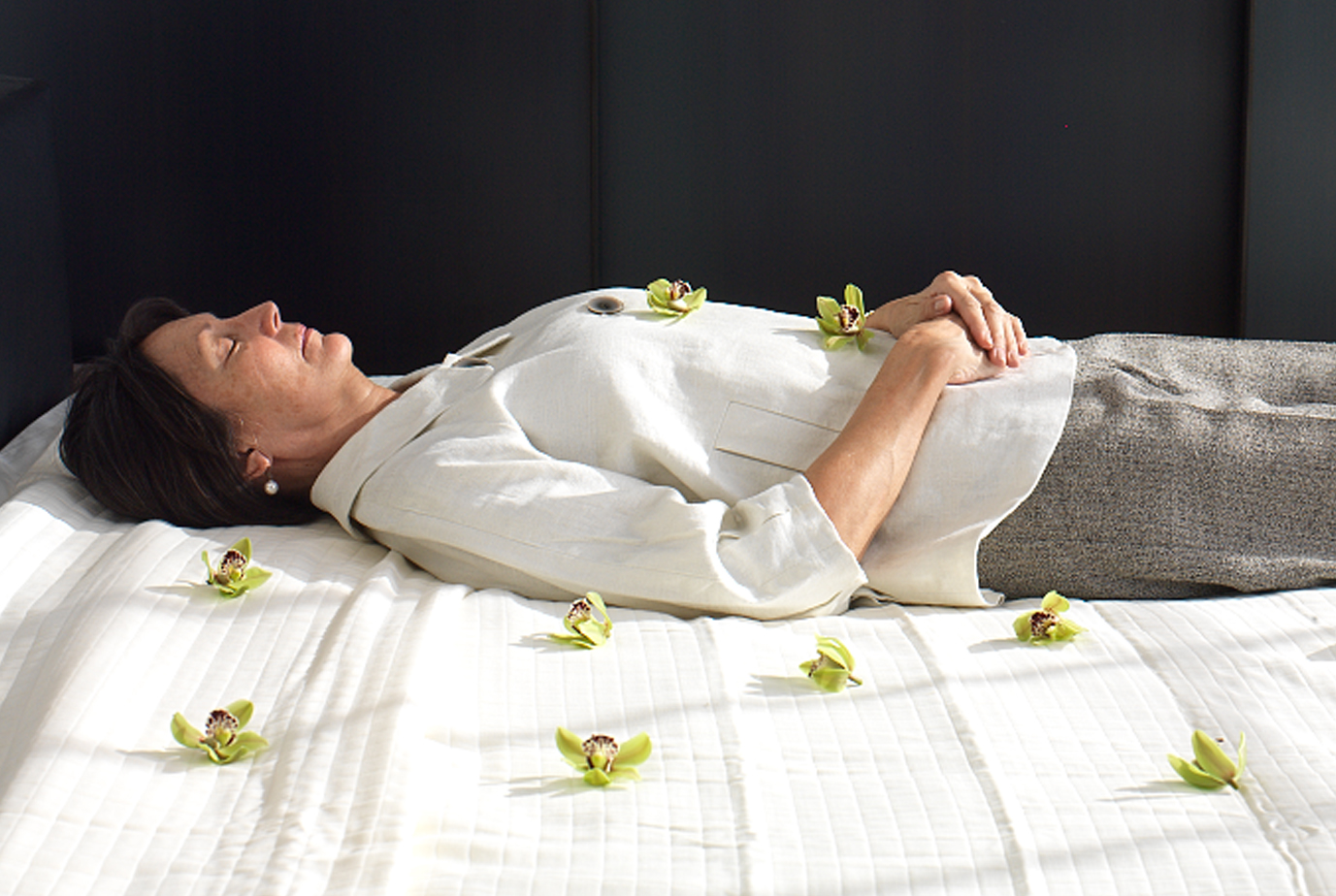
Home funerals and natural death care offer a more personal, hands-on way to honor a loved one’s death. This section explains the process, including legal steps, health and safety considerations, documentation, and costs. You’ll also learn how to find resources and understand your rights. Whether you’re considering this loving path for yourself or a loved one, these articles can help you navigate it with confidence and care.
Jump ahead to these answers:
- What Is a Home Funeral?
- What Does a Home Funeral Cost in Comparison to a Traditional Funeral?
- How Can We Prevent Decomposition of the Body After Death?
- How Do I Care for My Loved One’s Body Immediately After Death?
- What Is an Electronic Death Record System and How May It Impact My Rights to Conduct a Home Funeral?
- How Can I Get a Copy of a Death Certificate in My State?
- Can I File My Loved One’s Death Certificate Myself?
- How Can I Obtain a Death Certificate for My Loved One?
- What Information Do I Need for a Death Certificate?
- Can I Legally Transport My Loved One’s Body to the Cemetery or Crematory Myself?
- Does the Law Say I Have to Hire a Funeral Director?
- Are There Any Restrictions on Where a Home Funeral Can Take Place?
- What Can I Do If a Hospital or Nursing Home Refuses to Release My Loved One’s Body to Me?
- What Is an End-of-Life Doula and How Does That Differ From a Home Funeral Guide?
- What Is a Home Funeral Guide?
- If We Are Planning a Home Funeral, Who Should I Contact if My Loved One Dies at Home?
- Can a Home Funeral Be Conducted if the Cause of Death Was a Contagious Disease?
- Are There Any Health and Safety Concerns to Be Aware of for a Home Funeral?
- How Can Families Involve Children in the Process of a Home Funeral for a Loved One?
- Is It Appropriate for Children to Attend a Home Funeral?
- What Is the Etiquette for Attending a Home Funeral?
- Can I Have a Home Funeral if My Loved One Died in a Hospital?
- What Are Common Reasons for Choosing to Have a Home Funeral?
- What Are the Steps of Conducting a Home Funeral?
- Before Death: Preplanning a Home Funeral
- After Death: The Natural Death Care and Home Funeral Process
- After Death: Planning A Home Funeral
- Home Funeral & Natural Death Care Additional Resources
What Is a Home Funeral?
July 9th, 2025Also called a family-directed funeral, a home funeral occurs when the family and loved ones of a person who has died choose to hold a funeral in the home rather than at a funeral home. The process may include preparing the body (a process we refer to as “natural death care” to differentiate it from the “unnatural” way bodies are cared for in a commercial funeral home) as well as some or all of the following:
- Holding a visitation or viewing in the home
- Performing personalized rituals and celebrations
- Completing necessary paperwork, such as the death certificate (see specific question for more information)
- Building or purchasing a coffin
- Transporting the body to the crematorium or burial site
In some cases, a family will hold a funeral in the home and enlist the aid of a funeral home in completing the paperwork and transporting the body to the place of rest. Additionally, in cases where a body has been transported to a funeral home by a hospital or nursing home, the funeral home can bring the body to the home for a home funeral.
How much or how little you and your loved ones choose to do is always a personal choice.
A home funeral is often followed by a green or natural burial.
Jump ahead to:
- The History of Home Funerals
- Why Have a Home Funeral?
- What Is a Home Funeral Like?
- Legal Requirements for Home Funerals
- Home Funeral Paperwork
- Death Certificate
- Disposition permit
- Burial Transit Permit
- Cremation permit
- Do You Need a Home Funeral Guide?
The History of Home Funerals
Although the idea of a home funeral seems foreign to many of us in modern-day North America, it was the norm until the latter part of the 19th century. People usually died at home, and the family prepared the body and laid it out in the parlor where friends and relatives would come and pay their last respects. The family would then either build a simple coffin or hire a local carpenter to build it for them and bury their loved one on the family property or a community cemetery.
This changed after the Civil War, when embalming became popular, and after-death care evolved into an ever-growing commercial enterprise. Sadly, this change also contributed to a cultural shift towards a death-averse mindset that persists to this day. Americans, by and large, have little contact with death, and view caring for the dead as something frightening or even macabre. The home funeral movement, which began in the 1960s (1980s) and has been growing steadily ever since, seeks to counter this mindset and re-educate the public about the many benefits of caring for our own dead in the home.
Why Have a Home Funeral?
A home funeral, especially when preceded by natural death care, is a very personal way of saying goodbye to someone you love. Your loved one’s body stays in the family home rather than being carried away by strangers to be cared for in a funeral home. This affords those present the opportunity to spend time with their loved one and begin the process of mourning their loss. It also provides mourners the chance to connect with each other and share their grief in a deeply meaningful way. Spontaneous discussions about the nature of life and death and deeply held values and beliefs are also far more likely to occur when loved ones gather with the body of their loved one in the comfort of their own home.
From a practical standpoint, home funerals are also usually far more affordable than a funeral arranged and organized by a funeral home. This is especially true if you are planning a direct cremation, which requires only an inexpensive burial container such as a cardboard box. Even if your loved one will be buried, you can save hundreds and even thousands of dollars by purchasing a casket from a casket retailer versus buying one from a funeral home. You can also choose to build your own casket or burial container or buy a simple inexpensive coffin and decorate it yourself.
Lastly and perhaps most importantly, home funerals are a way for each of us to reconnect with the universal and unavoidable realities of dying, death, loss and grief. In our death-averse culture, these profoundly important topics have been almost entirely removed from the public sphere, leaving many of us completely unable to confront our own mortality or that of the people we love. When death arrives, we are often caught by surprise, as if we truly believed it would never happen to us. Taking back some of the rituals around caring for the dead can help us remember that we are all mortal, and develop a healthier and more accepting attitude towards that truth.
What Is a Home Funeral Like?
Although the term “home funeral” implies that the friends and family take on all of the tasks and responsibilities involving the care of a loved one who has died, that is not always, or even usually, the case. When a person dies at home, the family may choose to care for the body after death and engage in personalized rituals to honor their life, but then involve a funeral home to file the death certificate, store the body and then transport the loved one to a crematorium or cemetery. On the other hand, the family may wish to keep the body at home for several days in order to allow friends and loved ones to visit and say their final goodbyes. Some families choose to transport the body to the crematorium or burial ground themselves, while others enlist a funeral director to take on this task.
In other words, a home funeral is, to a very great extent, whatever the family and loved ones want it to be.
With that being said, a home funeral typically requires a certain amount of advance knowledge and preparation. Although it’s possible to hold a spontaneous home funeral, it will generally go more smoothly if you plan some aspects in advance. Some things you should try to do ahead of time include:
- Gather required documents and the information you will need for the death certificate
- Compile a list of who to notify when death occurs. This may include the hospice provider or attending physician, the funeral service provider (if there is one involved), the coroner or local fire department, and friends, family and loved ones.
- Compile a list of friends or relatives who can help with natural death care. A dead body can be difficult to move, so you will most likely need at least two or three strong adults to assist.
- Purchase and gather supplies for natural death care: Cooling gel packs or dry ice; a wash basin, washcloths, towels, waterproof pads, soap, shampoo, comb, nail clippers and other bath supplies.
- Decide on final disposition if your loved one hasn’t already done so. Call service providers (e.g. crematory, cemetery, natural burial ground etc.) as necessary.
- Decide on memorial options. If your dying loved one is still able to participate, ask them what their preferences are.
- Decide where you will keep your loved one’s body when guests arrive.
- Determine how the body will be transported to its final resting place and by whom.
Legal Requirements for Home Funerals
Home funerals are legal in every state in the U.S. and throughout Canada; caring for your loved one’s body in your own home or elsewhere is every family’s right. However, some U.S. states have laws that require the involvement of a licensed funeral director at some point in the process. These include:
- Connecticut: You must hire a funeral director to remove the body and file the death certificate and/or handle the disposition of any body with a communicable disease.
- Florida: A funeral director must supervise final disposition.
- Illinois: You must hire a funeral director to file the death certificate.
- Indiana: You must hire a funeral director to file the death certificate and handle transportation of the body to its final resting place.
- Iowa: You must hire a funeral director to arrange cremations. Bodies with infectious diseases must be embalmed.
- Louisiana: A funeral director must perform or supervise nearly every aspect of final disposition, including arranging cremation or burial, obtaining the death certificate and transporting the remains.
- Michigan: You must hire a funeral director to oversee final disposition and file the death certificate.
- Nebraska: You must hire a funeral director to file the death certificate, obtain transfer permits, and oversee the interment of the body.
- New Jersey: You must hire a funeral director to oversee disposition and file the death certificate.
- New York: Like Louisiana, New York requires that a funeral director oversee every aspect of final disposition, including receiving a body from a hospital or nursing home, and personally supervising the funeral service and interment or cremation.
Importantly, no state in the U.S. or Canadian province requires embalming except in very specific circumstances, such as when a person died from or with a communicable disease or
If the body will be transported across state lines.
To learn more about state funeral and burial laws, see this state-by-state directory from World Population Review.
Home Funeral Paperwork
Whenever and wherever a person dies, documentation will be required by local authorities. And while filling out this paperwork should be relatively uncomplicated, in truth, it is often anything but. State laws can vary widely, and what is required may vary greatly from place to place. So it’s always a good idea to know what the requirements are in your area ahead of time.
With that being said, there are certain documents that must always or nearly always be filed when a person dies. These include but aren’t necessarily limited to the following:
Death Certificate
A death certificate is an official document that states the date, time, location and cause of death. A death certificate must be filed for every death that occurs in the United States. The original certificate must be signed by a physician or coroner, and then submitted to the appropriate government agency (usually to the state or county vital records office.) Death certificates serve several purposes. They:
- Document the circumstances of a death
- Serve as a legal record of a person’s demise
- Serve as a source of mortality statistics used to track disease trends and causes of death
- Serve as a means of prioritizing and allocating research funding
Filing a death certificate can be simple or complicated, depending on where the person who died lived. California and Florida, for example, maintain an electronic death records system that is accessible only to hospitals, funeral directors and the coroner. If a family wishes to file a death certificate, they must go to the county vital records office with a written statement from a physician attesting to the date, time and circumstances of the death and ask office personnel to file the electronic death record for them. In some cases, the office will provide a paper death certificate that the next of kin can fill out and a physician must sign, but this is not typically the case.
In other states, the Bureau of Vital Statistics will issue a paper death certificate to the next of kin that families can fill out and, after obtaining the signature of a physician or the coroner, file themselves. However, a few states (Illinois, Connecticut, Indiana, Louisiana, Michigan, Nebraska, New Jersey, New York) and the District of Columbia mandate that only a funeral director can file a death certificate.
Disposition permit
Sometimes called a burial transit permit, the disposition permit states how and where final disposition will occur. The office of vital records issues the permit after a death certificate is filed.
Burial Transit Permit
If a person other than a licensed funeral director, medical examiner or EMS provider takes custody of a deceased person’s body for the purpose of transporting it to its final resting place, a Burial Transit Permit is usually required. This document is also needed if a funeral service provider is transporting a body into or out of most states.
Cremation permit
A cremation permit is a document that authorizes a crematorium to cremate a body. It is a requirement in most states, and is typically issued after the death certificate is filed.
If your loved one had a pre-paid funeral or cremation contract, that information is essential as well.
Do You Need a Home Funeral Guide?
Over the past few decades, a new category of death care professionals has gained precedence in the United States: home funeral guides. Also called home funeral consultants, these individuals assist families and loved ones in planning and implementing home funerals. Closely aligned in their purpose and mission with death doulas, home funeral guides offer invaluable advice that can help ease the burden of arranging a home funeral, caring for the body of your loved one, and filing necessary paperwork. They also are generally well-versed in state and local laws around funerals and burials, and thus can act as liaisons with local authorities and a funeral director, if their services are required.
In most cases, home funeral guides are not licensed funeral directors (although some are.) Therefore, they cannot take the role of a funeral director in states where a funeral director’s participation in planning or implementing final disposition is required. However, they provide a valuable service and may ease the burden of family and loved ones at an extremely difficult time. Visit this online directory provided by the National Home Funeral Alliance to find a home funeral guide in your area.
In summary, a home or family-directed funeral is a time-honored, loving and deeply personal way to say goodbye to a loved one who has died. Home funerals are legal in every state in the U.S., and can be far more affordable than using a funeral home. If you would like to plan a home funeral for yourself or someone you love, please don’t hesitate to do so. You will undoubtedly be pleasantly surprised by how beautiful and meaningful the experience can be.
| To learn more about planning a home funeral and natural death care, see SevenPonds Comprehensive Step-by-Step Planning Guide: Immediately Upon Death. |
Sources:
NY Times Magazine: The Movement to Bring Death Closer https://www.nytimes.com/2019/12/19/magazine/home-funeral.html
The National Home Funeral Alliance Director:
https://www.homefuneralalliance.org/directories.html#!directory
NHFA Home Funeral Guide: Updated 01/2024: https://www.homefuneralalliance.org/home-funeral-guidebook.html
World Population Review: Burial Laws by State 2024:
https://worldpopulationreview.com/state-rankings/burial-laws-by-state
What Does a Home Funeral Cost in Comparison to a Traditional Funeral?
July 7th, 2025Although the cost of a home funeral can vary depending on various factors, the estimated average cost is under $500. This estimate includes the price for copies of the death certificate, gas to transport the person who died, a suitable rigid container or cardboard box, and ice. In contrast, a traditional funeral can be significantly more expensive, often averaging around $8,343 if the vault, casket, and burial costs are excluded. Choosing a home funeral significantly reduces or eliminates many of the typical fees associated with funeral homes and can be an affordable option.
There are minimal expenses involved with conducting a home funeral, and you can work together with deathcare groups in your community for more insight into the typical costs you might incur. The total cost can vary based on inflation and the cost of the components referenced above, as well as any other items that might be included. For example, some people prefer to decorate the shroud or the container that will be used for the funeral, so the cost of art supplies may be an additional expense. Shrouds made of more luxurious fabrics, customized, or designed with specifics in mind will be more expensive than using a plain shroud. Others may prefer to choose more intricately woven caskets, which can also vary in pricing. Ultimately, the total cost of a home funeral will vary based on what you decide to include.
Sources
“Frequently Asked Questions”. National Home Funeral Alliance. https://www.homefuneralalliance.org/faqs.html
How Can We Prevent Decomposition of the Body After Death?
July 7th, 2025The process of decomposition begins immediately after someone dies. And while there is no way to prevent it, it’s possible to slow it down by keeping the body cool. Some ways to accomplish this include:
- Open a window or turn on the air-conditioner: If it’s cold outside, opening a window to lower the ambient temperature in the room is one simple way to slow decomposition, especially if the relative humidity is low. Decomposition happens fastest in warm, humid environments and slows down when it’s cold and dry.
- Use Techni Ice dry-ice sheets to cool the body: Made from a water-activated polymer, Techni Ice sheets can be cut to size to fit over or under the torso to keep the body cool. Once activated, the polymer expands and stays cold for up to four days. To cool the body as quickly as possible, put one activated sheet below the small of the person’s back and another over the abdomen. Once cooling is accomplished, the sheet on top can be removed.
- Use dry ice: Dry ice is another reliable way to keep a body cool since it is solid carbon dioxide frozen to -109 degrees Fahrenheit. Unfortunately, it is not as stable as polymer packs and will begin to evaporate quickly. It’s also harder to avoid freezing the skin when dry ice is used. A window must also be kept open in the room, since off-gassing of carbon dioxide can be harmful to those in attendance.
If you choose to use dry ice, place a 3-4 inch foam pad under the body, then put the blocks of dry ice under the foam. You can further preserve the ice and protect the body from freezing by wrapping the ice in paper bags and then wrapping it in several towels.
Keep in mind, too, that it is easier to slow decomposition if a body has been kept cool from the time of death, so make sure to make preparations in advance. Techni Ice is available at big-box stores or online from Amazon.com, so purchase as much as you think you will need ahead of time. Dry ice may be difficult to find in some locations, so investigate your options before you decide to go that route. You will need to buy it shortly before or immediately after death occurs.
Important note: The amount of time a body can be preserved by cooling is not set in stone. Numerous factors determine how long the process of decomposition will take. As a general rule, you should plan to keep the body at home for no more than a few days, although it’s possible to do so for up to a week. If you’re unsure or need further guidance on laws in your state, you may wish to hire a home funeral guide[link to question: what is a home funeral guide?] to guide your decisions and help you come up with the most appropriate plan.
Sources
“Dry Ice Packs”. TechniIce. https://techniiceusa.com/ice-packs.html
How Do I Care for My Loved One’s Body Immediately After Death?
July 7th, 2025Although each situation is somewhat different, as a general rule you will need to complete the following steps to care for your loved one’s body in your home. Please take a moment to review them before you begin.
Step 1. Purchase dry ice or cooling gel packs
This step is best completed immediately after or shortly before your loved one dies. It may be omitted if the outdoor temperature is cool enough that you can open a window in the room where your loved one will be kept. (Ideally 40 degrees or below). In some cases, you may also be able to turn on a window air conditioner to keep the ambient temperature at about 40 degrees.
If neither of these conditions are met, you will need dry ice, available for purchase at many grocery stores for around $2.99 per pound, Techni Ice, and/or frozen gel packs. Specialty vendors such as ice cream stores, commercial ice vendors, and some liquor stores may also have dry ice for sale. You will need an ice chest or sturdy styrofoam container to hold the dry ice, as well as leather gloves or insulated gloves for handling since it will burn exposed skin. Latex or nitrile gloves will not be thick enough to protect your skin and should not be used.
Clear a space to store the ice, but do not set the container directly on the floor, as it may damage floorboards, tile, or linoleum. It is important to be mindful that dry ice releases carbon dioxide as it evaporates, so it should only be used in a well ventilated area with open windows or fans to maximize air flow.
For an average-sized body, you will need about 30 pounds of dry ice to start with, and about 10-20 pounds a day after that. Wrap the pieces in cloth or plastic sheeting. You will need to replenish your supply daily as the dry ice evaporates. If you are choosing to use frozen gel packs, be aware that the efficacy of this method depends on where you live and the intensity of the climate. In warmer climates or during the summer, frozen gel packs may not remain cold enough to maintain the body at the temperature of 40 F for an extended period of time.
Step 2. Prepare your workspace
As a general rule, it is easiest to care for your loved one’s body in the room where death occurred. Remove all medical equipment and unnecessary furniture or appliances in order to give yourself as much space as possible. Make sure you have all of your supplies ready. Place plastic sheeting underneath the body to protect the mattress and furnishings. You can do this by asking several people to help you roll the body onto its side while you lay down the sheeting next to it. Roll the body over onto the sheeting, now resting on its other side. Spread the sheeting out completely, and then lay the body back down, face up.
Step 3. Prepare the body
Remove the person’s clothing, cutting it away from the body if necessary. Place a towel or sheet over the body to maintain a sense of dignity. Place a folded towel, adult diaper, or absorbent pad under the buttocks, then gently press the pubic area to expel any urine that is still in the bladder onto the sheet and discard it.
Step 4: Clean the mouth and eyes (optional)
You may use disinfecting mouthwash or mouth swabs to clean the mouth and teeth and to dry out the mouth. Close the mouth by tying a scarf wrapped from under the chin to the top of the head, and gently close the eyes. If they will not remain closed, place a bag of rice or beans, or other soft weight over them. If you plan to donate your loved one’s corneas, moisten a gauze pad with saline and place it over the eyes before this step.
These steps should be completed before rigor mortis occurs, which is around 2 hours after death. You can remove the scarf and weights from the eyes, but please note that this may need to be done anywhere between 1 to 4 hours, depending on your loved one’s mouth.
Step 5. Wash the body
In preparation to wash your loved one’s body, fill two large bowls with warm water; one bowl will be used for washing and the other bowl will be used for rinsing the body. If you like, you can include a few drops of your loved one’s favorite fragrance, rose petals, or essential oils in the water. If you are concerned about the cleaning surface, place a plastic sheet under the body until washing is complete.
- Begin with the face and neck area, using short, gentle strokes (do not scrub, as skin may tear). Then gently pat the skin dry.
- Wash the hair using dry shampoo. If you prefer to use regular shampoo, let the person’s head hang over the edge of the bed or table while supporting the neck. Have another person hold a basin underneath the head while you shampoo and rinse the hair.
- Wash the arms, hands, and nails, then pat dry.
- Wash the upper body, front, and then roll the body onto its side to wash the buttocks and genital area. Remember to pat dry afterwards.
- Wash the legs and feet, and pat dry.
- Once washing is complete, you can dress the body. It is recommended to include an adult diaper when dressing your loved one, as this will catch any residual fluids that may leak from the body over time.
Step 6. Dress and prepare the body for visitation
If you are holding a visitation, prepare the body by dressing it in the way you think your loved one would have wished to be dressed. Pants are relatively easy to put on. A shirt or dress can be cut up the back, slipped over the arms, and then tucked under the body. You may need to ask several people to help you complete this step. Don’t omit jewelry, perfume or other items your loved one liked to wear.
Step 7. Prepare the visitation room
If you plan to lay the body out in a casket, make sure that you have it prepared so that you can easily place the body inside. If you will place the body on a table or other piece of furniture, you should lay out whatever linens you plan to have underneath it. A bed, table, massage table or casket are all ideal for a visitation.
Step 8. Move the body
It usually takes at least four to six people to move a body. The easiest way to do so is to use the sheet or bedding your loved one is lying on after removing the plastic sheeting used to protect the bed. Roll the sheet up until it is next to the body, forming a sort of “handle” to grab hold of. Space yourselves at equal distances to best distribute the weight; count to three, and lift all at once. Move sideways to clear the bed. It may be helpful to count your steps out loud in order to stay in unison.
Another method of moving a body is to use a wooden board or box. If you choose this option, it’s a good idea to conduct a trial run with your helpers in order to locate places where maneuvering may be difficult.
When you have reached the visitation site, lay the body down with the sheet still beneath it, or gently lift the box or board into place.
Step 9. Cool the body with dry ice or frozen gel packs
Once your loved one’s body is laid out and dressed, you can cool it with dry ice or frozen gel packs to slow the natural degradation process. If you are using dry ice, wrap your 1-inch thick sheets in cloth, muslin, or plastic wrap before placing them alongside the body. Since dry ice emits carbon dioxide while it evaporates, it can cause “ice burns” on exposed skin. Place one bundle of dry ice or frozen gel packs beside each shoulder blade, the lower back, and each hip. The goal is to keep the internal organs cool, which is why the torso and lower abdomen are the most important areas to focus on. In most instances, dry ice should be used to cool the body since frozen gel packs will not adequately maintain a cool body temperature in warmer climates.
Use cloth scarves or pillows to hide the cooling materials from view during the visitation. Remember to monitor the dry ice or gel packs and replace them when necessary. Dry ice generally needs to be changed every 24 hours, and you will need to purchase it daily. Keep a washcloth and towel close at hand, and take care when repositioning the body to replace the dry ice. While rare, it is important to note that bodily fluids may escape from the mouth or nose.
Step 10. Decorate the visitation space
Prepare your home or chosen location for the visitation in a way that your loved one would have chosen themselves. Remove any medical equipment or cleaning supplies to an out-of-the-way place. Then adorn your space with flowers, Christmas lights, candles (or torches if outdoors) as you see fit. You may wish to play music while the viewing takes place, or you can set up chairs and a podium from which guests can speak. Scent can also play an important role: a diffuser or incense may add to the ambiance you are trying to create. This is your time to celebrate your loved one and your love for them, so personalize the space in any way you wish.
What Is an Electronic Death Record System and How May It Impact My Rights to Conduct a Home Funeral?
July 7th, 2025As the name implies, an electronic death record system, or ERDS, is an electronic system for filing death certificates and sharing information about deaths that have occurred with agencies such as the State Department of Vital Records, the Social Security Administration and the CDC. As of 2017, they were in use in all 50 states except Connecticut, Mississippi, New York, North Carolina, Rhode Island, Tennessee and West Virginia. However, not every state with a system in place mandates its use.
The electronic death record system was developed to streamline the process of reporting, recording and gathering data about deaths that occur in the U.S., and it has been successful to a great extent in meeting that end. Although systems vary by location, in many jurisdictions death certificates can now be filed online by both health care providers and state and local officials, including medical examiners, doctors, hospitals, nursing homes, hospices, funeral directors, town clerks and city and county registrars. This speeds up a process that can be cumbersome and time-consuming, and allows for cross-checking of data so that fewer errors occur.
With that being said, the ERDS can be a significant barrier to families who wish to hold a home funeral because the system can only be accessed by those authorized by the state. In some jurisdictions, a family can file a paper copy of the death certificate, which will then be entered into the ERDS by the county registrar or town clerk. But in many locations, this option is prohibited by ERDS reporting requirements, thus forcing a family to hire a funeral director to file the certificate when a person dies at home. Further, since the death certificate may be needed to obtain a burial transit permit, the next of kin may be unable to remove their loved one’s body from a care facility unless a funeral director is involved.
If you’re planning a home funeral for your loved one or yourself, check with your State Department of Vital Records or your town clerk or city/county registrar to learn if the option to file a paper death certificate is available in your state. If it’s not, you may wish to hire a home funeral guide to assist you in navigating through the process of filing all necessary paperwork.
Sources
“Modernization: Tools and Technology – Electronic Death Registration System (EDRS)”. CDC National Center for Health Statistics. https://www.cdc.gov/nchs/nvss/modernization/tools.htm
How Can I Get a Copy of a Death Certificate in My State?
July 7th, 2025The exact steps for obtaining a copy of a death certificate can vary based on the state where you reside. The vital records office or the local health department in the county where the death occurred is usually the main point of contact to initiate a request since they are responsible for maintaining and issuing death certificates. Gathering all pertinent identifying information before contacting these locations is essential since they typically need additional details to process the request.
Identifying information commonly needed to complete a request includes the full name of the person who died, the date and place of death, and the requester’s relationship to the person. The requester may also need to prove their identity and include a reason for requesting the death certificate, such as if it is necessary to settle an estate or complete paperwork. Additionally, the requester must indicate if they need a certified copy or a photocopy. Certified copies are typically required to claim life insurance, close important accounts, or notify the Social Security Administration of the death.
A few fees are associated with requesting a death certificate from the state. Pricing can vary by state, but most fees are non-refundable. Standard fees include:
- A registration fee paid upon the initial request
- The cost of the initial certificate.
- Another fee if additional copies are requested.
Some offices or departments may also charge a search fee. Search fees are applicable if someone has requested a death certificate but no records were found pertaining to the death.
Finally, it’s important to note that third-party companies and funeral homes can also assist with death certificates. But, fees may be higher than obtaining a death certificate directly from the state.
Sources
“How to get a certified copy of a death certificate”. USAGov. https://www.usa.gov/death-certificate
“State-By-State Death Certificate Ordering Information”. Everplans. https://www.everplans.com/articles/state-by-state-death-certificate-ordering-information
Can I File My Loved One’s Death Certificate Myself?
July 7th, 2025Although there are a few states that require funeral directors to supervise the disposition of the body and file a death certificate, most states will allow a family member to file a death certificate for a loved one. If you reside in a state that doesn’t require a funeral director, you can contact the Office of Vital Statistics to acquire a blank copy of a death certificate form or you can provide the necessary information through their online system. The electronic death record system (ERDS) can be a barrier for those interested in conducting home funerals since access is only granted to individuals with state authorization.
If you live in a state that doesn’t require a funeral director to file a death certificate, you can file a paper copy of the certificate, and those details will be input into ERDS by a town clerk or county registrar. However, if you live in a state where this method is prohibited by ERDS reporting requirements, you will have to work with a funeral director to file the death certificate instead of filing it yourself. There are currently 5 states that require a funeral director to sign, certify or file a death certificate:
- Connecticut
- Illinois
- New York
- Michigan
- New Jersey
Details and identifying information pertaining to the person who died will be necessary to complete the death certificate registration, so it can be helpful to gather this information ahead of time. Required information can vary by state, but most forms will request the following details at a minimum:
- Full name
- Address
- Marital status
- Surviving spouse’s name
- Father’s name
- Mother’s maiden name
- Education level
- Social Security number
- Veteran’s discharge or claim number
- Date and time of death
- Place of death
- Cause of death
When contacting the Office of Vital Statistics in your region, it is important to clarify requirements and time constraints prior to arranging the burial. Some states require that the death certificate must be filed within a specific period of days following the death and prior to the burial or cremation of the person who died. After the death certificate has been completed, it needs to be signed by the physician who was last responsible for your loved one’s care. The physician must indicate the cause, death and time of death. It is highly encouraged to get the death certificate finalized by the physician as soon as possible, since some states also have time constraints surrounding the length of time that can pass between the time of death and the physician’s signature.
Sources
“Who Can File and Prepare the Death Certificate?” Titan Casket. https://titancasket.com/blogs/funeral-guides-and-more/how-to-get-a-death-certificate#who-can-prepare-and-file-the-death-certificate
“Quick Guide to Legal Requirements for Home Funerals in Your State”. New Hampshire Funeral Resources & Education. https://www.nhfuneral.org/state_home_funeral_requirements.html
How Can I Obtain a Death Certificate for My Loved One?
July 7th, 2025When someone dies, their death must be registered with the Bureau of Vital Records or the Office of Vital Statistics within a period that is designated by the state. The office will create an official death certificate based on the registered death and can then provide certified copies for a fee if requested. If final arrangements for the burial or cremation are being handled by a funeral home or crematory, they will usually take responsibility for filing the death certificate as well. However, if the preference is to have a home funeral, most states will allow a family member to take on the responsibility of filing the death certificate instead.
There are only 5 states where family members are not permitted to file a death certificate (Connecticut, Illinois, Michigan, New York, and New Jersey). In these states, the death certificate must be filed by a funeral director because the electronic death record system (ERDS) is only accessible to individuals who have been authorized by the state. If you reside in a state where death certificate filing is limited to funeral directors, you will need to hire one to move forward with obtaining a certificate for your loved one.
If a family member handles the death registration process, they will need to contact the Bureau of Vital Records or the Office of Vital Statistics to complete the registration paperwork. This involves providing identifying information about the person who died and determining any associated requirements before moving forward with the burial. Death certificates often need to be filed within a specific time frame after the death and before a burial or service, so it is important to clarify these requirements before making further arrangements. After the family member has completed the death certificate, they will need to have it signed by a medical provider who can indicate the time, date, place and cause of death.
After the completion of this process, the Bureau of Vital Records will make an official death certificate. Once the certificate is official, family members can request photocopies or certified copies to aid in the completion of specific tasks. In most instances, a certified copy of the death certificate must be provided if a family member is closing accounts or making claims on behalf of their loved one. The general recommendation is to request at least 10 copies of the death certificate for these purposes. It should be noted that requesting copies is usually associated with a small fee, which can vary by state.
Sources
“How to Get a Death Certificate”. Titan Casket. https://titancasket.com/blogs/funeral-guides-and-more/how-to-get-a-death-certificate#how-do-i-get-a-death-certificate
“Legal State Requirements for Home Funerals”. New Hampshire Funeral Resources & Education. https://www.nhfuneral.org/state_home_funeral_requirements.html
“How to Get a Death Certificate”. NOLO. https://www.nolo.com/legal-encyclopedia/how-get-death-certificate.html
What Information Do I Need for a Death Certificate?
July 7th, 2025Whether you are working with a funeral director or filing a death certificate yourself, there are a number of key pieces of information required. This includes the person’s:
- Full name
- Address
- Marital status
- Surviving spouse’s name
- Father’s name
- Mother’s maiden name
- Education level
- Social Security number
- Veteran’s discharge or claim number
- Date and time of death
- Place of death
- Cause of death
- Preferred form of disposition
- Place of burial or disposition
- Name, address and phone number of certifying physician
- Name, address and phone number of person with the right to control disposition
This information will aid in the creation of a comprehensive record of the death, which may later be used for statistical purposes by the state, so it is important to include as much accurate information as possible.
In addition to the above, you will need the signature of the last physician who was responsible for the care of your loved one. Other details can vary by state. If you are uncertain of what information needs to be included, you can ask the town or county clerk or the funeral director who is assisting with final arrangements for guidance.
Can I Legally Transport My Loved One’s Body to the Cemetery or Crematory Myself?
July 7th, 2025Whether you can legally transport the body to the cemetery or crematory depends largely on which state you reside in. Each state has its own laws regarding who can transport the body of someone who has died. In states where a transporter’s license is required, transportation must be handled by a licensed funeral director. Additionally, if you have to transport the body across state lines or internationally, you must acquire specific documentation, such as a burial transit permit and ensure that your transport adheres to the laws of the states or countries where you are traveling. For example, some have a general requirement that the body must be refrigerated during transport or embalmed prior to transporting.
In addition to obtaining the correct paperwork and gaining familiarity with state laws, another important factor to consider regarding the transportation of the body is whether you are using an appropriate container. Many cemeteries and crematories will not accept the body if it is not encased in a suitable container that can securely contain odors and fluids. If you are in a state where it is legal to transport the body independently, you can contact the cemetery or crematory ahead of time to discuss their requirements.
Overall, although it is legally possible to transport a body to the cemetery or crematory on your own, there are a lot of logistical factors to take into consideration. This can quickly become overwhelming, particularly if you are also managing other aspects of the final arrangements or if the steps for transport are not clearly defined. If you are ever in doubt during this process, reaching out to a local funeral home or crematory can help connect you with industry professionals who can provide additional support and guidance.
Sources
“Deceased Transportation: What You Need to Know About Transporting Human Remains.” FuneralWise. https://www.funeralwise.com/funeral-arrangements/deceased-transportation/
“How to Transport a Body Via Ground.” EverPlans. https://www.everplans.com/articles/how-to-transport-a-body-via-ground
Does the Law Say I Have to Hire a Funeral Director?
July 7th, 2025In most states in the U.S., hiring a funeral director to assist with a home funeral is not required. Further, in all states, you are legally allowed to keep the body in the home and prepare it for burial or cremation. However, some states do mandate the involvement of a funeral director to some degree. The National Home Funeral Alliance maintains a list of state laws, which you can review to determine whether working with a funeral director is mandated in your state.
It is important to note, however, that even though you may not be legally obligated to hire a professional, a funeral director or home funeral guide can be very helpful in handling some of the logistics. Funeral directors typically have relationships with local crematories and cemeteries and can facilitate arrangements for final disposition, leaving you with more time to spend with the person who died. They can also help arrange transportation of the body to its final resting place, handle paperwork, and provide expert advice on details around after-death care. Sometimes, people who are conducting their first home funeral find that having the presence of a deathcare professional brings peace of mind if there are any unexpected concerns that arise.
Sources
“Home Funerals”. Order of the Good Death. https://www.orderofthegooddeath.com/resources/home-funerals/
“State Laws”. National Home Funeral Alliance. https://www.homefuneralalliance.org/state-laws.html
Are There Any Restrictions on Where a Home Funeral Can Take Place?
July 7th, 2025Although home funerals typically occur at a private residence, such as the home of the person who died, many alternative locations can be used if necessary. It is not always possible to have a home funeral in a household or an apartment due to space limitations. Some people in the household may not be comfortable with having a home funeral, even though others may value the idea of increased privacy and a closer connection with visitors. Likewise, those who are unhoused often lack a physical address where a “home” funeral can be held. Being mindful of this, these funerals can be held in other spaces such as the residence of another member of the community, a church, an event venue or another larger community space.
More often than not, people in the community are willing to open up their space for a home funeral if they are aware of the circumstances that are interfering with the logistics. Reaching out to local deathcare groups, environmental organizations, religious organizations, and other collectives can be helpful if no one in an immediate social circle can provide a space for a home funeral. If possible, some people may choose a location that was special or significant to the person who died. As with any funeral preparations, it is important to note that each state typically has requirements or regulations regarding how public spaces can be used. If you are in doubt about whether a space, such as an events venue, can be used for a home funeral, reach out to the state funeral board or the health department to check.
Sources
“What is a Home Funeral?” Larkspur Conservation. https://larkspurconservation.org/home-funerals
“Home Funerals and Burials”. FuneralWise. https://www.funeralwise.com/funeral-customs/home-funerals-burials/
What Can I Do If a Hospital or Nursing Home Refuses to Release My Loved One’s Body to Me?
July 7th, 2025Home funerals are still very rare in most parts of the United States, so it would not be unusual for the staff at the hospital or nursing home where your loved one died to balk at your request to take your loved one’s body home. Most healthcare providers are unsure of how to honor such a request or if it is even legal to do so. Additionally, some providers have policies in place that only allow a body to be released to a designated agent of a funeral home, regardless of state law.
Your best defense against obstructive staff members is to prepare in advance. Before your loved one dies, gather the necessary “ammunition” to support your cause for taking them home after death. Start by educating yourself about your state’s legal requirements around final disposition. (You can find a quick overview on Nolo.) Many states have no restrictions, while others require the involvement of a funeral director at some point (for example, to file the death certificate). Some states also require that a burial transit permit be issued before the body can be moved. If possible, get a written copy of the law. You may need to show it to hospital staff.
In addition to researching your state laws, contact an advocate who can assist you when the time to claim the body comes. Let them know that you don’t know if you will run into difficulty, but want to have somewhere to turn if you do. The National Home Funeral Alliance suggests you reach out to any of the following people or agencies:
- A home funeral guide
- Your local Funeral Consumer Alliance office
- A clergy member who knows you
- Your local town or city clerk
- A home funeral-friendly funeral director
- A law enforcement officer who understands your state’s funeral law
- Your State’s Attorney General’s office
You may wish to alert your attorney and have them contact the care provider in advance of your loved one’s death. They may be able to work with the hospital’s or care home’s administrators or attorney to ensure that staff know of your wishes and are prepared to carry them out.
If, despite all your preparations, you are still having difficulty claiming a loved one’s body at the time of death, ask to speak to an administrator, a patient advocate or an ombudsman. Stay calm, and call the person who agreed to act as your advocate if they are not already present. Get the name and professional designation of the person you’ve been speaking with (for example, unit charge nurse, nurse supervisor, physician or administrator), and ask to see a copy of the policy that they are invoking when denying your request.
Keep in mind, too, that sometimes staff members will use the word “liability” when denying a family’s request. If this happens to you, remind them that there is no liability to the provider for releasing a dead body to the next of kin, just as they would not be legally liable for releasing a living person to the custody of the individual legally responsible for their care. However, the hospital or nursing home might be legally liable for releasing the body to a commercial funeral service provider over the family’s clearly expressed objections.
Finally, be persistent. You have a legal and moral right to claim your loved one’s body, and you have every reason to insist that the care provider honor that right.
Sources
“Burial and Cremation Laws”. NOLO. https://www.nolo.com/legal-encyclopedia/burial-cremation-laws
What Is an End-of-Life Doula and How Does That Differ From a Home Funeral Guide?
July 7th, 2025According to the National Hospice and Palliative Care Organization, an end-of-life doula (sometimes called a death doula or death midwife) is a non-medical care partner who companions a dying person and their family through serious illness and death. Often working in tandem with hospice, they offer education, support and comfort to the dying and other people involved in their care. Although their role sometimes overlaps with those of a home funeral guide, the end-of-life doula typically provides care during the dying process, while a home funeral guide steps in after death occurs.
End-of-life doulas tailor their services to the individual needs of the clients they serve. However, they are most often called upon to help the family in the following areas:
- Preparing important documents, such as an Advance Directive and Durable Power of Attorney for Health Care
- Planning and participating in a bedside vigil
- Memory making
- Completing a life review
- Providing respite care
- Hands-on comfort care
- Helping the family cope with anticipatory grief
Many end-of-life doulas maintain relationships with others in the death care community who offer various kinds of bedside services and support. They may, for example, partner with a celebrant, who will come to the home and help the family plan a memorial service or celebration of life. Or they may work with a local chapter of the Threshold Choir, an organization that will send two to four singers to the bedside of the dying person to perform.
Like home funeral guides, death doulas are not licensed professionals. They may practice without formal training, although many who enter the profession choose to take a certification course, such as that offered by the International End of Life Doula Association. These trainings usually include coursework on active listening, journaling, meaning-making, creating personalized rituals and vigils, and various aspects of providing comfort to the dying and helping their families cope with their loss.
Sources
International End of Life Doula Association. https://inelda.org/
What Is a Home Funeral Guide?
July 7th, 2025According to the founder of Final Passages, Jerrigrace Lyons, a home funeral guide is a trained professional whose role is to “educate and empower families to exercise the innate right of caring for their own dead.” A home funeral guide is a non-medical provider who lends an additional layer of support for families who wish to care for their loved ones after they die. Lyons emphasizes that a home funeral guide does not care for the body of a person who has died, but rather supports and educates the family so they can do so themselves. They are knowledgeable about natural death care, as well as state and local laws and ordinances that impact a family’s right to care for a loved one who has died. They also act as liaisons between funeral service providers, vital records departments, coroner’s offices, and the like.
Unlike end-of-life doulas, who work with families (or chosen families) throughout the dying process, a home funeral guide helps families plan for and manage the tasks involved in caring for their loved one after death occurs. They serve as an important resource in helping families navigate the practical aspects of caring for a body, such as gathering necessary supplies, assembling a team of people to help, and slowing decomposition so that a home vigil can occur. In states where a funeral director must be involved in after-death care, they will also work with those providers to streamline the process of obtaining and filing a death certificate and a burial transit permit, and transporting the body to its final resting place.
Like all service providers, home funeral guides typically charge a fee. However, because they are not (as a rule) licensed funeral directors, they are not covered by the FTC Funeral Rule and are not required to provide consumers with a written price list or estimate for their services in advance. For this reason, it’s always a good idea to enter into a written contract with the funeral guide that details what services they will and will not provide.
If you need a home funeral guide, you can search for one by name, location, or area of expertise in the NHFA directory linked below.
Sources
“The role of a home funeral guide.” Final Passages. https://finalpassages.org/the-role-of-a-home-funeral-guide/
International End of Life Doula Association. https://inelda.org/
“Home Funeral Laws”. NOLO. https://www.nolo.com/legal-encyclopedia/home-funeral-laws
“NHFA Directory”. National Home Funeral Alliance. https://www.homefuneralalliance.org/directories.html#!directory
If We Are Planning a Home Funeral, Who Should I Contact if My Loved One Dies at Home?
July 7th, 2025If the person who died was on hospice, contact your hospice provider. They will contact the on-call hospice nurse, who will certify the death. An RN is allowed to sign the medical portion of a death certificate in some jurisdictions, but not all. If the attending physician must sign it, the hospice nurse will typically contact the doctor and arrange for it to be done within 72 hours of the death.
If the person who died wasn’t on hospice but their death was expected, contact their attending physician. Ideally, the doctor should be present at the time of death. But if your loved one was under the doctor’s care for an ongoing condition, and the cause of death is known, they will typically sign the death certificate and certify the date, time and cause of death. If you’re not using a funeral home, the doctor can sign the death certificate in your home.
If you can’t contact the person’s doctor within a reasonable amount of time, you may need to call 9-1-1. Before doing so, locate the person’s POLST or out-of-hospital DNR. This will mitigate any chance that first responders will initiate CPR. You may also keep your loved one’s body in your home for some time before calling if you wish.
(Note: In most jurisdictions, a paramedic may certify that a person has died at the scene if the person has obviously been dead for some time or if resuscitation is deemed impossible. If an EMT responds to the call, they can usually call the ER to have a doctor certify death over the phone.) Depending on the circumstances surrounding the death, first responders may be legally required to take the body to the Emergency Room. In that case, the family may claim the body after appropriate determinations have been made. If transport is not required by law, you may keep your loved one’s body at home. You will need to contact their attending physician to sign the death certificate.
In the event that your loved one died unexpectedly or there is any suspicion of foul play, the coroner or medical examiner’s office may need to be involved. This rarely happens when the doctor certifies that the death is due to natural causes. However, if there is any doubt, the coroner or medical examiner will investigate. In that case, the authorities will determine if an autopsy is required. If it is, the body will not be released to you until the autopsy is complete. (Note: State laws differ on when an autopsy is required. If the family objects for religious or cultural reasons, it can sometimes be waived.)
SOURCES
“Table 2: Selected Characteristics of Deaths Requiring Autopsy by State”. Centers for Disease Control and Prevention. https://www.cdc.gov/phlp/media/pdfs/table2-autopsy.pdf?CDC_AAref_Val=https://www.cdc.gov/phlp/docs/coroner/table2-autopsy.pdf
Can a Home Funeral Be Conducted if the Cause of Death Was a Contagious Disease?
July 7th, 2025Whether a home funeral can be conducted if the cause of death was a contagious disease will depend largely on the disease involved. Although most diseases will not spread directly from the body of the person who died, some diseases are an exception. These diseases include:
- Covid-19
- Ebola
- HIV
- Tuberculosis
- Gastroenteritis (including clostridium difficile)
- Septicemia and meningitis, particularly meningococcal infections
- Hepatitis B and C
- Group A Streptococcal infection
- Transmissible spongiform encephalopathies (including Creutzfeldt-Jakob disease)
Assuming that the person who died was hospitalized due to the severity of these diseases, the hospital would typically inform family and loved ones that a home funeral would not be appropriate due to safety concerns. However, it is also worth acknowledging that when someone dies due to a contagious or communicable disease, most states have defined regulations regarding the treatment and disposition of the body. Most states will require that the disease is reported to the attending physician or medical examiner at a minimum, but other states can require embalming if a contagious disease is the cause of death.
Wearing personal protective equipment and taking the necessary precautions when handling the body of the person who died is highly recommended, even in circumstances where a home funeral has been approved. Since regulations can vary by state and potential health risks should be evaluated by a medical professional, the best practice is to seek professional guidance before making any arrangements for a home funeral. Contacting a medical professional, the state public health department, or a local funeral director can provide more insight into the requirements and restrictions.
Sources
“Home Funerals are Safe”. National Home Funeral Alliance. https://www.homefuneralalliance.org/health-safety.html
“Laws by U.S. State”. National Home Funeral Alliance. https://www.homefuneralalliance.org/state-laws.html
Are There Any Health and Safety Concerns to Be Aware of for a Home Funeral?
July 7th, 2025In most instances, there aren’t any health and safety concerns that you need to be aware of to conduct a home funeral. Bodies of deceased individuals are generally safe and typically do not pose a threat to health or safety. The exception to this is if the individual who died had an infectious disease. In those scenarios, contagious diseases may be transmitted to other people by contact with bodily fluids or blood. However, public health officials believe that viruses and bacteria cannot survive long after an individual dies. Hence, the danger is most likely short-lived.
Some examples of diseases that can be transmitted through contact with a dead body include:
- COVID-19
- Hepatitis B and C
- Tuberculosis
- Group A Streptococcal infection
- Ebola
- Gastroenteritis
- HIV
- Transmissible spongiform encephalopathies such as Creutzfeldt-Jakob disease
- Meningitis
- Septicemia (rare)
Wearing personal protective equipment (PPE), such as gloves, masks, eye goggles and face shields, is an excellent way to protect yourself from coming into contact with body fluids and blood when handling the body of a deceased person with an infectious disease. If the individual was hospitalized due to an infectious disease and died from it, the hospital would also indicate that it is not safe to conduct a home funeral.
There is a common misunderstanding that embalming prevents disease from spreading and that unembalmed bodies of deceased individuals have the potential to spread disease. However, if the individual didn’t have an infectious illness before death, they will not become a health threat after death in the absence of embalming.
If the deceased individual died from an infectious disease, most states require that the death be reported to public health officials. In that case, the family or next of kin should report the death and the associated illness to an attending physician, who will ensure it is documented correctly. If any other actions are required, the doctor or public health officer will inform you at the time of contact. If you are caring for a seriously ill person with an infectious disease, you should also check the requirements in your state to ensure you’re aware of the regulations and associated time frames.
Sources
“Home Funerals Are Safe”. National Home Funeral Alliance. https://www.homefuneralalliance.org/health-safety.html
“Embalming Explained”. Funeral Consumers Alliance. https://funerals.org/get-help/making-decisions/embalming-explained/
How Can Families Involve Children in the Process of a Home Funeral for a Loved One?
July 7th, 2025Families can involve children in the home funeral process for a loved one by introducing a few different approaches. The familiar environment of the household can provide a supportive setting for children to develop an understanding of how people are honored and remembered after death, as well as why these actions have significance. Since home funerals can differ from traditional funerals, some children may have questions about these differences, and this can create opportunities for age-appropriate discussions.
The extent to which a child is involved in a home funeral is generally based on their sensitivity, maturity, and what their parents or guardians feel is most appropriate given their age and comprehension. A primary focus is often the funeral itself, such as allowing the children to participate in the viewing. Younger children may make decorations, small mementos, or floral arrangements that can be used to help set the tone in the room for the funeral. Some parents or guardians prefer to allow older children to be involved with other aspects of the preparation process, such as brushing the hair of the person who died or selecting special clothing and items that had significance to them.
Participation in these activities ultimately depends on the comfort level and maturity of the children involved. Children should not be forced to participate or be involved in home funeral activities if they have previously expressed that they are uncomfortable doing so. Participation against their will can quickly result in an experience that is both upsetting and frightening for the children involved. Instead of deciding how children should participate, ask them what activities they are interested in. Examples of activities that can be offered to a child include making artwork to honor the person who died, placing a drawing or another important item next to the body, or sharing some of their memories of this person.
Involving children in a home funeral can help them to conceptualize mortality, how people grieve, and how people are honored and remembered when a death occurs. It can also provide many opportunities for teachable moments and more open communication about questions that might not otherwise be asked in a traditional funeral setting. Since the overall appropriateness and level of participation in a funeral setting can vary based on age and developmental stages, parents and guardians are encouraged to use their discretion in determining whether involvement in a home funeral would be a suitable option for their children.
Sources
“The Case for Home Funerals”. Sacred Crossings. Retrieved from https://sacredcrossings.com/the-case-for-home-funerals/
Is It Appropriate for Children to Attend a Home Funeral?
July 7th, 2025It can be appropriate for children to attend home funerals since it provides an opportunity for them to process, understand and participate in mourning and remembrance of a loved one. Depending on the child’s age, funerals and related ceremonies can be a memorable and meaningful experience for them. Taking the child’s developmental stage into consideration is crucial since it generally establishes the extent of their comprehension regarding death, loss, and surrounding events. Parents, caregivers, and guardians are encouraged to consider which aspects of a home funeral may be beneficial to the child’s perception and experience of grief.
If a child is allowed to attend a home funeral, they will need guidance and support. Children perceive and conceptualize death differently from adults. It can be helpful to talk with them to gauge their level of understanding about the loss before deciding whether they should attend. It may also be helpful to describe the funeral and what it will involve so that they understand what to expect. Encourage them to ask questions, but remember to provide honest answers that communicate the reality of death. Your answers will often have to be simple and tailored to the child’s comprehension level. If the child has attended a traditional funeral before, you can identify some similarities between that experience and a home funeral, highlighting that this setting is more private and allows people to spend more time with the person who died.
Children’s experiences in funeral settings need to occur naturally and in consideration of their limits. Children should not be forced to interact with the person who died, such as viewing or touching the body, if it causes them distress or they have previously expressed that they are uncomfortable doing so. Although it is healthy for children to engage and participate in these settings, it should be done with supervision and only with their consent. When children are forced to be involved in a funeral against their will or the experience lacks proper guidance, they may become frightened and develop negative attitudes regarding funerals and death.
Sources
“NHFA Home Funeral Guide”. National Home Funeral Alliance. https://www.homefuneralalliance.org/home-funeral-guidebook.html
“Guidelines for Children Attending Funerals and Memorial Services”. VITAS. https://www.vitas.com/family-and-caregiver-support/grief-and-bereavement/children-and-grief/guidelines-for-children-attending-funerals-and-memorial-services
“Taking children to funerals”. Bereavement Advice Centre. https://www.bereavementadvice.org/topics/the-funeral/taking-children-to-funerals/
What Is the Etiquette for Attending a Home Funeral?
July 7th, 2025Proper etiquette for attending a home funeral includes ensuring you arrive on time, dressing appropriately, being respectful of the space, offering your condolences and following the family’s (or chosen family’s) lead. In many regards, the etiquette for attending a home funeral does not differ much from attending a wake or a memorial service. The main difference is that you are in someone else’s home, although this change of setting should not interfere with adherence to general funeral etiquette.
As with other services, it is important to arrive on time. You should get directions to the home ahead of time and ensure that you know how long it will take to get there. Most homes will not have a lot of parking space, so you may want to consider where you will park your car and if you will need to factor in some extra time to walk to the home if you park farther away than anticipated. Home funerals often consist of a smaller group of attendees, so arriving on time is also important so that the hosting family does not need to delay the funeral to wait for the attendees to arrive.
Attire may be casual at a home funeral since people often come as they are; however, it’s generally advised not to make any assumptions. If you are in doubt about what to wear, you can ask the family (or chosen family) about the dress code and if they have any preferences. Some may have different preferences due to their cultural or religious background.
It is incredibly important to be respectful of the space you are in when attending a home funeral. You have been invited into someone’s home during a time of mourning and personal vulnerability, so it is crucial to avoid any behavior that may seem disrespectful, disruptive or distracting from the intended service. Aim to keep noise levels low, avoid taking photographs, and turn off your phone to prevent distractions.
It is appropriate to share your condolences with the family (or chosen family) of the person who died. This can be done either when you arrive or after the service, depending on what the family plans to honor their loved one. Depending on how well you know the family, your condolences might be shared with a statement or even a hug. In general, it’s a nice gesture to convey your support and sympathy following their loss.
In conclusion, it is crucial to be mindful during a home funeral, as each circumstance may involve different customs and expectations. Being attentive to signals can give you insight into what activities or actions will take place next. Finally, remember to show respect by following any specific requests or instructions provided by the hosting family (or chosen family). By doing so, you can help contribute to a meaningful and respectful experience for everyone involved.
Sources
“Attending Funeral Services: Your Funeral Etiquette Questions Answered”. FuneralWise. https://www.funeralwise.com/funeral-etiquette/attending-services/
“Funeral home etiquette and FAQs”. Better Place Forests. https://www.betterplaceforests.com/blog/funeral-home-etiquette-and-faqs/
Can I Have a Home Funeral if My Loved One Died in a Hospital?
July 7th, 2025It is possible to have a home funeral if your loved one dies in a hospital. However, depending on the regulations in your jurisdiction and the hospital’s internal policies, you may encounter some obstacles. Some states require a funeral director to take responsibility for transporting your loved one to a funeral home after death. Some states do not have this requirement, but a similar obstacle can arise if the hospital or facility has an internal policy indicating that the hospital will only release the deceased individual to a funeral home.
If the state requires you to hire a funeral director to facilitate the release of your loved one’s body from the hospital, you will likely need to search for a funeral home that is willing to transport the body to your home. Usually, funeral homes will hold the body of your loved one at their facility until you are ready to conduct your home funeral.
If there is no state law requiring a funeral director’s involvement, and the hospital is denying the request based on internal policies, there are some options available to you. These include:
- Contacting the hospital’s decedent affairs office or administration and challenging their policy
- Explaining the issues that these policies create
- Suggesting that you will file a complaint with the attorney general
- Involving other professionals such as a social worker or legal counsel
If the hospital is willing to release the body to you, some paperwork may be necessary. At a minimum, this can include a release form. However, if the body will be released after an autopsy, a burial-transit permit and death certificate may be necessary based on state laws. If you have a burial transit permit, keep a copy with you in case you need to reference it for any reason or show it to the local authorities in the unlikely event of a traffic stop while transporting your loved one’s body to your home or the burial ground.
Sources
“NHFA Home Funeral Guide”. National Home Funeral Alliance. https://www.homefuneralalliance.org/home-funeral-guidebook.html
“Home Funeral Paperwork”. Full Circle of Living and Dying. https://www.fullcirclelivingdyingcollective.com/home-funeral-paperwork.html
What Are Common Reasons for Choosing to Have a Home Funeral?
July 7th, 2025People choose to hold a home funeral for a number of reasons. Some of the most common are:
- to have a more meaningful experience in honoring a loved one
- to choose environmentally sound practices
- to create a more personal space for grief
- to respect the wishes of the person who died
- to reduce the costs that are associated with traditional funeral services
Many people find comfort in being able to honor their loved one in a familiar setting without the intermingling of professional services and strangers. By choosing a home funeral, families are able to maintain a greater sense of autonomy and control in the planning, mourning and funeral process. It may also make it easier for them to adhere to specific cultural or religious customs.
Grief is a deeply personal and intense experience, often paired with emotions that people are not comfortable with sharing in public spaces or among unfamiliar people. Some families prefer to have a home funeral since it provides a more private and intimate space for their grief. A family and their close friends might gather together to mourn and remember their loved one in a small group, preferring to share in this experience privately instead of having a larger funeral service with people from the community. Everyone grieves differently. Choosing a home funeral can also make it more comfortable for family and loved ones to grieve in the way that they’re familiar with on a cultural and personal level.
Some people choose a home funeral due to their relation to more environmentally sound practices. Home funerals can be combined with green burials, cremation and other alternatives that have a smaller carbon footprint than traditional funerals. Due to the larger focus on taking a natural approach to the funeral and memorialization process, families may also choose not to embalm their loved one. If the person who died was an outspoken advocate for preserving the environment, they may have indicated their preference was to have a home funeral paired with a natural burial or similar practices. Families typically want to make choices that align with the values and legacy of their loved one. So, a home funeral and related arrangements might be chosen for this reason.
Finally, home funerals are typically more affordable in comparison to traditional funeral services. While traditional funerals can cost at least $8,000 without including important components such as the burial, casket and vault, a home funeral can be conducted for a few hundred dollars. The difference in pricing can mean that families with few financial resources can still honor and remember their loved one without sacrificing quality or comfort.
Sources
“What are top reasons people choose home funeral care?” National Home Funeral Alliance. https://www.homefuneralalliance.org/faqs.html
“Why choose a home funeral?” Final Passages. https://finalpassages.org/why-choose-a-home-funeral
What Are the Steps of Conducting a Home Funeral?
July 7th, 2025There are several steps involved in conducting a home funeral for a loved one. The process can vary based on the personal, cultural, or religious preferences of the person who died and their loved ones, but some steps are consistently involved in the home funeral experience. These steps typically include:
- Preparation of the body (Natural Death Care)
- Creating the space for visitation and remembrance
- Inviting loved ones to attend
- Participating in ceremonies and rituals
Natural Death Care/Bodycare
Aside from the task of acquiring permits or completing paperwork for the release of a loved one’s body (if the person died outside the home) the first step in conducting a home funeral usually begins with preparing the body of the person who died. This is called natural death care or bodycare, and can involve tasks such as:
- Washing the body
- Shampooing and brushing hair
- Applying lotion
- Applying makeup (if desired)
- Clipping fingernails and toenails
After bodycare is complete, most people will dress their loved one in appropriate clothing and arrange the body. The body may lay on a bed, table, container or casket, depending on what the family has selected. Depending on how long the body will be present for visitation, vigils and other ceremonies, steps to keep the body cool and delay the process of decomposition will be necessary. These may include opening the windows, turning on the air conditioning or using dry ice. In most instances, these steps allow the body of the person who died to lie in state for a period of a few days without significant decomposition.
It should also be noted that some loved ones choose to allow a funeral home to perform these steps rather than do them at home. This is perfectly acceptable and does not affect the ability to hold a funeral/vigil or ceremony in the home. But it does require coordinating the transport of the body from the funeral home to the home where the funeral will occur.
Creating A Space for Visitation
When the body has been washed and dressed, the next step is to create an appropriate space for the visitation. This same space can be used for vigils, rituals and ceremonies as well. Preparing the space may include decluttering the area, decorating the room and adjusting the lighting. Some people might include photos of their loved one, flowers or handmade decorations to set the tone for the space. Others may prefer to surround their loved one with items that were meaningful to them. Scented candles or music can also be incorporated and may be introduced when the attendees arrive.
Inviting Guests
Once the space for the visitation and other activities has been set, it’s time to invite guests. Sometimes the funeral is reserved only for close family and friends, but it can include people from the community as well. Since time is of the essence, a phone call, text message or email is generally the best way to invite those you would like to attend.
Visitation, Ceremonies and Rituals
When the vigil begins, the guests can spend time viewing the person who died, sharing their condolences or participating in remembrance activities such as decorating the shroud or casket, sharing memories of the person who died, sitting in silence with the body, or praying and meditating. Each guest will likely have their own unique way of remembering and honoring the person who died.
Finally, ceremonies and rituals are very common at home funerals. Some families have an initial vigil for visitation and then hold a separate memorial ceremony. Others incorporate significant cultural or religious rituals such as reciting prayers or reading passages from a holy book. Vigils and ceremonies may last for a few days or as long as decomposition is adequately delayed.
Sources
“How to arrange a home funeral”. Funeral Consumers Alliance. https://funerals.org/get-help/making-decisions/how-to-arrange-a-home-funeral/
“Four tasks between death and burial”. Carolina Memorial Sanctuary. https://carolinamemorialsanctuary.org/resources/four-tasks-death-burial/
Before Death: Preplanning a Home Funeral
January 12th, 2026An expected death can be a painful, even traumatic, experience. SevenPonds always encourages emotional accommodation, with oneself as much as anybody else, in as many aspects of the end-of-life process as necessary. In keeping with your own, your family’s, and the dying person’s feelings and wishes, you might find that preplanning a home funeral is the right choice for you, bypassing impersonal state and funeral industry intrusion into this extraordinarily personal event. What is a home funeral? How do you legally and logistically execute a home funeral? What are a home funeral’s benefits? What are your options in conducting a home funeral? Read this section of Seven Ponds to better answer these questions.
Things to Know:
- A home funeral, sometimes called a family-directed funeral or home-based funeral, allows for some or all after-death care to be conducted by friends or family.
- In most states, it is legal to keep the deceased at home until the time of transport for burial or cremation. With very few exceptions, you are not required to use a funeral provider for embalming or other funeral services.
- Some state laws make it difficult to transport a body yourself. Be sure to research the laws of your state!
- A home funeral allows friends and family more time for ceremony, grieving, and closure.
- Choosing a home funeral, and bypassing costly arrangements developed at a funeral home, can save the family thousands of dollars in funeral expenses.
- You can make a coffin, purchase a coffin directly from a manufacturer or retailer, buy a cardboard box, or, if you are conducting a rural burial or a green burial, simply use a body shroud.
What is a home funeral?
If you die in a hospital, your body is typically taken to a morgue and then to a funeral provider. But, if you die at home, a funeral service provider typically removes your body for embalming and or cremation. In an attempt to make dying less impersonal, there is a small but growing trend in North America toward keeping the body at home until the time of burial or cremation. Friends or family prepare the body, complete some or all of the paperwork to attain death certificates and other after-death documents, and in some cases may also transport the body for cremation or burial.
How do I claim the body?
In most cases, if death occurred in a hospital, the family has the right to claim the body by making sure that a report of death and a certificate of death have been completed. The family can then transfer the body from the hospital to their home for preparation. In some cases, a burial transit permit may be necessary. First, make sure that the report of death and certificate of death are being completed, either by your family or by the hospital, and then consider contacting a home funeral consultant near you who can assist you with understanding your local laws.
Is a home funeral legal?
First of all, when a death seems imminent, be sure to contact a medical professional before it actually occurs. The authorities need to determine whether or not an autopsy is necessary (in most natural deaths, it is not). If a hospice nurse was seeing to the decedent, this person can take care of the necessary medical arrangements. If an autopsy is necessary, the family is usually liable for the expense, and in these cases, home funerals can be difficult.
However, in most states, if there is no question as to the cause of death, a family member or a designated agent can act in lieu of a funeral director and legally keep the deceased at home until the time of transport for burial or cremation. However, there are a few states that require the designated agent to hold a Durable Power of Attorney for Health Care. California law, for example, requires a signed and valid death certificate and a disposition permit, both signed by an MD. Currently, Connecticut, Indiana, Louisiana, Michigan, Nebraska, New York, and Utah have laws making it difficult for families to perform a home funeral without the involvement of a funeral director. Residents can still often conduct a home funeral, as long as they pay a funeral director to obtain burial transit permits, disposition permits, and other after-death documents. Laws and required documents vary considerably state to state: for example, some states require a report of death in addition to a death certificate; in some states, a body can be moved with medical permission, while in other states, a burial transit permit is required. It’s extremely important to educate yourself on your state’s laws. Sometimes these laws are contradictory: for instance, Connecticut law specifically states that the custody and care of the remains will pass to the next of kin, but at the same time a funeral director’s signature is required on the death certificate, and only a funeral director or embalmer may transport the body. Thorough research is absolutely necessary, and in some cases seeking legal counsel might be as well. For further information, see the Funeral Consumer’s Alliance page on “Caring for Your Own Dead,” or contact a home funeral consultant near you. You can also purchase the chapter in Joshua Slocum’s book, Final Rights, which details the laws of your state.
Is a home funeral always a good choice?
A home funeral may require the efforts of a number of family and friends to care for the remains, wash the body, and employ preservative materials such as dry ice or frozen gel packs. Then, they must prepare and transport the deceased, being sure to meet all necessary legal and documentation requirements. For this reason, home funerals are not a practical choices for everyone.
Furthermore, if there is any question as to the cause of death, an autopsy may be necessary, in which case the body must be taken to the local coroner. In these cases, a home funeral might not be the best choice.
Why choose a home funeral?
In a home funeral, friends and family work together to provide more personalized, and often less expensive, after-death care than that provided by a funeral home. The deceased’s life is celebrated in the comfort of the home, giving family and friends more time with the departed and a stronger sense of community during the remembrance services or celebrations. Other benefits of a home funeral are as follows:
- Home funerals are a more loving way to say goodbye. A home funeral allows more time for closure; family and friends can gather for two or more days to prepare, memorialize, celebrate, grieve, and finally transport the body.
- Home funerals provide control over decisions: A coffin can be constructed in advance or purchased directly from a manufacturer or retailer. A body shroud or biodegradable coffin can be pre-selected for rural burial or burial in a green cemetery. The details of the funeral can be completely or partially preplanned by the deceased, and the family can decide any remaining details during the home funeral. For more information, see Preplanning a Funeral or Memorial Service.
- Home funerals save money. Arranging a home funeral, independent of the potentially costly accoutrements attendant in funeral home-arranged services, can save families thousands of dollars in expenses on services, such as embalming, transportation, and event planning, and products such as flowers, invitations, and building reservations.
- Home funerals allow more time. Because family and friends may gather together for two or more days to prepare, memorialize, and transport the body, a home funeral allows more time to say goodbye.
- Home funerals can be therapeutic and help to foster togetherness, as friends and family gather and join in conducting the home funeral and supporting one another.
- Home funerals provide healing and closure by offering a welcoming place where life and death can be discussed and grief and loss expressed. By preplanning your own home funeral, you can engage in a healthy discussion about death with friends and family while there’s still time.
- Home funerals traditionalize death care. Before the late 19th century, American families typically prepared the bodies of their loved ones at home, held services at home, and transported the body from the home. Keeping a deceased loved one at home was a natural part of the cycle of life.
To preplan part or all of a home funeral
- Open a funeral trust account in your own name to pay for expenses, but be wary about prepaying for services.
- Investigate the laws governing home funerals in your state. Keep good records of the information you gather. Start at the state level to find out who can attain a death certificate, burial transit permits, and any other after-death documents that may be required. Find out where and how to attain the required forms. For example, the local health department may have your county’s form for transporting a body. Insist on facts rather than opinions.
- Consider taking a home funeral planning course and/or speak with a home funeral consultant. It is relatively simple to conduct after-death care; nevertheless, you should still educate yourself on the tasks you’ll need to conduct, such as washing and diapering the body and preserving it with dry ice or gel packs. You can also attain home funeral planning documents from Crossings or Final Passages, and find a home funeral consultant who will be familiar with your state’s laws, through the Home Funeral Alliance Directory. Be prepared: you may be told, by hospital workers or civic authorities, you must use a funeral home, even if no laws explicitly require this. In that case you should.
- Organize a group to advocate for last rights/rites. Even with extensive preplanning, hospice workers, the family doctor, and or local officials may be resistant to your holding a home funeral. Don’t despair. Identify a small group of relatives and friends who will advocate for legal rights and assist with the necessary paperwork.
- Educate yourself on caring for the dead. Caring for the dead is relatively simple. However, it is also an involved process, and you should know what you’re getting into beforehand. Be sure to compile the necessary materials.
- If you choose cremation, identify a crematorium willing to deal directly with the family. Some crematoriums provide cremation services directly to the family of the deceased, but others will only deal with a funeral director. You may want to make sure you find a crematorium that will deal with you directly.
- Learn about ecologically harmonious, green burial and green cemeteries. Green burial can be affordable, elegant, and environmentally sound. For more information, see Choosing Green Burial and Environmental and Social Impact of Flowers.
Are there variations on conducting the entire funeral at home?
Yes. You can choose to conduct a partial home funeral, in which the family cares for the body and conducts a funeral or memorial service at home, while a funeral director completes end-of-life paperwork and transports the body for cremation or burial. There is also a simplified funeral, which may include completing paperwork related to obtaining a death certificate and transporting the body directly from a coroner’s office or medical facility morgue to a cemetery or crematorium.
For more information:
A Family Undertaking: POV. A film by Elizabeth Westrate (2003). Available for rental or video streaming from Netflix.
Caring for the Dead: Your Final Act of Love
by Lisa Carlson
Upper Access, 1997
“Funeral Regulations in North America: State by State and Province by Province“
“The Surprising Satisfactions of a Home Funeral” by Max Alexander
www.smithsonianmag.com/arts-culture/Presence-of-Mind-Which-Way-Out.html
Crossings: Caring for Your Own at Death
(301) 523-3033
www.crossings.net
Final Passages
(707) 824-0268
www.finalpassages.org
Home Funeral Alliance
www.homefuneralalliance.com
After Death: The Natural Death Care and Home Funeral Process
January 12th, 2026Caring for the remains of a loved one, and celebrating their life in your own home, through your own efforts, makes sense to a lot of people today, as it has to so many more throughout history. A successful home funeral can be a cleansing, healing event that traditionalizes the dying and grieving process, and saves you thousands of dollars in funeral expenses at the same time. That being said, if you choose to conduct natural death care you are embarking on a multi-stepped process that will include researching your state and local laws, locating support from friends and family, and conducting a cleaning and cooling regimen of your loved one’s remains.
What is natural death care? What is a home funeral? How does one facilitate a home funeral? What supplies do you need and what tasks will you have to perform? How can you ensure that the home funeral is legal? This article will attempt to answer these and other questions, and guide you, step by step, through the process.
Things to Know:
- You will need to research your state and local laws regulating after-death care, and you may wish to contact a home funeral consultant, locatable through the Home Funeral Alliance Directory.
- You should have three to six people assisting you with such tasks as gathering and replenishing supplies, seeing to the after-death care of the body, and filing a death certificate.
- Know what you’re getting into before you decide on this option: this is a highly personal process, and you may have to confront your own fears concerning your loved one’s death and your own mortality. Read this article completely, and speak with a home funeral consultant if you still have any questions.
Before Death Occurs
Natural death care and a successful home funeral will require an amount of before-death preparation. First, you will need to ensure that it is legal and applicable in your case, and, if it is, you will have to locate a relatively wide range of common supplies in order to attend to the body in a timely fashion. This is what you must do before death occurs:
Step 1: Research the home funeral process and your state and local laws, and find help/advice
Home funerals are legal in most states, the exceptions being Connecticut, Indiana, Louisiana, Michigan, Nebraska and New York. In these states, funerals must be conducted through a funeral home, or at the very least require a funeral director’s signature on the death certificate and/or disposition permit. If you are conducting the funeral in one of these states, you will likely have to pay for this service, though you may still be able to transport, or have the body transported, to your home for the ceremony and visitation. You may wish to contact a home funeral consultant in your area who can help you understand the laws, and prepare you for what is ahead.
If you still want to have a home funeral, learn exactly what will be required of you. Watch Donna Belk’s helpful film, Passing Through Our Hands, a video detailing the kinds of tasks you’ll need to conduct.
Step 2: Gather Supplies
Most of the supplies that you may need to conduct natural death care should be available at local drug stores, supermarkets, and hardware stores. For more information, see our article on Preplanning a Home Funeral, or the useful and highly comprehensive study guide, Undertaken with Love: A Home Funeral Guide for Congregations and Communities.
Step 3: Gather Support
Reach out to a group of people who can help you, either by researching your state and local laws, assisting in planning the event, or aiding with the care for your loved one’s remains. There should be four to six people to move the body. Seek out the counsel of a family member or a respected peer who has experienced a death. Prepare yourself, and try as best as you can to accept that what is happening to you and your loved one is a natural part of every life.
Step 4: Process what has happened.
Death is never a wholly pleasant event. Grief can be debilitating and intensely painful, and if you have just seen a loved one through a long period of illness or suffering, it would be understandable to find yourself feeling both physically and emotionally exhausted. So have patience with yourself. Seek out the counsel of family members or friends whose advice you trust, or a respected peer who has been through the dying process. Prepare yourself for the rest of your own life, and decide how best to celebrate that of your loved one.
Note: Rigor mortis, the stiffening of the body, usually sets in about 2-4 hours after death has occurred. It is easier to move and handle the body before this happens. However, this is not absolutely necessary, as rigor mortis generally passes after 24-48 hours. The body must be cooled in accordance with the laws of your state. You may use dry ice for this purpose.
Step 5: Notify the Attending Nurse/Last Attending Doctor
If you have a hospice nurse, notify him or her of the death, and this person should be able to complete the death certificate and notify the last attending physician. Make sure they will conduct this service beforehand. Otherwise, notify your local hospital, specifically the last attending physician, and compile the information you will need to fill out a death certificate. State laws and procedures vary in this regard; be sure to stay in accordance with legal procedure. You do not need to contact the police unless the cause of death was violent, unexpected, uncertain, or “unusual” (e.g., suicide).
Step 6: Complete the death certificate
A death certificate, stating the cause of death and signed by a doctor, must be completed in all deaths. If you choose to fill out a death certificate yourself, rather than employ a hospice nurse or funeral director to do so, you should have the following information available (death certificates are state-specific, so the required information will vary slightly):
- Full name of deceased
- Time, date, and place of death
- Date and place of birth
- Social Security number
- The deceased’s veteran status in any branch of the US Armed Forces
- Marital status, and spouse’s name/maiden name if applicable
- Occupation
- Residence address
- Names of parents, including mother’s maiden name
- Level of education
- Place of burial or disposition (specific establishment)
- Date of burial or disposition
- Time and place of death
- Name, address, and phone number of certifying physician
- Name, address, and phone number of person with right to control disposition.
Take great care in completing the death certificate, as whiteout or other corrections are not usually permitted. Use black ink. Ask your local health department or your state’s Bureau of Vital Statistics (or equivalent) about the requirements and where to file the completed paperwork. Do not expect to receive any assistance from public employees in this regard — if there are problems with the death certificate, they will kick it back to you, sometimes without explanation.
Step 7: Purchase dry ice and/or frozen gel packs
In order to best preserve the body, you will need dry ice, available for purchase at many grocery stores for about $2.99 a pound, Techni Ice, and/or frozen gel packs. Specialty vendors such as ice cream stores, commercial ice vendors, and some liquor stores may also have dry ice for sale. You will need an ice chest or sturdy styrofoam container to hold the dry ice, as well as leather gloves or insulated gloves for handling, since it will burn exposed skin. Latex or nitrile gloves will not be thick enough to protect your skin and should not be used.
Clear a space to store the ice, but do not set the container directly on the floor, as it may damage floorboards, tile, or linoleum. It is important to be mindful that dry ice releases carbon dioxide as it evaporates, so it should only be used in a well-ventilated area with open windows or fans to maximize air flow.
For an average-sized body, you will need about 30 pounds of dry ice to start with, and about 10-20 pounds a day after that. Wrap the pieces in cloth or plastic sheeting. You will need to replenish your supply daily as the dry ice evaporates. If you are choosing to use frozen gel packs, be aware that the efficacy of this method depends on where you live and the intensity of the climate. In warmer climates or during the summer, frozen gel packs may not remain cold enough to maintain the body at the temperature of 40 F for an extended period of time.
Step 8: Prepare the workspace
To avoid unnecessary effort, you will probably want to conduct the natural death care in the room where the death occurred. Remove all medical equipment and unnecessary furniture or appliances in order to give yourself as much space as possible. Make sure you have all of your supplies readily at hand. You may wish to place extra cloth or plastic sheeting underneath the body. You can do this by having several of your helpers roll the body onto its side, while you lay down the sheet next to it. Roll the body over onto the sheeting, now resting on its other side. Spread the sheeting out completely, and then lay the body back down, face up.
Step 9: Prepare the Body
Remove the clothing, cutting where necessary. Use a towel or sheet, placed over the body, to preserve modesty. Place a folded towel or other absorbent material under the bottom, and gently press the pubic area to expel any remaining fluids or urine onto the sheet. Discard the damp towel.
Step 10: Clean the Mouth and Eyes (optional)
You may use disinfecting mouthwash or mouth swabs to clean the mouth and teeth, and to dry out the mouth. Close the mouth by tying a scarf wrapped from under the chin to the top of the head. Close the eyes. If they will not remain closed, you can place a bag of rice or beans or other soft weight over them. Closing the mouth and eyes should be done before rigor mortis occurs, so that they will more easily stay this way throughout the cleaning and visitation. You can remove the scarf and the weights from the eyes in anywhere between 1 to 5 hours.
Step 11: Rinse the Body
In preparation to wash your loved one’s body, fill two large bowls with warm water; one bowl will be used for washing and the other bowl will be used for rinsing the body. If you like, you can include a few drops of your loved one’s favorite fragrance, rose petals, or essential oils in the water. If you are concerned about the cleaning surface, place a plastic sheet under the body until washing is complete.
i. Begin with the face and neck area, using short, gentle polishing strokes, and then pat dry (do not scrub, as skin may tear).
ii. Wash hair if desired, using dry shampoo or regular shampoo, by supporting the head over the side of the table with a bowl held beneath, then dry with a towel.
iii. Wash arms, hands, and nails, then pat dry.
iv. Wash the upper body, front, and then roll the body onto its side in order to wash the backside, then pat dry (If you need to change water at this juncture, do so).
v. While the body is on its side, wash the genital area. If this makes you uncomfortable, you can request that a hospice nurse conduct this task, or you can merely wash between the legs and pat dry. If the decedent bathed shortly before death this step may be overlooked.
vi. Wash the legs and feet, and pat dry.
vii. Once washing is complete, you can dress the body. It is recommended to include an adult diaper when dressing your loved one, as this will catch any residual fluids that may leak from the body over time.
Step 12: Dress and prepare the body for visitation
If you are holding a visitation, prepare the body by dressing it how you feel the decedent would have wished to be dressed. Pants are relatively easy to put on. A shirt can be cut up the back, slipped over the arms, and then tucked under the body.
Step 13: Prepare the visitation room
If you plan to lay the body out in a casket, make sure that you have it prepared so that you can easily place the body inside, without undue lifting, for example. If you will place the body on a table or other piece of furniture, you should lay out whatever cloths or fabrics you plan to have underneath before attempting to move the body. A bed, table, massage table, or casket are all ideal for a visitation.
Step 14: Move the body
It usually takes at least four to six people to move a body. The easiest way to do so is to use the sheet or bedding your loved one may have passed away on. Roll the sheet up until it is near the body, forming a handle to grab hold of. Space yourselves at equal distances to best re-distribute the weight, count to three, and lift at once. Move sideways in order to clear the bed. It may be helpful to count your steps out loud in order to stay in unison. A wooden board or box may also be helpful. If you choose this option, it may be a good idea to conduct a trial run with your helpers in order to locate the difficult angles in moving the box or board through your home. When you have reached the visitation site, you can lay the body down with the sheet still beneath it, or you can gently lift the box or board into place. You will want to remove the sheets or bedding on which you conducted your cleaning, by rolling the body onto its side, pushing the linen underneath, then rolling the body back onto its other side, and spreading out the linen.
Note: You may not want to use these sheets and towels again after this process has been completed, so choose accordingly.
Step 15: Cool Body with Dry Ice or Frozen Gel Packs
Once your loved one’s body is laid out and dressed, you can cool it with dry ice or frozen gel packs to slow the natural degradation process. If you are using dry ice, wrap your 1-inch thick sheets in cloth, muslin, or plastic wrap before placing them alongside the body. Since dry ice emits carbon dioxide while it evaporates, it can cause “ice burns” on exposed skin. Place one bundle of dry ice or frozen gel packs beside each shoulder blade, the lower back, and each hip. The goal is to keep the internal organs cool, which is why the torso and lower abdomen are the most important areas to focus on. In most instances, dry ice should be used to cool the body since frozen gel packs will not adequately maintain a cool body temperature in warmer climates. Use cloth scarves or pillows to hide the cooling materials from view during the visitation. Remember to monitor the dry ice or gel packs and replace them when necessary. Dry ice generally needs to be changed every 24 hours, and you will need to purchase it daily. Keep a washcloth and towel close at hand, and take care when repositioning the body to replace the dry ice. While rare, it is important to note that bodily fluids may escape from the mouth or nose.
Step 16: Prepare the Body, Location, and Visitation Room
You can now adorn the body as you see fit, with jewelry, flowers, or family mementos. Prepare your home or chosen location how your loved one may have wished it or how you feel is most appropriate. Remove any medical equipment, respirators or cleaning supplies to an out-of-the-way place. You can adorn your space with flowers, Christmas lights, candles, or torches if out doors. You may wish to play music while the viewing takes place, or you may wish to set up chairs and a podium from which guests can speak. Of course, this part is entirely up to you, your family, and your loved one. If your loved one left any recorded or written wishes, this is a good time to review them. For more information, see our article on Planning a Funeral or Memorial Service.
17. Before Your Event Begins, Take a Few Moments For Yourself
Now, with a little time before your guests arrive and your event begins, you should take a few minutes to be with yourself, your friends who have helped this process, and your close family who have lent their support. Acknowledge that you have just persevered through one of the most trying times in any human life, and have managed to prepare an event that is atypical in this day and age and comparatively taxing next to the expensive and excessive packages offered by many funeral homes. This is a major accomplishment. Perhaps you and your close circle may wish to share stories, jokes, or anecdotes about the deceased, or perhaps you will prefer to simply rest in silence. Allow yourself to feel pride. Allow yourself to feel your loved one’s presence, and allow yourself to grieve. Remember, death is a journey, just as life is, and from now on, you will always be able to say that you undertook this one to the best of your abilities.
For Further Information:
Home Funeral Alliance
www.homefuneralalliance.org
Funeral Consumers Alliance
802-865-8300
www.funerals.org
The Green Burial Council
www.greenburialcouncil.org
After Death: Planning A Home Funeral
January 12th, 2026Just as every life is different, so is every death. You may decide that having a service or celebration in the comfort and familiarity of your own home is the most fitting option for you. Therefore, SevenPonds has developed this article to help you in the home funeral planning process.
What is a home funeral? What do home funerals require? What are typical legal and logistical considerations? How can you have a home funeral for your recently deceased loved one in your state? Read on for answers. If you are preplanning for either yourself or a terminally ill relative or friend, please see Preplanning a Home Funeral.
Things to Know:
- A home funeral, sometimes called a family-directed funeral or home-based funeral, allows for some or all after-death care to be conducted by friends or family.
- Home funerals can save families thousands of dollars by bypassing potentially costly funeral home-arranged services.
- In most states, it is legal to keep the deceased at home until transport for burial or cremation.
- Usually, you are not required to use a funeral provider. Some cremation providers will deal directly with the family.
- In most cases after an expected death, such as a terminal illness, friends and family can sit with the body for a period of time before calling a funeral provider to remove the body.
- A home funeral allows more time for visiting, viewing, grieving and closure.
- You can make a coffin, purchase a coffin directly from a manufacturer or retailer, buy a cardboard box, or use a simple body shroud if you choose rural burial or green burial.
- If you plan to service the body yourself at home, and have passed all legal requirements to do so, you must still contact the authorities yourself after the death, so that a death certificate can be issued.
What is a home funeral?
If you die in a hospital, your body is taken to a morgue and then to a funeral provider. If you die at home, typically a funeral service provider removes your body. A small and growing number of North American families have chosen to obtain the after-death documents themselves and service the body at home until the time of burial or cremation. Friends or family prepare the body, notify the authorities and complete some or all of the after-death paperwork. In some cases, friends or family may also transport the body for cremation or burial. This is a home funeral, a personal, private ceremony conducted in the comfort and familiarity of the home.
Is a home funeral always a good choice?
Of course, a home funeral is not practical for everyone. A home funeral requires significant preparation and education: You will need to educate yourself on the laws of your state, the hygienic and basic preservative procedures of caring for the dead such as washing, laying out, diapering the body and cooling it with dry ice or frozen gel packs. You will have to prepare and transport the deceased and complete the necessary paperwork, such as the death certificate and the burial transit permit for transporting the body to the funeral. You may well have to employ the efforts of a number of family and friends. Home funerals can be therapeutic, cleansing experiences, where they are legal, but it will take effort on your part; a home funeral should be planned well in advance. You may wish to speak to a home funeral consultant in your area, whom you may find through the Home Funeral Alliance Directory.
Furthermore, if there is any question as to cause of death, the body will usually need to be taken to the local coroner to have an autopsy performed. In these cases, home funerals are usually not the best option.
Is a home funeral legal in my state?
After-death care laws vary considerably by state. In most states, a family member or designated agent can act in lieu of a funeral director and legally keep the deceased at home until transport for burial or cremation. In some states, the designated agent must hold a Durable Power of Attorney for Health Care. Currently, Connecticut, Indiana, Louisiana, Michigan, Nebraska, New York and Utah have laws making the home funeral process difficult without the involvement of a funeral director. In these states, for example, you may have to pay a funeral director to obtain burial transit permits and other after-death documents. Some states require a report of death in addition to a death certificate. In some states, a body can be moved following the home funeral only with medical permission; in other states, a disposition permit and a burial transit permit are required. Keep that in mind as you preplan a home funeral; it’s very important to know the laws of your state. These laws are often complex and sometimes even contradictory. Be prepared to defend your decision. We recommend contacting a home funeral consultant near you through the Home Funeral Alliance Directory.
Why choose a home funeral?
In a home funeral, friends and family work together to provide a more personalized, and usually more inexpensive, after-death experience than that provided by a funeral home. The deceased’s life is celebrated where he or she called home. A home funeral gives the deceased’s family and friends more time with the departed, which may help in the often difficult, highly intimate grieving process. Here are some further benefits of home funerals:
- Home funerals are a more intimate way to say goodbye. A home funeral allows more time for closure; family and friends can gather for two or more days to prepare, memorialize, celebrate, grieve and finally transport the body.
- Home funerals give you control over decisions. Without preplanning, the home funeral may be rushed, but it will be more personalized than the funeral or memorial service conducted away from home by a funeral director or service provider. Arrangements for keeping the body and/or transporting the body for cremation or burial may be challenging. However, if you prefer this amount of involvement, or if you wish to oversee the preparation of the body, then a home funeral could be the right choice for you. For more information, see Planning a Funeral or Memorial Service.
- Home funerals save money. By circumventing the potentially costly accoutrements of funeral home-arranged services, families can save thousands of dollars in what they might feel are unnecessary products and services.
- Home funerals can facilitate bonding, as friends and family gather and cooperate in conducting the preparations and the event, supporting one another.
- Home funerals reinforce the cycle of life. Surrounding the bereaved in the everyday life of the deceased can help to highlight this person’s true nature, their accomplishments and their loved ones’ hopes.
- Home funerals promote healing and closure. A home funeral provides a comfortable place to discuss life and death, to express grief and loss.
- Home funerals return death care to the traditional and natural. Prior to the late 19th century, North American families typically prepared deceased loved ones’ bodies in the home, held services in the home, and transported the body from the home. Keeping the deceased at home was a natural part of the cycle of life.
To plan a home funeral:
- Investigate the laws governing home funerals in your state right away. Start at the state level to find out who can attain a death certificate and what transport documents and other after-death documents are required. Find out where and how to attain the required forms, such as your local health department. You may be told that you’re required to use a funeral home, even if no laws explicitly say so. If that happens, hold firm. Insist on facts rather than opinions. For more information, contact a home funeral consultant or home funeral guide listed in the Home Funeral Alliance Directory. Or, purchase the chapter of Joshua Slocum’s book, Final Rights, pertaining to the specific laws of your state.
- Educate yourself on caring for the dead. Learn what you’ll need to do and what supplies you’ll need to collect, in order to wash, lay out, adorn, diaper and cool your loved one’s remains. For more information on the specific tasks and supplies needed, you can reference the Home Funeral Alliance Guidebook.
- If you choose cremation, identify a crematorium willing to deal directly with the family. Although many crematoriums are owned by funeral homes, some crematoriums are independently owned. Some crematoriums provide cremation services directly to the family; others will only deal with a funeral director. If you choose a home funeral followed by cremation, it may be beneficial to find a crematorium willing to deal directly with the family or designated agent.
- Learn about ecologically harmonious crematoriums, green burial, and green cemeteries. Green burials are a highly elegant, cleansing and caring way to say goodbye to a loved one. Furthermore, they are far less environmentally harmful than traditional burials.
Are there different kinds of home funerals?
Yes. Even if someone did not die at home or did not plan to have a home funeral, family or a designated friend can still take charge of arrangements. One variation on the home funeral may include completing the paperwork required to get the death certificate and necessary transport permits. Another variation on the home funeral may include caring for the body, celebrating with the deceased at home, but using a funeral director to complete end-of-life paperwork and to transport the body for cremation or burial. See Preplanning a Funeral or Memorial Service for more information.
For more information:
In The Parlor: The Final Goodbye (2015).
Available for streaming on http://www.intheparlordoc.com
A Family Undertaking: POV. A film by Elizabeth Westrate (2003).
Available for rental or video streaming from Netflix.
Caring for the Dead: Your Final Act of Love
by Lisa Carlson
Upper Access, 1997
Home Funeral State Laws
https://www.homefuneralalliance.org/state-laws
“The Surprising Satisfactions of a Home Funeral” by Max Alexander
https://www.smithsonianmag.com/arts-culture/the-surprising-satisfactions-of-a-home-funeral-53172008/
Final Passages
(707) 824-0268
www.finalpassages.org
Home Funeral & Natural Death Care Additional Resources
July 7th, 2025SevenPonds suggests the following resources and experts for those interested in learning more about home funerals and natural deathcare.
Organizations and Professional Bodies
Home Funeral Alliance
The Home Funeral Alliance is a leading non-profit organization dedicated to supporting families and professionals who wish to care for their own dead at home. The Home Funeral Alliance offers a comprehensive website with state-by-state legal guides, a directory of home funeral guides, and free downloadable resources for planning a home funeral. For any family wondering, “Can we really do this ourselves?” the Home Funeral Alliance is the essential first stop.
Funeral Consumers Alliance (FCA)
The Funeral Consumers Alliance is a national non-profit watchdog organization that has been protecting consumers’ rights in the funeral industry since 1963. The FCA provides free, unbiased information about funeral costs, legal requirements, and alternatives to traditional commercial services, including extensive resources on home funerals. For a family trying to navigate confusing regulations and avoid price gouging, the FCA is an invaluable ally.
The Order of the Good Death
Founded by Caitlin Doughty, this non-profit collective comprises funeral industry professionals, academics, and artists dedicated to making death a more accepted and discussed part of life. Their website offers a rich library of articles and videos on home funerals, green burial, and consumer empowerment in the funeral industry. For a family looking for accessible, engaging, and unflinching information, this is a treasure trove.
The Green Burial Council (GBC)
While primarily known for certifying green burial grounds, the GBC also provides resources and certification for funeral homes that support natural after-death care and home-based options. Their standards help families identify providers who are genuinely committed to environmental stewardship and family-centered care. For a family combining a home funeral with a green burial, the GBC offers trusted guidance.
Notable Thought Leaders and Advocates
Lee Webster
An internationally recognized writer, educator, and former president of the National Home Funeral Alliance, Webster has been a leading voice for grassroots funeral reform for over a decade. She has held key leadership positions across the Green Burial Council, Conservation Burial Alliance, and Funeral Consumers Alliance, tirelessly educating the public on the legal right to care for their own dead. Her articles and presentations offer practical, no-nonsense guidance for anyone intimidated by the logistics of a home funeral.
Jerrigrace Lyons
A pioneer of the modern home funeral movement, Lyons founded Final Passages over 25 years ago and has since trained thousands of families and professionals in home funeral guidance. She views caring for our own dead as a “final act of love” that restores the sacredness of the dying process. Her gentle, empowering approach helps families understand that they already have the skills they need to say goodbye at home.
Holly Pruett
A beloved home funeral guide, death doula, and former executive director of the Home Funeral Alliance, Pruett has supported hundreds of families in Oregon and beyond through home-based after-death care. She is known for her warm, grounded presence and her ability to translate complex legal and emotional terrain into simple, actionable steps. For families feeling overwhelmed, her work offers reassurance that they are capable of more than they realize.
Elizabeth Fournier
As the owner of a green funeral home in Boring, Oregon, Fournier is a hands-on practitioner who has become one of the country’s most well-known advocates for home-based and environmentally responsible burial. Her website offers resources from her memoir, The Green Reaper, which blends practical how-to advice with humor and heart. For anyone who needs a laugh while facing the daunting task of home after-death care, she is an unmatched guide.
Sarah Kerr, PhD
A ritualist and death doula who specializes in creating meaningful home funeral ceremonies, Kerr helps families transform the practical tasks of care into profound spiritual experiences. Through her Centre for Sacred Deathcare, she offers online courses and resources that guide families in washing, dressing, and honoring their loved one at home. Her work emphasizes that the rituals we create in the hours after death can become lifelong touchstones of healing.
Lisa Carlson (1943-2023)
A tireless consumer advocate and author of the groundbreaking Caring for the Dead: Your Final Act of Love, Carlson dedicated her life to exposing the funeral industry’s deceptive practices and empowering families to take back control. She served as president of the Funeral Consumers Alliance and was a fierce, persistent voice for the right to home funerals. Her legacy lives on through the thousands of families she helped reclaim their autonomy at the end of life.